
When it comes to friendship, understanding how to meet people with the same interests is fundamental for your well-being.
In psychology, there is an index, the “Dunbar number,” which identifies the exact number of social relationships each of us can maintain throughout our lives: the total is 150. This implies that knowing many people is a very important social resource.
But, on closer inspection, well-being does not depend on the quantity of acquaintances: what matters most is the quality. To achieve this, you need to establish contacts with people who share similar or identical passions or values.

Having the same interests can be the foundation of a friendship that lasts over time. But making these kinds of connections is not always immediate, and many wonder how to do it.
Overcoming Potential Barriers to Socializing
Certain difficulties tend to keep individuals separated from a potential group. Long geographical distances or specific personality traits, like shyness, do not lend themselves well to opening up to others. These could prevent cultivating medium- and long-term relationships.
But there is no problem that cannot be solved. In some cases, these are objective obstacles, but in most cases, they can be bypassed or at least reduced.
One could work on shyness by learning not to see it as a real limitation. Being introverted is not a flaw but a shade of being, a human characteristic like many others.
Some people enjoy being in large groups, while others feel comfortable engaging in activities and hobbies involving a small number of people. Participating in board games or joining a book club are examples.
It is not necessary, in fact, to take a leap too far out of your comfort zone to make friends. You can certainly leave your comfort bubble, but with balance. One of the most important rules for meeting new people is to be yourself. If you feel uncomfortable, it will be very difficult to appear authentic.

If shyness is insurmountable, you might consider consulting a psychotherapist or a serious and reliable coach who can teach the most appropriate strategies to open up to others with confidence.
Regarding distance, if you live in a town or province, you can look for the nearest gathering places, associations that organize events and activities where socializing is easier.
For those who enjoy sports and the gym, it is highly recommended to enroll in a workout class or programs that suit your preferences. Practicing sports activities, whatever they may be, is one of the best ways to make new friends.
If you want to travel to cities or distant places, you could use carpooling platforms. It is very likely that others nearby also need to get to a big concert, a gathering, or a more central venue: sharing a ride is not only a strategy for traveling sustainably, but also an opportunity to meet new people.
A Dive into Social Communities
If used carefully and purposefully, social networks could break down the now proverbial degrees of separation that exist between people, keeping them distant and often isolated.
They could become powerful tools to foster the creation of support and solidarity networks, amplifying the voice of those who would otherwise remain unheard. For example, platforms like Twitter and Facebook allow rapid dissemination of vital information during emergencies or crises, while online groups and communities can offer emotional and practical support to those in need.
However, it is essential that the use of these tools is accompanied by critical awareness to avoid the pitfalls of virtual isolation and misinformation. Only then can social networks realize their potential to genuinely connect people, overcoming the physical and cultural barriers that often separate us.
The rule that signing up for a social network means only having superficial contacts and weak ties no longer applies. On the contrary, it is true that these networks allow you to expand your circle exponentially, if you are capable of being forward-thinking and curious.

Facebook, Twitter, Instagram, and newer platforms like TikTok have now replaced the old thematic forums that allowed discussing any topic. An even more curious case is Twitch, a space dedicated to live video streaming where anyone can talk, even for hours, about what excites them most, in a continuous exchange with other users.
Social media contain a myriad of communities within them. From traveler communities to those about TV series, from perfume niches to digital communication enthusiasts: on social media anyone, truly, can find their space and start conversations that unite people.
These communities not only offer a space to share common passions and interests but often also become places of support and personal growth. Through discussions, idea exchanges, and advice, users can expand their knowledge and skills in various fields.
Social platforms, in fact, facilitate the creation of authentic relationships that go beyond simple online interaction and can lead to lasting friendships and professional collaborations. The diversity of communities reflects human variety and shows how digital sharing can break down geographical and cultural barriers, creating a global sense of belonging.
Moreover, these platforms offer fertile ground for innovation and creativity, allowing users to express themselves through various content formats, such as videos, images, texts, and audio. This not only enriches each individual's personal experience but also contributes to the rapid and effective spread of ideas and knowledge.
The possibility of receiving immediate feedback and engaging with a global audience encourages personal and professional growth, stimulating a continuous cycle of learning and improvement. However, it is crucial to use these resources consciously and critically to avoid phenomena such as the spread of misinformation or social isolation.
You can enter these worlds by leveraging the power of hashtags: words preceded by a pound sign are powerful aggregators of interests and people. Proof? On Instagram, at the time of writing, the hashtag #traveling has 3.8 million followers.
This extraordinary power of hashtags is not limited to creating virtual communities, but also offers concrete opportunities for discovering and sharing authentic experiences. For example, the hashtag #traveling allows enthusiasts to explore unknown destinations, receive useful tips, and even find adventure companions to share their journey.
Travel influencers use these aggregators to spread engaging content and inspire thousands of people to visit new places. Additionally, tourism companies use hashtags to promote special offers and attract customers, showing how these simple symbols can have a significant economic impact. In short, hashtags represent a bridge between the virtual and real worlds, making travel experiences even more accessible and enriching.
Apps: The Easiest Way to Share Passions
Smartphone applications are the right hand of social media. Facebook knows this well, having linked Facebook Localto its basic features, aiming to connect people and events.
Definitely more immediate and fast, apps are powerful when you ask yourself how to meet people with the same interests and overcome loneliness.
Vingle for example allows chatting with other members based on common topics: a way to break the ice behind the comforting protection of a screen.
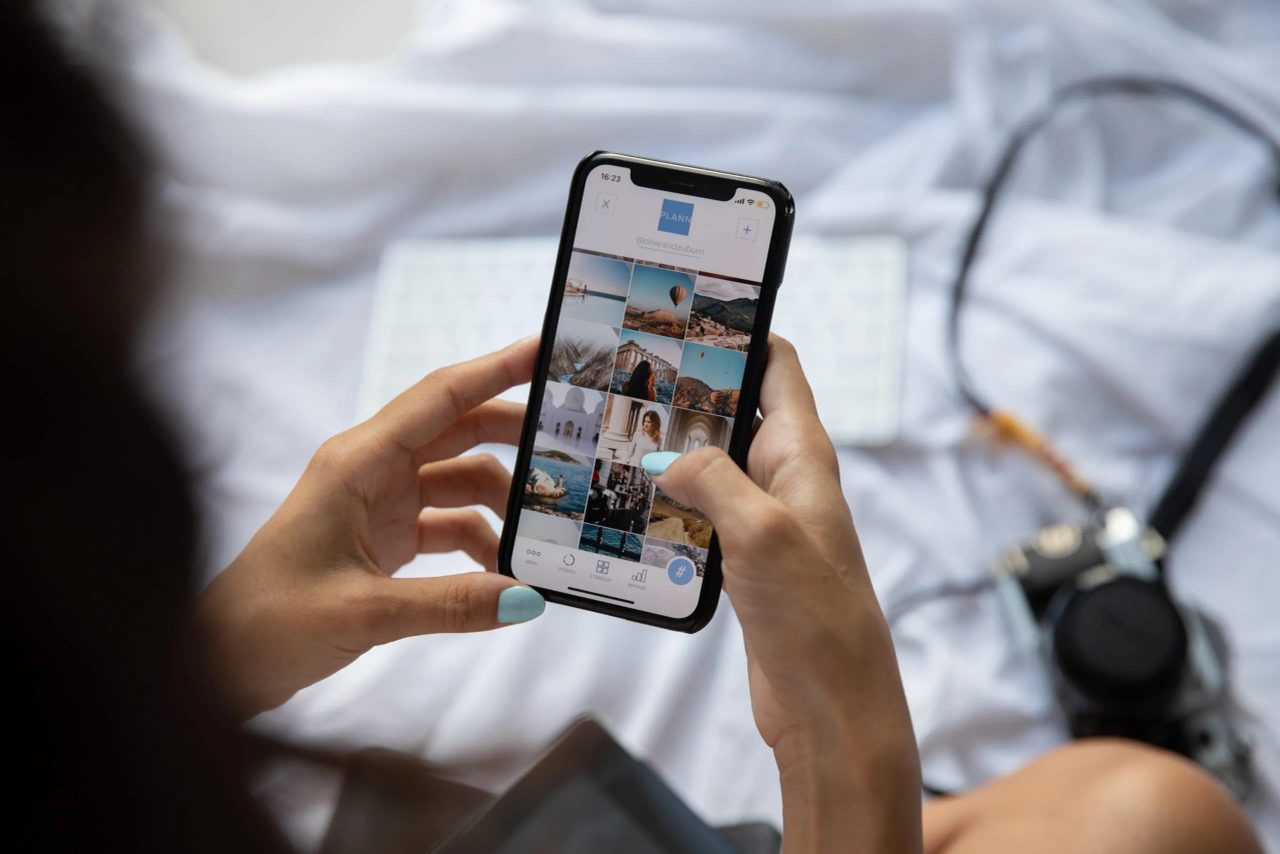
Along the same lines, but more precise and focused on hobbies and talents, there is Hobify. It is a virtual place that brings together professionals and creatives of all kinds, such as photographers, parkour athletes, or people with a green thumb. You can find advice for all needs and are encouraged to discover new activities to learn and practice.
Among the most popular apps is MeetUp. Once registered, you join various groups and then participate in events. If you don't find a specific interest, this app allows you to build your own personal circle of users to meet in person later.
MeetUp is not only a platform for networking and social events but also represents an opportunity for personal and professional growth. Through MeetUp, you can connect with industry experts, attend training workshops , and exchange ideas with people who share the same passions.
This not only enriches your knowledge but can also open doors to new collaborations and career opportunities. Moreover, by attending local events, you can actively contribute to your community, supporting initiatives and projects that have a positive impact on the area. MeetUp, therefore, goes beyond a simple social event: it is a versatile tool that can transform virtual connections into concrete and rewarding experiences.
This method is very similar to the one that makes theMeeters App work best.By connecting people who live nearby but have never met, it allows them to live new experiences, outings, and group trips.
This tool is comprehensive, summarizing a bit of everything we've discussed. How does it work? You download and register on the app, join chats, and converse with other users to establish a bond that will strengthen over time.
This way, you easily join events and activities organized locally, during weekends or longer trips. With Meeters, meeting people with the same interests will no longer be a problem.