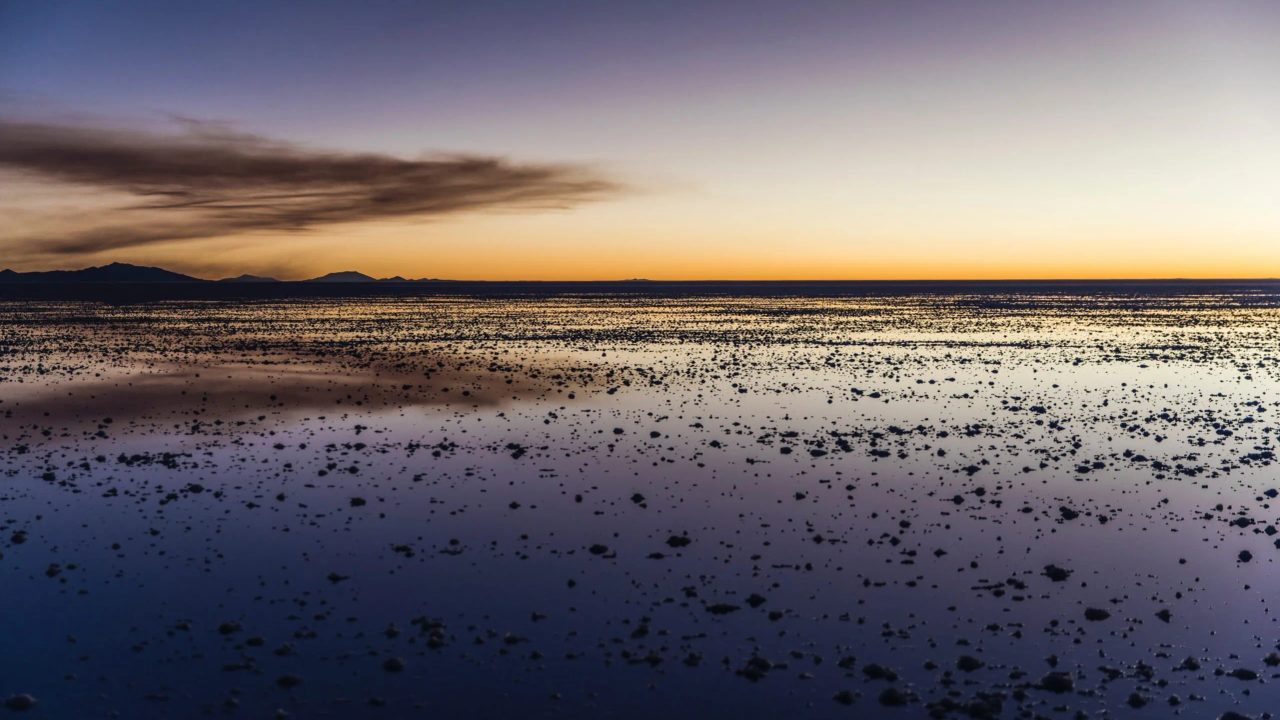
Exploring the Wadden Sea, you can go mud trekking.
The Wadden Sea is a unique place in Northern Europe, recognized as a UNESCO World Heritage Site. It is a true paradise for nature lovers, open spaces enthusiasts, and trekkers. Its beauty is indescribable and offers a wide range of experiences for those who visit.
The Wadden Sea, also known as Waddenzee in Dutch, is a coastal sea located between the northern coast of the Netherlands, the northwestern coast of Germany, and the southwestern coast of Denmark. This coastal area is characterized by vast sandbanks, intertidal valleys, channels, and small islands. It is one of the most unique coastal ecosystems in the world.
The main features of the Wadden Sea include:
- Sandbanks: The area is famous for its extensive sandbanks that emerge during low tide and are submerged during high tide. These sandbanks create an exceptional environment for a variety of marine species and migratory birds.
- Intertidal Valleys: During low tide, vast mudflats are exposed. These intertidal valleys are important habitats for many species of plants, invertebrates, and fish, as well as a crucial feeding ground for migratory birds that rely on the rich food deposits.
- Biosphere Reserve: The Wadden Sea was declared a UNESCO World Heritage Site in 2009. It is also a biosphere reserve, recognized for its ecological and biological importance.
- Marine Species: The area hosts numerous marine species, including mollusks, crustaceans, fish, and seals. Grey seals and common seals are often spotted on the beaches and in the surrounding waters.
- Tourism and Recreational Activities: The Wadden Sea is a popular destination for nature tourism and outdoor activities such as birdwatching, sandbank hiking, and seal watching. However, visits are often regulated to preserve the fragile ecosystem.
- Environmental Challenges: Despite its ecological importance, the Wadden Sea faces challenges such as plastic pollution, human activities impacting coastal ecosystems, and the consequences of climate change, including rising sea levels.
In summary, the Wadden Sea is an exceptional coastal environment, with a wide range of biodiversity and an important ecological role. It is one of Europe's most fascinating and valuable natural destinations.
The Wadden Sea is an extraordinary place located in Northern Europe, recognized as a UNESCO World Heritage Site. It is a true paradise for those who love wild nature open spaces, and trekking. This unique place is characterized by a constantly changing landscape, where land and water compete for territory. Each visit offers a different view, as it never repeats itself in the same way.
This spectacle is truly exceptional; it is the largest saltwater area in Europe, with an incredible total length of 450 kilometers stretching across Denmark, Germany, and the Netherlands.
The Wadden Sea is an extraordinary landscape, characterized by delicate and poignant beauty, where nature is the absolute protagonist. In this dynamic context, the natural balance is intact and many fish species find their ideal habitat, such as sole, mullet, smelt, sea bass, herring, and small invertebrates like shrimp, clams, mussels, and mollusks. Additionally, the Wadden Sea is home to common seals and migratory birds.
The Wadden Sea is a highly important area for migratory routes, with an average of 10 to 12 million animals passing through each year.
But there is more.
On the sand hills and small islands, gulls and terns build their nests, while countless plants bloom, with about 400 to 600 different varieties.
The pristine nature is the true protagonist, and what strikes even more is how this small corner of paradise on Earth is never the same but constantly changes over hours and days, offering the opportunity to immerse oneself in a dynamic and unique setting.
We are facing a surprising ecosystem, composed of an intricate combination of muddy seabeds, sand strips, tidal channels, and salt marshes. The islands we see today require proper preparation and expert supervision. It is important to practice this activity only during designated times, as not knowing the tide flow risks being stranded kilometers from shore or, even worse, being overwhelmed by waves.
Additionally, to protect the great diversity of the marine environment, which is rich in sediments, delicate habitats, and plankton, the local tourism authority promotes sustainable tourism by allowing “mud trekking” only in certain areas.