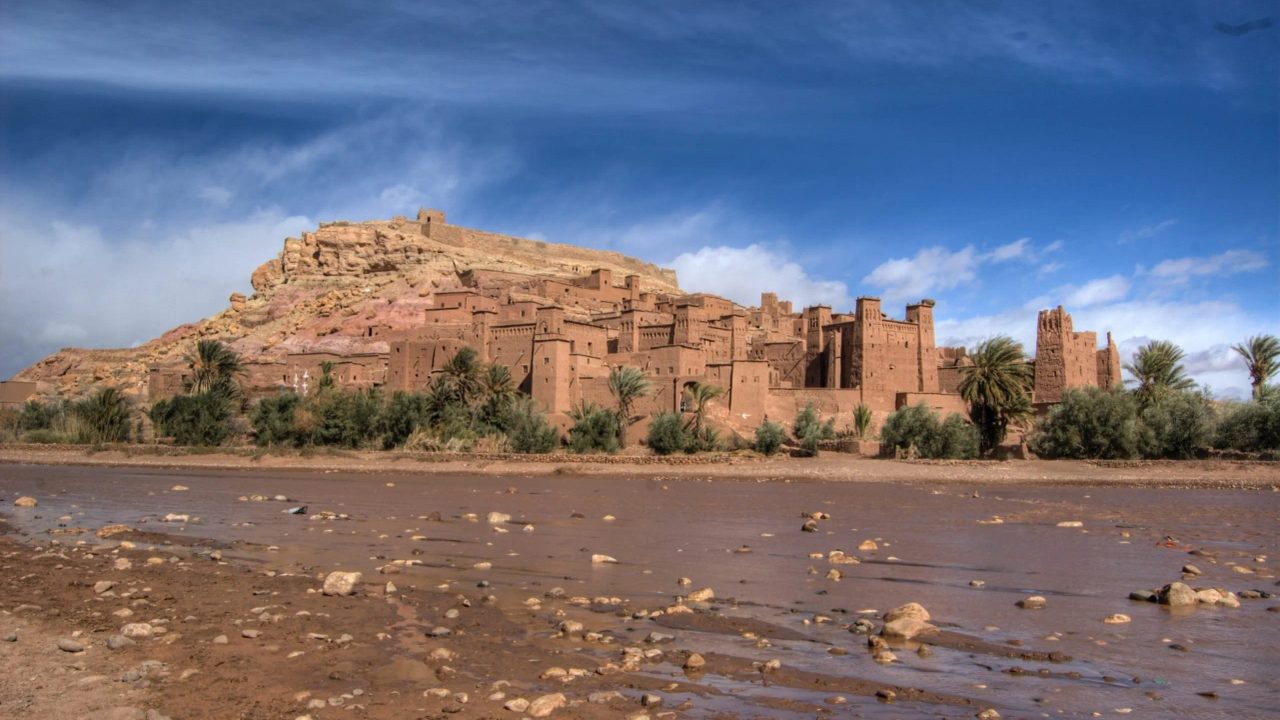
Morocco is a land rich in history, culture, and breathtaking landscapes. Among its hidden gems lies a place that enchants everyone who visits: Ait-Ben-Haddou. This ancient fortified village, located in the southern region of Morocco, is a jewel of traditional Berber architecture and a UNESCO World Heritage Site. In this article, I will take you on a detailed journey through Ait-Ben-Haddou, unveiling every corner and telling you what makes it so fascinating.
History and Foundation
Ait-Ben-Haddou stands along the Ounila River valley, in the heart of the High Atlas Mountains. Its history dates back to ancient times, with some parts of the village over 1,000 years old. The village was founded by a Berber tribe, the Ben-Haddou, who built its impressive walls and mud houses, a traditional construction technique.
The most distinctive feature of Ait-Ben-Haddou is its earthen architecture, which includes houses, towers, and walls. This building technique has been passed down through generations and preserved to this day. The earthen walls are durable and contribute to thermal insulation, keeping homes cool in summer and warm in winter.
UNESCO World Heritage Site
In 1987, Ait-Ben-Haddou was inscribed on the UNESCO World Heritage list. This recognition was granted to preserve the village’s unique architectural and cultural heritage. Efforts to conserve Ait-Ben-Haddou include restrictions on modern construction within the walls and the promotion of restoration of existing structures.
UNESCO described Ait-Ben-Haddou as “a perfect example of a ksar, a type of fortified settlement found throughout the Maghreb.” Its historical and cultural importance has been recognized internationally, leading to an influx of visitors from around the world.
The Architecture of Ait-Ben-Haddou
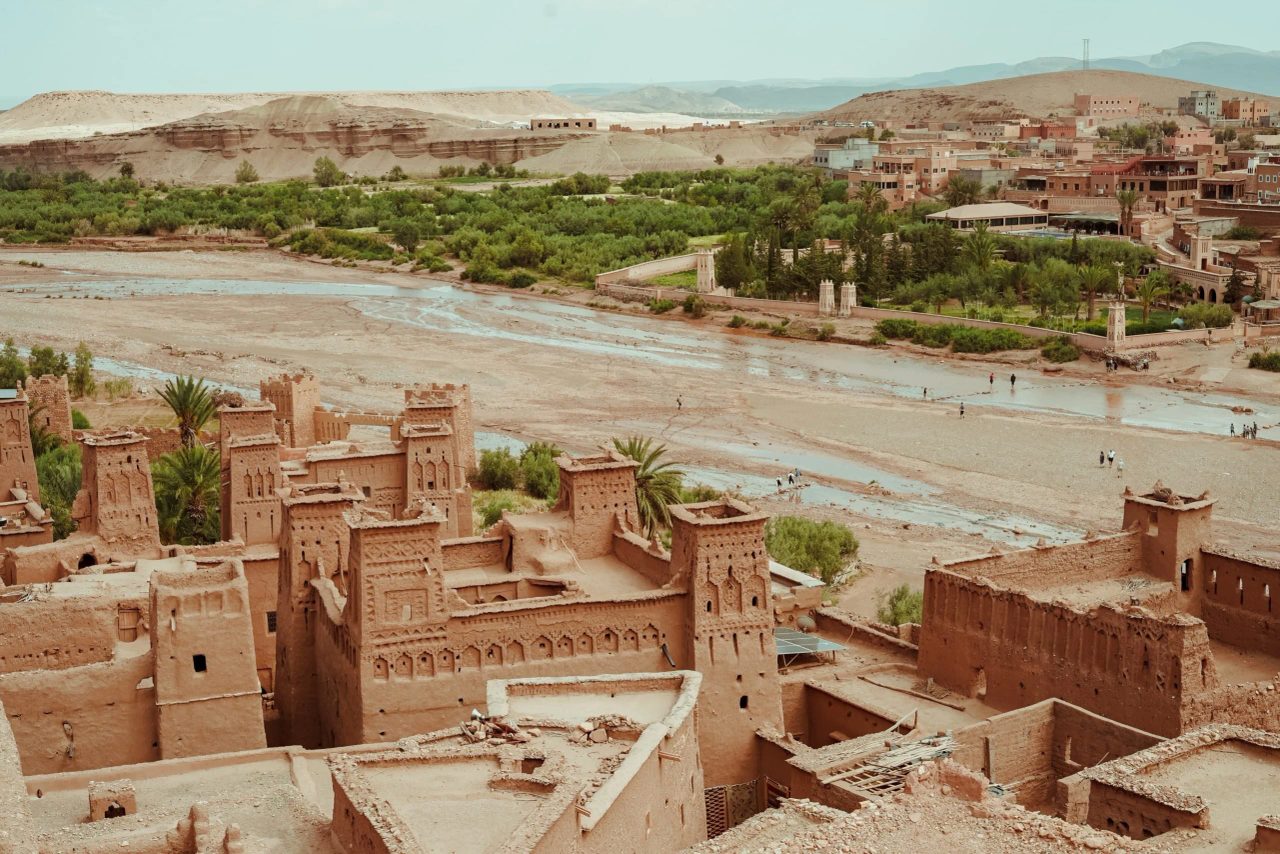
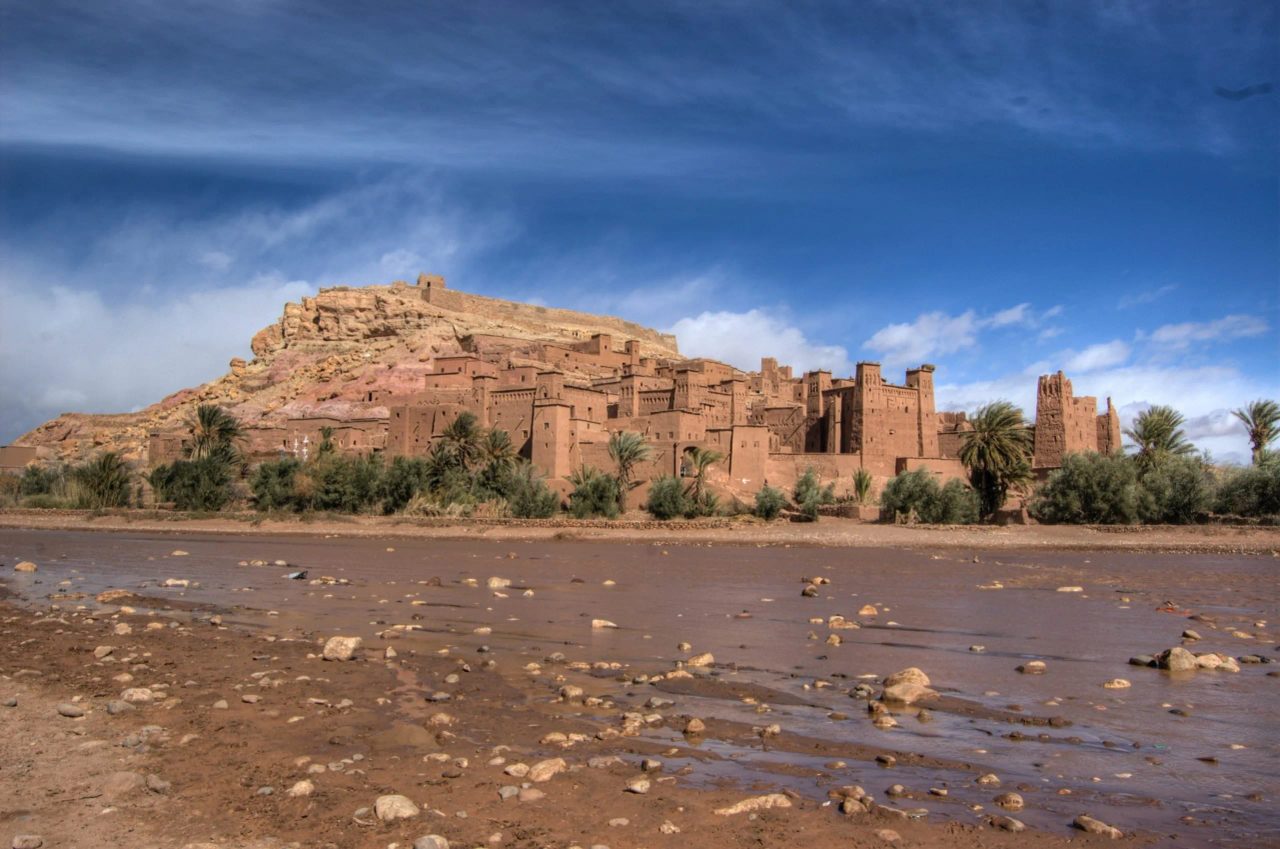
The architecture of Ait-Ben-Haddou is truly a feast for the eyes. The village is surrounded by earthen walls rising above the waters of the Ounila River. The walls are dotted with defensive towers and cover an area of about six hectares. The use of earthen materials not only gives this place a unique appearance but is also an impressive example of how local resources can be sustainably used for construction.
Inside the walls, narrow alleys and winding passages lead to the earthen houses. These homes are built side by side and rise several stories high. The walls are decorated with traditional geometric patterns, and the doors are often flanked by intricate wood carvings. Many of the houses have been converted into shops, restaurants, and small inns to welcome visitors.
Life in the Village
Ait-Ben-Haddou is inhabited by a limited number of people, mainly families with roots here going back generations. Village life revolves around agricultural activities, with cereal cultivation, olive oil production, and livestock farming as the main sources of livelihood. The villagers still maintain many Berber traditions and are known for their hospitality.
One of the most authentic experiences you can have in Ait-Ben-Haddou is visiting the homes of local families. These guided visits allow you to enter the earthen houses, discover details of their daily lives, and taste traditional foods prepared by the village women. It’s an extraordinary opportunity to immerse yourself in Berber culture and appreciate the simplicity and beauty of rural Moroccan life.
Cinema in Ait-Ben-Haddou
Ait-Ben-Haddou has been the set for numerous films and TV productions over the years. Its unique atmosphere and timeless architecture have fascinated directors and producers worldwide. One of the most famous films shot here is Ridley Scott’s 2000 “Gladiator,” starring Russell Crowe. The evocative streets and earthen buildings of Ait-Ben-Haddou provided the perfect backdrop for the world of ancient Rome..
Other famous films shot here include “Lawrence of Arabia” (1962), “The Mummy” (1999), and “Game of Thrones,” where Ait-Ben-Haddou was used as the setting for the city of Yunkai. These film productions have brought even more fame to this village and attracted visitors from all over the world.
The Enchanting Surrounding Landscape
Beyond its captivating architecture, Ait-Ben-Haddou is surrounded by breathtaking scenery. The High Atlas Mountains rise majestically in the distance, creating a spectacular backdrop for the village. At dawn and dusk, golden light kisses the mountain peaks, creating a play of colors and shadows that enchants visitors.
The Ounila River valley also offers many opportunities for hiking and trekking. The trails wind through ancient agricultural terraces, orchards, and cultivated fields, offering a close-up view of rural Moroccan life. Guided hikes can be arranged to explore surrounding Berber villages and their traditions.
The Suspension Bridge of Ait-Ben-Haddou
A recent but fascinating attraction in Ait-Ben-Haddou is the suspension bridge crossing the Ounila River. This bridge offers panoramic views of the surrounding valley and allows visitors to cross the river to explore the opposite bank. It was built to facilitate access to the village and make tourist transit easier.
Walking on the suspension bridge, you can closely observe the majesty of the Ounila River and admire the surrounding landscape. It’s also a great spot for panoramic photos of Ait-Ben-Haddou and the nearby mountains.
The Souks and Local Trade
Within the walls of Ait-Ben-Haddou, you’ll find a number of small shops and souks selling a variety of local products. These shops offer souvenirs, traditional textiles, handcrafted jewelry, ceramics, and more. It’s an ideal place to buy authentic mementos of your trip to Morocco and support the local economy.
The artisans of Ait-Ben-Haddou are known for their skill in working wood, ceramics, and wrought iron. Many of the artworks you’ll find here are handmade using traditional techniques passed down through generations. Buying a piece of local craftsmanship not only lets you take home a unique souvenir but also helps support the local community.
The Cuisine of Ait-Ben-Haddou
Moroccan cuisine is famous for its rich flavors and use of aromatic spices. Ait-Ben-Haddou offers the chance to taste traditional Moroccan dishes prepared with fresh, local ingredients. Many village restaurants serve tajine, a dish made with meat or fish slowly cooked in a terracotta pot with vegetables and spices.
Another local specialty is couscous, served with rich sauces and ingredients like lamb, chicken, or vegetables. You can’t leave Ait-Ben-Haddou without trying a plate of couscous prepared by one of the village’s family-run restaurants.
The Climate of Ait-Ben-Haddou
The climate of Ait-Ben-Haddou is typically desert-like, with hot summers and mild winters. Summer temperatures can exceed 40°C (104°F), while nights are cooler. Winters are milder, with daytime temperatures ranging between 15°C and 25°C (59°F to 77°F). The best seasons to visit Ait-Ben-Haddou are spring and autumn, when temperatures are more pleasant for exploring the village and its surrounding countryside.
How to Get to Ait-Ben-Haddou
Ait-Ben-Haddou is easily accessible from several cities in Morocco, including Marrakech, Ouarzazate, and Skoura. Here are some options to reach this fascinating village:
- From Marrakech: The city of Marrakech is about 190 kilometers from Ait-Ben-Haddou. You can reach the village by car via the N9 road, which offers spectacular views of the Atlas Mountains. The drive takes about 3-4 hours. You can also take a shared taxi or bus from Marrakech.
- From Ouarzazate: Ouarzazate is the closest city to Ait-Ben-Haddou, only about 30 kilometers away. You can reach the village by taxi or bus from Ouarzazate, a trip lasting about 30-45 minutes.
- From Skoura: Skoura is another nearby town, located about 40 kilometers away. You can reach Ait-Ben-Haddou by taxi or bus from Skoura.
Tips for Visitors
Before visiting Ait-Ben-Haddou, here are some useful tips:
Appropriate Clothing: Given the conservative nature of Moroccan culture, it’s advisable to wear modest clothing when visiting Ait-Ben-Haddou, especially if you plan to enter local family homes or mosques.
Hydration: Temperatures can rise significantly during summer, so be sure to carry a water bottle to stay hydrated while exploring the village.
Comfortable Shoes: The streets of Ait-Ben-Haddou are narrow and often uneven, so wear comfortable shoes for exploring the village.
Visiting Hours: Ait-Ben-Haddou is quieter during early morning and late afternoon. If you want to avoid crowds, consider visiting the village at these times.
Photography: Always ask permission before photographing people or private property to respect residents’ privacy.