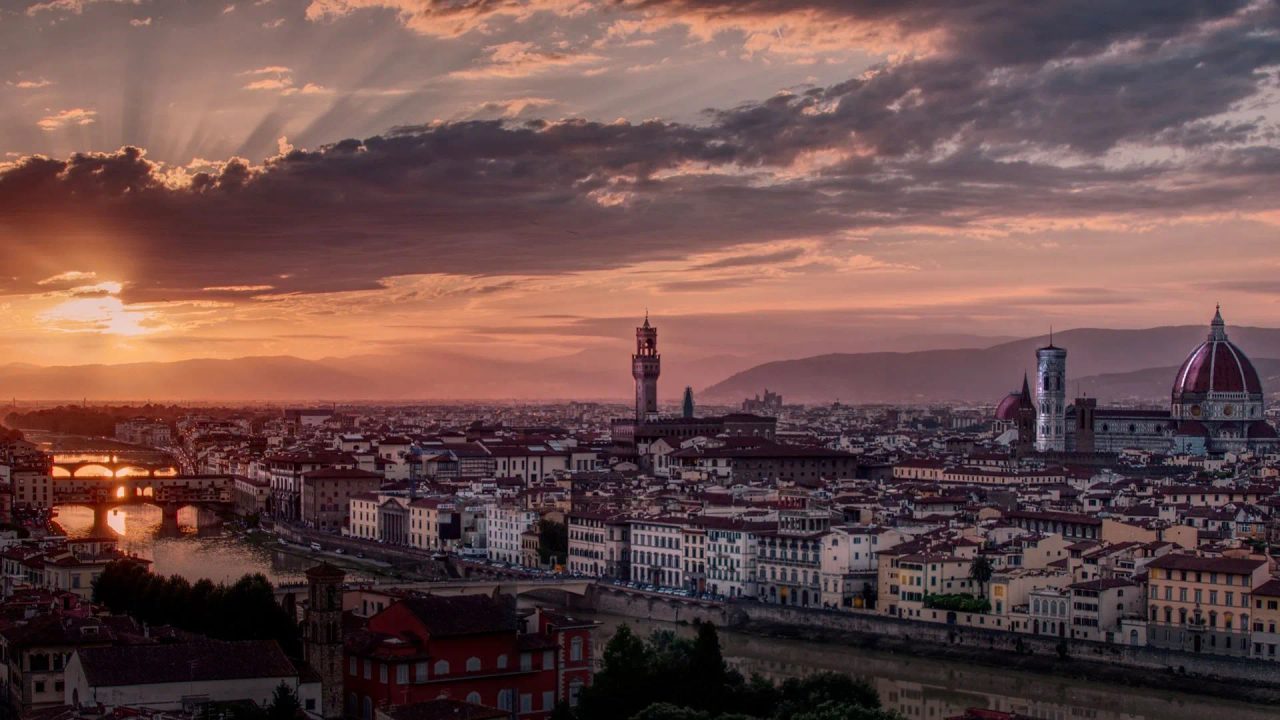
There are cities that have helped change the course of human history. Cities where an intellectual ferment and the desire to surpass limits have always thrived. These cities have been the birthplace of new currents in art, literature, and politics that have shaped the society we all know today. Considering all the forces at play for entire eras within the streets of these cities, it is no surprise that the culture so acclaimed, celebrated, and recognized hides an underground and dark side, tinged with mystery and magic.
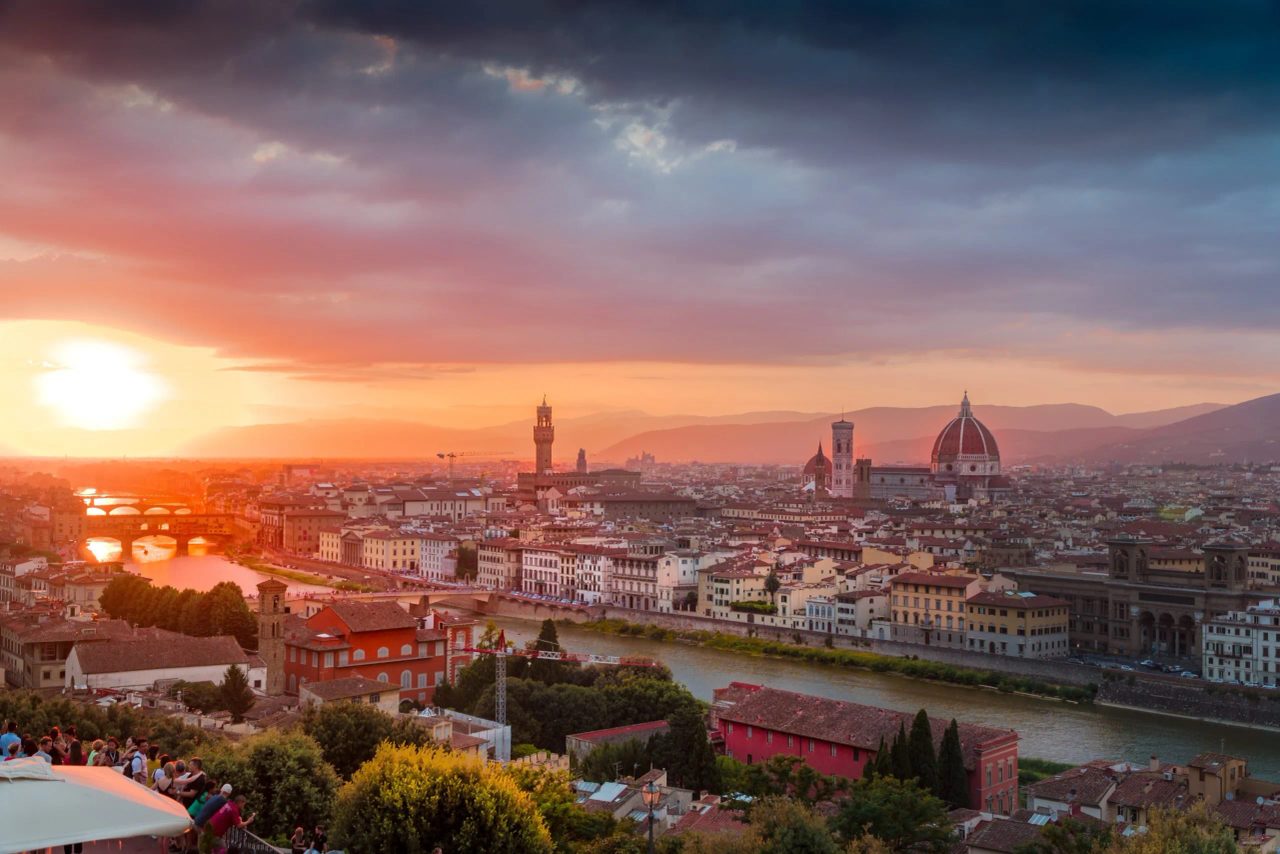
Florence, the cradle of the Italian Renaissance, has not escaped this fate. Alongside the marvelous city of art Tuscany, over the centuries an esoteric and alchemical Florence has developed, increasingly studied and appreciated.
Also to diversify the tourist offer, the Municipality of Florence has developed new itineraries and a guided tour to discover this unusual side of the city. So let's see together what stories this walk among the symbols, codes, and enigmas left by the great figures of esoteric Florence will reveal!
Tour Among the Secrets of Francesco I De Medici
Alchemy is a discipline that for centuries, especially in the Middle Ages, has sparked the imagination and deepest desires of mankind.
Not even Francesco I de Medici was immune to the much sought-after search for the philosopher's stone and thus the elixir of long life. He dedicated a significant part of his life to these studies, which are reflected in architecturally important works throughout Florence. He is no coincidence the most important name in esoteric Florence.

Palazzo Vecchio and Its Studiolo
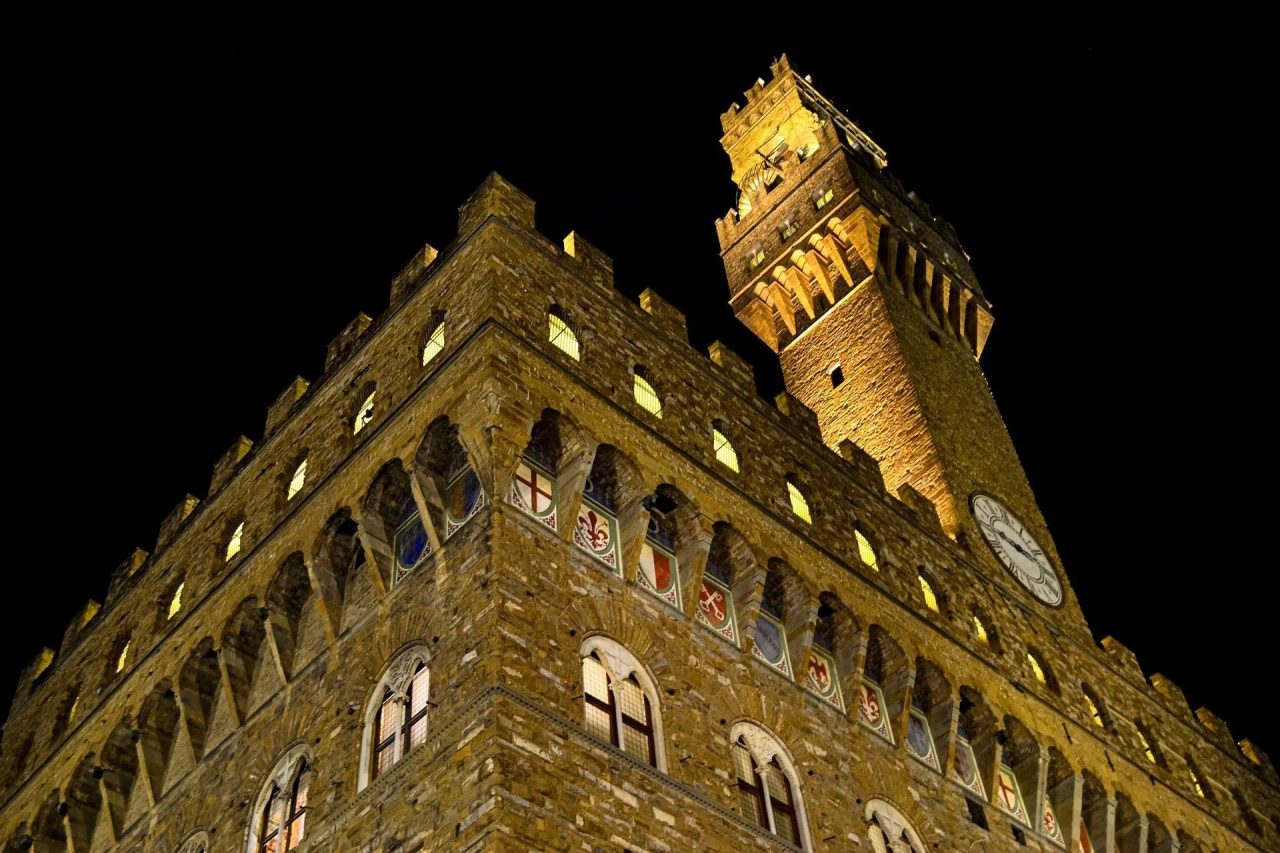
Palazzo Vecchio has dominated since the 1300s Piazza della Signoria and it has many stories to tell. Numerous highly important figures have passed through its halls, and some of the most beautiful works of art in the world are displayed there.
Its history is closely linked to alchemy under the influence of Cosimo I de Medici, father of Francesco I. He renovated the Palace, paying particular attention to the Hall of the Five Hundred, built at the request of Girolamo Savonarola during the brief period he expelled the Medici from Florence.
Cosimo I entrusted the work to Giorgio Vasari who, on his advice, hid numerous signs and alchemical symbolsin the frescoes of the Hall and his private apartments. These meanings are hidden under multiple layers of interpretation, where magic blends with Greek-inspired allegories and the Kabbalah.
Francesco I De Medici, on the other hand, had a small room built for his exclusive use, connecting the private chambers and the Hall of the Five Hundred. This Studiolo, as it is called, a rectangular room with a barrel-vaulted ceiling, is itself rich in allegories.
The Grand Duke used to retreat here to dedicate himself to studies, surrounded by references to mythology, the four elements, and the zodiac signs. Of particular interest is the panel of The Alchemy Laboratory by Giovanni Stradano, in which Francesco I is depicted in the guise of a craftsman, symbolizing how much more he valued scientific studies than politics.
Boboli Gardens
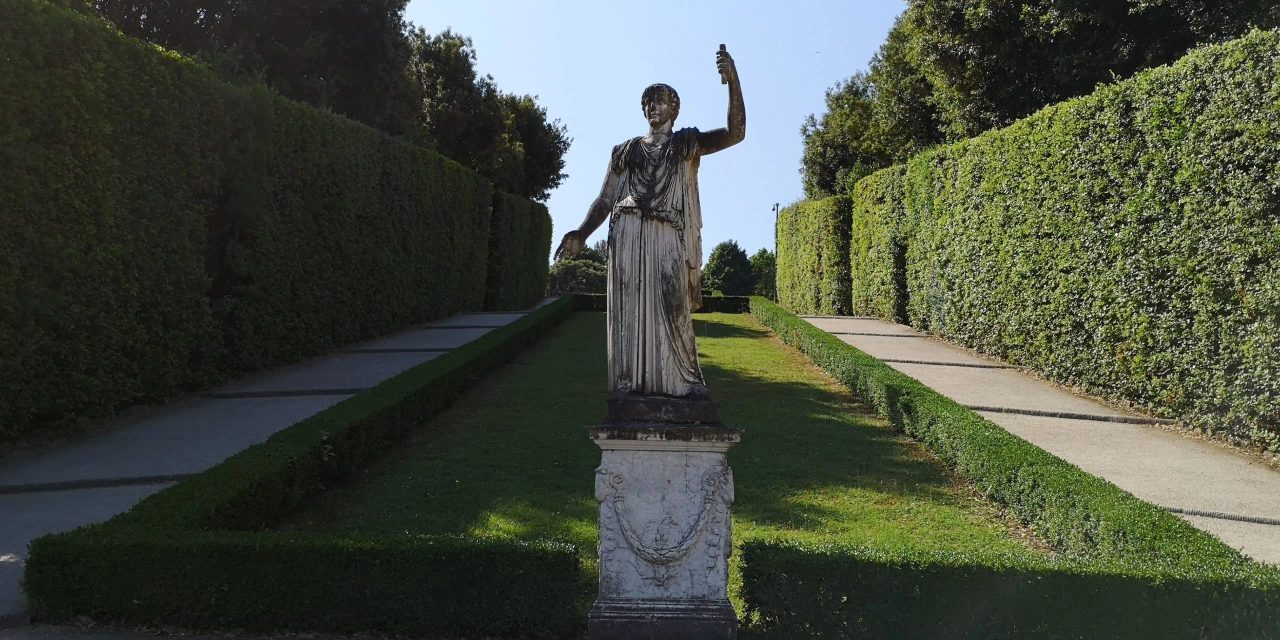
The Boboli Gardens are one of the most beloved places by tourists and one of the most important in esoteric Florence, whose “alchemical” design is often attributed to Cosimo I and Francesco I de Medici. A stop that cannot be missed on the tour to discover the city's secrets.
The garden features numerous statues, grottoes, and hidden codes starting with theEgyptian obelisk. This is the only obelisk present in Tuscany, a solar and Masonic symbol, whose origins are not well known but are traced back to the reign of Ramses II.
More interesting among all the works here is the Buontalenti Grotto. Composed of three rooms, it is a vast environment that amazes and dazzles visitors. Many of the figures represented here seem to come to life and struggle against the stone and walls that enclose them. The theme is that of chaos that can turn into harmony, one of the alchemical topos. In the center of the first room there is a pedestal topped by a stone, which many believe to be a reference to the philosopher's stone.
The Tombs of the Basilica of San Lorenzo
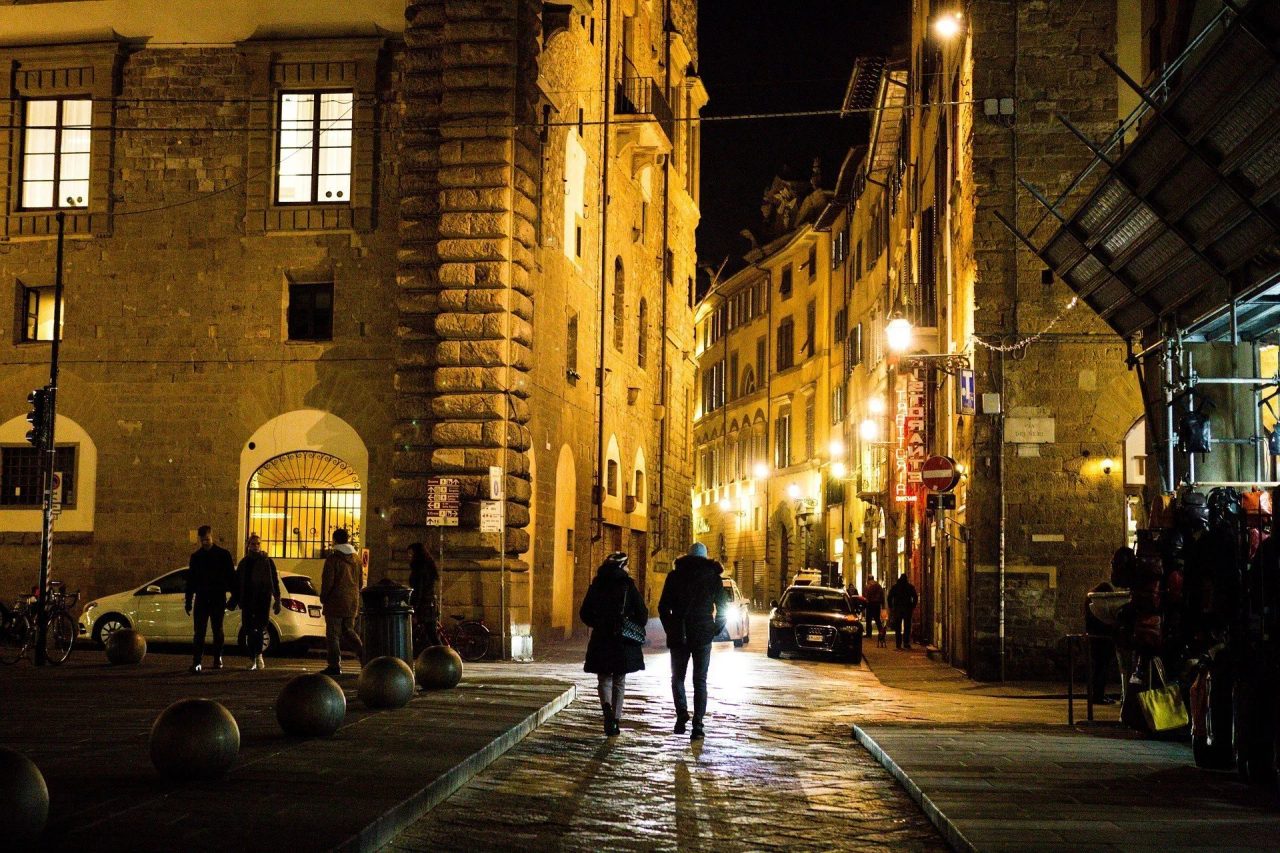
The Basilica of San Lorenzo, on the square of the same name, houses the magnificent New Sacristy, built by Michelangelo and containing some of his most beautiful works. Among these stands out the tomb dedicated to Giuliano de Medici, Duke of Nemours, and Lorenzo de Medici, Duke of Urbino.
The complex is rich in alchemical references, Kabbalah, zodiac signs, and the four elements, as well as seven concentric circles symbolizing the seven alchemical stages.
The two tombs are each made with two pairs of statues. The first represents day and night, light and darkness, sun and moon, and thus concepts derived from Neoplatonic philosophy and all the mysteries associated with life and death.
[activecampaign form=22 css=1]
Piazza San Marco
Less famous than its Venetian namesake or the more central Piazza della Signoria, Piazza San Marco also holds a certain importance in tours of Florence's mysteries. It once hosted a church and a Dominican convent, whose prior was none other than Girolamo Savonarola and was the scene of numerous revolts and clashes among citizens led by the monk.
Overlooking the square is the house where Bianca Cappello lived during her flight to Florence with her first husband Pietro Bonaventuri. According to legend, it was from the window of this house that Francesco I de Medici first saw her and fell madly in love. In their marriage, they shared a passion for the occult sciences and a tragic death.
The square today hosts all information and booking services!