The Cities of Morocco: A Vibrant Blend of Culture, History, and Beauty
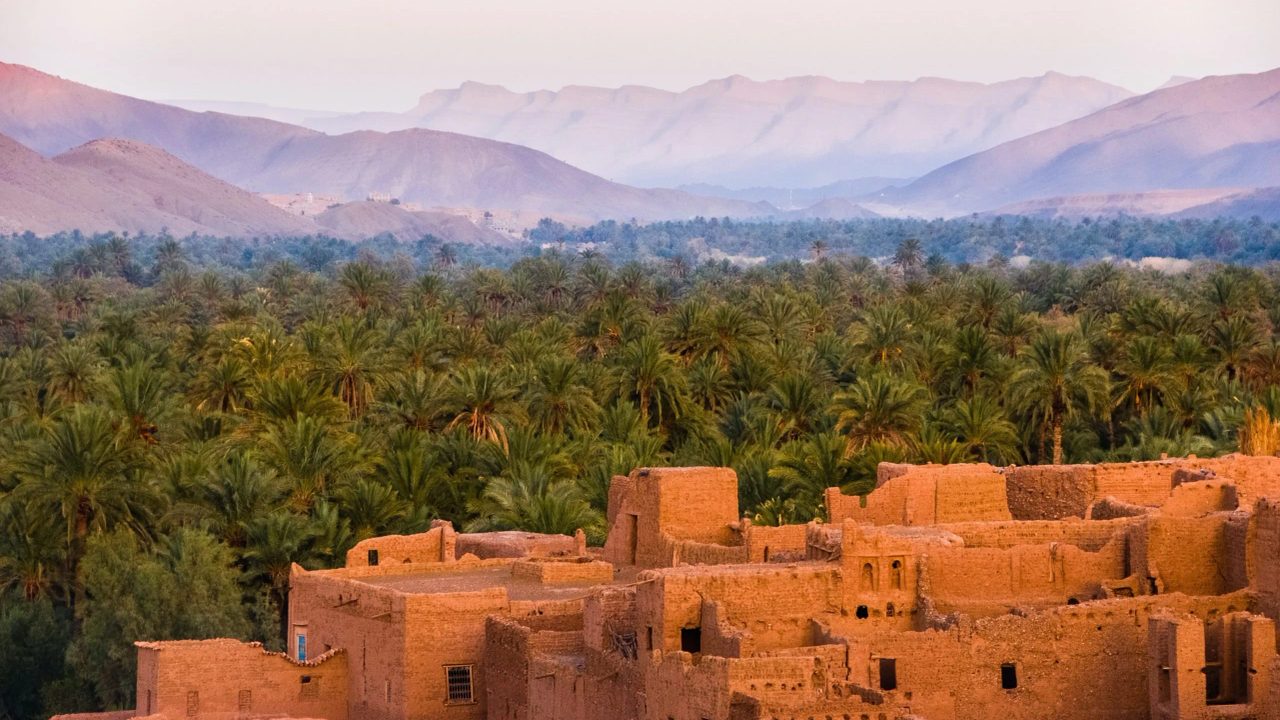
Morocco is a country stretching along two coasts, overlooking both the Atlantic and the Mediterranean—a melting pot of cultures, colors, sounds, and flavors. Amid majestic mountains, vast deserts, and breathtaking coastal landscapes, the cities of Morocco are the cherry on top of this fascinating country.
Casablanca: Morocco's Modern City
When talking about Moroccan cities, the first that comes to mind is undoubtedly Casablanca. Known worldwide thanks to the film of the same name, Casablanca represents the modern face of Morocco. But it’s not just a city of skyscrapers and shopping centers; it’s a place where the ancient meets the contemporary. Don’t miss the Hassan II Mosque, one of the largest religious buildings in the world, and the Habous quarter, with its charming markets.
Marrakech: The Pearl of the South
Marrakech, the pearl of the south, is another of Morocco’s most exciting cities. Its beating heart is the Medina, a labyrinth of narrow, bustling alleys full of shops, markets, and cafés. Be sure to visit the majestic Bahia Palace, the Majorelle Gardens, and the Koutoubia Mosque.
Fès: The Cradle of Moroccan Culture
Fès is considered the cradle of Moroccan culture, a city rich in history and art. Its Medina, a UNESCO World Heritage Site, is one of the largest pedestrian areas in the world. The Bou Inania Madrasa and the Al-Quarawiyyin Mosque are just two of the many architectural gems this city has to offer.
Rabat: The Capital of Morocco
Rabat, the capital of Morocco, is a perfect blend of history and modernity. The city is famous for the Hassan Tower, an unfinished 12th-century minaret, and the Mausoleum of Mohammed V. Don’t miss the ancient Kasbah of the Udayas, with its charming white and blue houses.
Tangier: The Gateway to Europe
Tangier, located at Morocco’s northern tip, is a city overlooking the Strait of Gibraltar. Known as the “gateway to Europe,” Tangier is a meeting point of diverse cultures. Its historic center, the Medina, is a fascinating maze of narrow, winding streets, while the modern Ville Nouvelle district offers a lively nightlife.
Agadir: The City of the Sun
Agadir is famous for its beautiful beaches and mild climate year-round. Destroyed by an earthquake in 1960, the city was completely rebuilt and today is vibrant from September to November.
Is It Safe to Travel in Morocco?
Morocco is generally a safe country for tourists. As anywhere, it’s important to take normal precautions, such as avoiding displaying valuables in public and being cautious in crowded areas.
What Moroccan Culinary Specialties Should I Try?
Moroccan cuisine is famous for its intense and spicy flavors. Don’t miss couscous, tagine, pastilla, and harira, a traditional Ramadan soup.
Do I Need to Know Arabic to Travel in Morocco?
No, it’s not necessary to know Arabic to travel in Morocco. Many people speak French, and in some tourist areas, English is also spoken.
What Are the Behavioral Rules to Follow in Morocco?
Morocco is a Muslim country and, as such, has behavioral rules to respect. It’s important to dress respectfully, avoid drinking alcohol in public, and respect local traditions.
Is It Possible to Visit the Sahara Desert in Morocco?
Yes, it is possible to visit the Sahara Desert in Morocco. There are many organized excursions departing from the main cities.
As you can see, the cities of Morocco have much to offer. Each city has its uniqueness, history, culture, and colors. Traveling in Morocco means immersing yourself in a fascinating and rich reality of contrasts, where tradition and modernity meet and blend. All that’s left is to pack your suitcase and set off to discover this splendid country. Bon voyage!