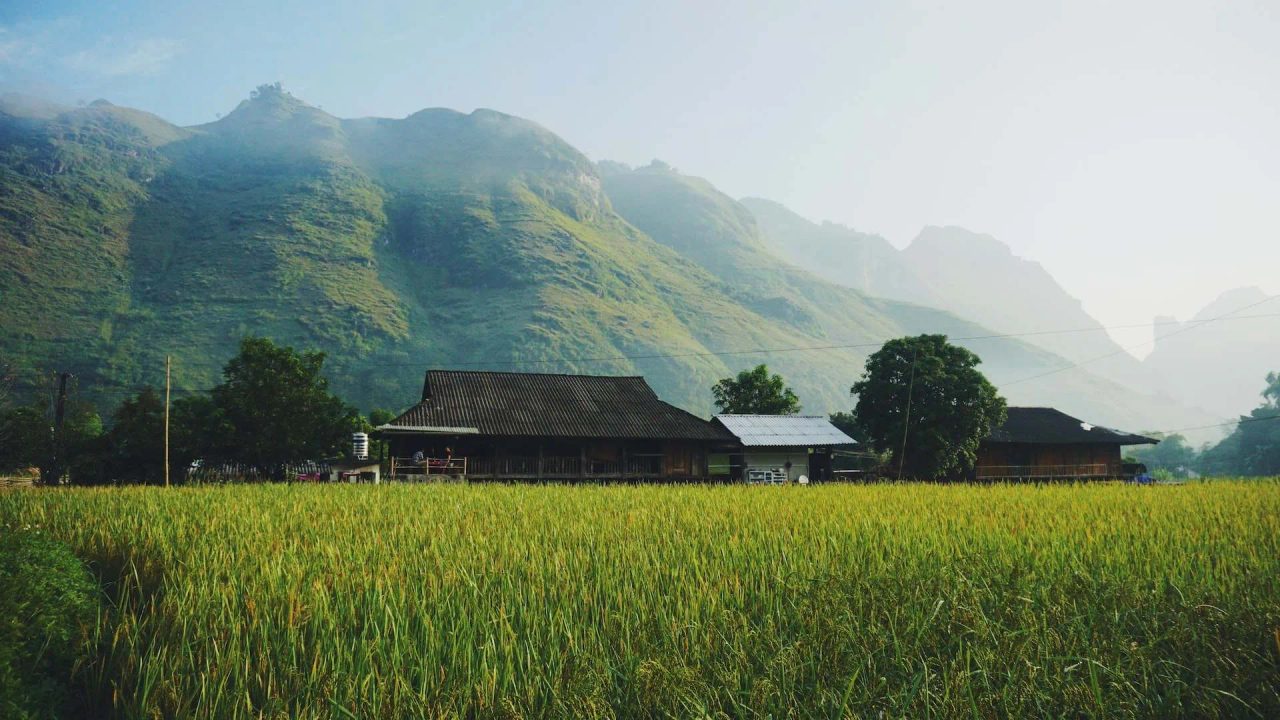
How many people still associate Vietnam with the war that tore the country apart during the seventies? Probably many; fortunately, more and more people now think of this country in relation to a great trip to Vietnam, discovering one of the most fascinating places in all of Southeast Asia.
Vietnam, in fact, is characterized much more than its neighbors Laos and Cambodia by remarkable economic and cultural vitality. Within a few kilometers, you can encounter stunning natural landscapes and sprawling cities that seem to come straight out of a sci-fi comic from the eighties.
Traveling to Vietnam isn’t very expensive and is, in our opinion, an experience worth seeking out whenever possible. However, organizing a trip to Vietnam requires participants to pay attention to a number of things: today) are usually not of tourist interest.
[activecampaign form=22 css=1]
To enter Vietnam, you must have a passport valid for at least 6 months beyond the date of entry. There is no tourist visa requirement for trips shorter than 15 days; however, if your trip exceeds this duration, a tourist visa is required. This costs $25 and involves completing a procedure with the submission of various documents.
No mandatory vaccinations are required for entry and stay in Vietnam except for yellow fever; in this case, we recommend checking the Viaggiare Sicuri website for more precise information or consulting your general practitioner about optional vaccinations based on your medical history.
Do You Need Insurance to Travel to Vietnam?
Vietnam is not exactly a Western country in terms of medical services, and to obtain care comparable to European standards—usually only available in major cities—you need to pay a lot of money. This means one thing: having travel insurance is recommended because it can save you significant amounts of money in case of emergency.
The reasons are clear: Vietnam is a large but also exotic country, and mishaps can happen. To avoid remembering your trip as an unpleasant experience, using travel insurance helps minimize risks and simultaneously save important sums of money.

Health insurance also ensures the delivery of any medicines when they are not available locally.
Otherwise, the situation is not very different from Europe: local pharmacies sell over-the-counter medicines like ours, but instead of mentioning the brand name, it’s best to specify the active ingredient you are looking for.
What to See in Vietnam?

We now come to the last of our sections, with a long and by no means complete list of interesting sights and discoveries in this beautiful country.
Certainly, the best-known names are the major cities: Ho Chi Minh City is the most important city in the entire country and is a chaotic, polluted but also particularly fascinating metropolis. Hanoi is the capital, also characterized by a particularly chaotic spirit but with old-style neighborhoods where trains pass through narrow streets hosting quirky markets. Huế is one of the oldest cities in Vietnam, featuring many historical and religious sites, from the Thien Mu Pagoda to the imperial tombs.
If we want to focus on natural beauty, it would be wrong not to mention Ha Long Bay, one of the country’s symbols and a UNESCO World Heritage site. A bay with nearly 2,000 limestone islets, lush green due to the vegetation favored by the tropical climate. Also very interesting is Phong Nha-Ke Bang National Park, in central Vietnam, with large caves, gorges crossed by rivers, and a Jurassic Park-like atmosphere.
Those seeking beautiful beaches should head to Phu Quoc Island, in the far south of the country. This is a perfectly tropical island with azure waters and white sand where you can enjoy long moments of relaxation between swims.