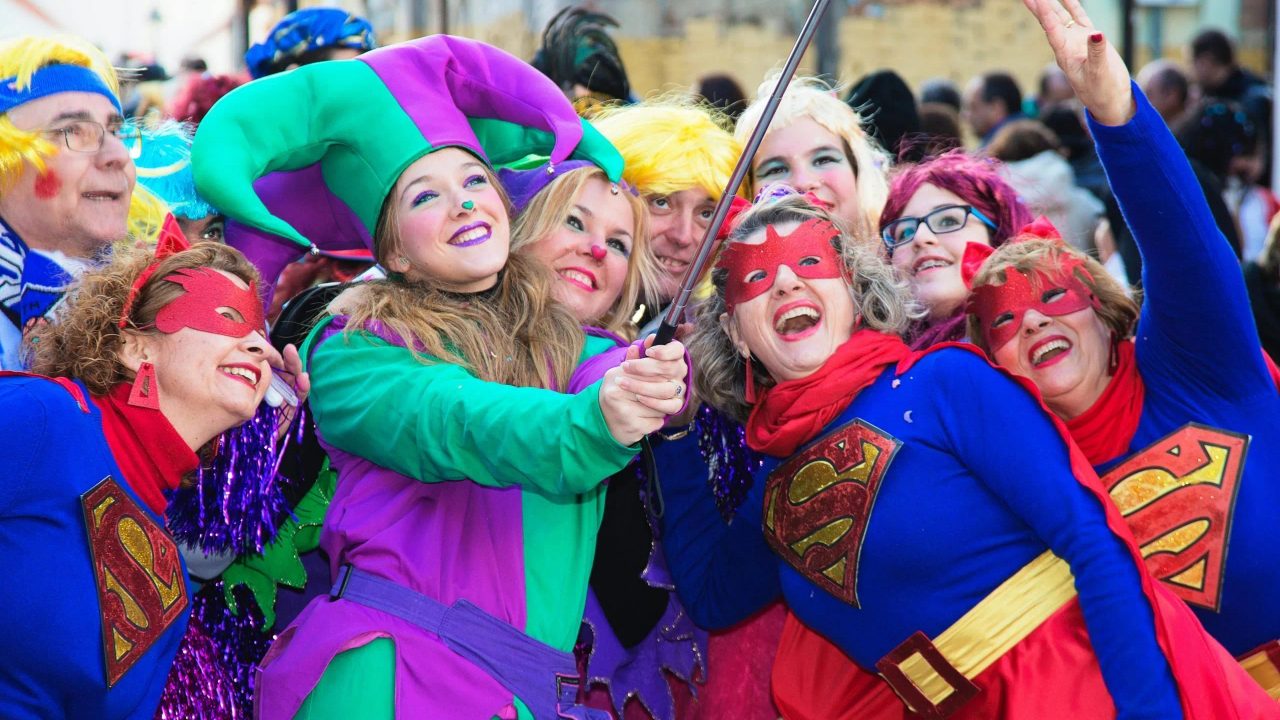
Carnival in Genoa, now marked by numerous events and activities for both adults and children, has a long history with particularly unexpected twists. Historical accounts of masked balls and typical costumes show that everyone was involved, from fishermen to nobles. Let’s take a look at the traditions of the past and how much of it remains today.
Stories of Dances and Events in the Ligurian Capital
Not only Venice's carnival: the festival also has a long tradition in Liguria. In Genoa, carnival was already celebrated in the fifteenth century, so much so that even dangerous people hid under certain disguises. But that didn’t matter much during the craziest week of the year, when men and women moved rhythmically to the sound of fifes, dancing dances like the “Rionda” or the “Moresca,” notable for its variation between bows and Already in the fifteenth century, there was revelry, so much so that dangerous people sometimes hid beneath certain disguises. But that didn’t matter much during the craziest week of the year, when men and women moved rhythmically to the sound of fifes, dancing dances like the “Rionda” or the “Moresca,” notable for its variation between bows and weapon games.
Fishermen, moving from the old port, performed dances inspired by Tuscan and Provençal traditions, called the Gighe or the “Perigodin.” But not only that: there were also much more licentious dances, born from the idea that carnival was a festival where the “mad” should triumph over everything, and the so-called “Cansone del Balarifone,” so obscene it couldn’t be sung without risking a hefty fine.
Over time, in the sixteenth century, further customs were acquired. Among these were some masked parades, first in Bisagno and then in Genoa’s historic center, with ladies and knights scattering flowers and perfumes. Less “clean” were the throws of rotten eggs, lemons, and other things, born from the games of the little ones.
The tradition then evolved further, bringing the festival into noble palaces. Less wealthy young people instead juggled entertaining but certainly risky cart races – now at their “69th” edition. Speaking of licentious things...
 Traditional Masks of Genoa Carnival
Among parades and other events, many particularly unique masks appeared, certainly typical of the Ligurian area. Surely the most typical Genoese character remains Capitan Spaventa, a figure from the commedia dell’arte, with a dreamy character and courage more verbal than real. Others are former puppets: Baciccia della Radiccia and Barudda.
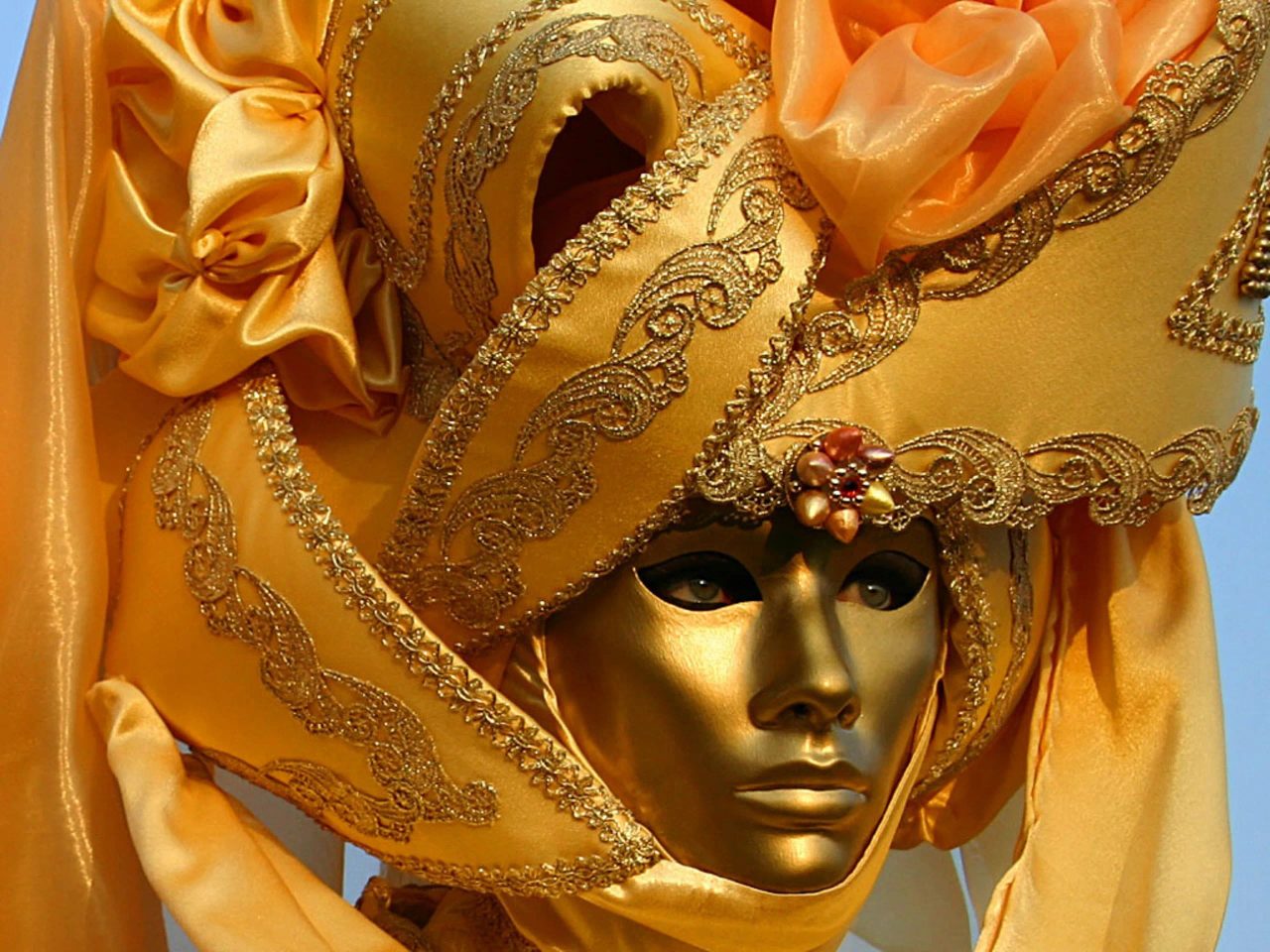 Mask of Genoa Carnival
However, thinking these were the only masks chosen in the past is certainly naive. These fixed characters, who performed songs, “fables,” and nursery rhymes, were not the only ones present in the streets of Genoa.
In local tradition, besides Capitan Spaventa and Baciccia, the so-called “Paisan” and the shepherdess “Nena” had developed, among whom the sexual tension of witty jokes blended with the playful tones of carnival. Other characters include the “Balia” (a big man), the “Marcheize,” and the “Mégu” (or Mego, meaning the doctor, with an enema under his arm).
There were even masks of real personalities, such as “O Scio Reginn-a,” or Mr. Regina. This character made a living thanks to his buffoonish repertoire from tavern to tavern, while maintaining an honest character.
Carnival Today: Between Historic Initiatives and Floats
Today or a fish dinner.
In the surrounding areas, you can always take a stroll through the many streets and squares of Genoa’s historic center. A choice suitable for any occasion, after all, and one that will surely be enriched with music, entertainment for children (and adults), and a very special nightlife. With a bit of luck, you might also encounter street artists, jugglers, mimes, and dedicated markets in the port area.
Typical Sweets of Genoa Carnival
For those more interested in local food and wine culture than any event, there are many typical Ligurian sweets to enjoy during Fat Tuesday. A festival sweet that is hard to find for sale is fried milk. It is a humble dessert loved by children, suitable not only for Carnival but for any occasion.
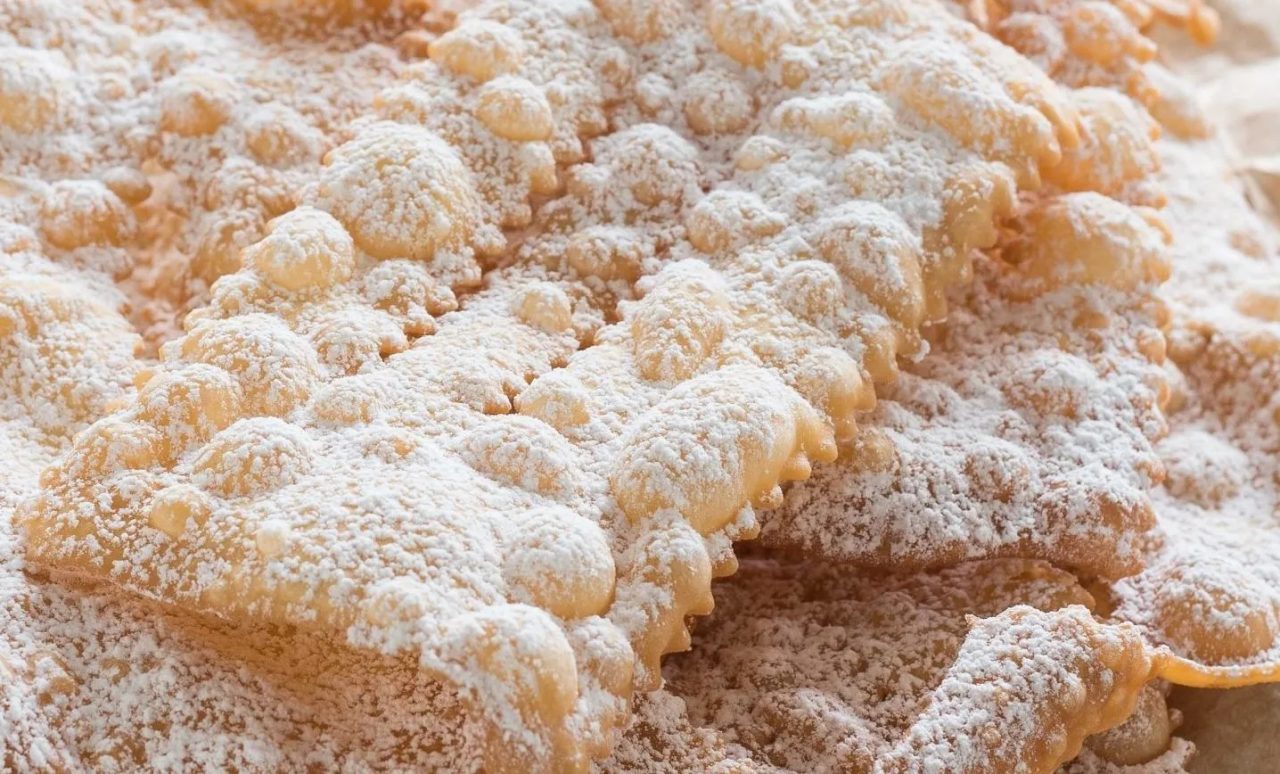 Chiacchiere or Bugie, Typical Carnival Sweet
But the most unique of all, now difficult to find, are the sciumette. These are a festive delight made from egg whites that have now been set aside in favor of more renowned treats. If you want to have a pure experience of what Carnival used to be like in the seaside city, then you’ll need to ask some elderly person who still knows the old recipes.
You can always find bugie, chiacchiere, or cróstoli. Available not only in bakeries but also in shops and supermarkets, they are now the most appreciated Carnival sweets by Italians, and are indispensable here as well.
Why Choose to Spend Carnival in Genoa
Choosing to spend Carnival in a city like Genoa can be a wonderful opportunity from many points of view. Regardless of which floats or other appointments and events are actually organized, a lively city like this Ligurian one would not be able to hide its cheerful charm even with a mask.
The people who live in Genoa will be there anyway, as will the opportunities to meet someone new. And, to be sure of having a new experience, you can join some social event.