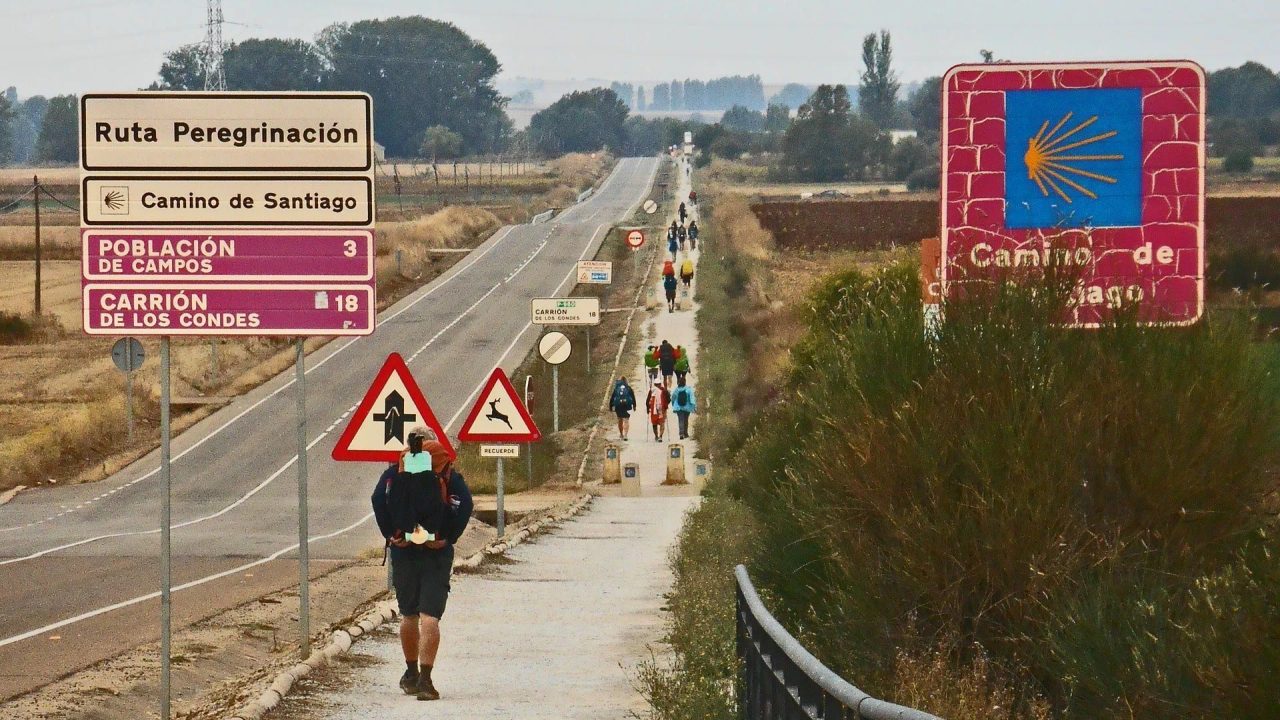
Whether for religion, spirituality, or simply for the experience, walking the Camino de Santiago in a group is a dream for many people. One of the most traveled routes in the world, its charm certainly comes from the promise of serenity it offers to those who undertake it.
After all, it’s not every day that you embark on an 800-kilometer walk, and you definitely need a certain motivation to do it. Let’s see together how to organize walking the Camino de Santiago in a group.
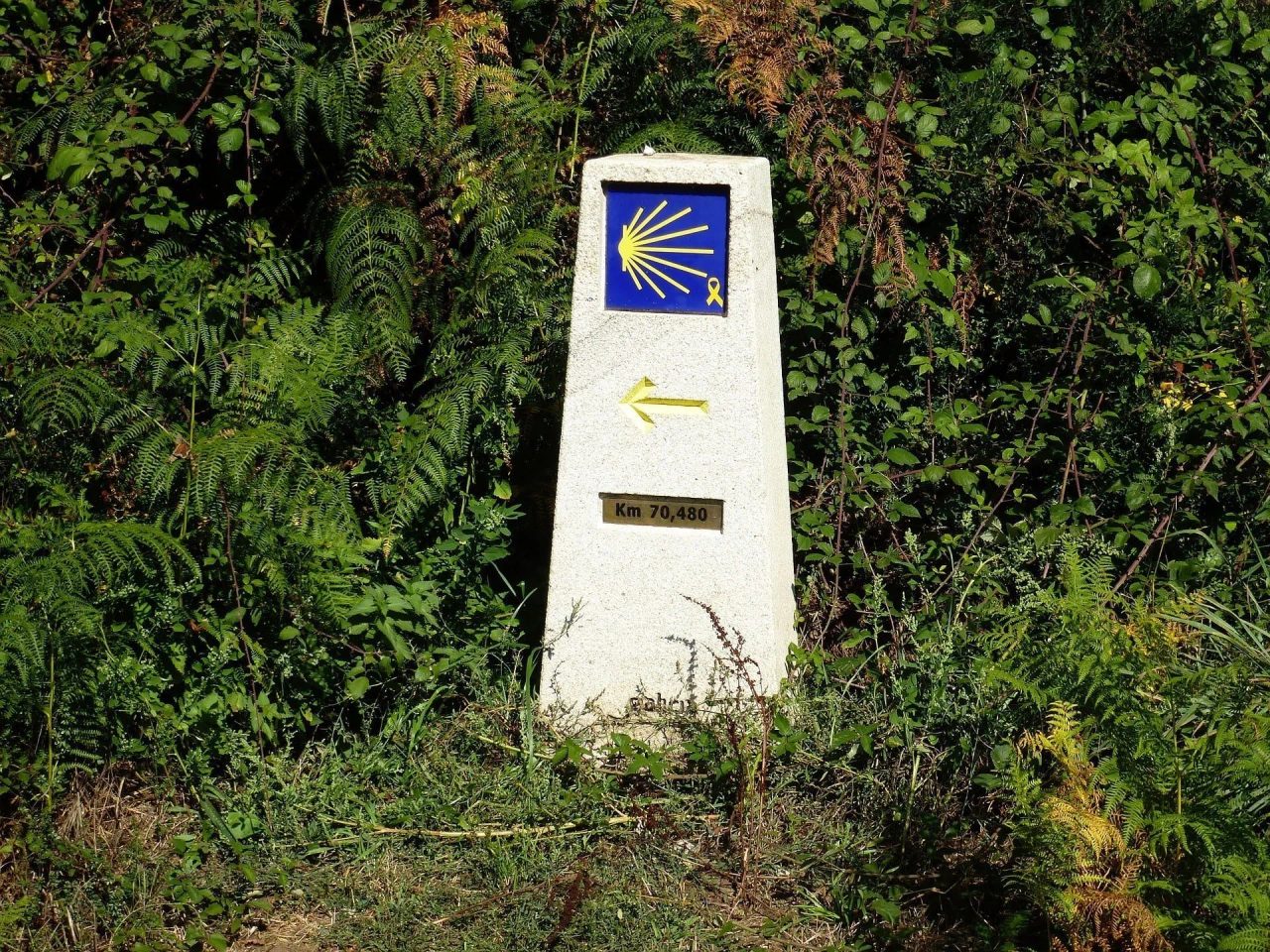 The most important symbol of the Camino de Santiago is the scallop shell
The History of the Camino de Santiago de Compostela
The Camino de Santiago de Compostela has a history spanning centuries. It originates from the story of a man who, according to religious belief, saw a star or light guiding him to the relics of Saint James the Greater, one of the apostles.
He then embarked on a long journey that eventually led him to the tomb of Saint James, known in Spanish as Santiago. “De Compostela” comes from the Latin campus stellae, referring to the origin of the pilgrimage guided by the star.
The first pilgrim was none other than King Alfonso II of Asturias, symbolizing his desire to unite the kingdom through this route, known as the Primitive Way.
Since then, thousands upon thousands of pilgrims have followed his footsteps, repeating the experience each year by walking sections or the entire route along the same itinerary.
As mentioned, it is no longer just a religious journey; many choose this path to find happiness, for example. Others do it to break the monotony and routine of daily life.
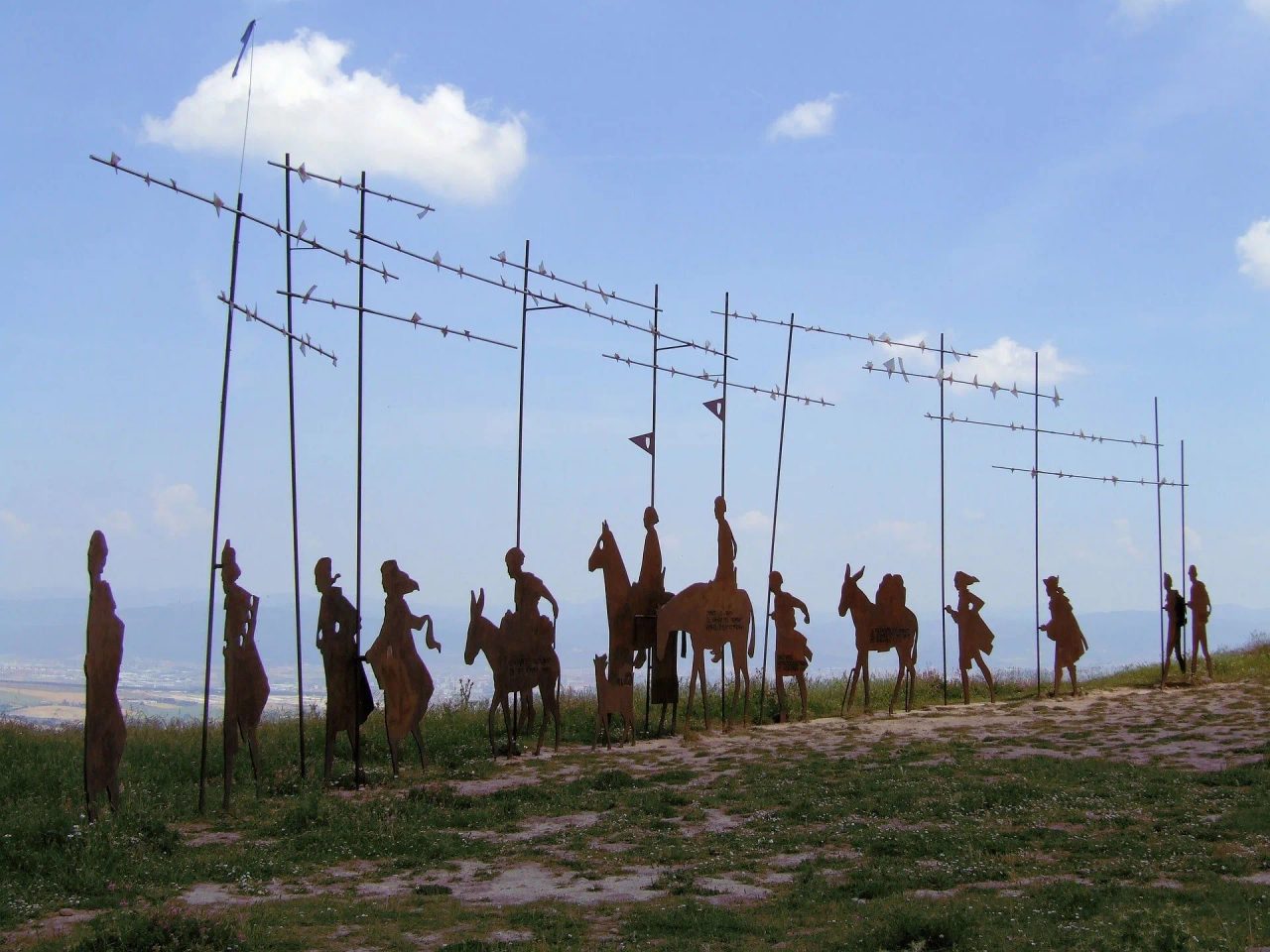 Monument to pilgrims along the route
How the Camino de Santiago Works
But let’s start at the beginning. The Camino de Santiago de Compostela can begin and follow more routes than you might think. There are in fact several paths to take, each with different lengths and stages.
Before starting, you need to decide which route you want to take and why. Below we look at the most traveled Camino de Santiago routes.
The French Way: The Most Famous Route
The quintessential route is the so-called French Way. It starts in Saint-Jean Pied de Port in the French Pyrenees, then passes through various Spanish regions until reaching Galicia. It’s an 800 km route often divided into about thirty stages, including Sarria, Portomarín, and Santiago de Barbadelo.
The reason the French Way is the most famous is probably because it’s the easiest and therefore suitable for everyone. The elevation change isn’t much, so it’s not more tiring than any other 800-kilometer walk.
The Alternative Route: The Northern Way
Different climate and altitudes characterize the Northern Way. This route is much more challenging, with ups and downs, starting from the Basque territory in Irún and passing through mountains overlooking the ocean.
Although more difficult for pilgrims who choose it, it offers breathtaking landscapes.
The Second Most Popular Route: The Portuguese Way
The Portuguese Way is a highly appreciated variant among pilgrims, being the second most traveled. About 760 km long, it starts in Ponte de Lima and reaches Santiago de Compostela along the coast.
It’s an interesting alternative because it’s less organized for tourism purposes, with fewer signs, and intersects with the pilgrimage to Fatima.
 How to Walk the Camino de Santiago: In a Group or Alone?
There are many reasons to undertake the Camino de Santiago in a group, and many others to do it alone. Depending on your personality, one option may seem more appealing than the other, but it’s not always the best choice.
To choose the option best suited to you, you need to be informed about the pros and cons. In the following paragraphs, you’ll find a list of the main advantages and disadvantages of each choice.
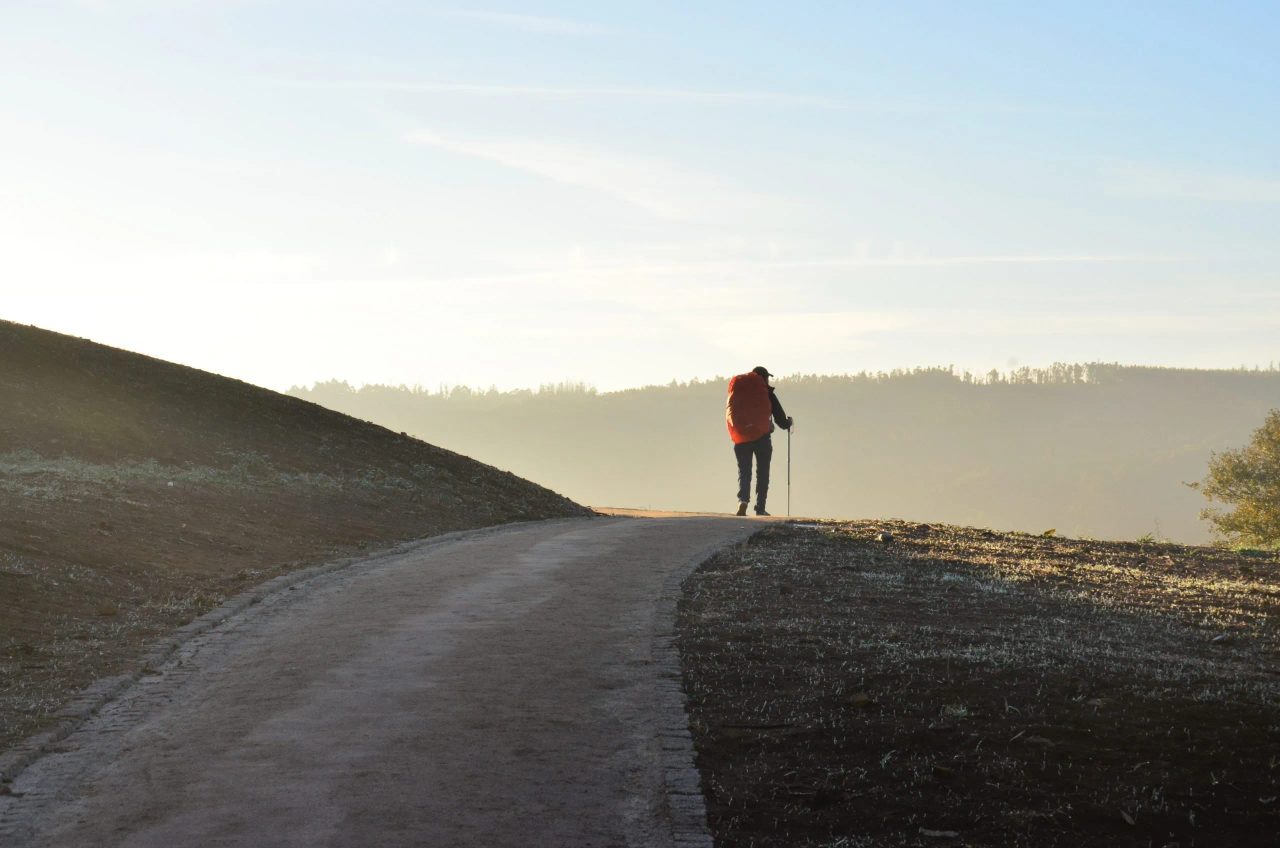 Walking the Camino de Santiago alone is challenging but very rewarding
Why Start the Camino de Santiago Alone
For some, it might be scary; for others, it sparks a sense of adventure. Walking the Camino de Santiago alone is definitely an experience that tests you both physically and mentally.
Among the pros is certainly the personal growth that develops during the journey. Also, when traveling alone, you don’t have to consider others’ needs or walking pace, which might differ from your own. Being alone can therefore offer greater peace during the experience.
However, there are many cons, especially for inexperienced pilgrims. When traveling alone, you need to be well organized and set a program and itinerary suited to your needs.
This kind of preparation can be difficult if you’ve never done the Camino before. You won’t know all the potential challenges or possible travel mishaps.
In case of difficulties on some stretches or emergencies of any kind, you’re completely alone, in a country where, moreover, another language is spoken.
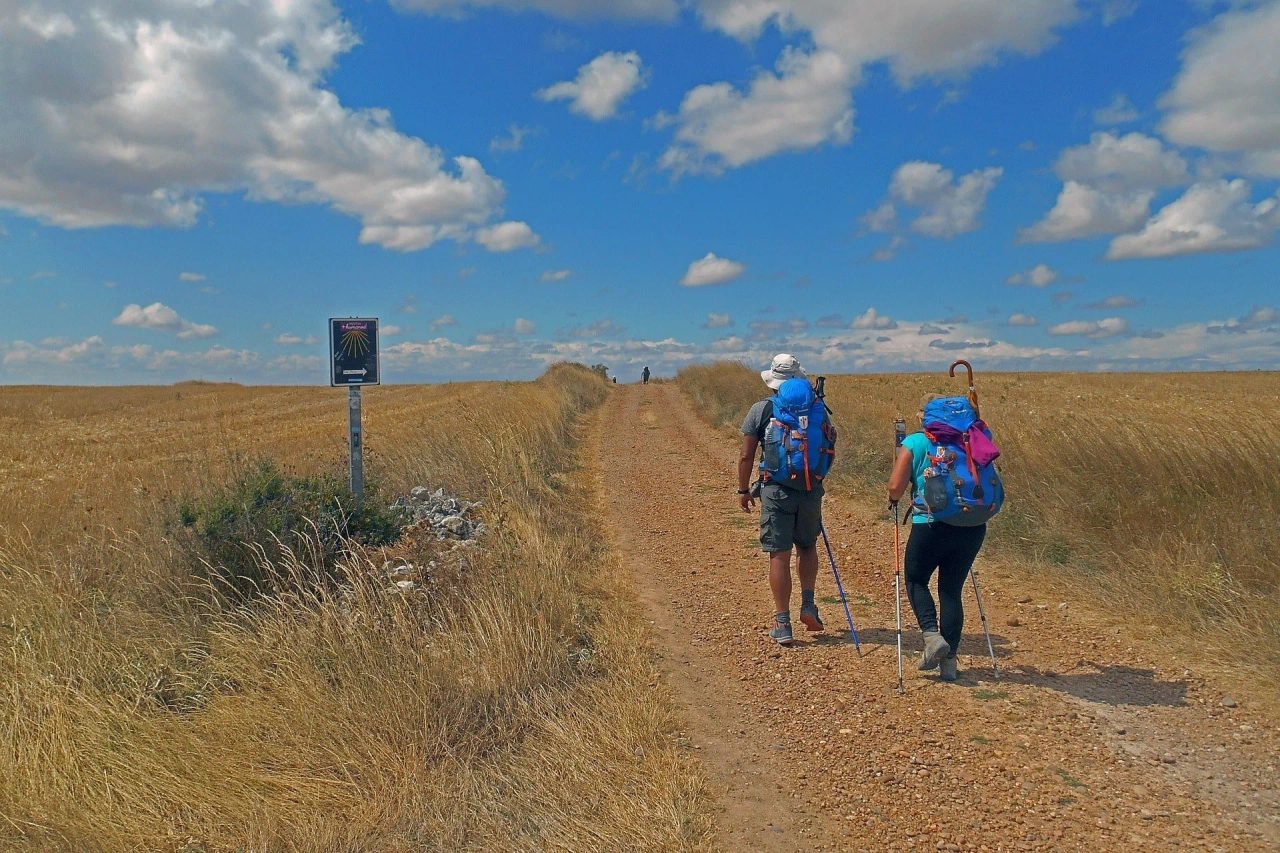 Walking the pilgrimage in a group means constant support and the chance to create or strengthen friendships
Why and How to Start in a Group
Much fewer worries add to the peace of the journey. Organized tours to walk the Camino de Santiago in a group are a way to fully enjoy this experience without any concerns.
Having a guide is a major advantage. This leader has already walked the Camino, knows how to avoid mishaps, and is full of curiosities and tips to make your experience truly wonderful.
They handle itinerary planning and sometimes even organize travel to the starting point, such as flights from Italy and transfers.
They can advise on what a pilgrim’s kit should include, letting you know what to pack, the ideal backpack weight, and what documents you might need.
In short, traveling in organized groups opens up many possibilities for a fantastic trip. In some cases, returning after a shared journey becomes animportant memory to cherish.
Of course, there are cons here too. For example, you’re less autonomous and must agree with others on any stops or even the pace of the walk. You also need to agree on the route from the start, often limiting your itinerary choices in favor of the French Way.
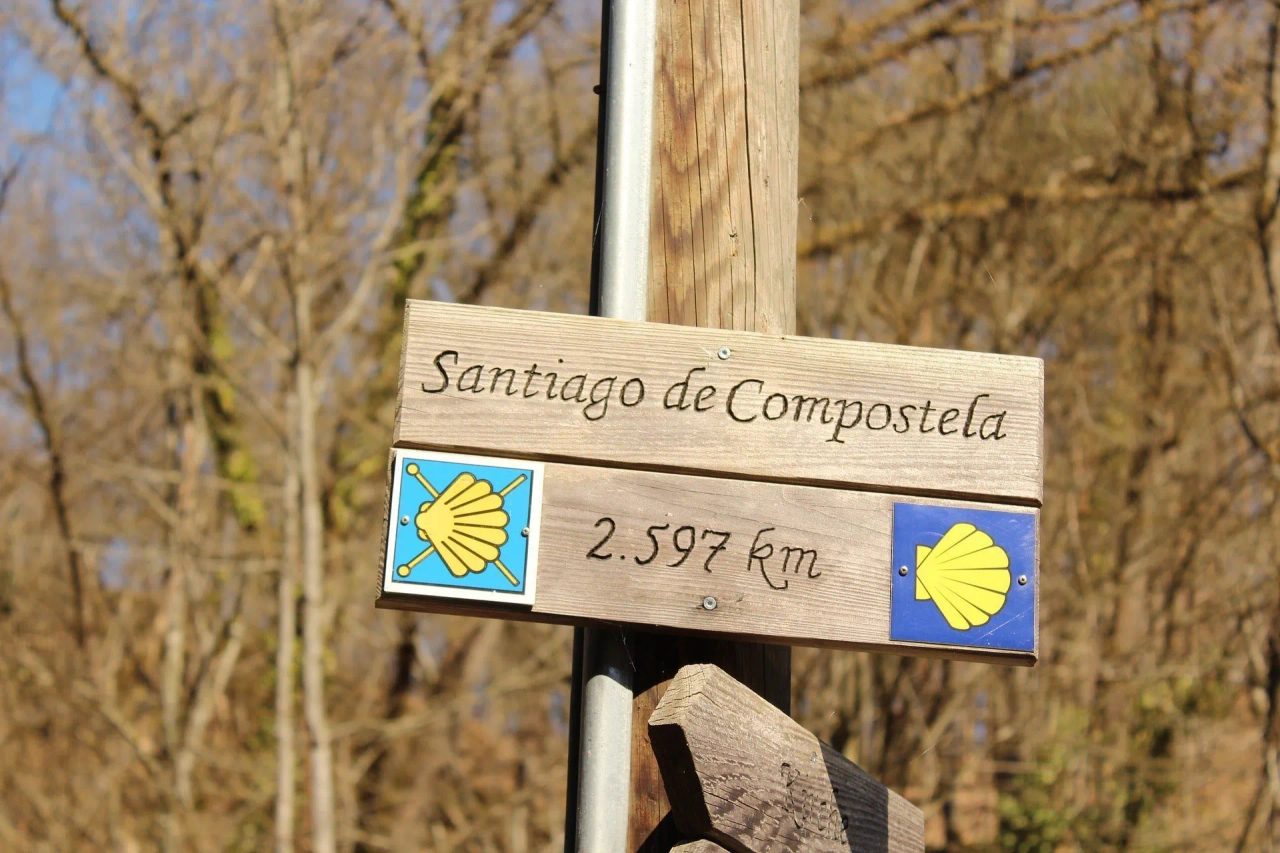 The Camino de Santiago requires a certain level of preparation; let’s see what it entails
Preparation for the Camino de Santiago
Whichever way you decide to travel, you need to be at least somewhat prepared. First of all, for costs: starting the Camino to Santiago involves expenses to consider, and sometimes booking certain services.
Examples include hostels or other accommodations during the trip, whether or not to include breakfast, the starting point, departure time, flights, route, nights at each stage, and where to sleep upon arrival.
Also, how much time you want to spend on the route, for example doing only one section, like those who choose 8 days and 7 nights. Not everyone has the time to spend so long on the path.
If you’ve never done this journey before, you’ll definitely need a reference for where to stay. For this reason, in organized groups, these logistical (and other) details are clarified from the start, such as in the Camino preparation programs offered by Meeters.
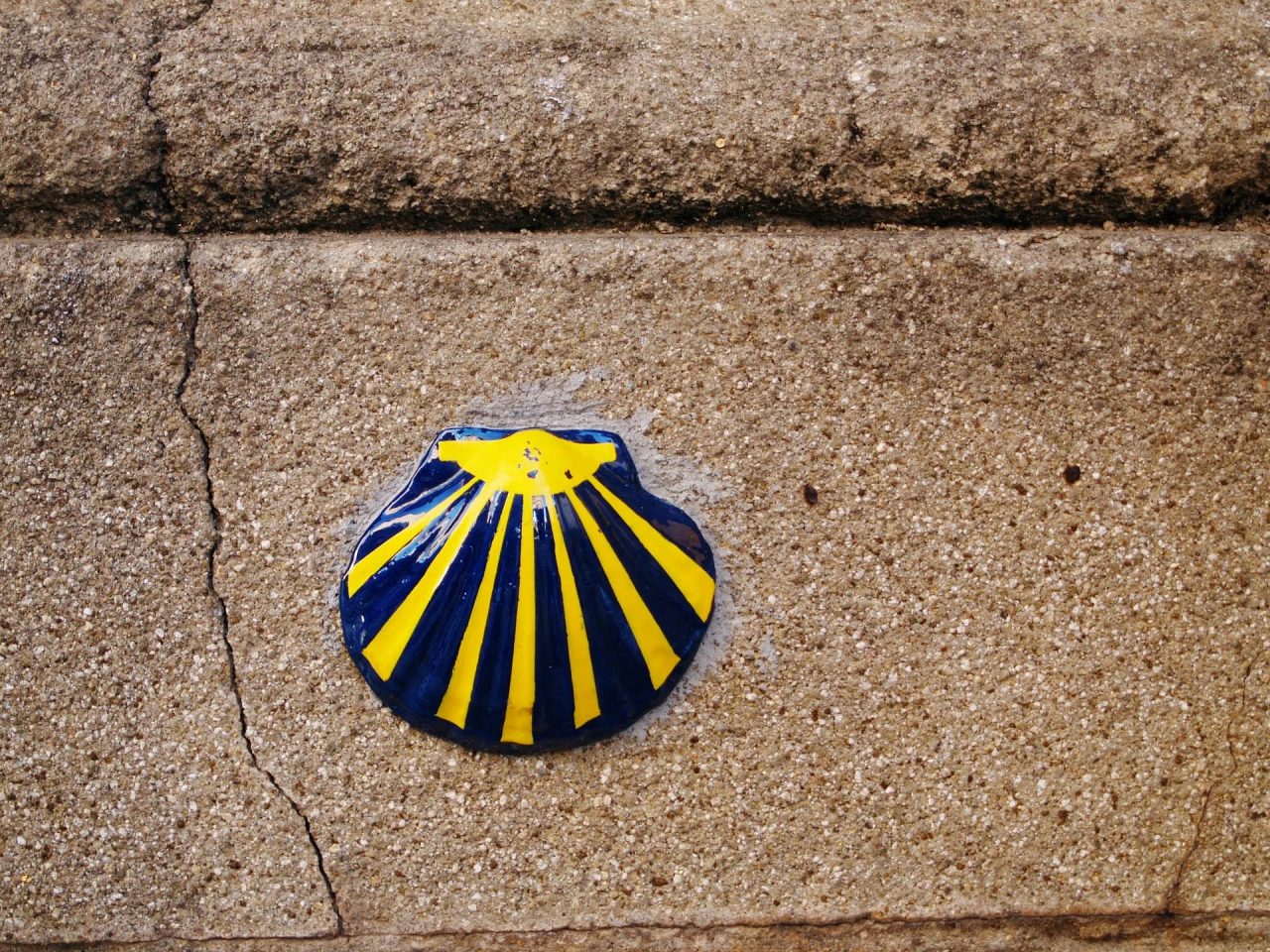 The route is very well marked, as you will see
Organized Trips to Santiago de Compostela
Meeters organizes various types of trips, from major ones like the Camino de Santiago to weekend getaways.
The unique feature is that for every option you choose, there’s not only a well-organized tour with a guide but also a group of people eager to make new friendships that could change your life.
Setting off for Santiago, then, becomes not only a way to be happier with yourself but also to forge and strengthen important new relationships during the days of walking.