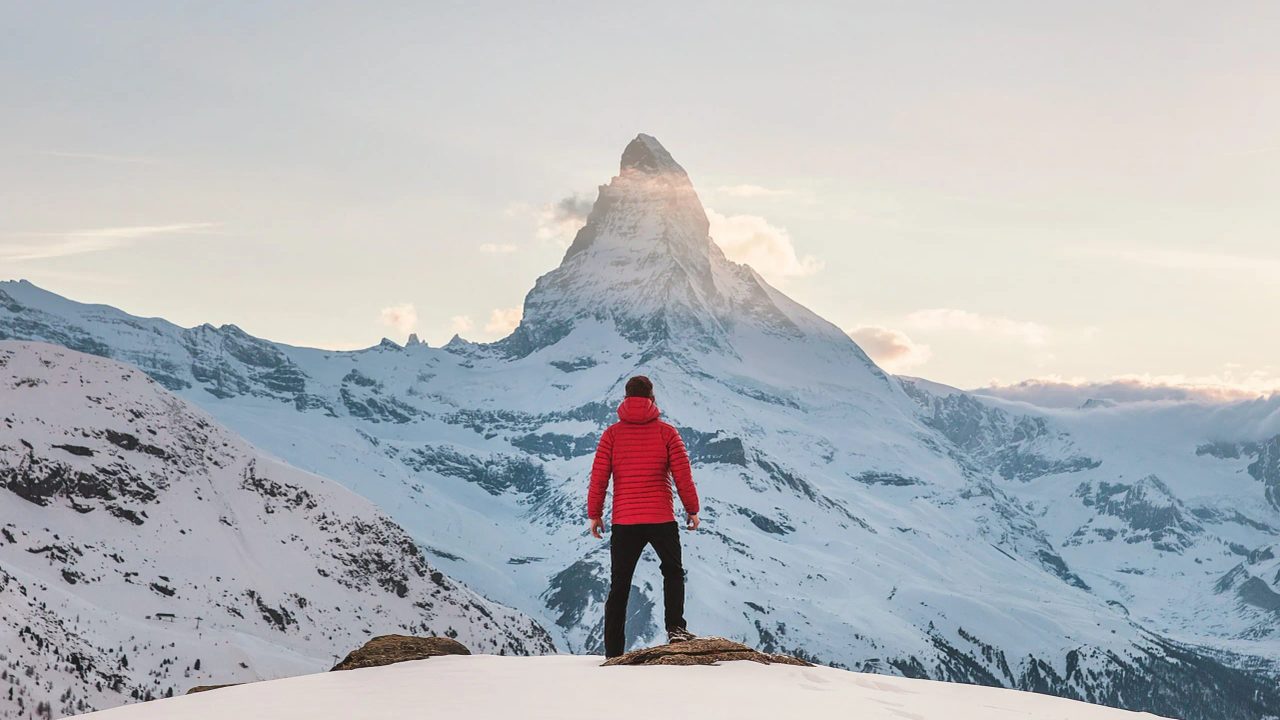
Ah, what could be more beautiful than the mountains in winter? Vast snowy panoramas, fresh and pure air, sky and earth blending together, warm and cozy cabins, snow-covered fir trees and calm and peace everywhere! Just the thought of being immersed in a fairytale-like mountain atmosphere is enough to get us up from our chairs and book the next weekend getaway immediately. But then come the less pleasant questions: what to pack? Will it really be that cold? What are the best clothes to stay warm during hikes? Don’t panic, before you leave take a look at our tips on how to dress in the mountains in winter!
There is only one rule for facing the mountains in winter: dress in layers

The mistake many first-time travelers and hikers make is thinking that to protect themselves from the cold, just wearing a thick, warm jacket is enough. The basic idea isn’t wrong, a good jacket really makes a difference in the mountains, but it’s not the only garment to choose carefully. So how to dress for the mountains in winter?
There is only one rule to follow in the mountains: dress in layers, that is, in onion layers. When preparing, you should wear multiple layers of thermal clothing, so you can manage, control, and maintain your body temperature optimally. The jacket, the outermost layer, is important, but not the most important. The layer to pay special attention to is the innermost one, directly in contact with bare skin, which should be protected with thermal underwear, as we will see in more detail later.
Layering is very convenient because it allows us to remove or add layers depending on how we feel. However, dressing in layers becomes useless if, for example, when you feel warm you don’t immediately remove a layer but continue to sweat and wear damp clothes all day. This completely negates the function of thermal clothing! That’s why it’s essential to remove a layer as soon as you feel warm and add one as soon as you feel cold.
A clever tip to keep in mind before a hike is to start with one layer less than what keeps you warm. This way you avoid sweating immediately when you start walking and your body begins to warm up!

How to Dress for the Mountains in Winter: The Best Clothing
Filling your suitcase with all the sweaters inherited from your grandparents won’t guarantee you stay warm. Empty it of all the unnecessary things you stuffed in and do things properly. You don’t need ten layers; two or three are enough to stay comfortably warm. Let’s see specifically what you’ll need.
- Thermal underwear. Don’t worry, you don’t need to get fleece-lined underwear! Thermal underwear means a two-piece set, consisting of a long-sleeve shirt and long leggings to wear as the first layer in contact with your skin. This type of underwear comes in many fabrics, but wool ones are undoubtedly the best. However, if you plan to hike or do physical activity, it’s better to choose a set made of technical fabric, which won’t make you sweat unnecessarily, will regulate your body temperature, and keep you comfortable and at ease.
- Sweatshirt or sweater. If you only plan romantic walks or food tastings , good old thick sweatshirts and wool sweaters will be more than enough to keep you warm without overdoing it., good old thick sweatshirts and wool sweaters will be more than enough to keep you warm, with no need to overdo it.
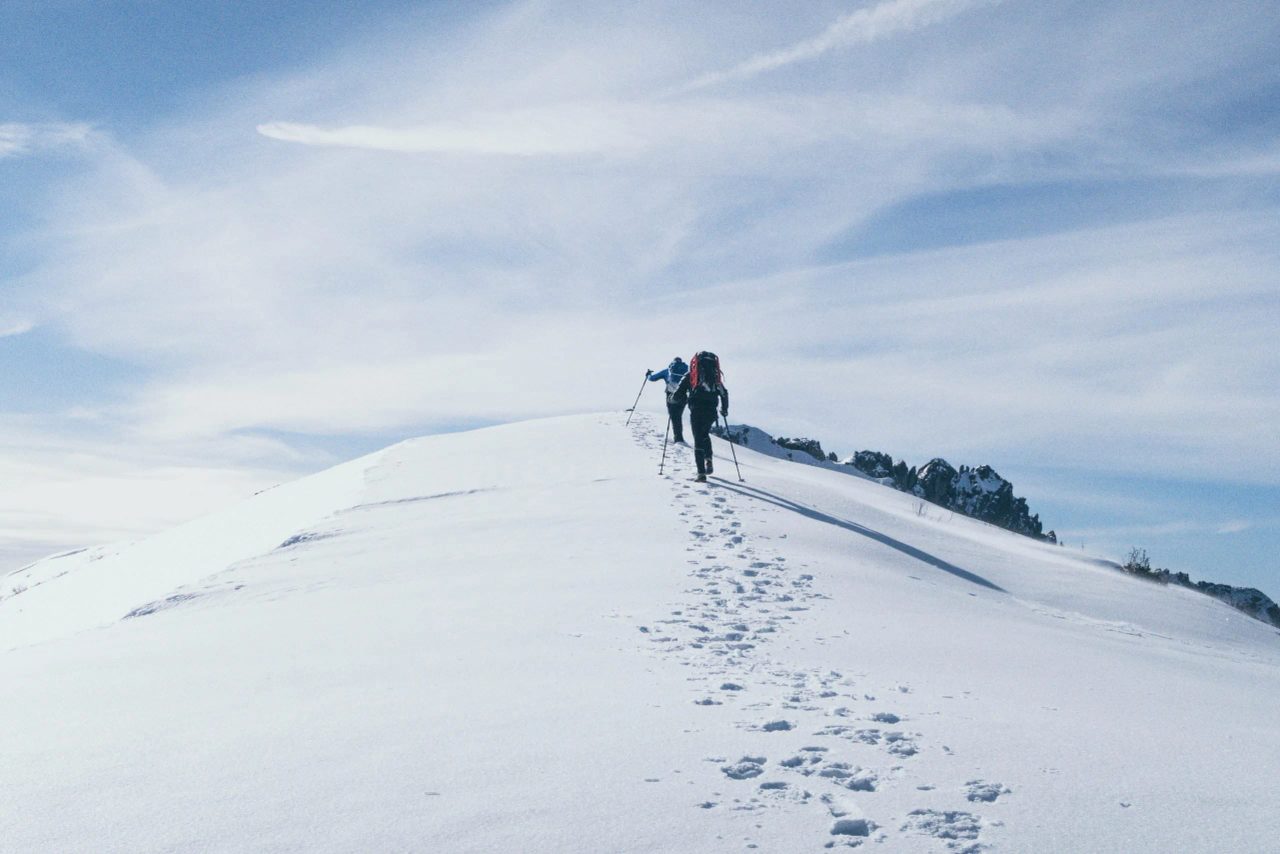
- A lightweight fleece and a heavy fleece. For hiking, however, sweatshirts and sweaters are not suitable at all. You’ll need to rely on two different fleece layers. Immediately above the thermal underwear, you should wear a lightweight fleece or microfleece, which dries quickly and wicks moisture to the outside. On top of this, a heavier fleece that will keep you warm without losing heat. This layer can be removed or put back on during physical activity depending on how you feel.
- Pants. Again, if you only plan to relax, classic jeans may suffice, but if you’re going to be active, forget them! The best pants for facing the mountains in winter have two layers: an inner padded layer, usually fleece, and an outer windproof, water-repellent, or waterproof layer. Waterproof pants are preferable for skiing or mountaineering, where you may have prolonged contact with snow or ice. They prevent water from penetrating but are not breathable. That’s why for a simple hike, water-repellent pants that shed water and are more breathable are better.
- Down Jacket: Synthetic or Feather? The down jacket is the outermost layer, the shell that will keep you warm at all times. But which is best? Certainly, for sports activities, synthetic is preferable, since feathers absorb external and body moisture, while synthetic better regulates heat loss. A tip is to wear the down jacket only when you feel cold, to avoid sweating and wetting the lower layers.
- Socks. The same applies to socks as to thermal underwear: wool is preferred for everyday activities, technical fabric for sports.
Essential Accessories
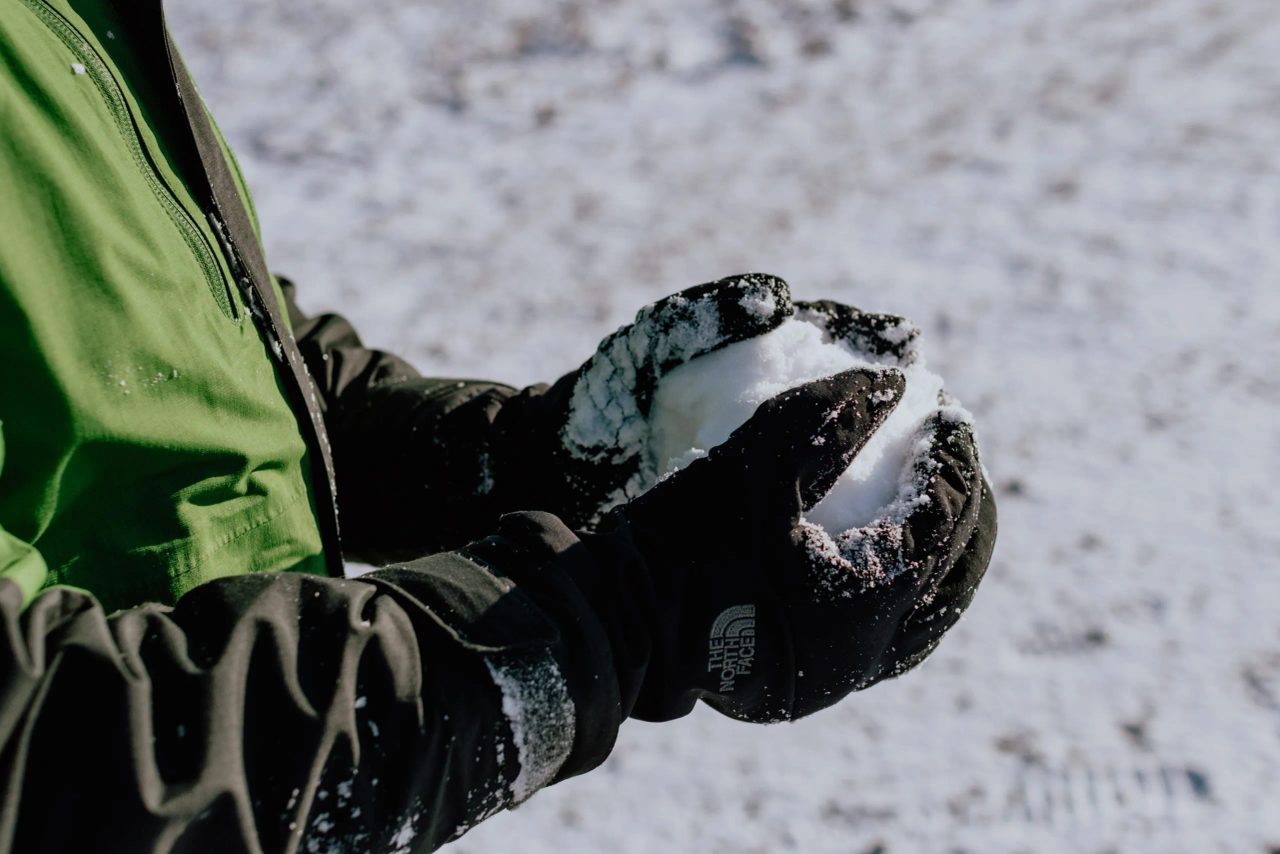
Think you’re done? Do you believe your hands won’t beg for mercy after yet another souvenir photo? There are still several essential accessories to pack!
- Gloves. Gloves are absolutely not to be forgotten, as hands are a very delicate extremity that needs protection. By now you understand, simple city wool gloves may suffice for everyday use, but for hiking, it’s better to bring two pairs. A lighter pair to wear during walks, preferably waterproof if you’re climbing. And a heavier pair to protect you when standing still or to change into if the first pair gets wet.
- Hat. The classic wool beanie is the best choice here to keep you warm at all times. The head is the part of the body where the most heat loss occurs, so never forget to wear a hat when stationary. During physical activity, wear a lighter, breathable cap.
- Scarf or Neck Warmer. The choice between one or the other, as well as between wool and fleece, always depends on the activities you’ll be doing. The neck warmer is definitely more comfortable and less bothersome for sports , and fleece will keep you warmer.
- Boots. Not all shoes are the same, so don’t even think about packing the simple trekking boots you use in spring or the ankle boots you wear in the city. The best investment you can make is buying a pair of technical boots. The best ones that suit every activity are definitely waterproof Gore-Tex boots, with a sculpted sole, preferably high to protect your ankles as well.
Now that your suitcase is ready, you can leave and have fun, feeling safe and above all warm! If you still don’t know where to go or what sport to practice, take a look at the hikes and sports activities we organize.