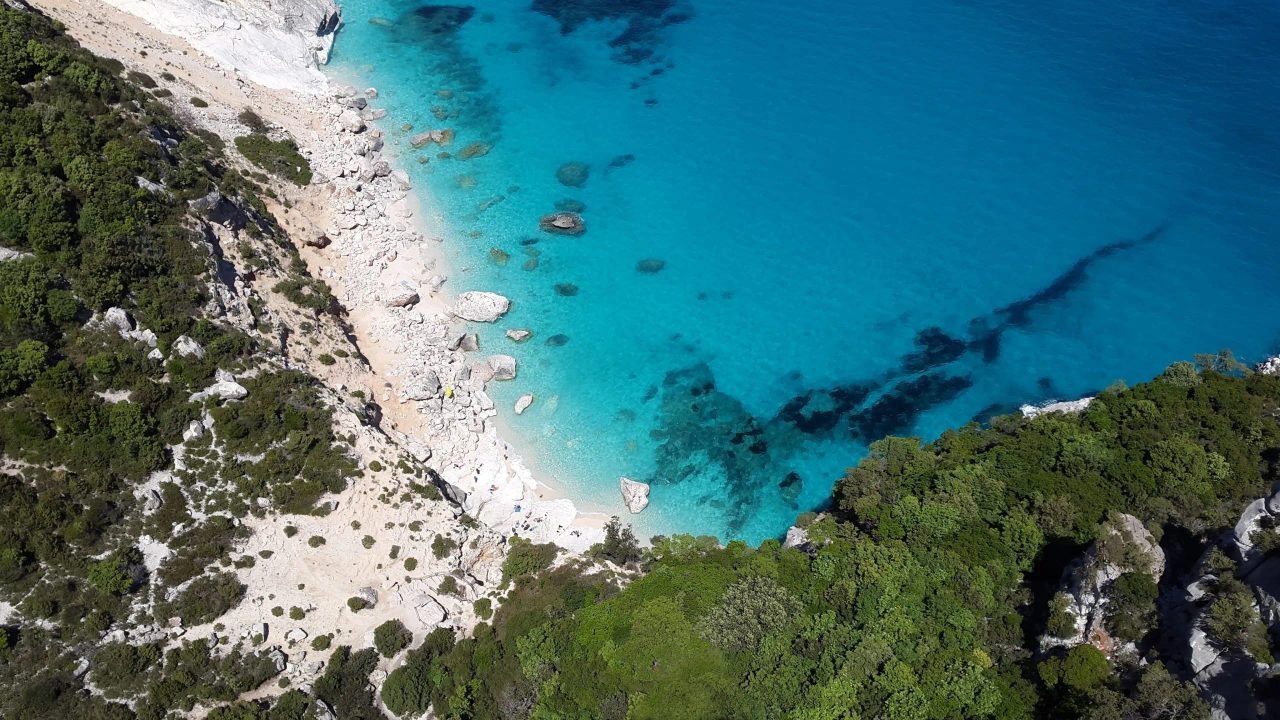
Welcome to this fascinating journey into the heart of Calabria, where past and present intertwine in a unique experience exploring Magna Graecia. This picturesque corner of southern Italy hides ancient and modern treasures that will captivate every adventurous traveler. In this article, we will explore the secrets of Magna Graecia in Calabria, from ancient ruins to contemporary pleasures.
Introduction to Magna Graecia
Magna Graecia represents a fascinating historical region located in ancient southern Italy, characterized by the influence and presence of Greek culture. This region included a series of Greek city-states that settled along the coasts of present-day Calabria and Sicily, as well as parts of Campania, Basilicata, and Apulia.
The term “Magna Graecia” comes from Latin and means “Great Greece,” highlighting the significant presence and influence of Greek settlers in this area. These settlers, attracted by commercial opportunities and the region’s natural resources, founded numerous coastal cities between the 8th and 6th centuries BC. These cities were often autonomous and self-governed, with strong ties to their Greek mainland counterparts.
Among the most important cities of Magna Graecia were Syracuse, Taranto, Crotone, and Reggio Calabria. Each of these cities had its own culture, political institutions, and distinct contributions to Greek philosophy, art, and science. For example, Syracuse stood out for its naval and military power, while Taranto was a center of commerce and culture.
Magna Graecia became a crossroads of cultural influences, blending Greek traditions with indigenous Italic cultures. This cultural exchange led to the creation of new artistic, architectural, and linguistic forms unique to the region. Among the testimonies of this cultural fusion are the splendid Greek temples, which reflected both Greek aesthetics and local elements.
However, Magna Graecia was not immune to political and military challenges. Over the centuries, these city-states faced invasions by Italic peoples, internal conflicts, and the expansion of the Roman Republic. Eventually, many of these cities came under Roman control, marking the end of Magna Graecia’s golden age.
Despite this, the legacy of Magna Graecia has survived through cultural and artistic influences that have left a lasting imprint on the region and beyond. Magna Graecia continues to represent an important chapter in the history of the entire Mediterranean area, testifying to the transformative power of culture and human interaction.
Shining Greek Ruins
The ancient Greek ruins are tangible evidence of the Greeks’ influence and artistry in the region. Crotone, one of the most renowned cities, offers the Temple of Hera Lacinia and the Pythagoras Theatre, two sites that transport visitors back in time.
The Temple of Hera Lacinia
This imposing temple was dedicated to Hera, queen of the gods. Its majestic columns and architectural details showcase the elegance of ancient Greek design.
The Pythagoras Theatre
Known for its extraordinary acoustics, the Pythagoras Theatre was a place where theatrical and musical performances could be enjoyed in antiquity.
Calabrian Culinary Delights
Calabria is famous for its rustic and authentic cuisine. Traditional dishes offer a burst of Mediterranean flavors that will delight the most discerning palates.
Calabrian Chili Pepper
The spicy chili pepper is an essential part of Calabrian cuisine, adding a lively touch to many dishes. It is a testament to the cultural influences that have shaped this region.
Local Products
From olives to oranges, Calabria produces some of the best ingredients in the Mediterranean. Local products form the basis of many traditional and modern dishes.
Coastal Explorations
The idyllic beaches and hidden coves make Calabria a paradise for sea lovers. Long walks on golden sands and swims in crystal-clear waters are unmissable experiences.
Tropea Beach
Tropea Beach is famous for its panoramic cliffs and turquoise waters. It is an ideal place to relax and admire the beauty of the landscape.
Coast of the Gods
This enchanted coast is dotted with hidden beaches and sea caves. An excursion along the Coast of the Gods offers breathtaking views and pristine adventures.
Encounters with Local Culture
Interacting with the local population is an extraordinary way to immerse yourself in the authentic atmosphere of Calabria. Calabrians are known for their warm hospitality and pride in their heritage.
Traditional Festivals
Participating in local festivals is an opportunity to experience Calabrian culture and traditions. The lively celebrations and religious processions are engaging experiences.
Local Handicrafts
Traditional crafts, such as hand-painted ceramics and fine textiles, reveal the region’s artisanal mastery. Purchasing handcrafted products is a way to bring home an authentic piece of Calabria.
Magna Graecia in Calabria offers a unique journey through time and culture. From the remains of ancient Greek temples to contemporary culinary delights, this region fascinates with its diversity and authenticity.
Frequently Asked Questions
What is the best time to visit Magna Graecia in Calabria?
The best time is between spring and autumn, when the climate is mild and pleasant.
Are there guided tours of the Greek ruins?
Yes, many agencies offer guided tours that delve into the history and significance of the ruins.
What are some traditional Calabrian dishes to try?
Traditional dishes include ’nduja, Calabrian-style pasta, and caponata.
Can I hike in the Calabrian hinterland?
Certainly, the hinterland offers breathtaking landscapes and picturesque villages to explore.
How can I reach Calabria?
You can reach Calabria by plane, train, or car, depending on your preference and location.