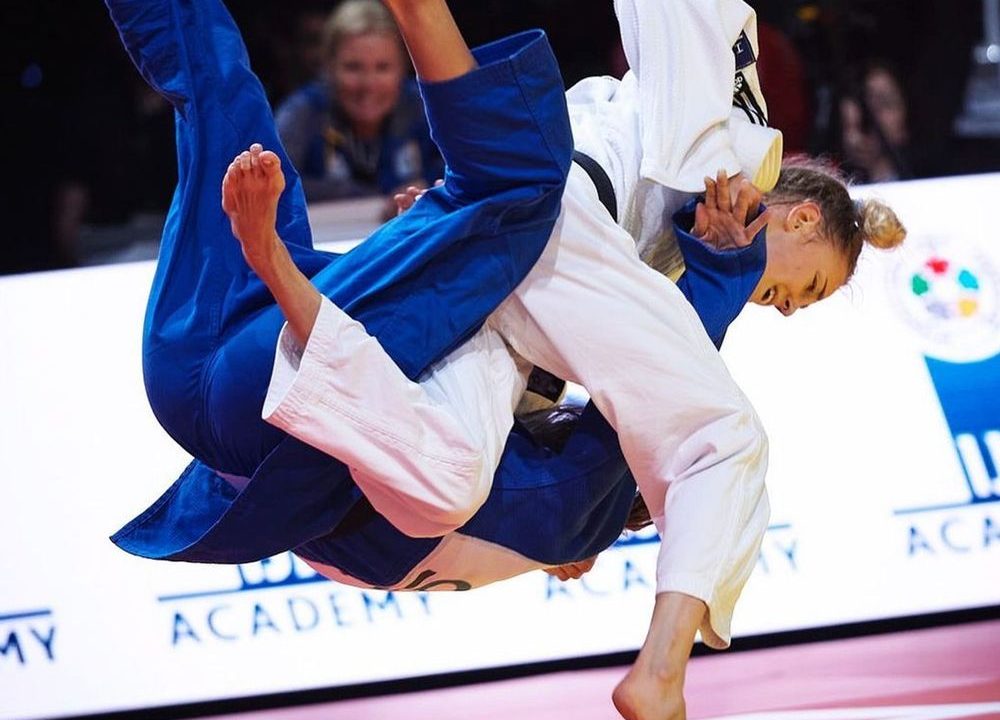
The judogi, better known as the judo kimono, is not just a sports uniform: it is a symbol of respect and tradition in judo. The main colors of the judogi, white and bluehave historical and practical roots worth exploring to better understand this sport.
History of the Judogi: White as a Symbol of Purity
Judo, founded by Jigoro Kano in 1882, was created as a discipline focused on respect, discipline, and self-control. For these values, Jigoro Kano chose white as the color of the uniform because:
- It symbolizes the purity of the practitioner's soul and intentions.
- It reflects simplicity and humility, fundamental qualities of a judoka.
- It is a neutral color that does not highlight any individual over another.
Moreover, white was a traditional color for uniforms in Japanese budo arts, such as karate and kendo, contributing to the consistency and respect of the martial culture.
The Introduction of Blue: A Necessity in Modern Competitions
While white has always symbolized tradition, blue was introduced for purely practical reasons. In 1997, the IJF (International Judo Federation) approved the blue judogi to improve the visual experience during competitions.
- Immediate Differentiation: During matches, distinguishing the two athletes becomes easier, especially for spectators and referees.
- Television Coverage: With the advent of live TV broadcasts, white-on-white caused visibility issues. Blue solved this problem, making techniques clearer to follow.
- Official Regulations: In international competitions, one athlete wears the white judogi and the other the blue, chosen by draw or referee assignment.
This color distinction has made judo matches more spectacular and accessible to a global audience.
Characteristics of a Good Judogi
Regardless of color, a good judo kimono must meet specific criteria:
- Durable Material: The fabric is heavy cotton (450-950 g/m²), ideal for withstanding pulls and grips during fights.
- Perfect Fit: The judogi must allow freedom of movement without being too loose or tight.
- Competition Standards: For official matches, the judogi must comply with IJF specifications, including sleeve length, weight, and design.
Whether for daily training or competition, it is essential to choose a Judo Kimono “judogi” that is certified and of high quality.
White or Blue: Which to Choose?
The choice between white and blue depends on the use:
- Training: White is the traditional color and remains the most common choice in dojos.
- Competition: It is mandatory to have both colors to participate in official IJF tournaments.
- Personal Preference: Many athletes also choose blue for training, appreciating its aesthetic and practical aspects.
Curiosities: The Judogi in Judo Culture
The judogi is not just clothing: it represents respect for the martial art and the opponent. Before each match, judoka perform the rei, the traditional bow, a gesture of humility and gratitude.
The color, fit, and cleanliness of the judogi reflect the practitioner's attitude towards judo: discipline, order, and dedication.
Conclusion
Choosing a judo kimono is much more than an aesthetic matter. White represents the tradition and purity of judo, while blue stands for modernity and practicality in competitions. Whether you are a beginner or an experienced athlete, investing in a high-quality judogi is essential to fully enjoy this sport..