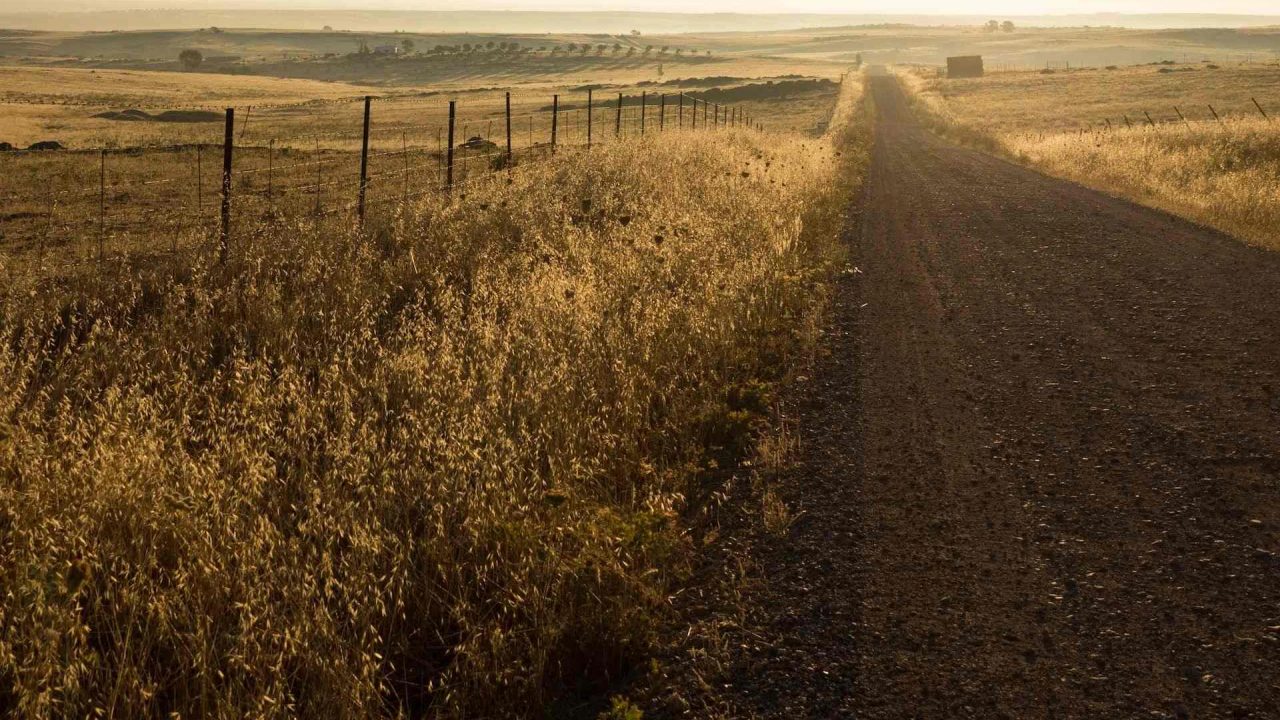
When we talk about Southern Spain we usually refer to that part of the Iberian Peninsula that lies south of Madrid, with particular attention to the autonomous communities (the entities parallel to our regions) of Andalusia, Murcia, and Extremadura.
In recent years, more and more tourism spotlight has been focused on this beautiful part of Europe, and the reasons are clear: this part of Spain is incredibly beautiful for both its natural and historical significance.
We at Meeters have considerable experience in recommending the most beautiful places in the world and in enhancing everyone's free time through travel, tourism, and group activities. Making new friends is a practice of fundamental importance to us, and being able to do so in places of outstanding natural beauty is one of life's great joys for those who embrace it.
Let's discover all the most important information about a part of Spain that is gradually making its way onto the front pages of industry magazines: from the Costa del Sol to the history of Pablo Picasso, through a culturally significant itinerary.
What Makes Up Southern Spain?
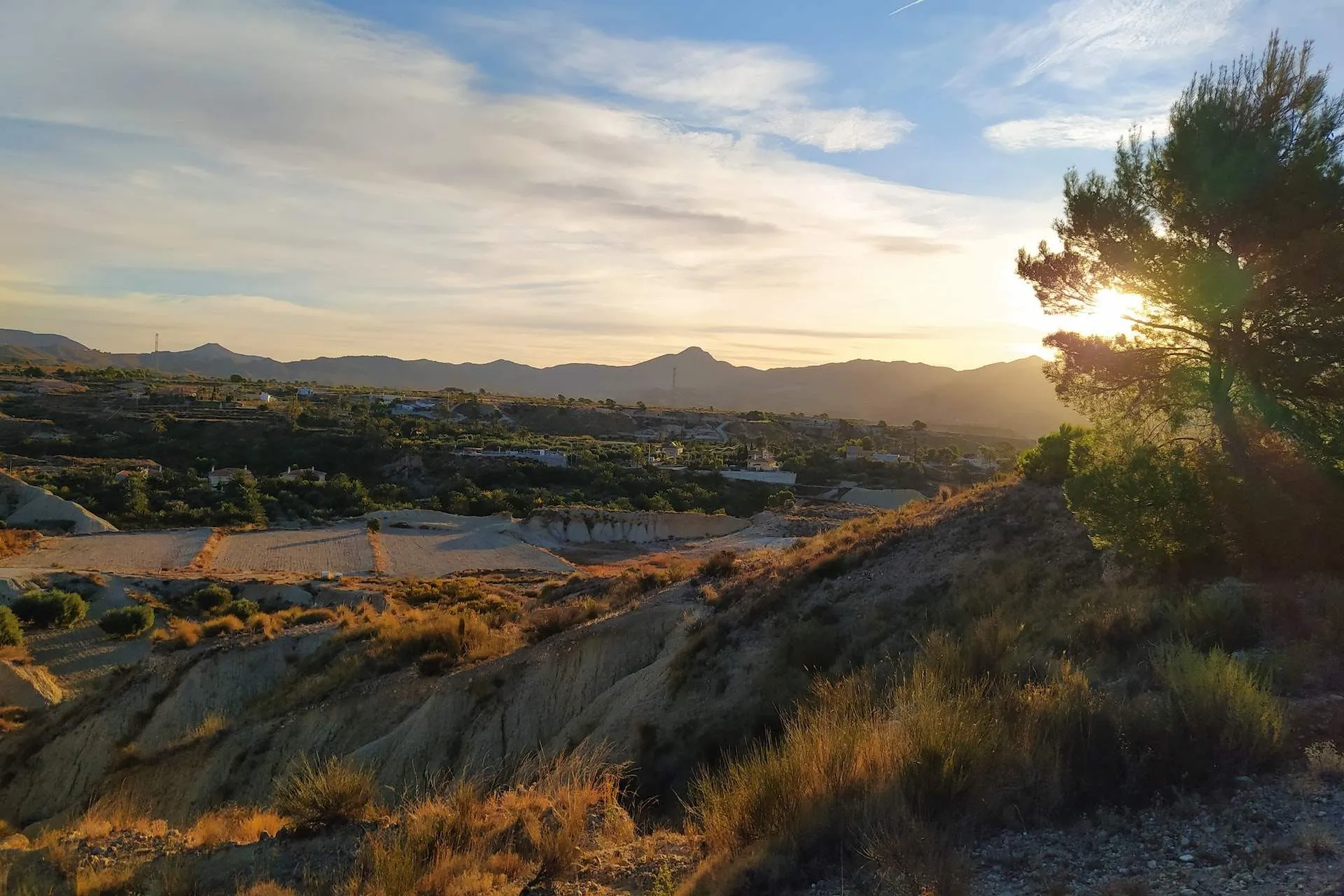
As mentioned above, Southern Spain is a part of the country characterized by a warm and sunny climate, with mild winters and dry, pleasant summers. Its coast is of great tourist importance, long and varied, alternating sandy beaches with rocky coves.
[activecampaign form=22 css=1]
The three regions that make up this part of Spain are quite different from each other.
Andalusia
Andalusia is the largest autonomous community in the southern part of the country and is home to several of the most important historic cities such as Granada, Seville, and Cordoba.
Andalusia also contains some of the country's most important monuments, such as the Alhambra, the Mezquita-Catedral palace, and the Palace of the Catholic Monarchs.
Worldwide, Andalusia is famous for a cultural product of enormous importance, namely Flamenco, a traditional form of dance and music rooted deeply in the region.
Murcia
Murcia is one of Spain's main coastal regions, located southeast of Andalusia.
The autonomous community of Murcia is universally known for its production of vegetables and fruits and for having some of the most interesting tourist destinations in the country. Places like the city of Murcia itself or the Costa Cálida attract hundreds of thousands of tourists annually.
Also noteworthy is the Tablas de Daimiel National Park, an area of international importance for biodiversity conservation due to its particular humidity levels, flora, and fauna.
Extremadura
Among the lesser-known Spanish communities, Extremadura is truly unique. The region lies west of Andalusia, bordering Portugal.
Extremadura boasts an impressive medieval history reflected today in a vast number of castles and beautiful villages.
It also features bucolic and rural landscapes, including cultivated fields, olive groves, and vineyards. The local gastronomy is among the most interesting in the country, with many wines famous worldwide.
The region also hosts important historic cities such as Cáceres and Trujillo, where the architectural and cultural heritage remains perfectly intact.
Must-See Cities in Southern Spain
Let's discover together the cities you must visit to truly experience the beauty and towns of this part of Spain.
Antequera
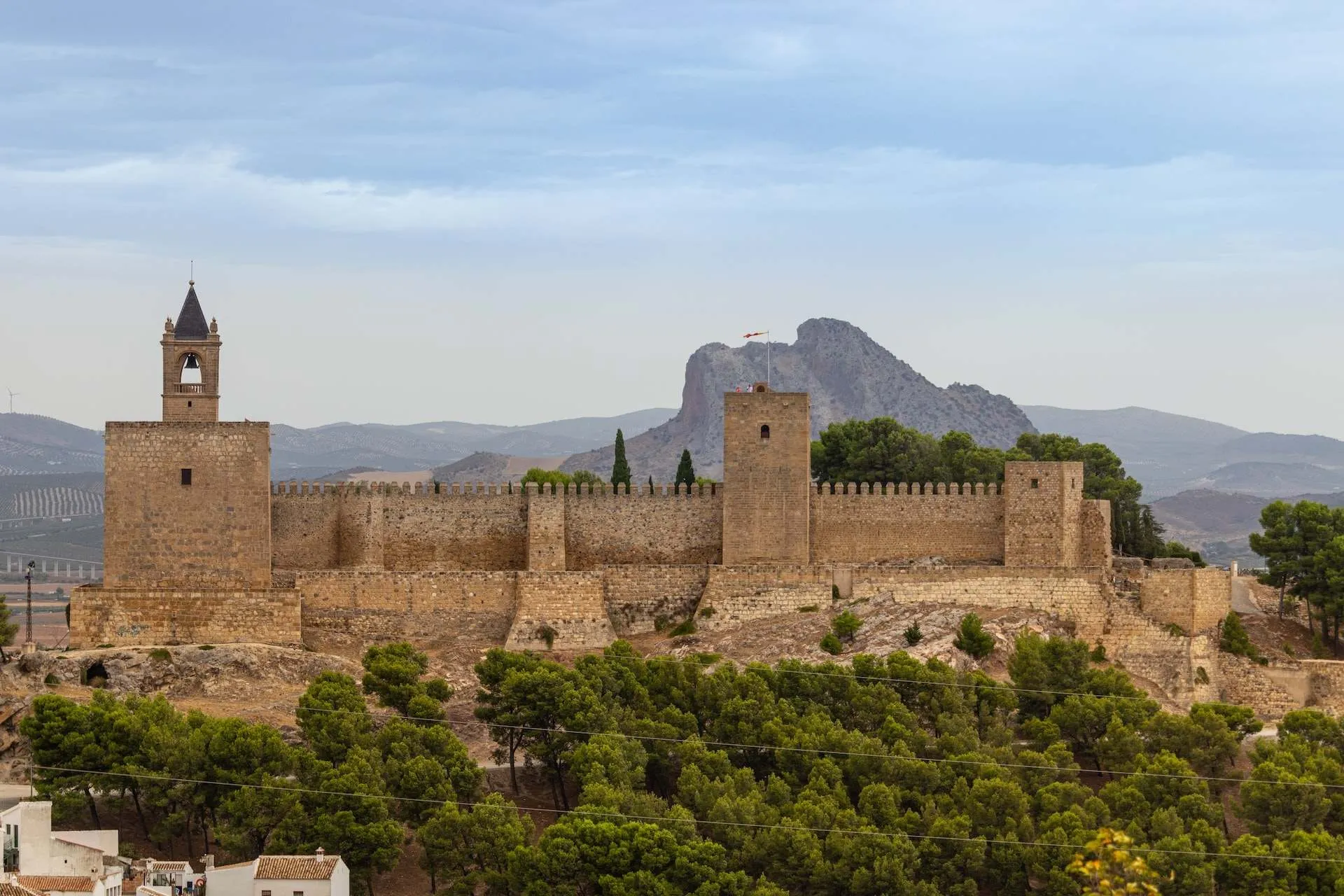
Antequera is not a particularly well-known name when it comes to the most touristy southern Spain, but it is undoubtedly one of the cities that most deserves the interest of European tourists. The city lies along the Caminito del Rey route and is close to larger cities like Malaga, Granada, Seville, and Cordoba.

The city's main monument is undoubtedly the Alcazaba, a palace combined with a Moorish fortress built during the 11th century. The palace walls feature numerous towers that rise toward the horizon and represent an incredible gem to visit (by reservation). Other interesting places to visit include the Royal Collegiate Church of Santa Maria la Mayor and the Antequera Dolmens, an archaeological site that is a UNESCO World Heritage site.
Ecija
The city of Ecija lies along the Genil River and is also known as the City of the Sun or City of Towers. The city is really hot in summer, making it a perfect destination for a winter itinerary.
Ecija is an open-air museum that, among convents, palaces, and churches, offers many opportunities for tourists; the influence of Baroque architecture is strongly felt throughout the many buildings. There are also mansion-houses, hybrids between noble palaces and more 'humble' homes that preserve much of the local architectural beauty.
The Palace of Justice is very interesting and shares several architectural details with the more famous Alhambra of Granada (both buildings follow the Neo-Mudéjar style, by the way).
Cordoba
About 100 kilometers north of Seville lies the splendid city of Cordoba, one of the most important cities of both the Roman and Arab empires and today a rather renowned tourist destination.
The reasons are clear: Cordoba's cultural heritage includes several internationally important historic buildings. The most famous is undoubtedly the Mosque-Cathedral of Cordoba, one of the largest Islamic buildings in all of Europe.
Beyond Cities: Natural Parks and Wonders of Nature
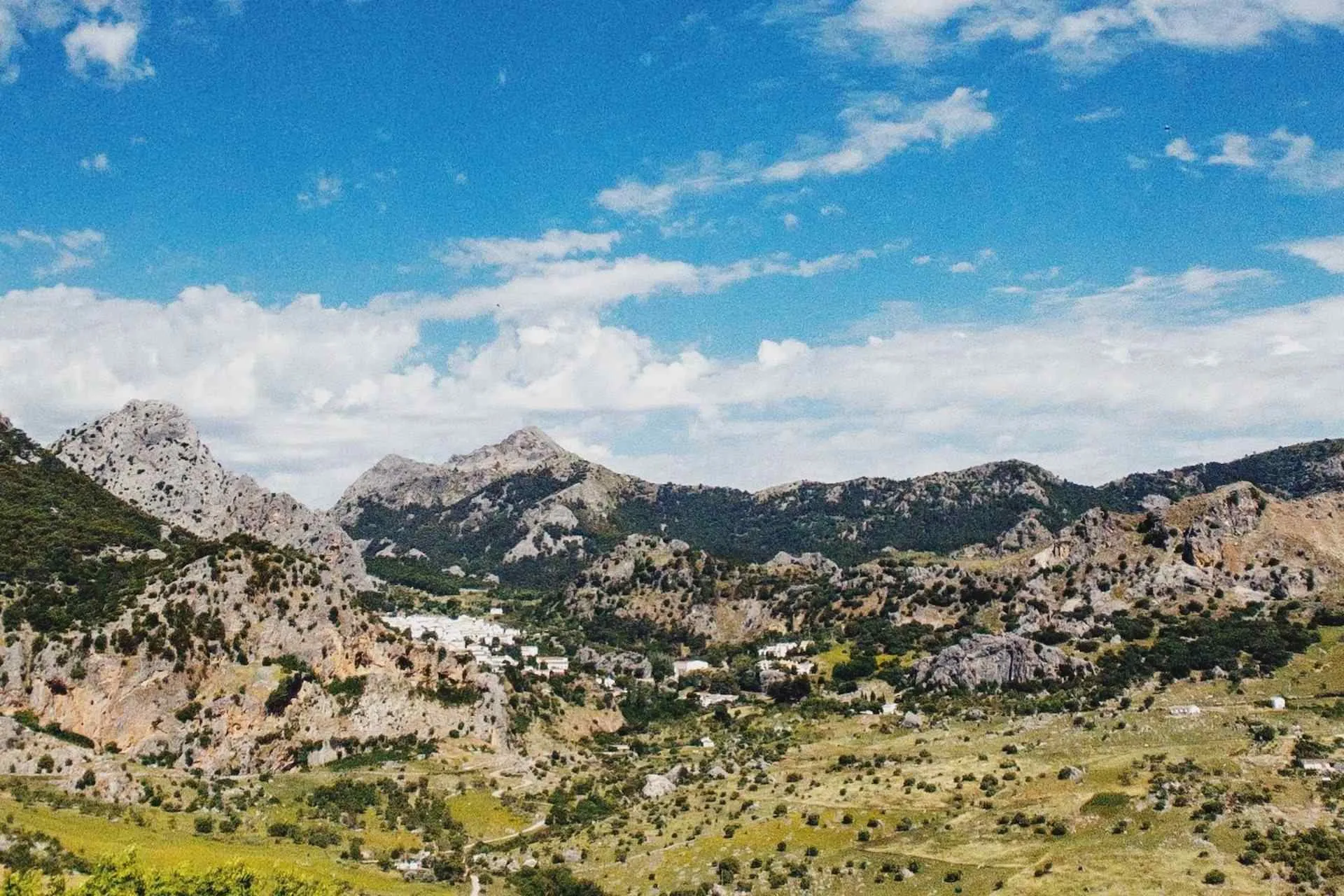
So far, we've only talked about cities, but this part of Spain has much more to offer.
Doñana Natural Park
Just south of Seville is one of the largest nature reserves in Europe.
Doñana Park offers a great variety of animals and plants and is suitable for both trekking enthusiasts and cyclists.
Walking through this pristine place, you can enjoy the beauty of Iberian nature in complete safety.
Sierra de Grazalema Natural Park
Just north of Seville is one of the most important natural parks in all of Southern Spain, this time thanks to its marshes and wetlands.
This park offers one of the most impressive varieties of animal and plant species in all of Spain, a natural spectacle hard to find elsewhere in Italy and Europe.
Cabo de Gata Natural Park
If we're considering beaches, how can we not mention Cabo de Gata Park, east of Almeria?
This park has some of the wildest and most unspoiled coasts around, featuring golden sandy beaches and crystal-clear cerulean waters. Nearby are several fishing villages where you can taste excellent local cuisine, naturally based on seafood.