A World War I Summary: The Sparks That Ignited the Conflict
If you've ever wondered how a historical event can change the course of humanity, well, the Great War is one of those chapters that left an indelible mark. In this World War I summary, we start with the causes. It wasn’t a single event that triggered the conflict, but rather a tangle of military alliances, fiery nationalisms, imperial rivalries, and an arms race that had Europe sitting on a powder keg.
The assassination of Archduke Franz Ferdinand of Austria in Sarajevo in 1914 was the spark that ignited the powder keg. The great powers aligned into two opposing blocs: on one side the Allies, including France, the United Kingdom, and Russia; on the other, the Central Powers, led by Germany and Austria-Hungary. Italy, initially allied with the Central Powers, entered the war in 1915 on the side of the Allies.
Trench Warfare: A New Kind of Battle
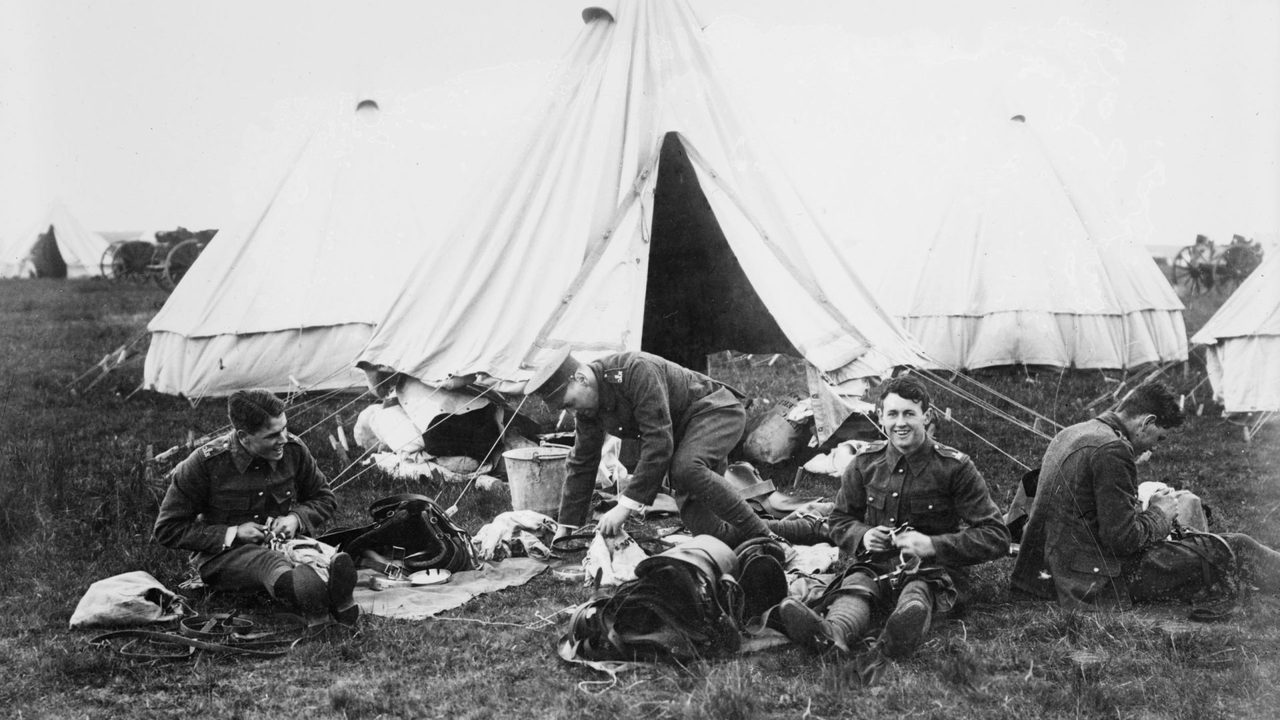
The World War I summary cannot overlook the description of trench warfare, which became the symbol of the conflict. Soldiers lived and fought in long ditches dug into the ground, facing each other in a war of position that lasted for years. The conditions were terrifying: mud, rain, cold, and disease were daily realities. Offensives often resulted in pointless massacres, with thousands of men falling to gain just a few meters of ground.
New Technologies and Military Strategies
The Great War was also a testing ground for new technologies and military strategies. The introduction of weapons like machine guns, poison gas, tanks, and combat aircraft transformed the way war was fought. The naval Battle of Jutland, for example, was an epic clash between the British and German fleets and demonstrated the importance of naval supremacy. Total war required the mobilization of all national resources, including economies and civilian societies, which were involved in the conflict like never before.
The Role of Colonies and Extra-European Fronts
Let’s not forget that the Great War was truly a world conflict. The colonies of the European powers were actively involved, providing troops and resources. Moreover, fighting took place on extra-European fronts: from the Middle East to Africa, from Asia to the Pacific. The Gallipoli campaign, for example, was a failed Allied attempt to open a new front against the Ottoman Empire.
The Russian Revolution and the Exit of a Giant
In 1917, Russia was shaken by two revolutions that led to the collapse of the Tsarist regime and the rise of the Bolsheviks. This event had a huge impact on the conflict: Russia signed the Treaty of Brest-Litovsk with Germany and withdrew from the war, freeing German troops who were then redeployed to the Western Front.
The United States Enter the War and the Turning Point
The United States’ entry into the war in 1917 was a turning point. With new resources and fresh troops, the Allies regained momentum. Germany’s unrestricted submarine warfare, which had led to the tragic sinking of the Lusitania, was one of the reasons that pushed the US to intervene. Their participation was decisive for the final outcome of the conflict.
The End of the War and the Treaty of Versailles
After four long years of fighting, the war ended with the armistice on November 11, 1918. The 1919 Treaty of Versailles redrew the map of Europe, dismantling empires and creating new states. Germany was forced to pay heavy war reparations and cede territories, a situation that left deep scars and contributed to the birth of new conflicts.
The Social and Economic Consequences of the Conflict
The consequences of the Great War were devastating. Beyond the millions of dead and wounded, entire generations were marked by the conflict. The European economy was on its knees, with skyrocketing public debt and destroyed infrastructure. The war also brought social changes, such as the women’s rights movement and the Russian Revolution, which would influence the course of the 20th century.
The Memory of the Great War and Its Cultural Impact
The Great War left a profound cultural legacy. Literature, art, and cinema reflected the experiences of soldiers and the trauma of the conflict. Works like Hemingway’s “A Farewell to Arms” or Remarque’s “All Quiet on the Western Front” gave voice to a lost generation. Even today, battlefields and war memorials are places of memory and reflection.
The World War I Summary and Lessons for the Future
The World War I summary teaches us that history can offer valuable lessons. The complexity of the causes and the scale of the disaster remind us how important it is to work for peace and international understanding. The Great War showed us the consequences of a divided world and the importance of building bridges rather than barriers.
Why Is the Great War Considered a Turning Point in History?
The Great War is seen as a turning point because it marked the end of traditional European monarchies, introduced new war technologies, and radically changed the political and social maps of the era.
What Were the Main Causes of the Great War?
The main causes include the alliance system, nationalism, imperial rivalries, the arms race, and the assassination of Archduke Franz Ferdinand.
How Did the Great War Affect Women and Women's Rights Movements?
During the war, many women took on jobs previously held by men, demonstrating their capabilities and contributing to the suffrage movement.
What Were the Economic Consequences of the Great War for Europe?
Europe emerged from the war with devastated economies, enormous debts, and the need to rebuild destroyed infrastructure, leading to a prolonged recession.
How Did the Great War Change the Political Landscape in Europe?
The conflict led to the collapse of empires such as the Russian, Austro-Hungarian, and Ottoman, and the birth of new nation-states.
What Was the Cultural Impact of the Great War?
The war deeply influenced culture, giving rise to literary and artistic movements that reflected the disillusionment and trauma experienced by combatants and civilians alike.
I hope this World War I summary has provided you with a clear and thorough overview of one of the most complex and transformative conflicts in modern history. If you have questions or want to share your opinion, feel free to leave a comment below. History is also made of dialogue and exchange, so your voice is valuable!