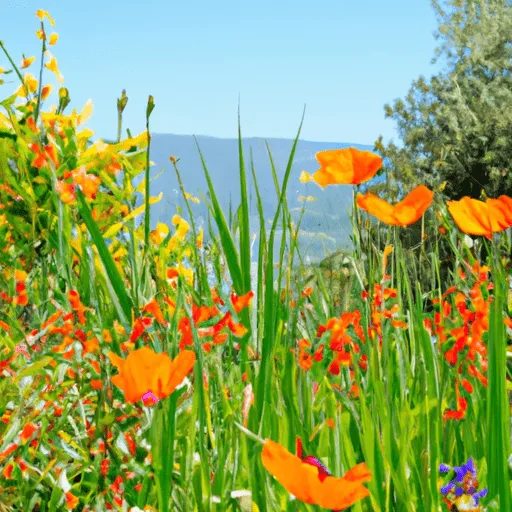
If you venture into the Poison Garden in the evocative English countryside, among the woods and lush meadows of Northumberland, you might come across a truly unique and fascinating place: the Poison Garden, the most poisonous garden in the world. This extraordinary place is as dangerous as it is captivating and offers a view of a vast collection of poisonous plants from all over the world.
After years of traveling and thoroughly studying this botanical wonder, I realized that the Poison Garden is much more than just a garden: it is a mysterious and compelling world that blends the beauty of nature with deadly danger. In this article, I will take you on a journey through the wonders and dangers of this unique garden, exploring every corner and revealing what makes it so fascinating.
The Poison Garden: A Brief History
The Poison Garden, located within Alnwick Castle, was opened to the public in 2005. This extraordinary garden is the work of Jane Percy, the Duchess of Northumberland, who dreamed of creating a garden dedicated exclusively to poisonous plants. The Duchess worked extensively with the renowned garden designer Jacques Wirtz to realize this unique vision.
The decision to create a poisonous plant garden was not taken lightly. The Duchess of Northumberland had an ambitious goal: to educate the public about poisonous plants, their dangers, and their history, while at the same time offering an extraordinary garden experience. This garden is therefore a fusion of fascination, culture and danger, making it one of a kind.
Entering the Realm of Poison
As soon as you pass through the imposing gates of the Poison Garden, you immediately immerse yourself in a different world. The air is filled with an intense and mysterious scent, while a feeling of excitement and caution takes hold of visitors. The poisonous plants are carefully divided and arranged in pots and flowerbeds, each with an informational plaque explaining their history and dangers.
As you proceed along the winding path, you encounter the garden's most famous and deadly plant: Atropa belladonna, commonly known as belladonna. Historically, this plant was used as a poison for arrows and well mouths, and it remains so today through the Poison Garden, a place I have had the privilege to explore in detail thanks to my years of travel and study. I hope my narrative has inspired you to consider the importance of protecting the diversity of poisonous plants and to develop an appreciation for their unique beauty. The Poison Garden is a world of poison and beauty worth exploring and discovering.