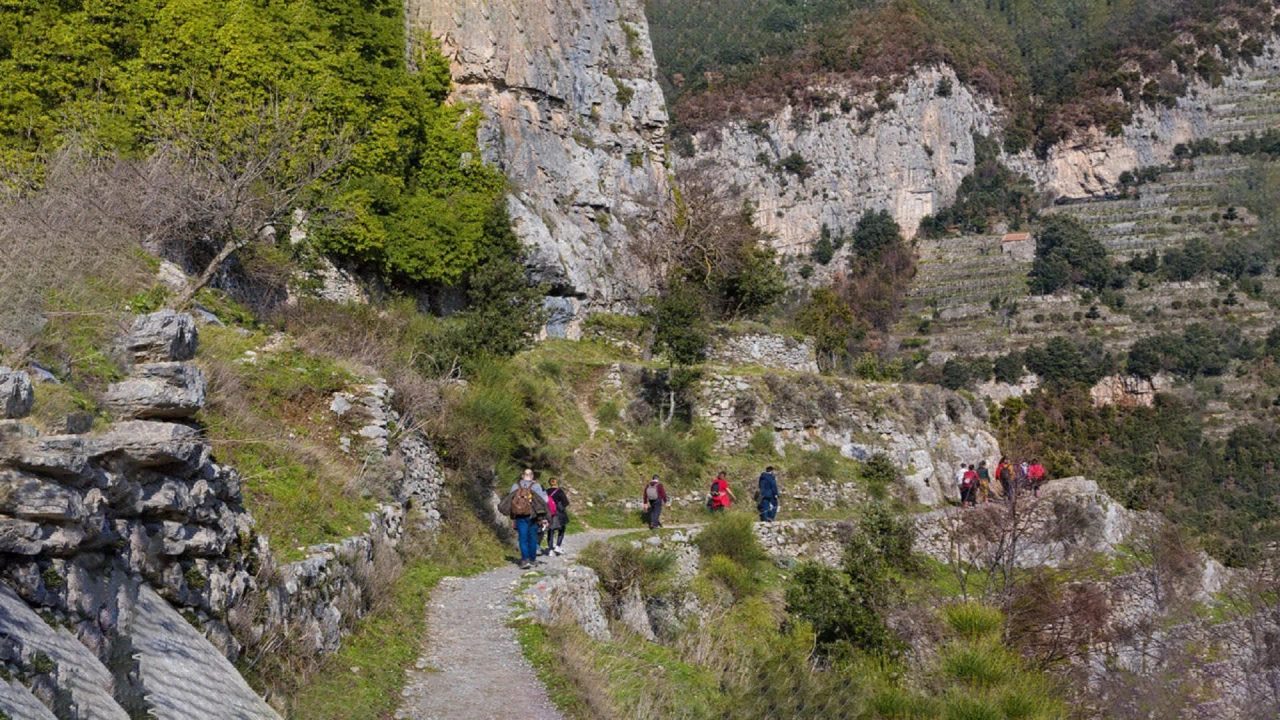
The Way of the Gods is an ideal route for those who love trekking and mountain biking and connects Bologna to Florence. Considered one of the main attractions of the Tuscan-Emilian Apennines, it offers nature lovers the chance to discover the extraordinary beauty of ancient lands rich in history and charm.
It is a perfect journey for young people and adults, for groups of friends and families, during which you can enjoy some of the most beautiful views in the area and visit villages where time seems to have stood still.
After years of neglect, in the 1990s the Way of the Gods was restoredbringing back to light the ancient road pavements that are centuries old. It now forms a captivating route crossing places of historical and natural interest, reaching an altitude of 1000 meters above sea level.
The trail, stretching between Bologna and Florence, offers travelers a unique experience combining the beauty of nature with the charm of history. Along the way, you can admire breathtaking views of the Tuscan hills and the Apennines, while passing through picturesque villages and ancient forests.
The Way of the Gods is not just a journey through enchanting landscapes, but also an opportunity to immerse yourself in local cultures, savor traditional cuisine, and discover stories and legends lost in the mists of time. Whether it’s a spiritual pilgrimage, a sporting adventure, or a simple path of discovery, every step along the Way of the Gods tells a story and offers an unforgettable emotion.
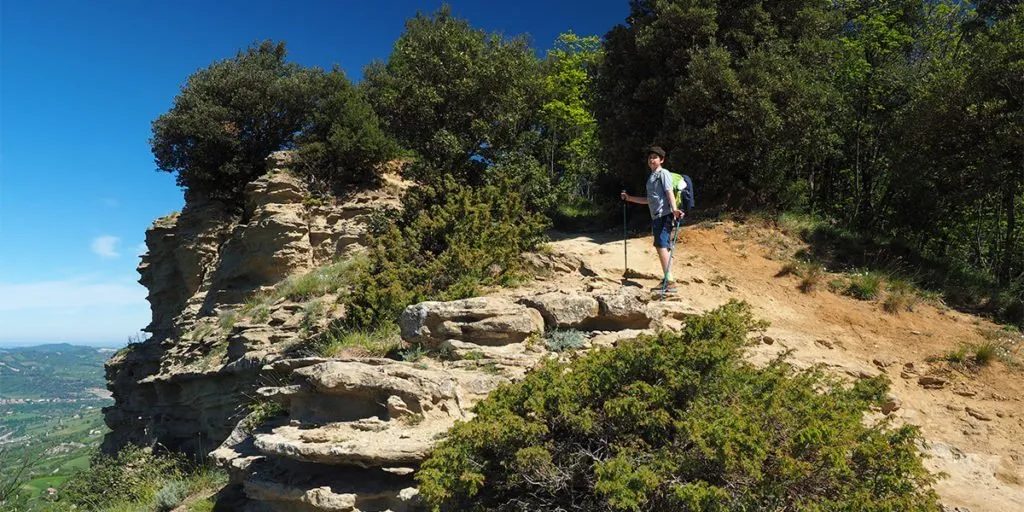
Way of the Gods: Historical Notes
The Way of the Gods has its roots in Etruscan times, when on the ridge between the Setta and Savena rivers there was a road connecting Fiesole with Felsina, used to develop trade and strengthen control over the Po Valley.
During the Roman period, the Way of the Gods became the main road allowing the colony of Bononia to have a connection from Arezzo all the way to Rome. The road was built in 187 BC on the earlier Etruscan route and was called the Flaminia Militare.
Reaching the Middle Ages, the road continued to be used, both on foot and on horseback , and was considered the easiest route to cross this part of the Apennines. However, the Roman paving, now overgrown, was replaced by a narrow unpaved mule track .
Finally, after centuries of abandonment, in the late 1970s, following the discovery of an ancient Roman coin, the area became the site of excavations and explorations that brought the ancient road back to light and traced, over thirty years, the original itinerary.
Today, the Way of the Gods has become one of the most sought-after destinations for hikers and nature lovers, combining history, culture and breathtaking landscapes. The route stretches about 130 kilometers, crossing picturesque villages, lush forests, and rolling hills, offering those who travel it the chance to immerse themselves in a timeless dimension. Along the way, you can admire archaeological remains, ancient parish churches, and medieval castles that tell the story of a land that has been a crossroads of peoples and cultures.
The revival of the Way of the Gods has also led to a renewed appreciation of local traditions, with taverns and farm stays welcoming travelers with typical dishes and local products. This itinerary represents not only a physical journey through the Apennines but also a cultural and sensory journey that allows you to rediscover your roots and appreciate the beauty of the Italian landscape.
Why It’s Called the Way of the Gods
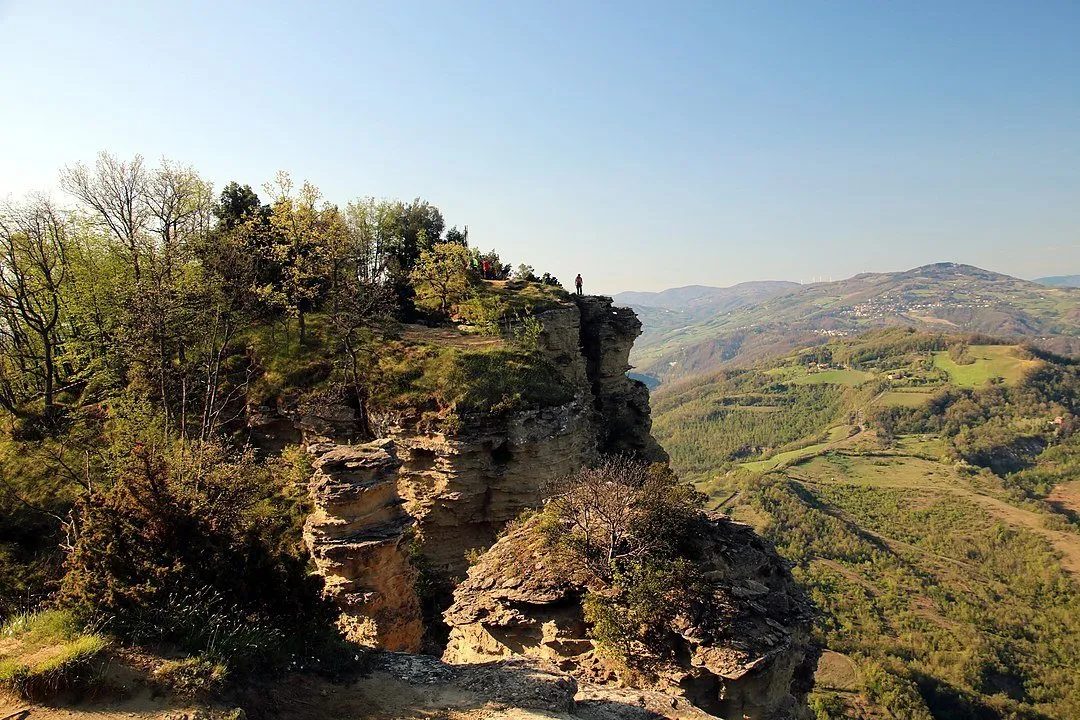
As with many other roads, the Way of the Gods owes its name to the places it passes through. Specifically, its route of about 130 kilometers touches several locations whose names are inspired by ancient pagan deities. Among these are Monte Adone, Monzuno (also known as Mount Jupiter), Monte Venere, and Monte Luario.
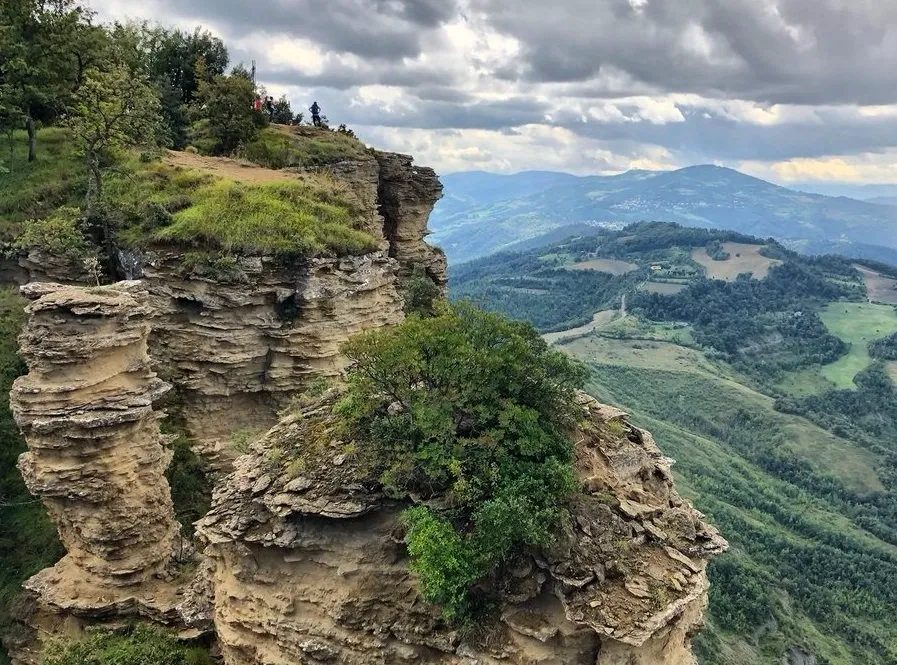
Among all these places, Monte Adone is certainly the most emblematic for those walking the Way of the Gods. It is characterized by arid grasslands and sparse Mediterranean woody species such as holm oak and buckthorn.
Moreover, at its summit, at 654 meters above sea level, are some of the most fascinating attractions of the route, including the two Fairy Caves, Grotticella and the Well Tunnel.
These caves, shrouded in mystery and legend, are must-see destinations for hikers wishing to immerse themselves in the history and mythology of the area. According to ancient beliefs, the Fairy Caves were inhabited by magical creatures who, on full moon nights, danced under the starry sky, jealously guarding the secrets of the mountain.
Today, visitors can explore these natural cavities and be fascinated by the unique rock formations and light plays inside. Grotticella, smaller and more intimate, offers a peaceful refuge from the outside world, while the Well Tunnel, with its narrow passage, tests the courage of the boldest explorers. The entire cave complex is an irresistible draw for nature and adventure lovers, making Monte Adone a fundamental stop for anyone traveling the Way of the Gods, seeking a deep connection with the landscape and its rich cultural heritage.
Way of the Gods: Features and Trails
After its restoration began in the 1990s, the Way of the Gods has become one of the main destinations for those who love trekking and mountain biking. Its route, in fact, connects Piazza Maggiore in Bologna with Piazza della Signoria in Florence.
Walking it is a truly evocative experience, especially because it crosses places full of charm and history. On foot, it takes between 4 and 6 days, while by bike between 2 and 3 days. The first stage goes from Bologna to Badolo, about 21 kilometers. Here you can visit the Sanctuary of San Luca and enjoy wonderful scenery and landscapes.
Continuing along the path, you enter the heart of the Tuscan-Emilian Apennines, where unspoiled nature offers breathtaking views and a sense of absolute peace. The second stage leads from Badolo to Madonna dei Fornelli, crossing shady woods and ancient villages that seem suspended in time. Along the way, you can find small refuges and taverns, ideal for a refreshing break and to savor local culinary specialties, such as tortellini and Bolognese ragù.
The Way of the Gods is not just a physical route but also a journey into the culture and traditions of the region, revealed at every step through its millennial history and warm hospitality. For photography enthusiasts, the alternation of hilly landscapes and panoramic views offers endless opportunities to capture the beauty of the territory, while history lovers can explore ancient Roman and medieval structures scattered along the path.
The second stage of 28 kilometers ends at Madonna dei Fornelli, passing over Monte Adone and Monzuno. Nature lovers can experience unforgettable moments here and admire incredible panoramas. NatureAlong the route, you reach
Monte di Fo’ and cross the Emilian Apennines to enter Tuscany . The trail is just over 17 kilometers long and allows you to discover the old Flaminia Militare and visit theFuta German Cemetery The.
fourth stage takes you from Monte di Fo’ to San Piero a Sieve, passing through the evocative Monte Gazzaro where you can pause to reflect in front of the famous iron cross erected after World War II to remember the tragic events that took place here. Finally, the last stage of
33 kilometers will bring you to Florence which you can admire from the hills of Fiesole. When to Walk the Way of the Gods?
About
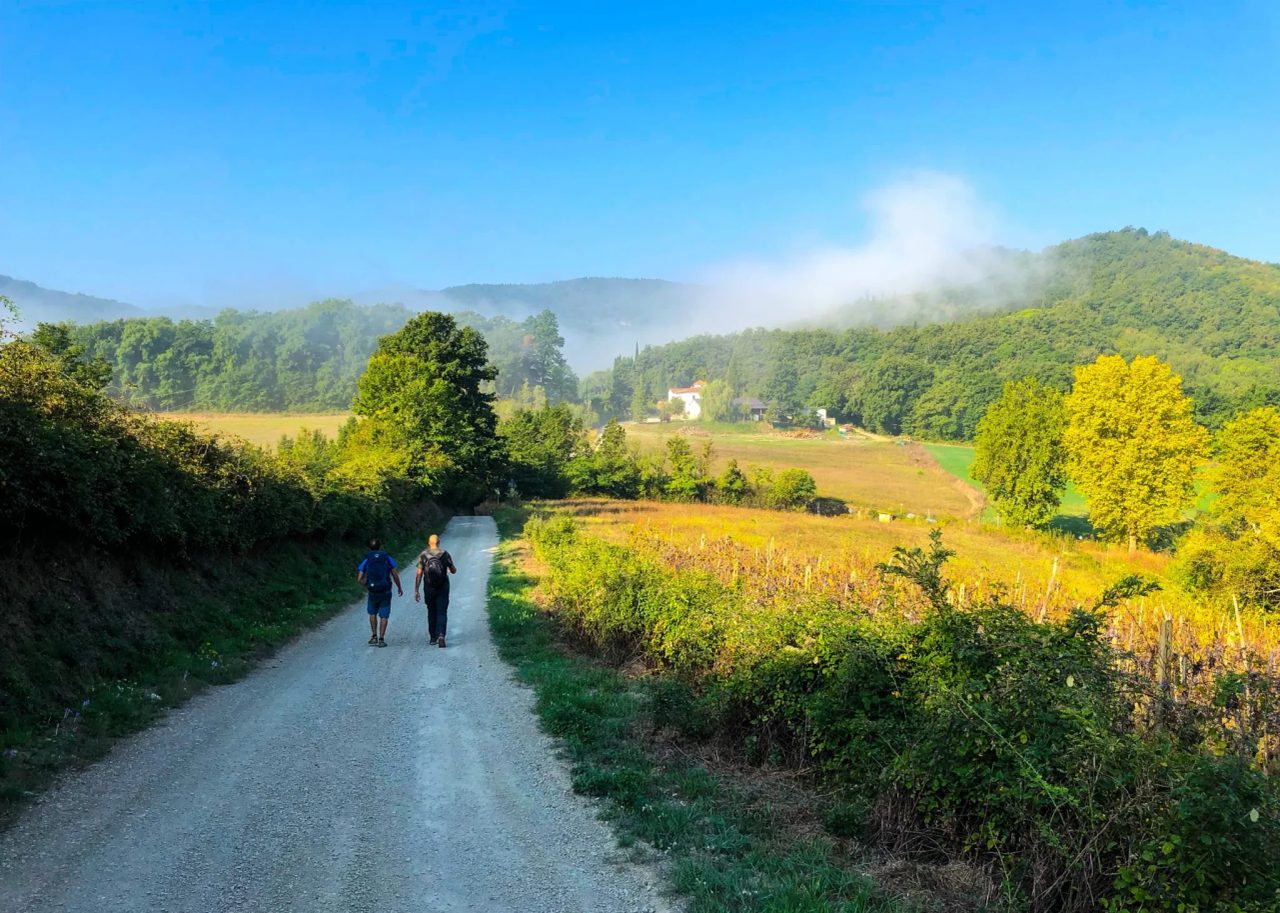
80% of the Way of the Gods route runs through mountainous areas, covered by woods and peaks that ensure a very mild temperature even during summer. Here, the climate is quite dry, but in winter it can snow, especially at higher altitudes. In spring, nature awakens in a burst of colors and scents, transforming the
Way of the Gods trails into a mosaic of blooms that enchant hikers. Oak and beech forests fill with songbirds whose melodies accompany travelers along the path. Along the route, you may come across ancient Etruscan and Roman remains, evidence of a millennial history intertwined with the landscape. Refuges and small villages offer rest and hospitality, allowing travelers to immerse themselves in the culture and culinary traditions of the Apennines. The Way of the Gods is not just a hike but a journey through time and the unspoiled beauty of nature.
For this reason, the best time to tackle the Way of the Gods is between spring and summer. Equipped properly and wearing suitable clothing for a long and sometimes challenging hike, you can live a truly unique experience.
For this reason, the best time to tackle the Via degli Dei is between spring and summer. By properly equipping yourself and wearing the most suitable clothing for a long and sometimes challenging hike, you can enjoy a truly unique experience.
suitable for everyone , especially since it is well marked and has refreshment points. Getting lost or taking a wrong turn is practically impossible because signs abound along the way.Moreover, at the end of the journey, you can request a
certificate to prove your passage along the Way of the Gods. The cost is just 3 euros and, in addition to official stamps issued by affiliated welcome points, you will also receive a small souvenir of your adventure. If you want to experience the thrill of walking
the Way of the Gods , visit theMeeters website and book your spot. You will live a unique and exclusive experience , full of fun and socializing., full of fun and socializing.