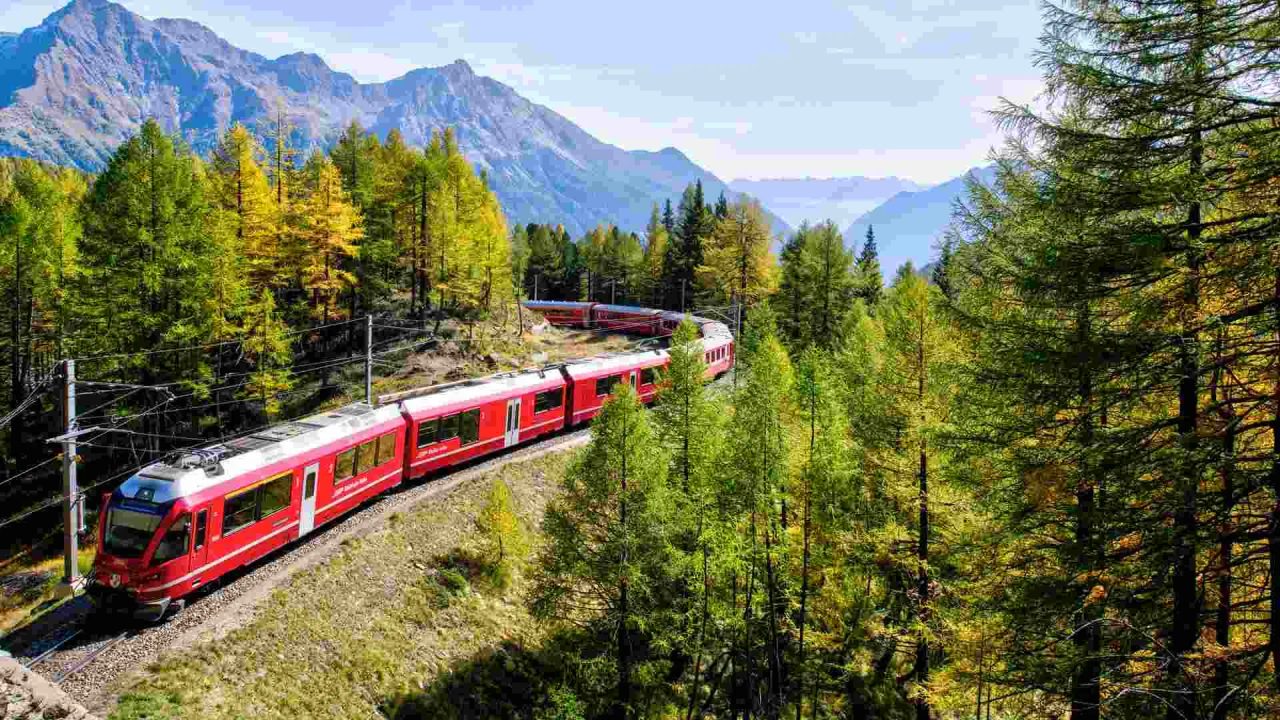
In recent years, the issue of sustainable travel has become increasingly important. Growing concerns about the environmental impact of transportation have led many to consider greener alternatives. A recent study conducted by Greenpeace analyzed the costs and environmental impact of train travel compared to air travel in Europe. The results are surprising and reveal that, despite ecological advantages, train travel often costs twice as much as flying.
The Cost and Environmental Dilemma
Balancing Sustainability and Affordability
Growing environmental awareness is pushing more travelers to seek eco-friendly travel options. Trains are generally considered more sustainable than planes, as they emit fewer greenhouse gases. However, the price of train tickets often plays a decisive role in choosing the mode of transport.
The Greenpeace Study: What It Reveals
The recent Greenpeace study examined the costs of train travel compared to air travel in Europe. Researchers looked at a range of popular routes and compared train ticket prices with corresponding flight fares. The findings showed that, on average, train travel costs twice as much as flying the same route.
Factors Affecting Costs
Infrastructure and Management
One main reason for this cost difference is infrastructure and management. Airlines can often leverage economies of scale by transporting large numbers of passengers at once. Conversely, trains require significant investment in rail networks and transport systems.
Travel Time and Comfort
Another factor influencing costs is travel duration and comfort level. While trains offer a more relaxing and spacious experience compared to planes, travel times can be longer. Passengers must therefore weigh whether they are willing to pay more for comfort or prefer the speed of flying.
Balancing Travel Choices
Individual Considerations
The choice between train and air travel depends on personal preferences and circumstances. Some may be willing to pay extra to reduce their travel’s environmental impact, while others prioritize economic convenience.
Long-Term Sustainability
Despite the currently higher costs of train travel, it’s important to also consider long-term effects. Investing in rail infrastructure and promoting sustainable travel could lead to a greener future less dependent on fossil fuels.
Conclusion
In conclusion, the Greenpeace study highlights an interesting challenge between sustainable travel and affordable costs. While train travel in Europe may currently cost twice as much as flying, it’s important to consider the overall impact and potential benefits of investing in greener alternatives. Choosing a mode of transport remains a personal decision balancing comfort, cost, and environmental impact.