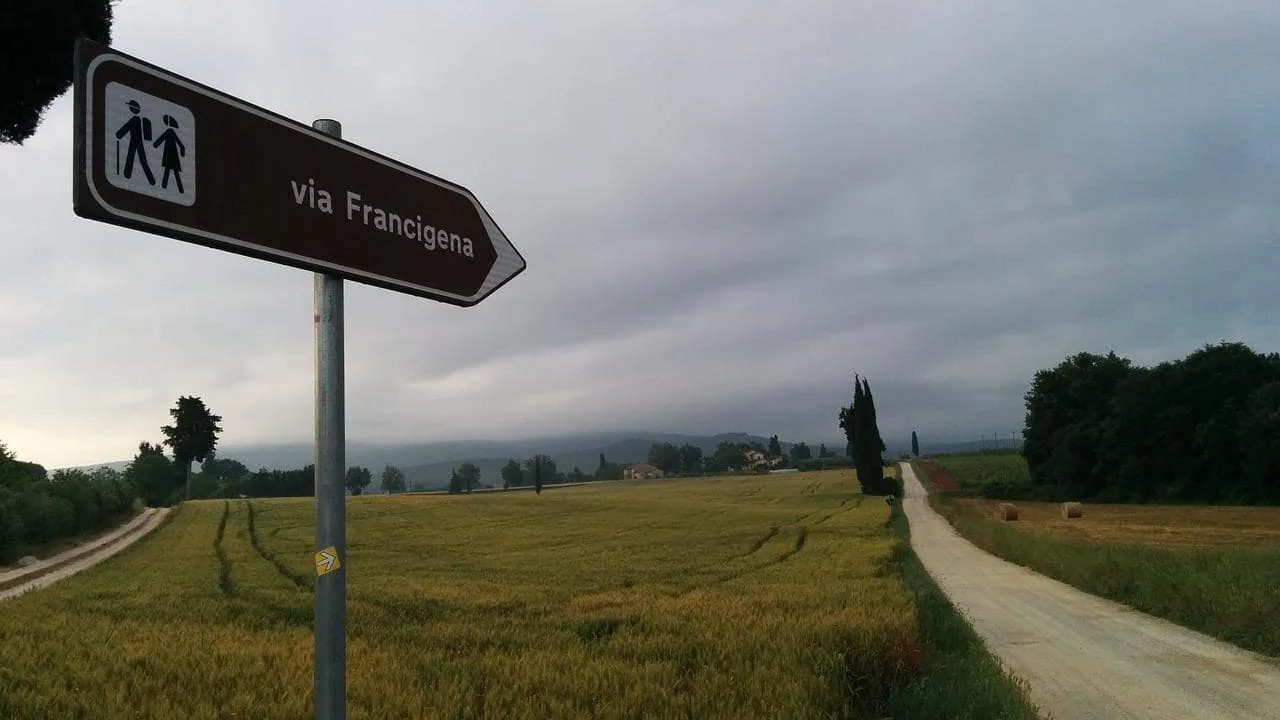
Walking the Via Francigena is one of the most original ways to travel through Italy, discovering its heritage, cities, towns, and villages rich in history, art, and traditions. Like the Camino de Santiago, this route is a favorite for those seeking a spiritual dimension: it is a journey of inner discovery.
Historical Overview
The history of the Via Francigena dates back to the Early Middle Ages. It was part of a complex of routes called viae romae, which connected Europe to Italy. From Canterbury, England, passing through France, it led to Rome.
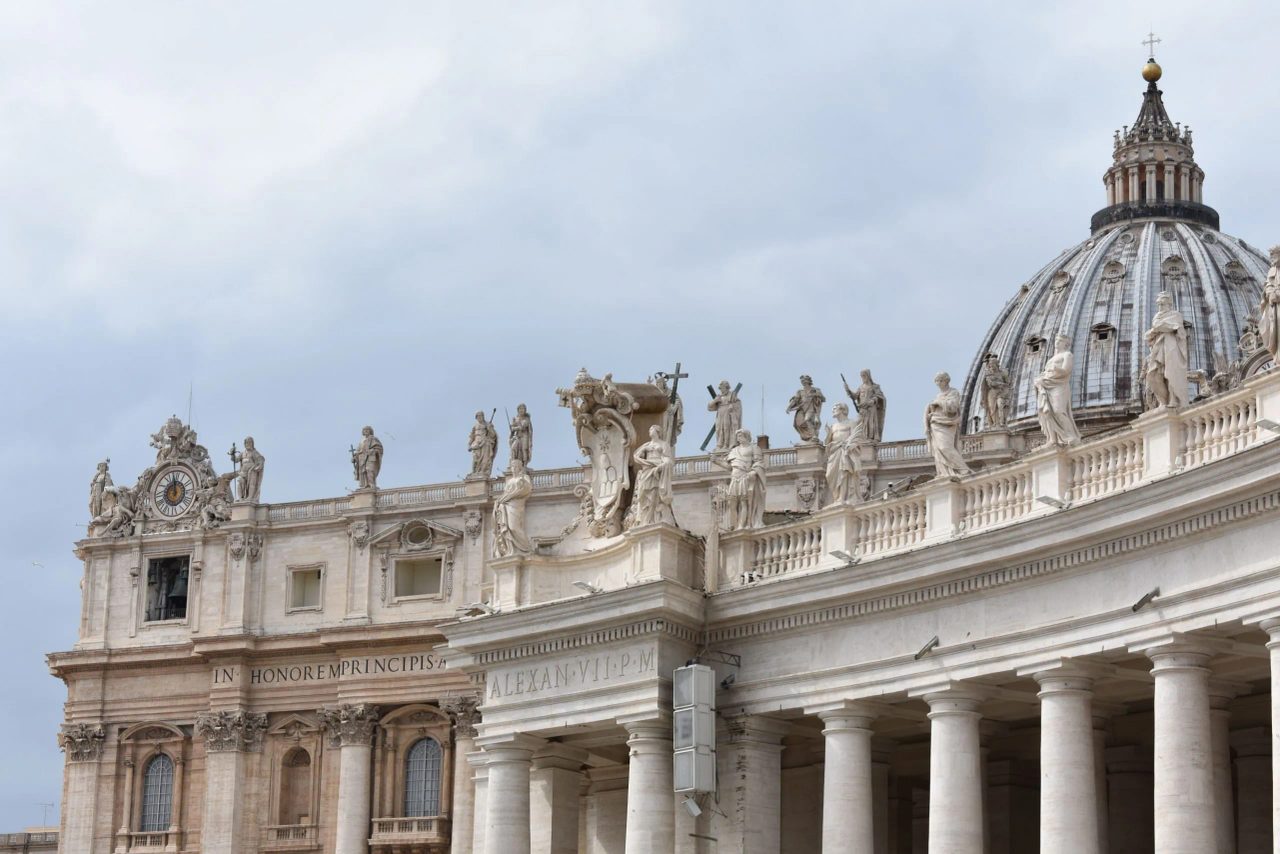
Simple travelers, merchants, and brigands crossed it. But the Francigena was also and above all a path of faith: crusaders and pilgrims traveled it to reach the Eternal City and from there the ports that allowed them to embark for Jerusalem.
For this reason, along this route you will find a myriad of artistic, faith, and devotional testimonies, such as cathedrals and monasteries.
In Italy, the Via Francigena has 45 stages across seven regions, from north to center: these include the Aosta Valley, Piedmont, Lombardy, Emilia Romagna, Liguria, Tuscany, and finally Lazio.
What You Need to Know
The Via Francigena on foot is not a difficult experience; there are easier and more demanding routes. In any case, a good amount of training and endurance is helpful to face it.
The Right Luggage
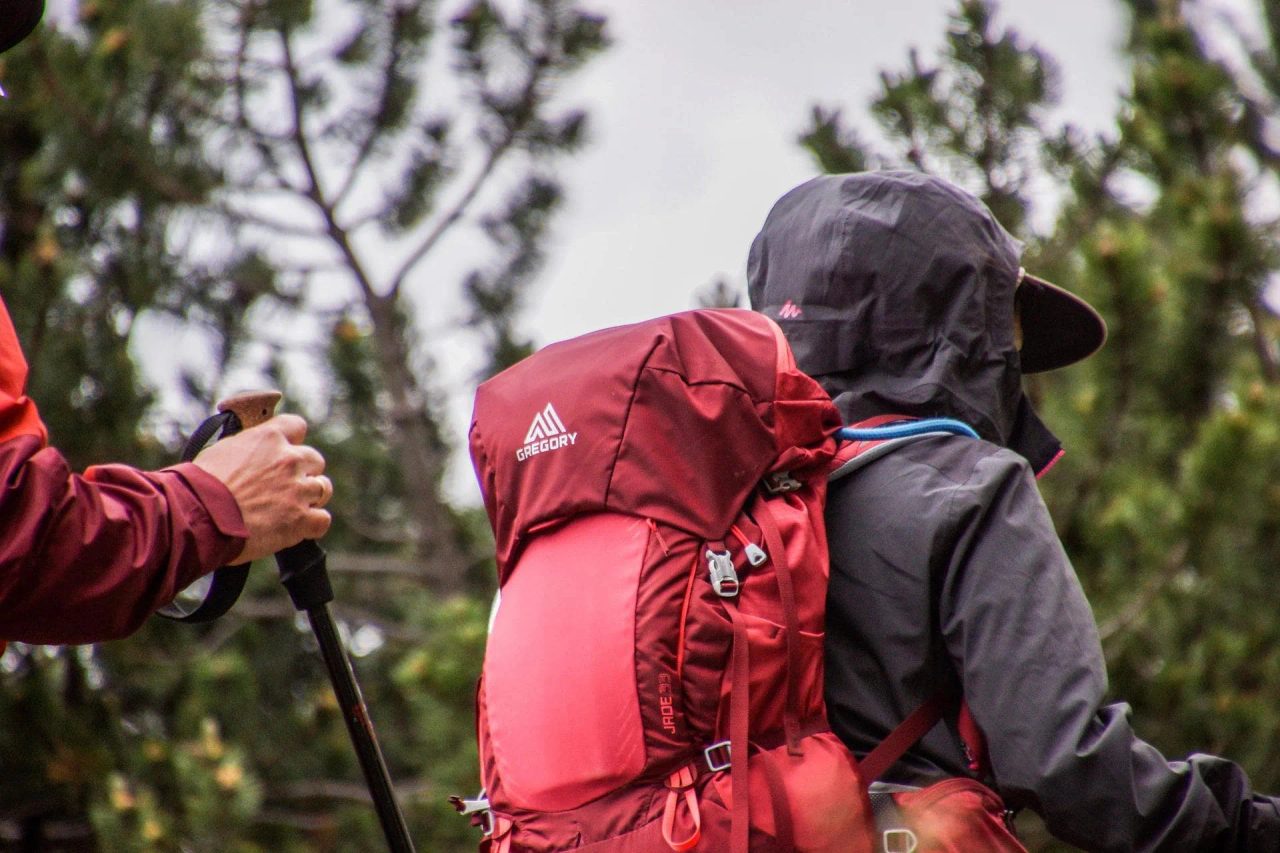
First of all, you need to equip yourself with a medium-sized backpack, capable of holding only the essentials and not weighing down your body, allowing you to walk comfortably.
The backpack should contain the basics: medicines and a first aid kit. Recommended clothing is obviously sportswear, made of technical and breathable fabric, along with trekking socks and a raincoat. If you cross the Via Francigena in spring or summer, sunscreen is a must.
Preparing for Every Eventuality
Do not underestimate some geographical and climatic obstacles. It is a long route (about a month and a half) that includes some elevation changes and stretches on busy roads.
Along the Via Francigena you will not always find water sources and refreshment points. It is advisable to avoid some stages in summer or during the hottest hours of the day. You might consider using public transport for some sections.
One last but important tip is to visit a tourist office before you leave to collect the Credential or Passport, a document that will certify your official status as a pilgrim along the Via Francigena.
From the Aosta Valley to Rome: The Easy Francigena
One of the easiest routes of the ancient Francigena is the one that goes from the Great St Bernard Pass to Rome, about 950 kilometers long. Walking it means spending about a month and a half on foot and crossing the most important and evocative stages.
From the Aosta Valley to Emilia Romagna
Through the Great St Bernard Pass, if coming from France, you enter the Aosta Valley, the first stage of the Italian Francigena. You walk surrounded by an alpine landscape, rich in castles, mule tracks, and vineyards: we are talking about the Dora Valley, between Verrès and Santhià.
From Santhià you head to Piedmont and Lombardy, this time on flat land. From the rice fields of Vercelli, after five days of walking, you will reach Pavia. In this Lombard city, former capital of the Lombard kingdom, there is the Covered Bridge, over the Ticino River. Cross it: this bridge led pilgrims to the city center.
From Pavia it is recommended to follow the Po Rivertowards Emilia. In Fidenza you will find the Cathedral of San Donnino, famous for its decorations depicting a procession of pilgrims on the Via Francigena.
Tuscany
From Piacenza you then reach Tuscany. In this region, the path runs along hilly roads.
First you arrive at Pontremoli and then Sarzana, afterwards you travel through the area between Lucca and Siena. The Siena stage includes the Orcia and Elsa valleys, with San Gimignano and Monteriggioni.
A symbol of the Francigena is Saint Martial of Limoges. A legend tells that while traveling the route, he performed a miracle: he resurrected a fellow traveler. And it is to this saint that one of the pilgrimage sites in Tuscanyis dedicated, the Church of San Marziale.
From Lucca you reach Siena. Here it is recommended to visit Santa Maria della Scala, an ancient hospital that offered free refuge to pilgrims and strangers. Today it is extremely significant and not to be missed.
Conclusions
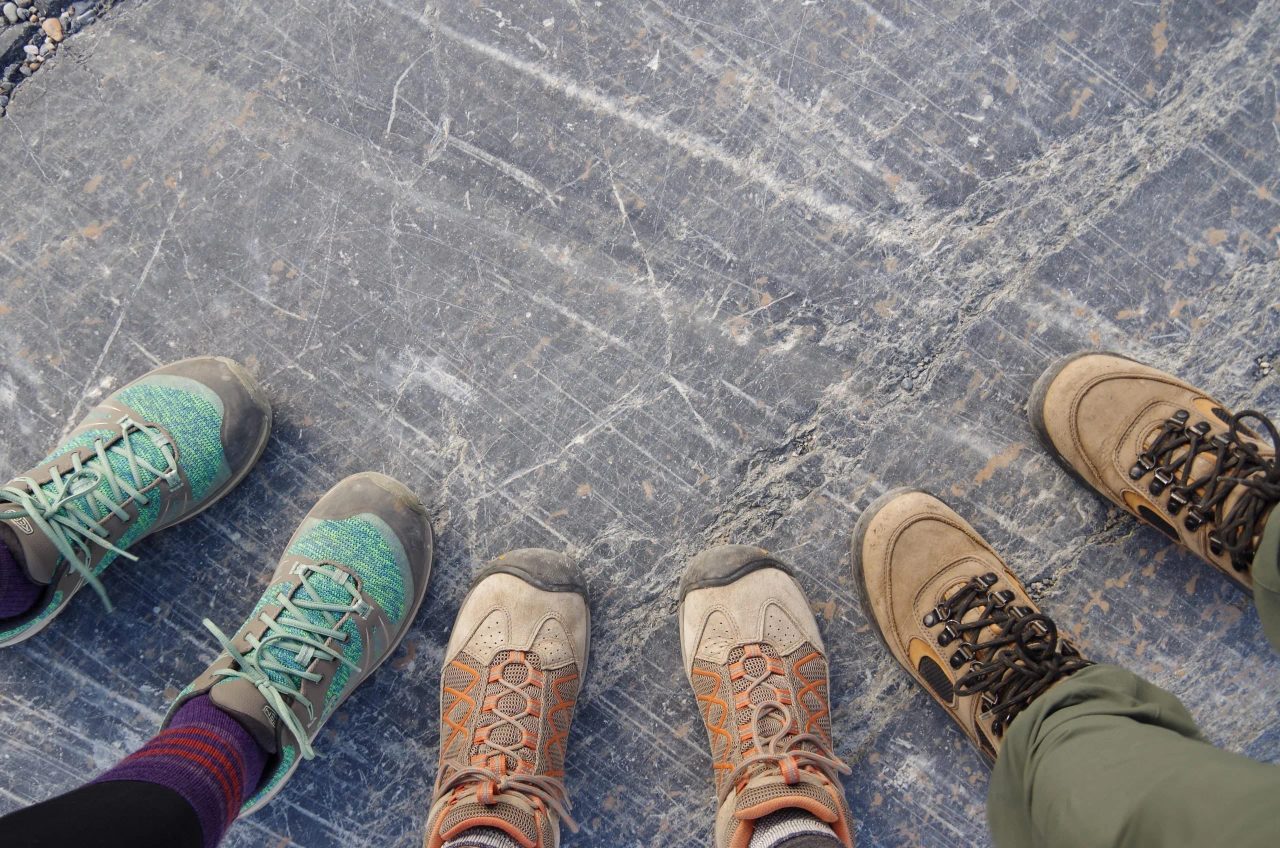
Walking the Via Francigena on foot will not be complicated if you follow these tips. Also keep in mind that along the way you will find hostels where you can find refreshment and hospitality.
You will surely return from this journey enriched. This is inevitable: as we mentioned earlier, the Via Francigena is a journey of not only geographical but also inner exploration.
If you want to walk it with company, the benefits will be even greater. Only a journey like this can increase the sense of community and solidarity among those who undertake it. At Meeters, every experience follows this philosophy, thanks to organized trips and events that bring many people together.