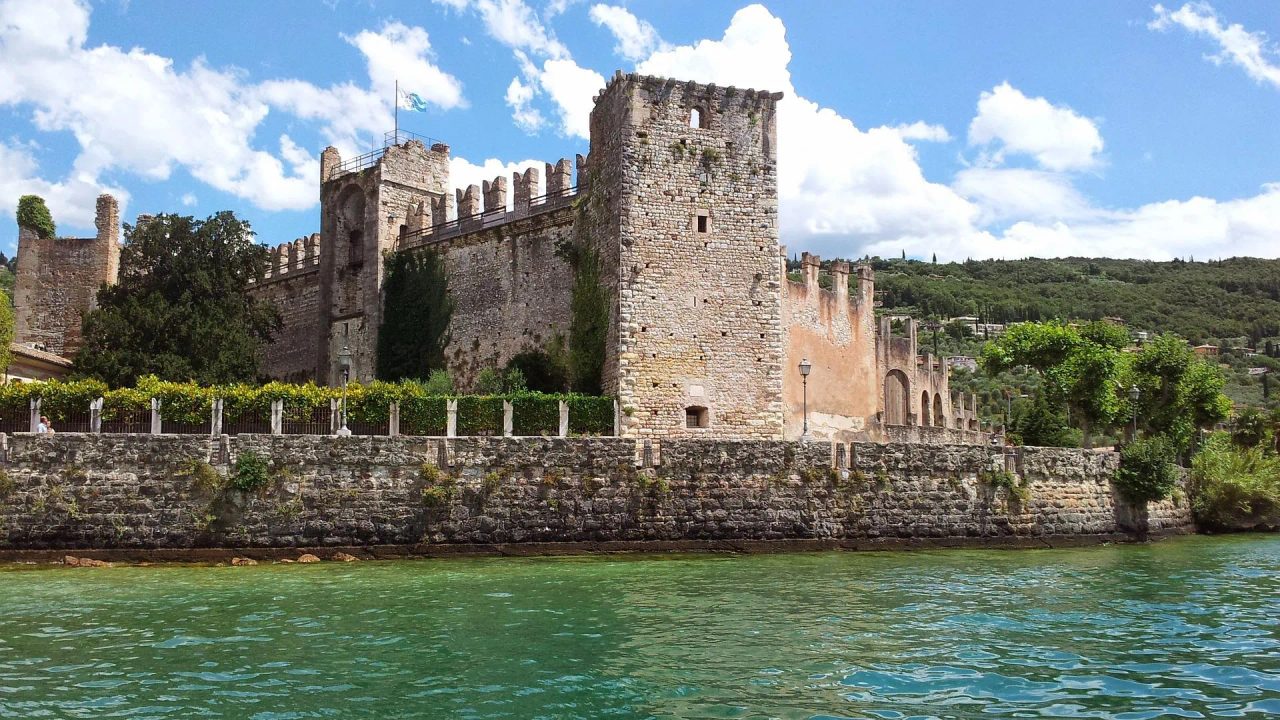
Lake Garda: A Geological Wonder
Lake Garda, often called the “largest lake in Italy,” is a gem nestled among the picturesque regions of Lombardy, Veneto, and Trentino-Alto Adige. Covering an area of 370 km², this magnificent body of water is one of the most beloved tourist attractions in Italy. Let’s explore together the hidden wonders and fascinating history of this extraordinary lake .
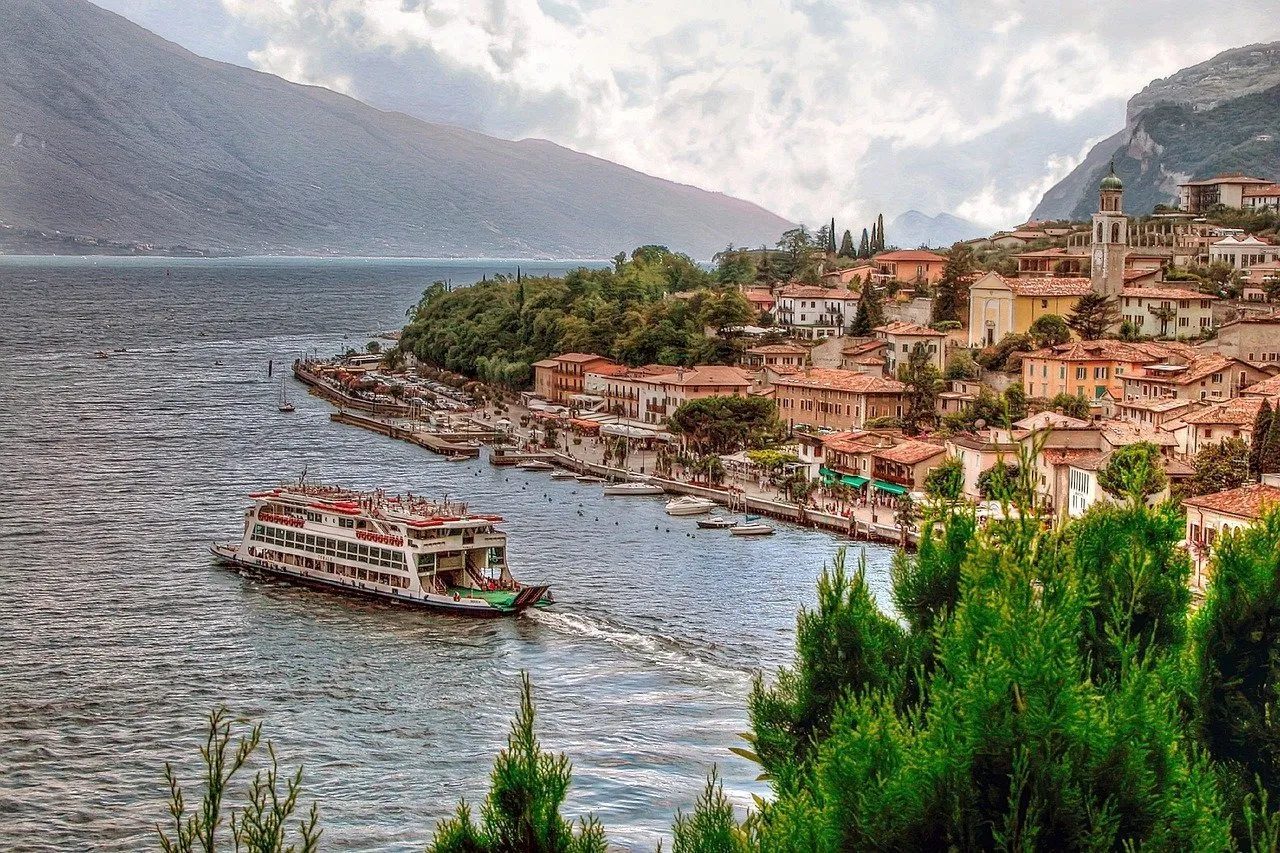 Italy's Largest Lake
A Panoramic View
Located in a vast Alpine depression, Lake Garda stretches about 52 km in length and varies in width from 2 km to 17 km. This vastness offers a unique visual spectacle, with steep mountains reflecting on its calm waters, creating a breathtaking scene for visitors. in length and varies in width from 2 km to 17 km. This vastness offers a unique visual spectacle, with steep mountains reflecting on its calm waters, creating a breathtaking setting for visitors.
Glacial Origins
The origins of Lake Garda date back a million years, when erosion caused by glaciers and rivers carved this enchanting expanse of water. During the last Quaternary glaciation, massive glaciers shaped the region, creating this natural wonder.
Richness of Flora and Fauna
Richness of Flora and Fauna Lake Garda boasts an extraordinarily diverse ecosystem thanks to its mild climate and geographic location. Various endemic plant and animal species have adapted to this region, creating a unique biological environment.
History and Cultural Significance
History and Cultural Importance This lake has deep roots in Italian history, dating back to Roman times and possibly earlier. Over the centuries, it has played a significant role in crucial historical events, contributing to the cultural richness of this region.
Lake Garda as a Tourist Destination
Every year, millions of tourists from around the world flock to its shores to admire its natural beauty, explore its charming villages, and enjoy a wide range of recreational activities.
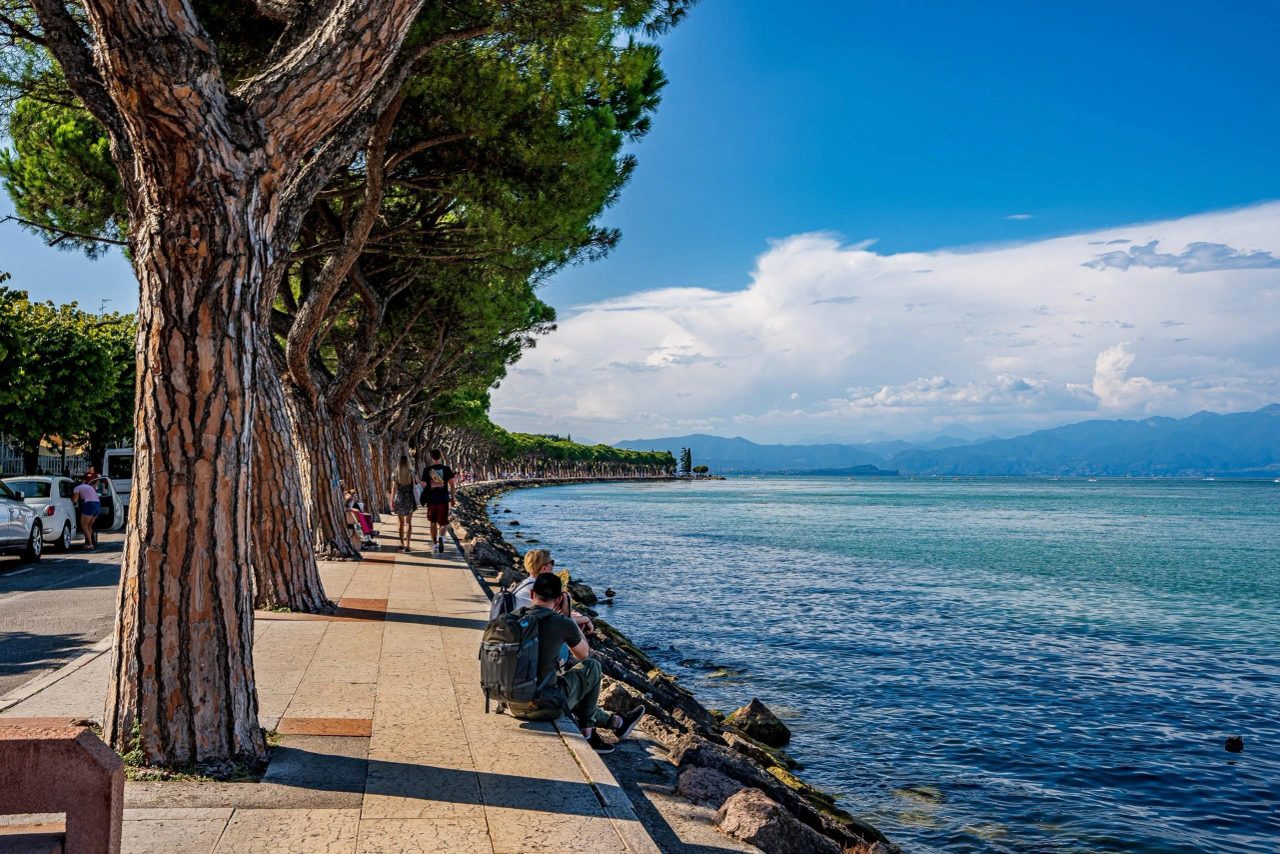 Italy's Largest Lake
Recreational Activities and Picturesque Villages
Lake Garda offers a wide variety of recreational activities, including swimming, sailing, rowing, fishing, diving, trekking, and cycling. The surrounding towns, such as Sirmione, Desenzano, Riva del Garda and Malcesine, capture the essence of Italy, with their cobbled streets and colorful markets.
Local Cuisine
The cuisine of Lake Garda is an unforgettable culinary experience. Dishes featuring fresh lake fish, extra virgin olive oil, local wine, and fresh agricultural products delight visitors' palates.
Conservation and Sustainability
Like many other natural wonders, Lake Garda faces threats related to climate change. It is crucial to adopt effective conservation policies to protect this natural treasure for future generations. Commitment to sustainability is essential to ensure that Lake Garda continues to enchant visitors forever.
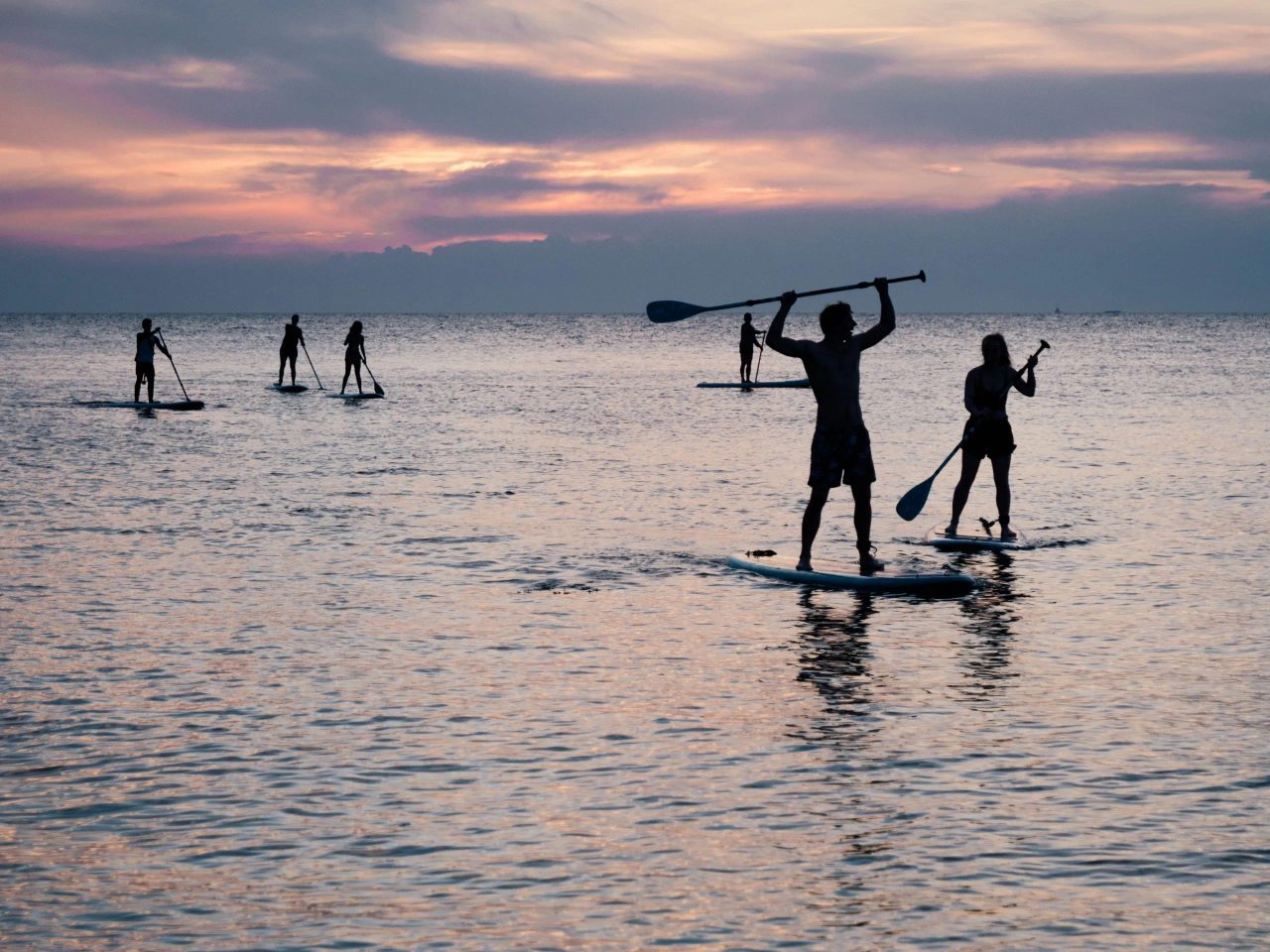 Italy's Largest Lake
Additional Information
Maximum Depth: Lake Garda reaches a maximum depth of about 346 meters, making it the deepest lake in Italy.
Islands: Lake Garda hosts several charming islands, including Isola del Garda, the largest and most famous.
Fish Species: In Lake Garda, you can find a variety of fish species, including pike, trout, perch, and carp.
Beaches: Along its coast, there are numerous sandy and pebble beaches where visitors can relax and enjoy the sun.
Activities: Swimming is one of the most popular activities, and there are several designated swimming areas along the lake’s coast.