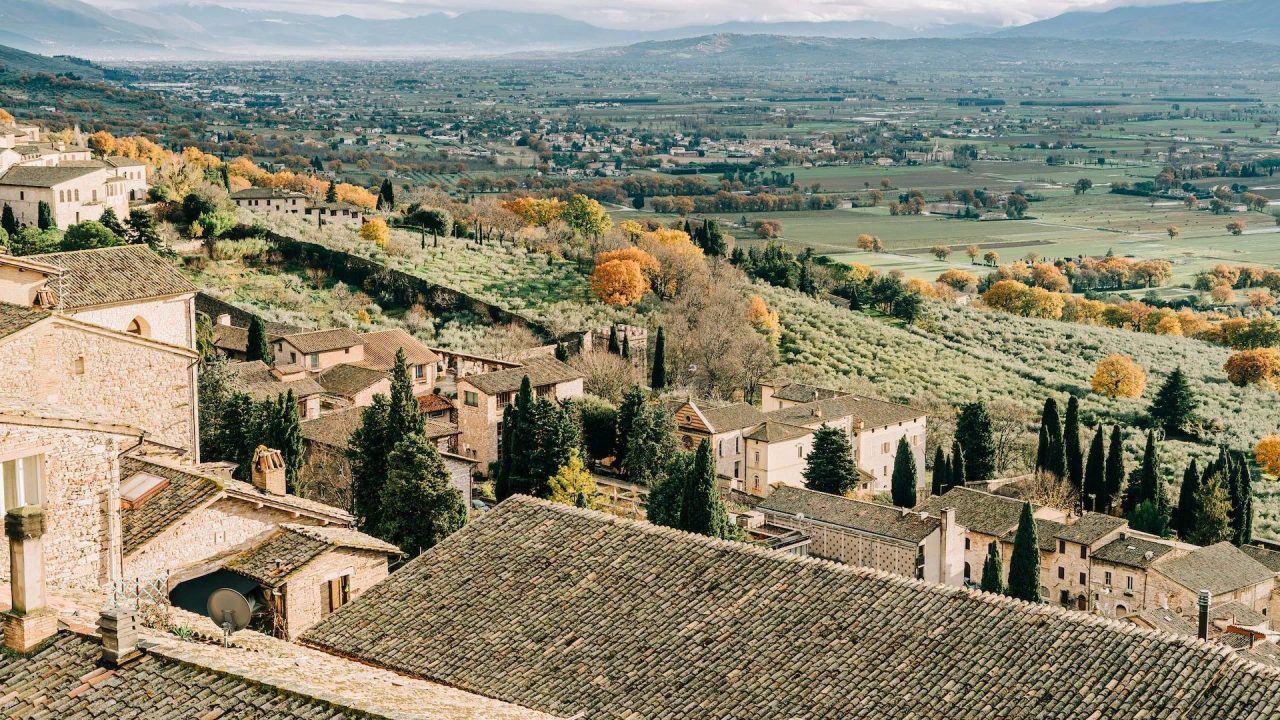
How many times do we always hear about the same tourist regions? How often do we find ourselves reading about how to spend time visiting Sicily, Veneto, or the art cities of Tuscany? Probably many times, and this is one of the reasons why this time we go to discover what to do on a weekend in Umbria.
Umbria is a very special region: it is the only one in central and southern Italy that has no direct contact with the sea, it is one of the greenest with forests, plains, and lakes, and it is also one of those with the greatest number of secrets well hidden from mass tourism.
Despite Don Matteo constantly trying to bringUmbria to the attention of many, this region remains really little talked about and is the perfect place for a weekend trip with family or partner.
Given these premises, today with Meeters we will discover up close some of the most interesting places to visit in Umbria: perfect stops to create an itinerary over a weekend, among lakes, mountains, beautiful villages, and lots of great food.
We at Meeters have considerable experience in creating itineraries and events, aiming for some time now to improve the quality of people's free time. When it comes to making new friendships we are always at the forefront to do our best positively.
With this premise, let's discover the must-see stops for anyone wanting to spend a weekend in Umbria..
Lost in Perugia
When we think of chocolate in Italy, we can think of just two names: Modica in Sicily or Perugia in Umbria.
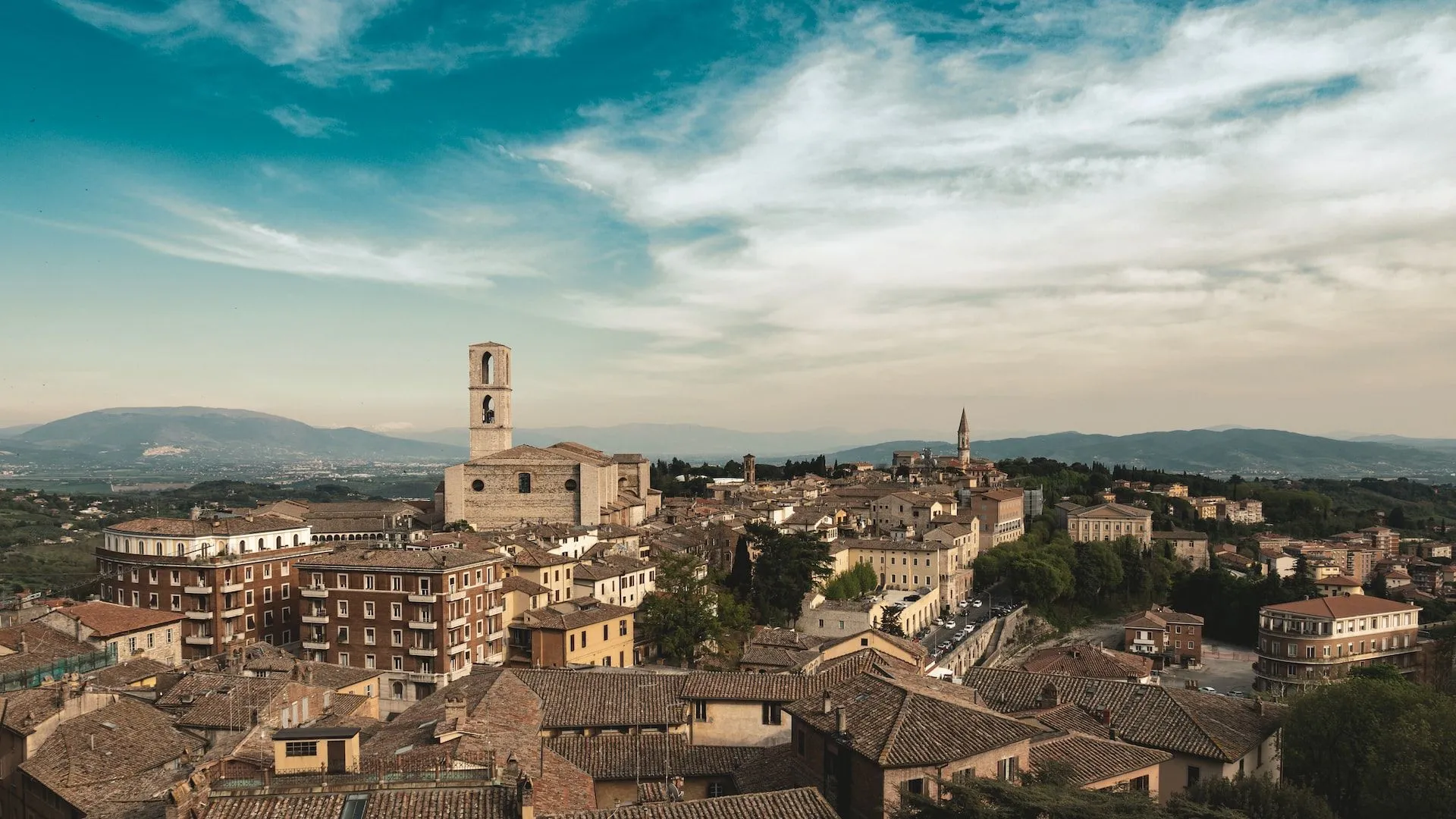
In reality, the regional capital has much more to offer, being one of the most fascinating cities in the entire peninsula culturally and architecturally speaking.
Perugia is a city of hills and narrow streets, where art, history, and culture constantly meet, painting views that remain in the heart.
[activecampaign form=22 css=1]
Walking along the city center beside centuries-old walls is thrilling, as is visiting the National Gallery of Umbria where you can find a rich collection of artifacts from various moments in regional history.
Not to be missed is the Fontana Maggiore which overlooks the side of the Cathedral of San Lorenzo or the Palazzo dei Priori, two perfect examples of how beauty can stand out even among dozens of historic buildings and magnificent views.
Mysticism for the Heart in Assisi
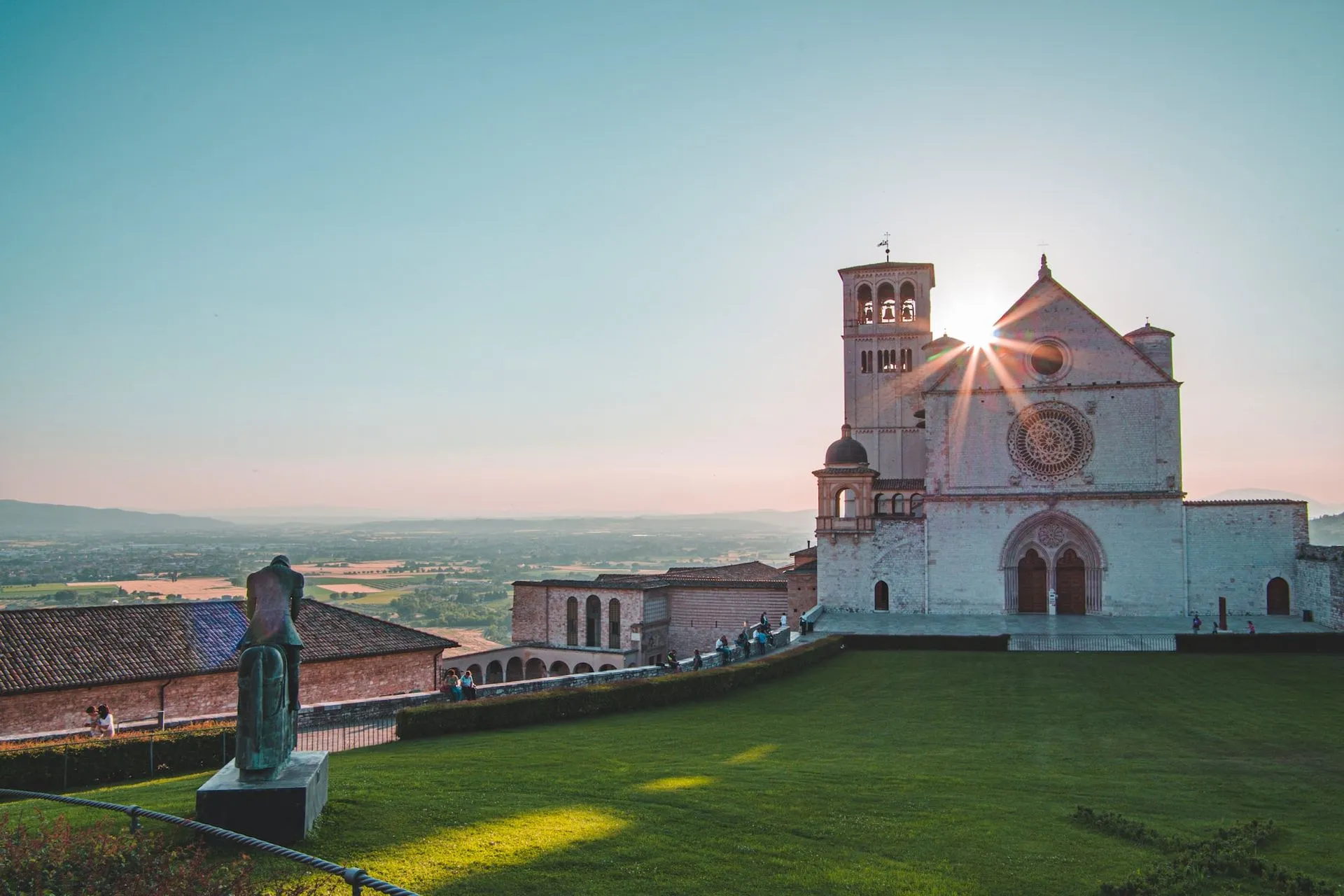
Assisi is the city of Saint Francis, this is known by almost everyone; what is slightly less known is its being a wonderful city, with breathtaking views over the surrounding plains. Pilgrims from all over the world travel hundreds and hundreds of kilometers to visit the city and
follow in the footsteps of one of the most famous figures of Christianity ; this should not distract from theincredible beauty the city hides in its details.Besides the Basilica of Saint Francis, elegant and simple at first glance, the

church is absolutely worth visiting.
Orvieto is a completely medieval city, which with its small size offers many things to see for potential tourists.
On one side, there is the Orvieto Cathedral, the great masterpiece ofGothic architecture in Central Italy, which is also an Italian national monument; on the other hand, there is the whole universe of Underground Orvieto, for which it is absolutely worth booking a guided tour.
Città della Pieve is no less: religious buildings adorn the city like details of a Renaissance painting, withRomanesque art dominating and a splendid cathedral containing paintings by Perugino..
Not to be underestimated is the presence of the splendid Convent of San Francesco, a place that exists in the form of ruins and rubble but represents a tangible legacy of the importance the Franciscan order had achieved during the late Middle Ages.
In Search of the Forces of Nature: The Marmore Waterfall
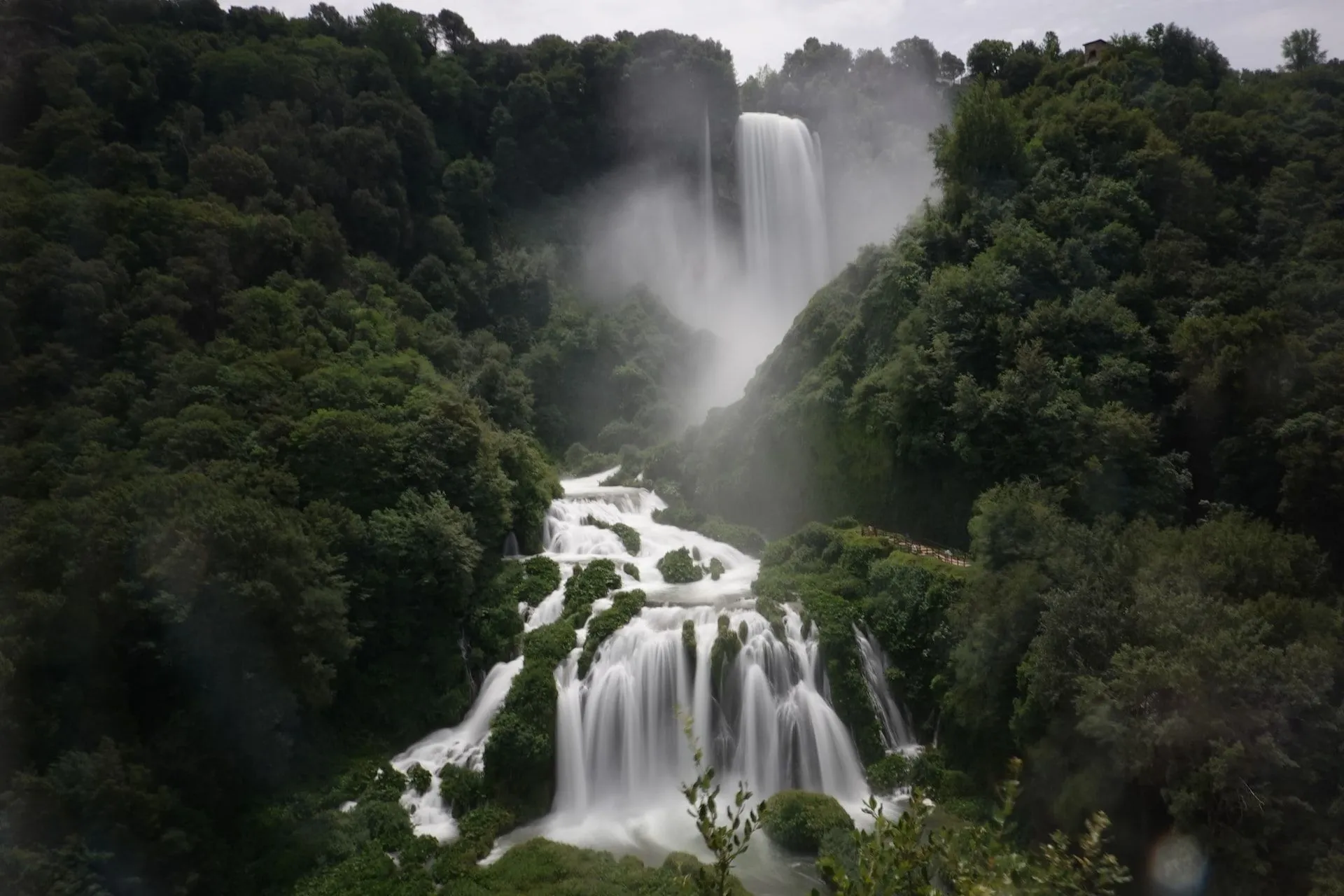
Did you know that in Umbria there is one of the highest artificial waterfalls in all of Europe??
If the answer is no, well, you just have to visit the Natural Park of the Marmore Waterfall right in the heart of Valnerina, very close to Terni and not far from Norcia and Castelluccio.
The Marmore Waterfall, with an impressive drop of 85 meters,is a must-see stop for anyone seeking a truly naturalistic experience in Umbria.
The waterfall's water is used for hydroelectric power production, which is generated in a plant very close to the entrance of the natural park.
To visit the waterfalls, it is necessary to buy a ticket that grants access to both the lower and upper viewpoints; there are several trails crossing the park and different ways to reach the two viewpoints to enjoy the incredible spectacle of nature.
The engineering work that ultimately gave the waterfall the face we know today dates back to Roman times and has undergone many evolutions.
One of the most interesting places to fully enjoy the dazzling beauty of the waterfall is the medieval village of Torreorsina, a town in Valnerina that overlooks the waterfall directly.