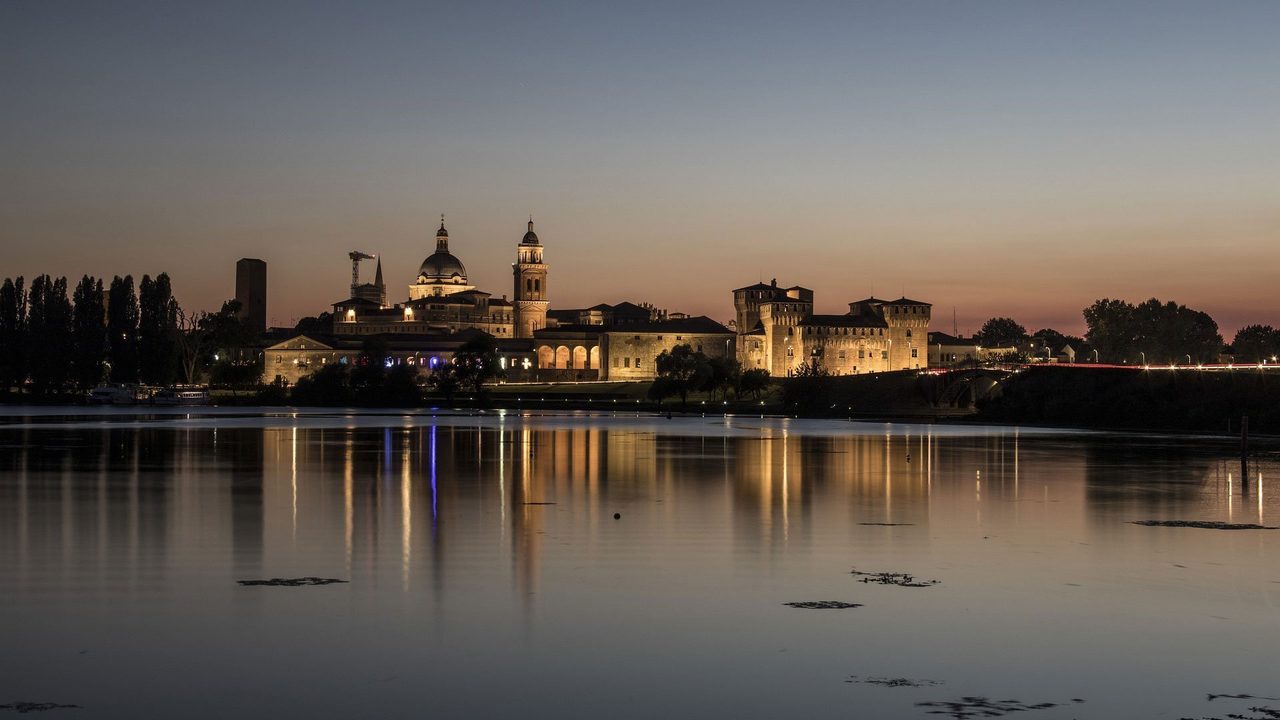
Mantua is not one of the first cities that come to mind when thinking about Italian history, yet it holds a very respectable place in the national past. The city of the Gonzaga family was indeed one of the most vibrant Renaissance centers in northern Italy and over the centuries accumulated unique architectural works that earned it the titles of UNESCO World Heritage Site in 2008 and Italian Capital of Culture in 2016.
Among palaces, frescoes, squares, and unique natural beauties, discover with Meeters a brief but comprehensive itinerary of what to see in Mantua in just two days!
Attractions in Mantua's Historic Center
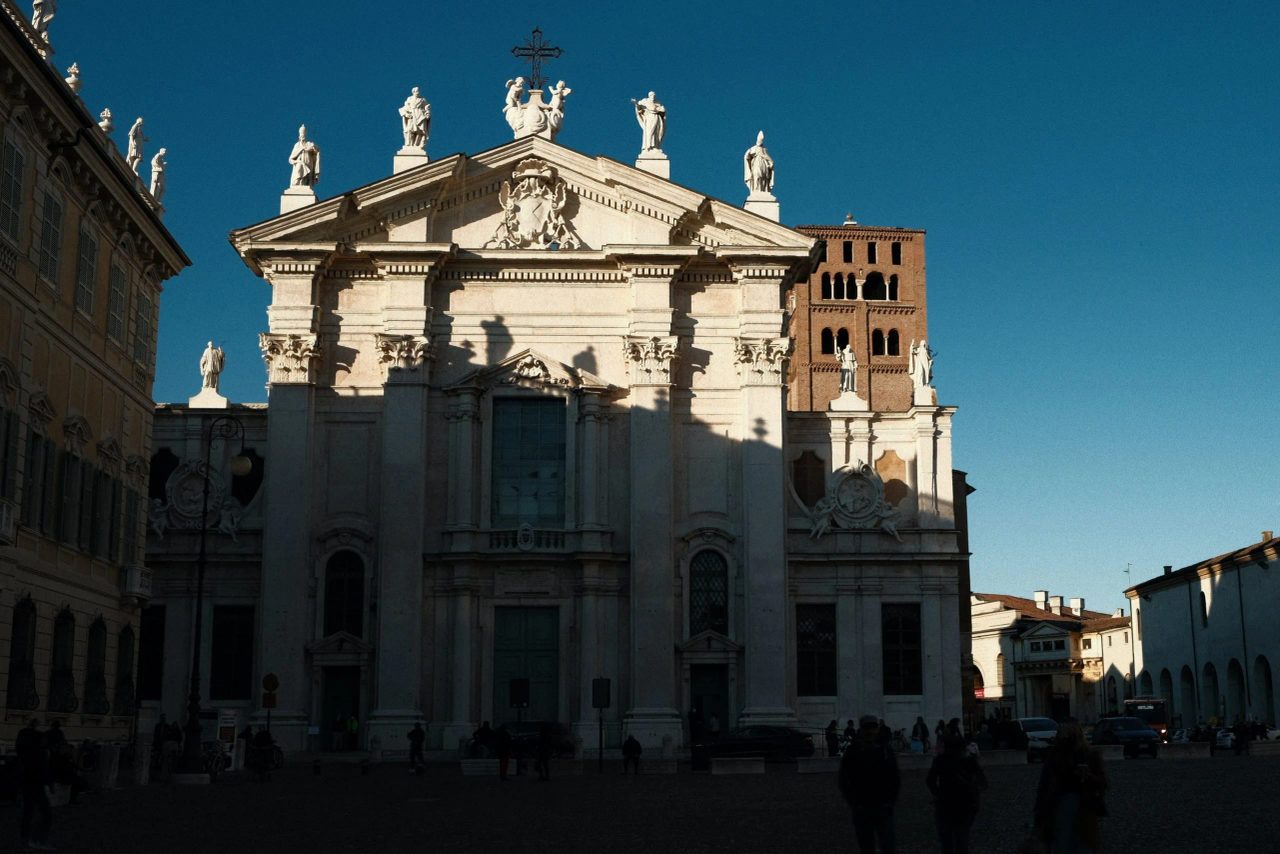
Our tour of the city of Mantua, one of the most beautiful places in Lombardy, can only begin with a walk through the historic center to admire the Gothic architecture of its buildings, the red brick palaces, and the narrow medieval alleys. All roads will lead us one way or another to Piazza Sordello, the beating heart of Mantuan life.
Dedicated to the local poet Sordello da Goito, who lived in the 13th century, the square gathers some of the city's major buildings: the Cathedral, where the most important members of the Gonzaga family rest; the Ducal Palace and its oldest section, called the Captain's Palace; the Bishop's Palace and the Uberti Palace; the Bonacolsi Palace or Castiglioni Palace; and the Acerbi Palace and its Cage Tower, designed as an open-air prison and known precisely for the suspended cage in which some prisoners were confined for months.
[activecampaign form=22 css=1]
A Stop at Piazza delle Erbe
Second only to Piazza Sordello is Piazza delle Erbe, which owes its name to the traditional fruit and vegetable market it has always hosted. This charming city space gathers around it other buildings full of stories to tell.
On one side, we have the Rotunda of San Lorenzo, a small church commissioned by Matilda of Canossa to evoke the rotunda built around the Holy Sepulchre in Jerusalem.
On the other side, there is the Palazzo della Ragione, built in medieval times and which over the years served as the town hall, but also as a courthouse, notarial archive, and indoor market.
Its Clock Towercaptures the eye, thanks to the magnificent astronomical clock, designed by the astrologer Bartolomeo Manfredi, which displayed not only the hours but also the positions of the planets, zodiac signs, and lunar phases.
Equally interesting and fascinating are the Podestà Palace, also the seat of Mantua's administrative power, and the Merchant's House. The building, constructed with Gothic and Venetian-style motifs, was commissioned by Giovanni Boniforte da Concorezzo, a supporter of the Gonzaga and a wealthy textile merchant.
Along the San Giorgio Bridge
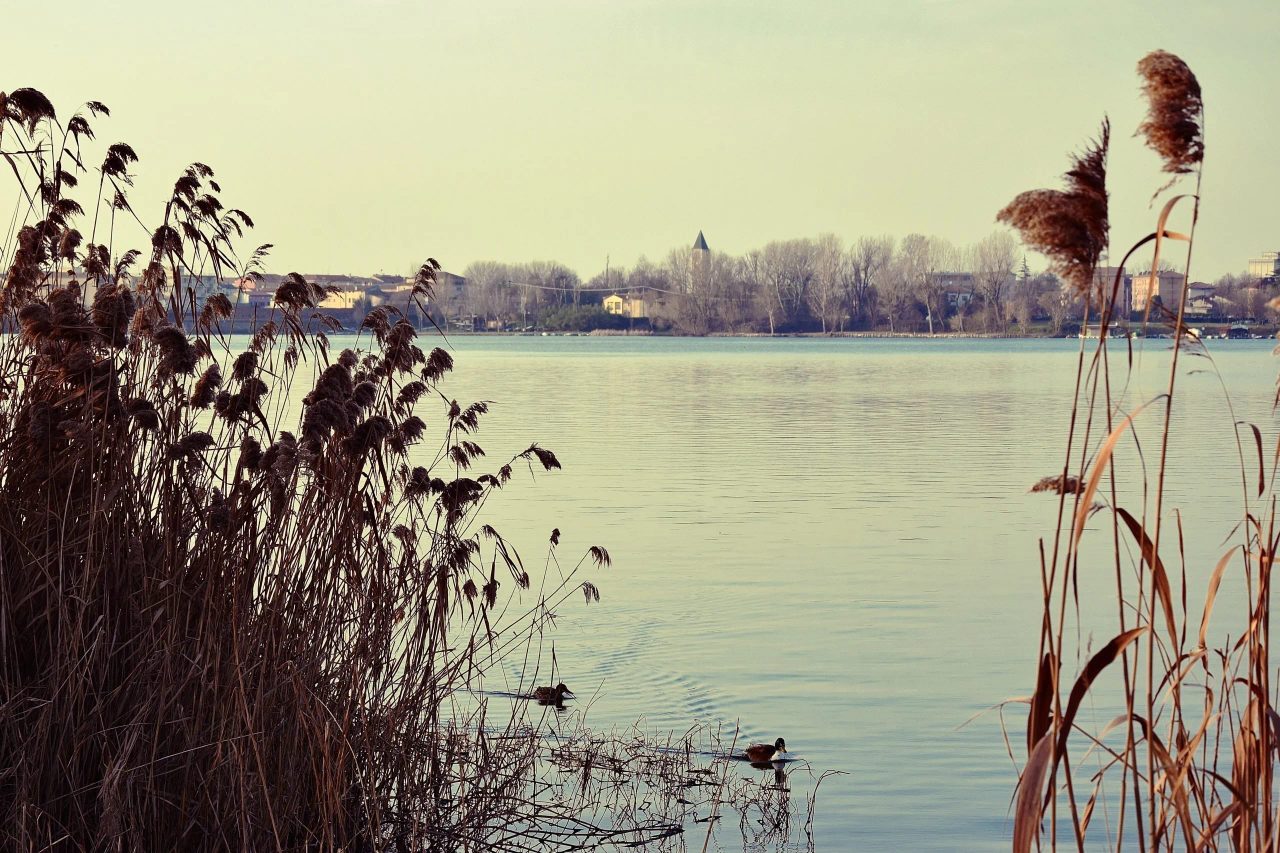
Even if you visit Mantua in one day, every proper walk in the historic center should include a detour to the San Giorgio Bridge.
Mantua's most fascinating feature is its location. The city rises on the bank of the Mincio River and on a peninsula surrounded by three lakes, the Upper Lake, the Lower Lake, and the Middle Lake. It is no coincidence that the city of the Gonzaga is often considered a small Venice lost in the Po Valley.
The San Giorgio Bridge separates the Lower Lake from the Middle Lake and can be crossed on foot, preferably at sunset, to admire in the distance the splendid panorama and Mantua's skyline which lights up.
In summer, the walk becomes one of the most beautiful experiences you can have in the city. On the surface of the three lakes, lotus flowers bloom, giving the city a unique frame of shades of green, pink, white, and yellow.
Following the waterway, a stop at the Fish Market Loggia or Giulio Romano Loggiais also a must. Giulio Romano, Raphael's pupil, also designed Palazzo Te.

Which Buildings to Visit in Mantua
After our long walk, it's time to visit some of the cultural landmarks symbolic of the city and discover the secrets they hide!
Ducal Palace
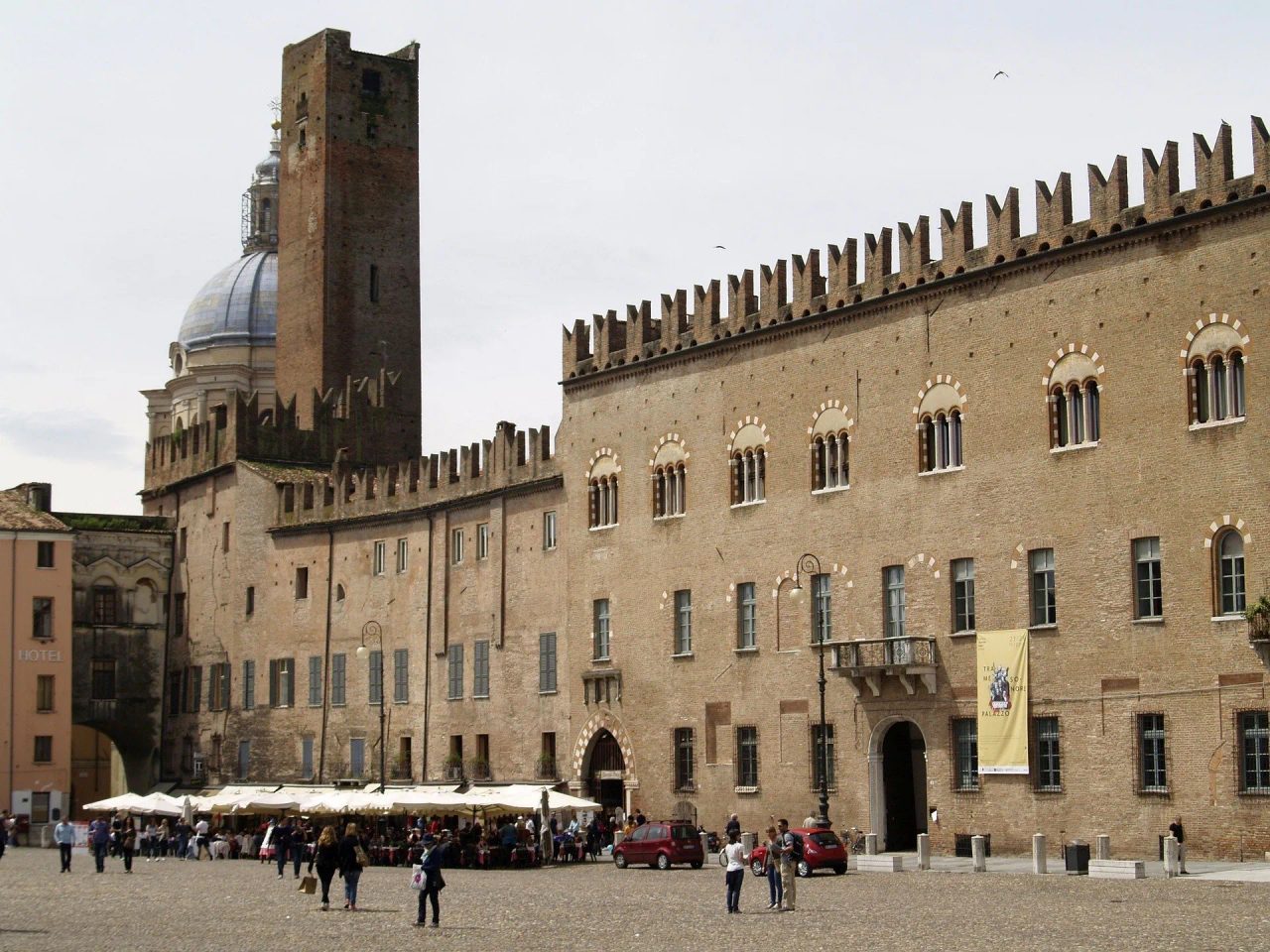
The Ducal Palace on Piazza Sordello is a must-see in Mantua. Organized as a complex of several adjacent buildings, it revolves around the oldest core called Corte Vecchia. It includes the Captain's Palace, immediately recognizable by its battlements, and the Magna Domus, more modest in both size and decoration.
The Ducal Palace was built by the Bonacolsi family but became one of the main residences of the Gonzaga family, who ruled the city from here for about four centuries. The palace houses over 500 rooms decorated by the greatest painters and architects of the time. Examples include the frescoes by Pisanello and the magnificent “The Gonzaga Family in Adoration of the Trinity” by Rubens.
Palazzo Te
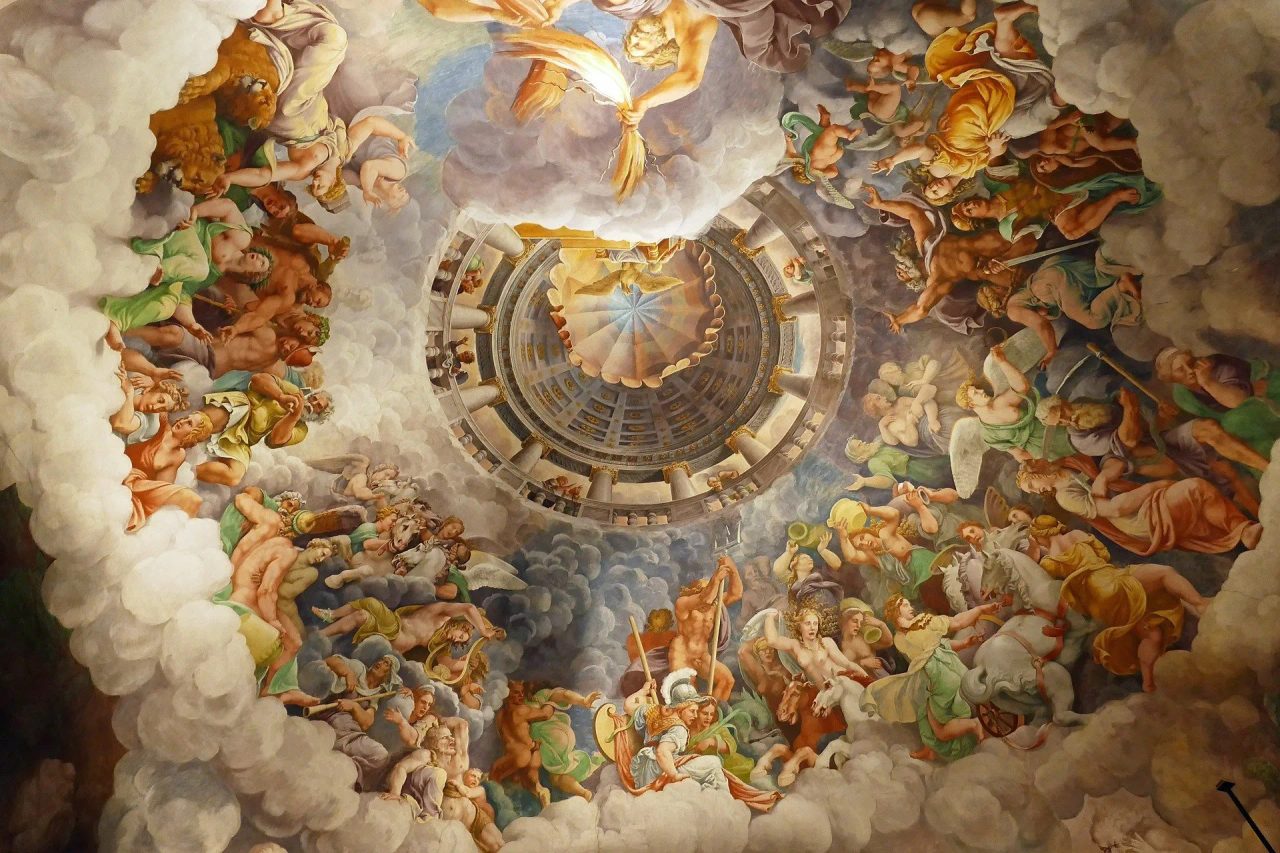
Palazzo Te is a splendid Renaissance villa expressly commissioned by Federico II Gonzaga. The building was meant to be his retreat to escape official duties, to relax in the company of his lover Isabella Boschetti, and to host parties and receptions for his illustrious guests.
The construction of the palace was entrusted to Giulio Romano who created his greatest masterpiece here. Among the frescoes decorating the vaults and walls of this happy island stands out The Giants' Room. The fresco depicts, with a skillful play of perspectives, the punishment Jupiter inflicted on the giants for attempting to replace the gods.
Giulio Romano also designed the splendid cycle of frescoes of Love and Psyche which was meant to represent the forbidden love between Isabella Boschetti and Federico II.
San Giorgio Castle
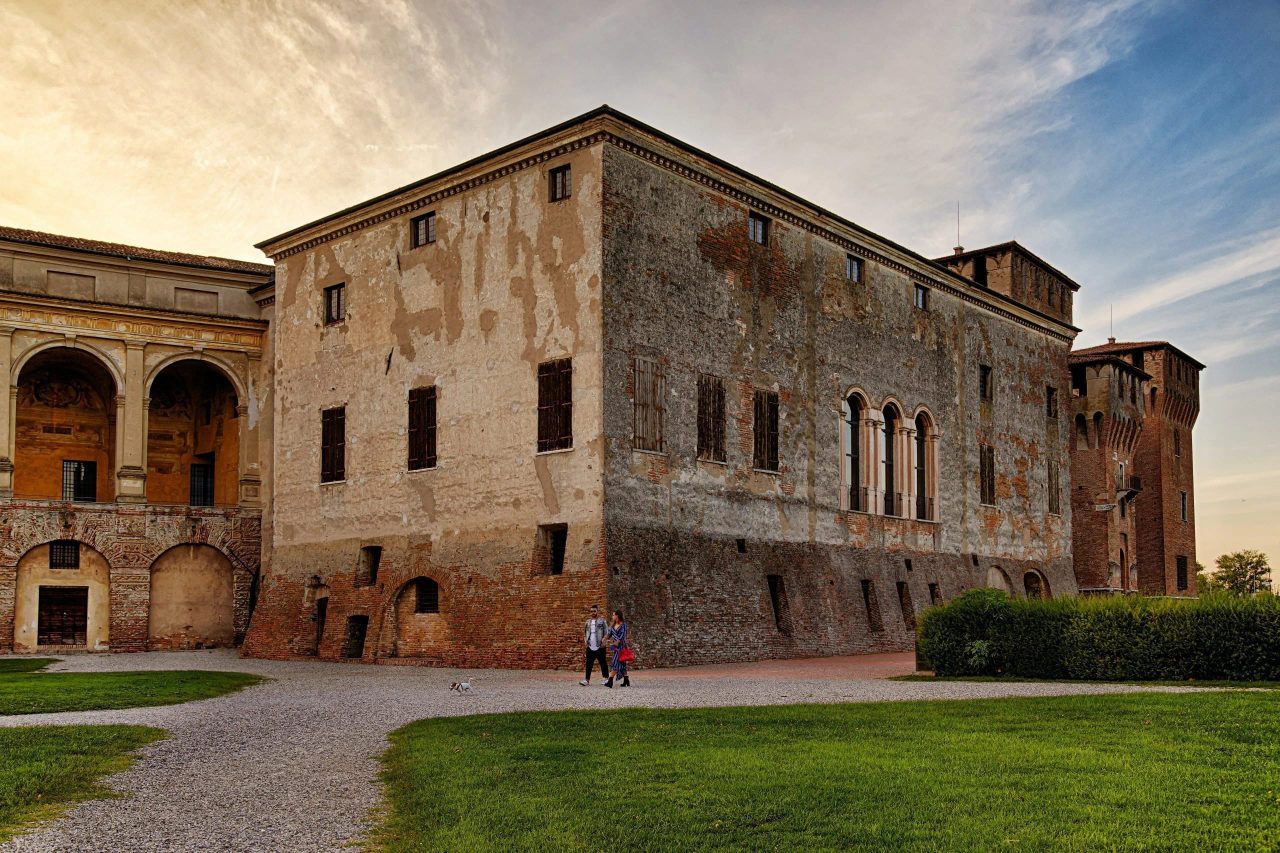
The history of San Giorgio Castle is also closely linked to that of the Gonzaga, who had it built starting in 1395. The initial idea was to create a true fortress, as evidenced by the watchtowers and moat that we can still admire.
Only later did it become the family's residence, who, aiming to repurpose the structure, had it frescoed by gathering the illustrious masters of the arts of the time. Among the beautiful works that can be admired in the castle is the Bridal Chamber, or Camera Picta, painted by Andrea Mantegna over nearly ten years, celebrating the public and private life of the patrons.
Basilica of Sant’Andrea
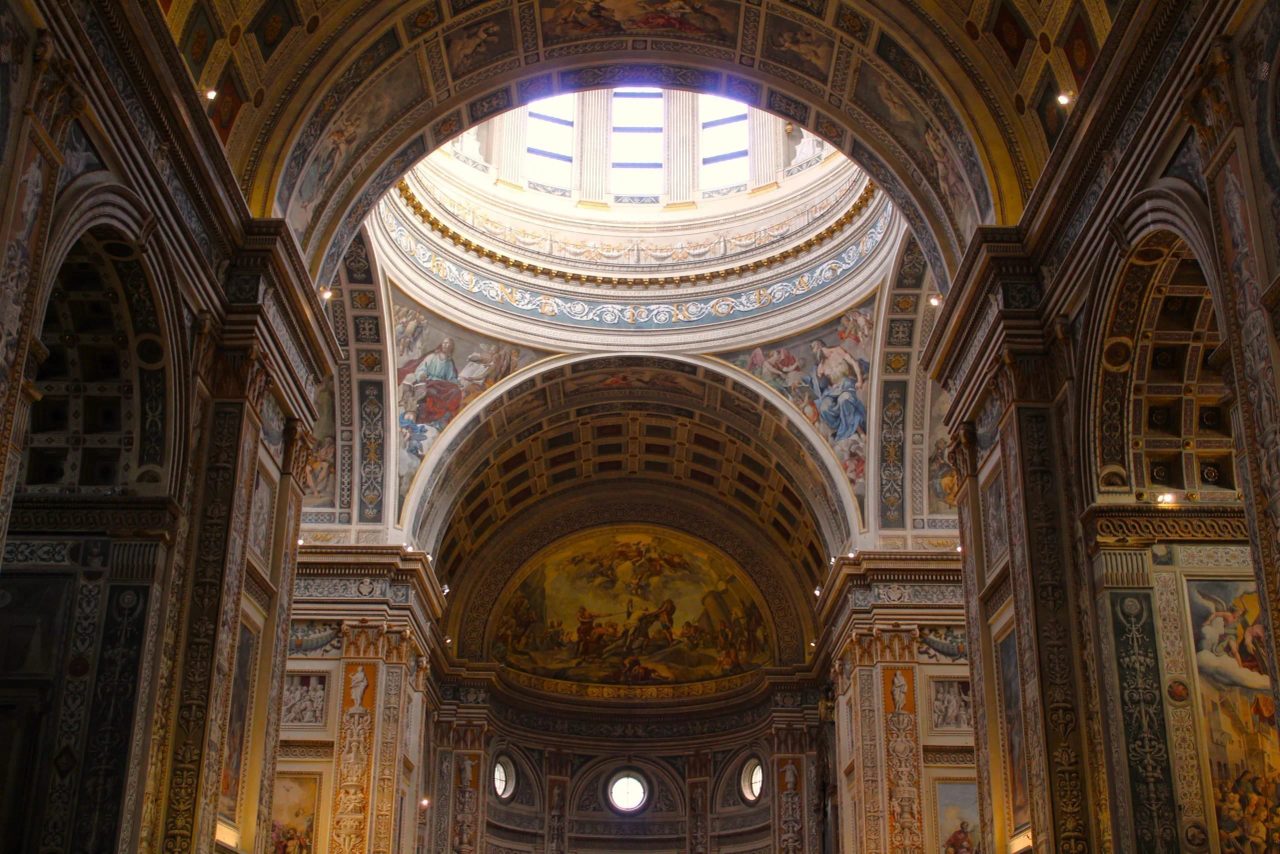
Among the numerous churches. Breathtaking itineraries to experience in the company of other passionate travelers like you!