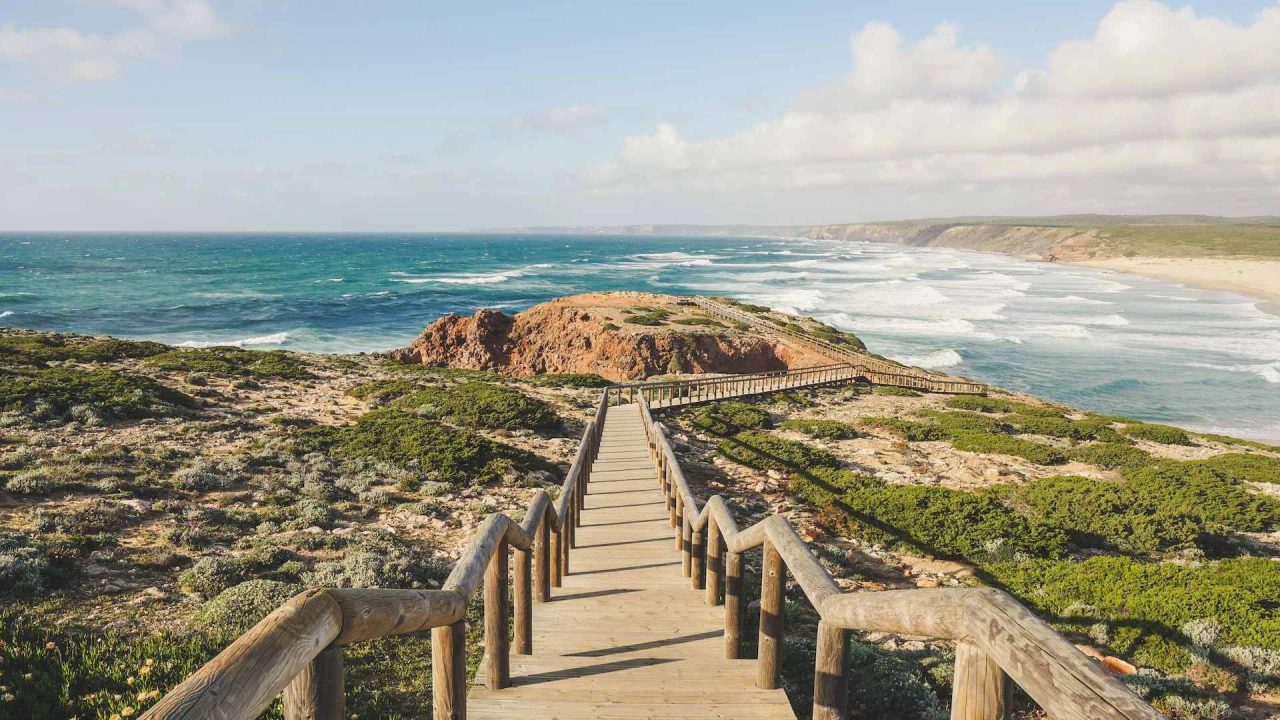
How many people know the Algarve region? Not many, to be honest. Located on the westernmost edge of Europe, the Algarve is a Portuguese region known for its stunning beaches, for the westernmost natural park on the continent, and for the many attractions found within its small territory. Because of this density of things to do and see, many wonder what to see in the Algarve. This region of Portugal overlooking the Atlantic Ocean offers many opportunities for tourists, from those wanting to explore wild nature to those seeking activities more suited to a relaxing holiday.
At Meeters, we have considerable experience inevent organization and in creating opportunities for people to make new friends: for this reason, today we will take a closer look at what to see in the Algarve, in an article that will guide you through some of the region’s most interesting experiences.
Cabo de São Vicente
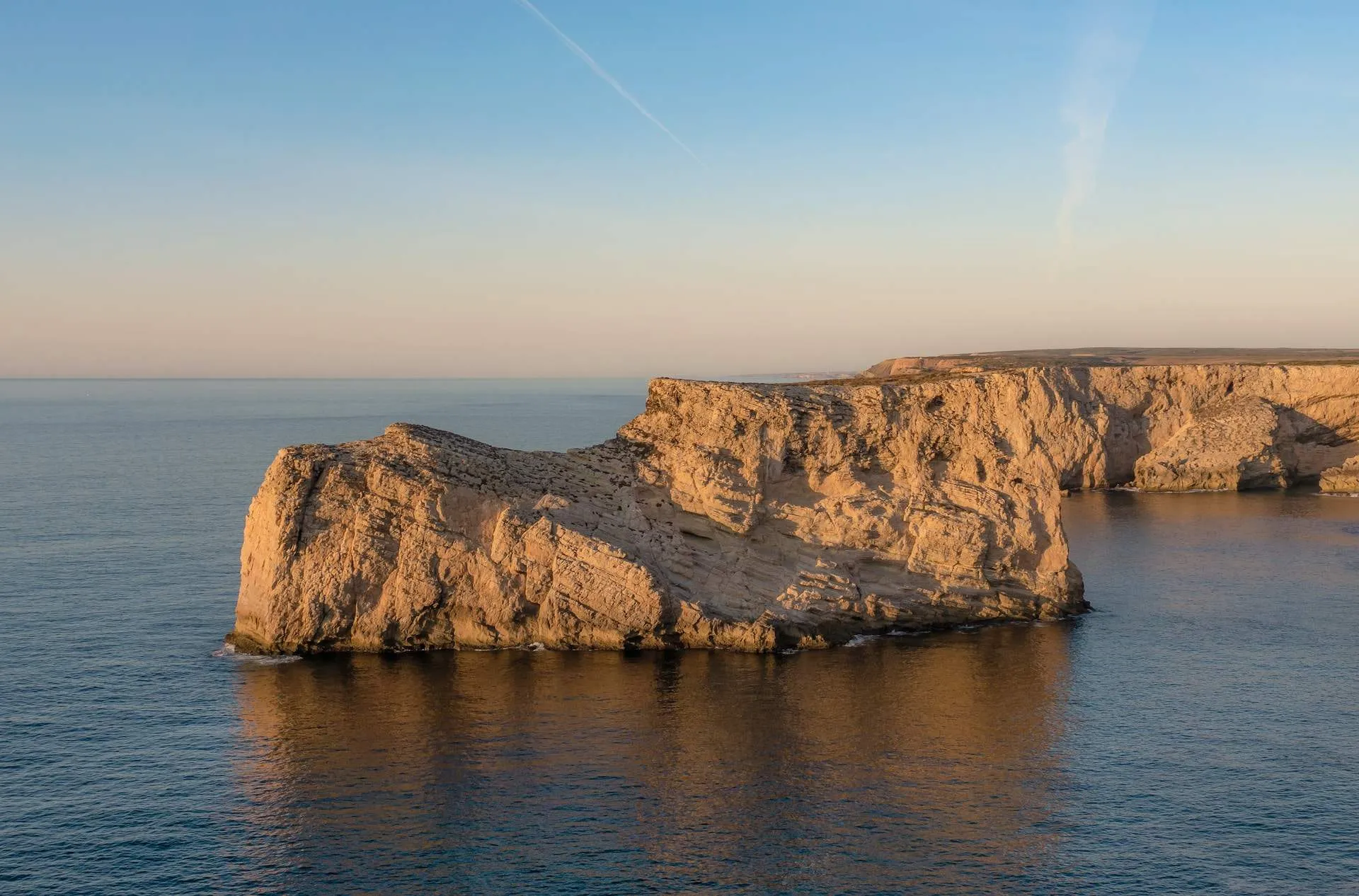
Let's start right at the edge of the world, at least as the Romans saw it. Cabo de São Vicente is the name of a lighthouse located at the southwestern tip of the country, perched on a cliff that plunges into the Atlantic Ocean below. This is undoubtedly a spectacular, evocative, and charming place, known for inspiring artists and writers in their works.
This spot is easily reachable from Sagres, a small town about 5 kilometers away that offers accommodations for tourists. Among other things, this location is quite famous nationally because it gave its name to the local beer, Sagres.
Another type of tourist who will surely appreciate a visit to Cabo de São Vicente is the sports enthusiast. Activities like surfing and kitesurfing are particularly popular here, helped by strong winds and high waves.
The City of Faro
The capital of the Algarve is also one of the most interesting places to explore. Faro is undoubtedly one of the first cities you encounter when arriving in the Algarve, partly because it has the airport. It is a small city with about 40,000 inhabitants and offers all the services of a provincial capital, including a university, shops, an industrial sector, and a beautiful historic center.
History enthusiasts, get ready because Faro has some surprises in store for your holiday. If you choose it as your destination, don’t miss the cathedral with its splendid bell tower open to visitors, nor the Igreja de São Lourenço in nearby Almancil. The latter church is a stunning example of Portuguese skill in the art of azulejo.
The Coasts of Lagos
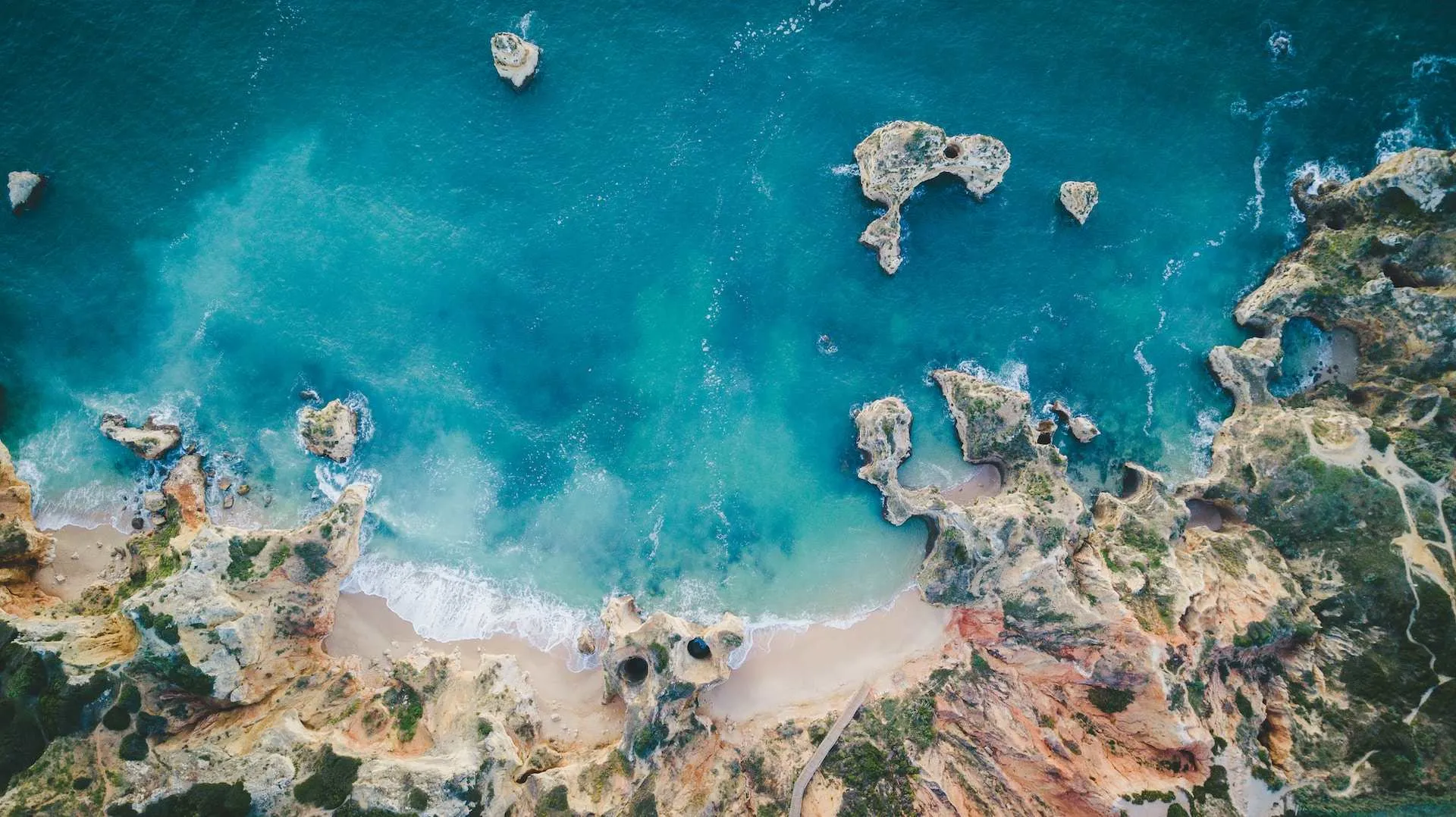
If we had to name just one place to talk about the Algarve’s beaches, it would have to be the city of Lagos, with a coastal landscape that truly takes your breath away. The beaches of Meia Prata, Pinhao, Dona Ana, Camillo, and Batata are incredibly charming, nestled between steep rocky formations and calm ocean waters.
The highlight, without a doubt, is Ponta de Piedade beach: a rock formation where caves, sea stacks, and coves blend like a painting to create a rare balance of forces, weights, and counterweights. During the warm season, this beach can be visited starting from Forte Ponta da Bandeira (also known as Forte Ponta da Piedade), an ancient fortress built near the sea to protect the city from pirate raids.
But that’s not all: Lagos is not just a collection of beautiful beaches but also a place where history weighs heavily. The city houses the Museu Municipal Dr. José Formosinho, which contains a large number of historical artifacts ranging from the Neolithic to post-Roman times, showcasing the various local dominations.
The Old Islamic Capital of Silves
The city of Silves, also known as Xelb, was for centuries the ancient capital of the Islamic kingdom of Al Gharb. The city’s importance in Portuguese history was significant, even surpassing the better-known Lisbon at times, and it was mentioned as an economically important place by nearby Granada.
Unfortunately, the Christian reconquest destroyed much of the artifacts from that era, leaving few buildings intact today. Adding to this, a major earthquake that literally shook the nation in 1755 left the city in a somewhat more desolate state than expected.
That matters little because visiting Silves is still an interesting experience, starting with the castle that guards the city from above. Silves also features an archaeological museum, a beautiful cathedral, and the splendid Igreja da Misericórdia, where you can find various historical and cultural traces of Moorish rule.
The Seven Hanging Valleys Trail and Benagil Cave.
Fancy some trekking? Don’t worry, because along the Algarve coast there’s something just for you. Starting from Centeanes beach and heading towards Praia da Marinha, you can follow an incredible trail that runs along the Atlantic Ocean, offering a privileged view of some of the country’s most beautiful beaches and areas.
The route is about 6 km long but can be extended as much as you like thanks to access points to various beaches where you can take a swim or rest for a while. The trail is well marked, but you should be careful to choose only the safest paths, as erosion in the area has worsened some sections, currently marked on signs with Xs.
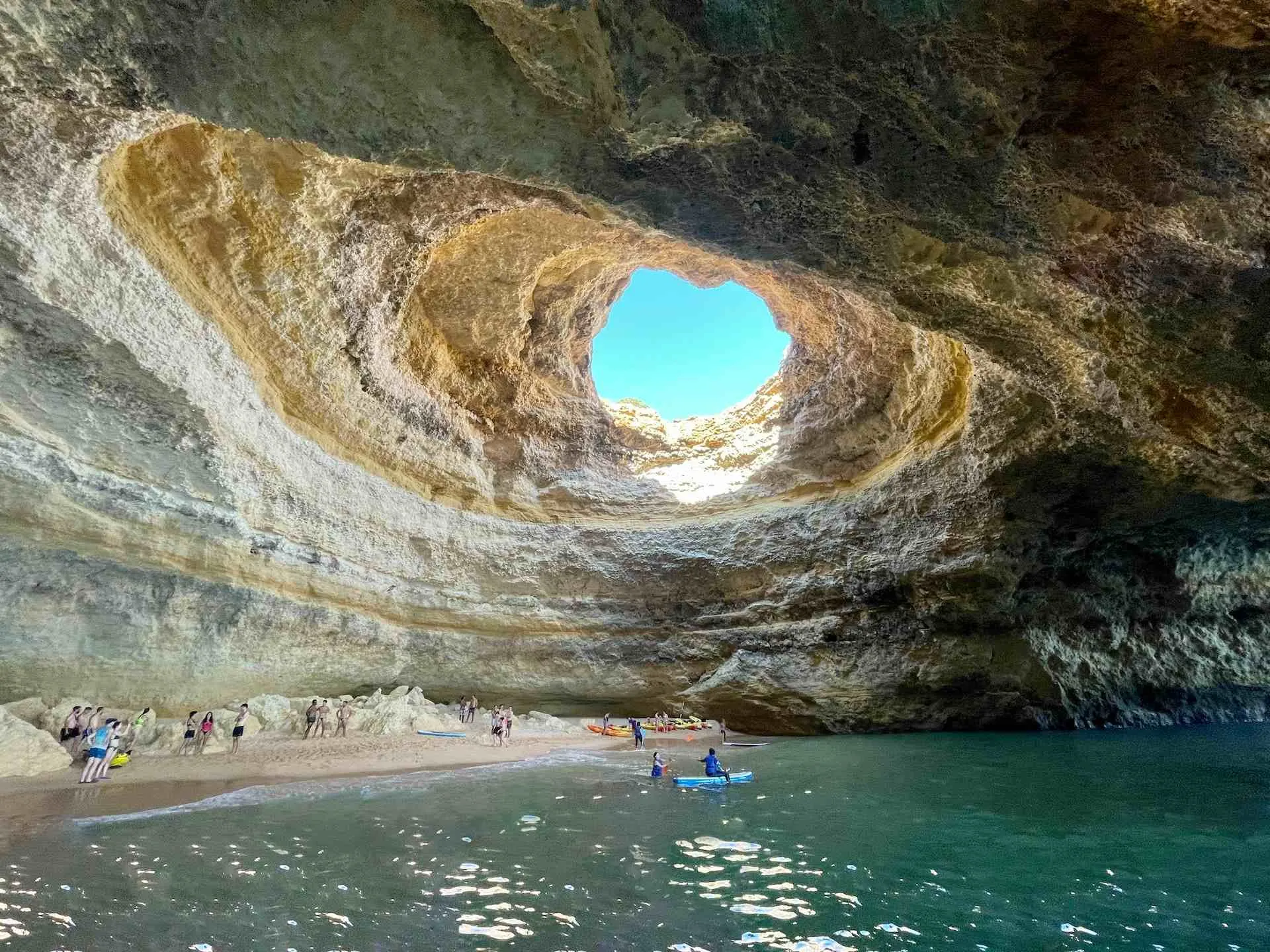
Along the Seven Hanging Valleys trail, an absolutely unmissable stop is Benagil Cave. The encounter with this cave is very special because you see it from above, through a several-meter-long fissure on the side of the trail that allows you to look down into this cavity carved by the sea waves.
The cave entrance is at Praia de Benagil, where you can rent a paddleboard or join a kayak tour to see the wonders of this place up close. It’s best to book well in advance to avoid unpleasant surprises.