
Knowing when to go to Cyprus is essential to have the chance to spend an unforgettable holiday and enjoy all the beauties of this extraordinary Mediterranean island, the third largest after Sicily and Sardinia. It is a place rich in charm and history, perfect for a holiday focused on relaxation and exploration.
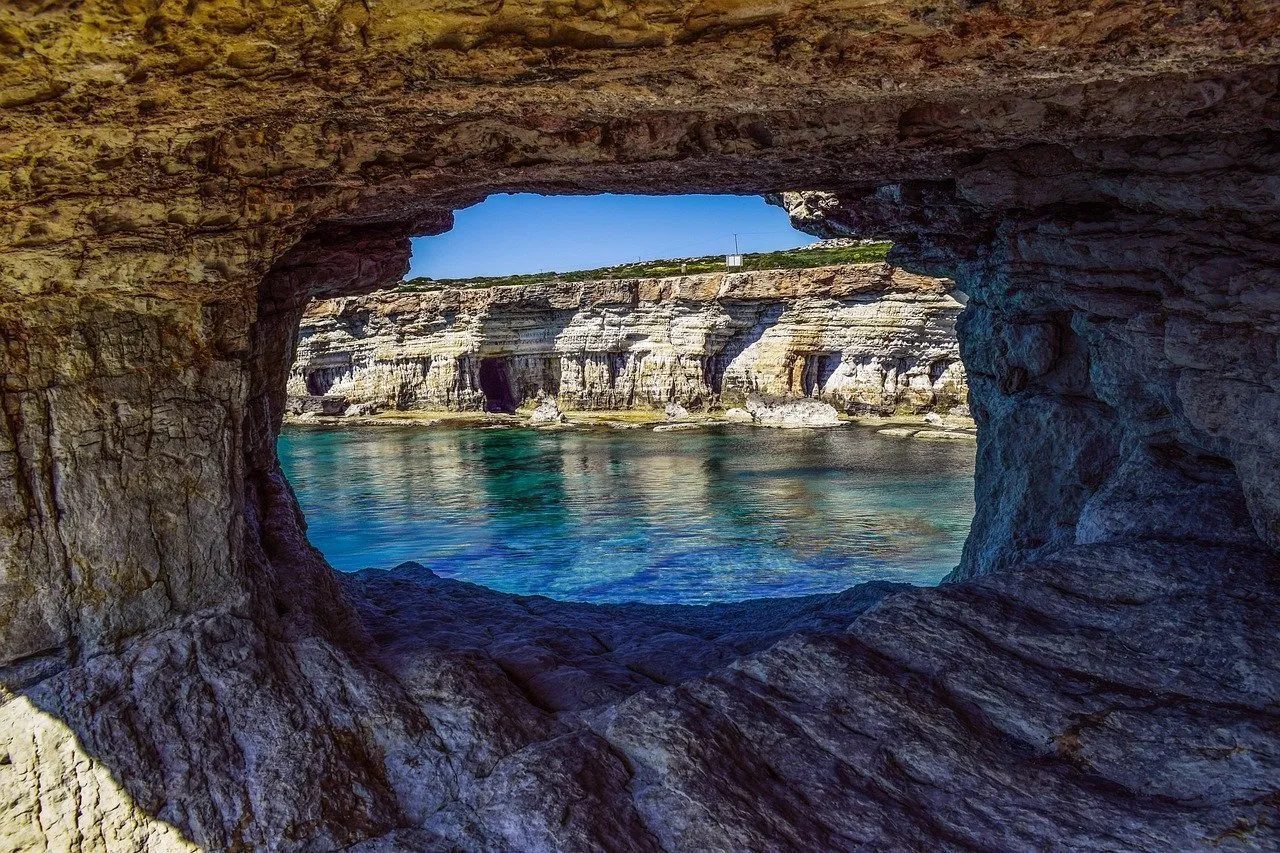
The climate of Cyprus is very mild all year round and the routes to explore across its territory are many. From the capital Nicosia to the pristine coasts where the sea shines emerald green, up to the beach of Petra tou Romiou, where, according to legend, Aphrodite, the Goddess of Love, was born.
Why Go to Cyprus
Planning a trip to Cyprus is a fascinating and evocative experience. The easternmost island of the Mediterranean is a place that radiates magic and mystery from every corner and has a mild climate all year round. It is, therefore, the ideal destination for those who need a break to escape the hectic pace of daily life and reclaim their own rhythm.
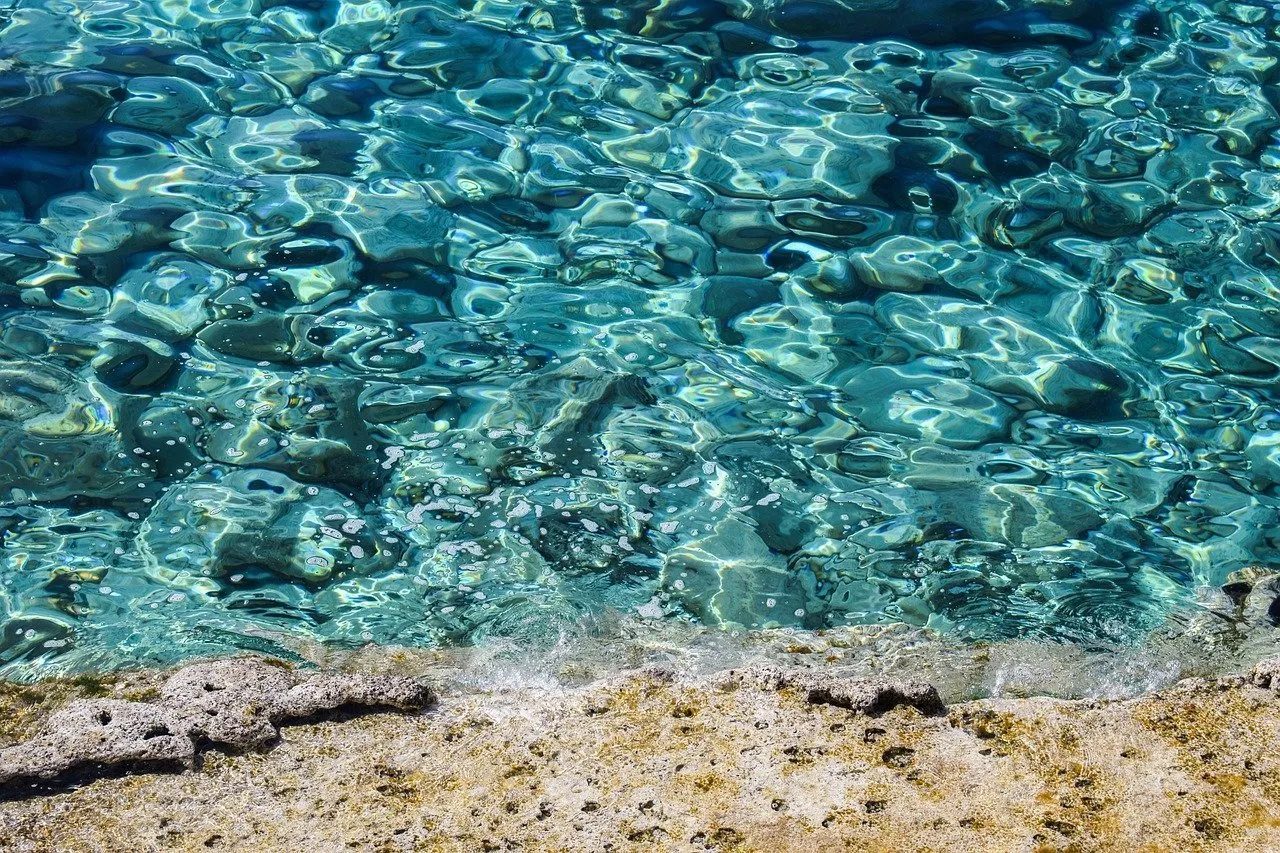
Temperatures here never drop below 15°C and even in autumn can reach 30°C. Those who love warmth and the sea will find in Cyprus a true paradise to relax, enjoy crystal-clear waters, and take leisurely walks through the small coastal villages.
Among characteristic inland towns, cliffside villages, colorful and lively cities, and beaches worthy of the Caribbean, Cyprus is a destination good in every season. Discovering the beauties of Nicosia, the only European capital divided since 1974, with the southern part belonging to Greek Cypriots (and the EU) and the northern part to Turkish Cypriots, means experiencing a unique atmosphere in the world.
And then there is the sea, the island's true treasure, where swimming is an incredible experience. You can choose one of the many resorts located in the southeastern part of Cyprus, or venture to Nissi Beach, the beach from which you can reach, on foot and at low tide, a small islet just a few hundred meters away. To finish with the famous Makronissos Beach, with its very white sand and turquoise sea.
Finally, the already mentioned Petra tou Romiou, a timeless place where the beauty of the blue sea frames many archaeological sites and cliffs plunging into the sea. In short, Cyprus offers much to see, especially for those eager to discover and explore and dream of a journey back in time.

When to Go to Cyprus
The Mediterranean climate is one of the main strengths of Cyprus, especially in the coastal areas. Here, summers are hot and dry and winters very mild. Only if you venture into the central mountainous areas, is there a risk of encountering adverse weather and colder temperatures, sometimes near freezing.
The rainiest period includes December and January, when temperatures hover around 17°C. In other seasons, rainfall is scarce or limited, so much so that from June to September the island often faces drought.
During the summer, which in Cyprus lasts roughly from May to October, daytime temperatures can reach peaks of 36°C in the inland areas and 32°C on the coast. However, in the evening it drops to around 20°C, also thanks to the sea breezes that make the heat more bearable.
Therefore, to understand when to go to Cyprus, it is necessary to determine the type of holiday you want to experience. For a stay focused on exploration and excursions, the best period is during spring or autumn, when temperatures are not too oppressive. If, instead, you seek a holiday of beaches and sea, then it is better to choose a period between June and mid-October, when there is no sign of rain and you can fully enjoy the beauty of the Cypriot coasts.

5 Things to See in Cyprus
Besides the splendid beaches, Cyprus offers many other attractions for tourists and visitors, starting with the capital Nicosia and its historic center and Ledra Street. It is a pedestrian street where you can deeply breathe the local atmosphere and perhaps buy some souvenirs.
In the northern part of Nicosia, instead, there is the Buyuk Han, the largest caravanserai on the island. It is one of the major architectural works, built by the Ottomans in 1572 and once hosting merchants seeking rest.
Also in the capital, you cannot miss the beautiful Selimiye Mosque or Cathedral of Saint Sophia. With its minarets visible from afar, it is one of the island's main religious attractions. However, to enter, you must be barefoot and women must cover their heads out of respect for the Muslim faith.
Finally, the last place to visit in Nicosia is the Cyprus Archaeological Museum which houses the best finds that still tell the story of Byzantine structures built here between the 11th and 16th centuries.
Holiday in Cyprus: Some Tips
The first thing to know about Cyprus is that, despite being an EU member, it is not part of the Schengen Agreement. Therefore, when arriving on the island, you must go through document control. However, a passport is not mandatory; a valid ID card for travel abroad.
is sufficient. One of the most common tips from travel agencies and tour operators is to arrive on the island via the territory of theRepublic of Cyprus , that is, through the airports of Larnaca and Paphos or the ports of Limassol and Larnaca. The airports of the Turkish Republic of Northern Cyprus operate illegally
(being recognized only by Turkey), so it is better to avoid them. If you want, however,to also visit the Turkish Cypriot part , then apassport is necessary, although recently a simple ID card has also been accepted. Finally, regarding the possibleexport of artistic and archaeological goods , this is subject to restrictions, while in the Republic of Cyprus it is not allowed to bring in counterfeit goods