World War I Summary: The Sparks of a Global Conflict
Imagine yourself in a world where tensions among the great powers are about to explode. It was in this very climate that World War I began. To truly understand this conflict, we must dive into the past, precisely at the start of the 20th century. Alliances between nations were as tense as violin strings, ready to snap at the slightest jolt. That “jolt” came on June 28, 1914, with the assassination of Archduke Franz Ferdinand of Austria in Sarajevo. This event was the fuse that ignited a worldwide conflict involving powers such as the British Empire, France, Russia, the Austro-Hungarian Empire, and Germany.
Crucial Phases of the Conflict: From Trenches to Total War
The war unfolded through several phases, each with its own characteristics. Initially, many believed it would be a short war, but they were gravely mistaken. The war of movement quickly turned into a war of position, with soldiers trapped in a hell of mud and barbed wire in the trenches. The Battle of the Somme and Verdun are just two examples of the brutality and stalemate that defined this period. As the conflict dragged on, the nations involved began mobilizing all their resources in a “total war” that spared neither civilians nor soldiers.
Technology Serving Destruction: Innovations and Horror
World War I was also a testing ground for new and terrible technologies. The introduction of weapons such as poison gas, tanks, and combat aircraft forever changed the face of warfare. Gas, in particular, was one of the most dreadful innovations, causing unimaginable suffering and horrific deaths. And let’s not forget submarine warfare, with German U-boats threatening Allied commercial and military routes.
The Home Front: Life During the War
We cannot forget the war’s impact on daily life. Women, in particular, had to take on traditionally male roles, working in factories and auxiliary services. Food shortages and harsh living conditions were the norm. Propaganda played a crucial role in maintaining morale and demonizing the enemy. The war was not only on the battlefields; it was present in every aspect of people’s lives.
The Role of Colonial Empires and the War Beyond Europe
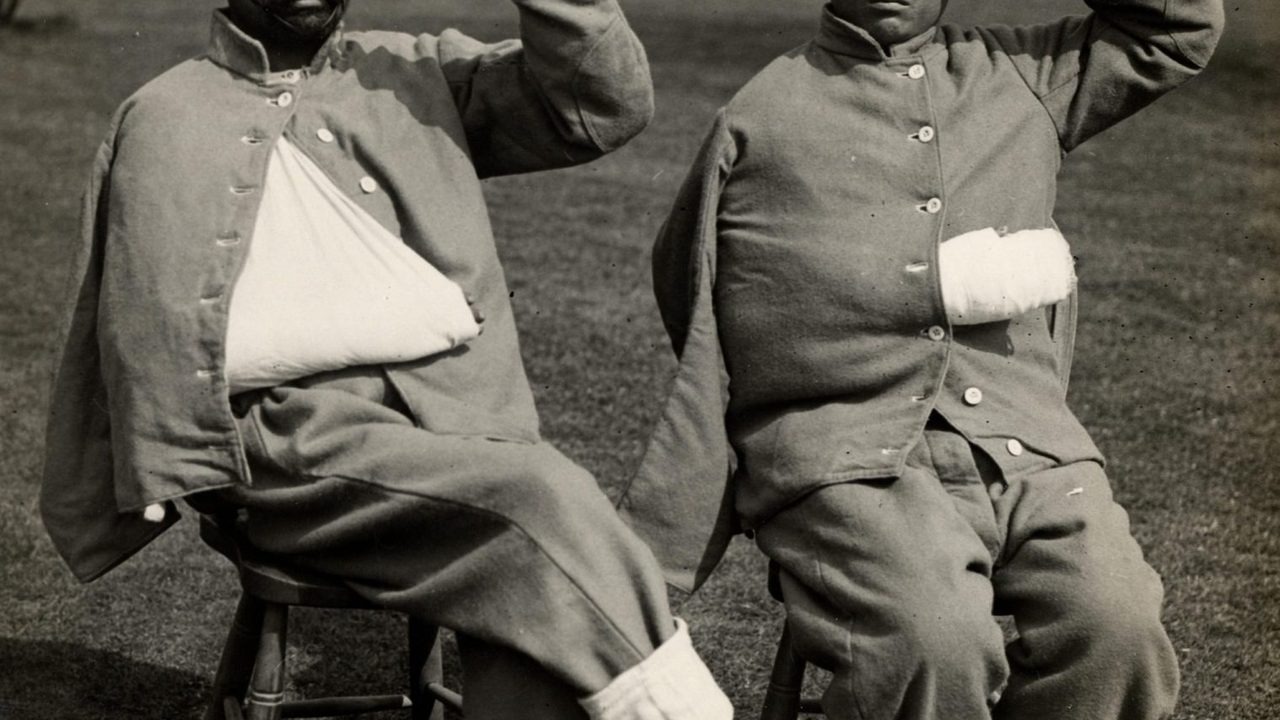
World War I was not just a European affair. Colonial empires were fully involved, with soldiers from Africa, Asia, and America fighting and dying far from their homes. This helped spread the conflict to places like the Middle East, where fierce battles were fought over strategic points such as the Suez Canal.
The Price of Blood: Devastating Human Losses
Speaking of human losses, World War I was unprecedented. It is estimated that about 10 million soldiers lost their lives, not counting the millions of civilians who died from hunger, disease, and bombings. The losses were so high that entire generations were decimated, leaving a void that would have repercussions for decades.
The End of the Conflict: Versailles and Its Repercussions
After four long years, the war ended with the signing of the Treaty of Versailles in 1919. However, the peace achieved was far from serene. The treaty imposed harsh sanctions on Germany, creating fertile ground for resentment and the birth of new conflicts. Maps were redrawn, empires collapsed, and new nations emerged from their ashes. World War I had redefined the global political landscape.
Long-Term Consequences: Trauma and Memory
The trauma of the war left deep scars. Veterans returned home with physical and psychological wounds, while society struggled to comprehend the immense loss suffered. Literature and art reflected the disillusionment and search for meaning in a world that seemed to have lost all certainty. The memory of the war is still alive today, in monuments and cemeteries scattered across European landscapes.
World War I and History: Final Reflections
Reflecting on World War I, we cannot help but consider how this conflict shaped the 20th century. Its consequences were felt long beyond the signing of peace treaties, influencing politics, society, and culture for years to come. World War I is not just a chapter in history; it is a lesson that continues to teach us the importance of diplomacy, understanding, and mutual respect among nations.
World War I Summary: A Lasting Legacy
In conclusion, World War I is not just a historical event to study in books. It is part of our collective past that continues to influence the present. Its summary offers us a window into an era of radical change and reminds us of the stories of those who lived, fought, and sacrificed everything in those dark years. Their legacy is a warning to future generations to seek peace and resolve disputes through dialogue and understanding, rather than by the force of arms.
What Were the Main Causes of World War I?
The main causes of World War I include the alliance system among the great powers, nationalism, imperialism, the arms race, and the assassination of Archduke Franz Ferdinand.
How Did the War Change the Map of Europe?
The war led to the collapse of four major empires – the Russian Empire, Austro-Hungarian Empire, Ottoman Empire, and German Empire – and the birth of new nations such as Poland, Czechoslovakia, and Yugoslavia.
What Were Some of the New Technologies Used in World War I?
New technologies included poison gas, tanks, combat aircraft, and submarines, which significantly increased the lethality of the conflict.
What Was the Impact of World War I on the Civilian Population?
The civilian population suffered from famine, disease, bombings, and a radical change in social roles, with women entering the workforce en masse.
How Did World War I Influence the Arts and Literature?
The war profoundly influenced the arts and literature, with movements like Modernism and Dadaism reflecting disillusionment and the search for new forms of expression.
What Lessons Can We Learn from World War I?
Lessons include the importance of diplomacy, the need to manage international tensions peacefully, and the recognition of the horrors of total war.
And you, dear readers, what do you think about World War I and its consequences? Do you have any reflections or questions you'd like to share? Feel free to leave a comment below and join the discussion. History is also made of voices and memories, and every contribution is valuable to keep the memory of those distant yet still so close events alive.