An Epic Summary of World War I
Imagine being thrown back in time to the dawn of the 20th century. An era of declining empires, rising nationalisms, and technological innovation that was changing the face of war. The summary of World War I I am about to share with you is not just a list of dates and battles, but a journey through the complexities of a conflict that redrew maps and societies.
The Sparks That Ignited the Conflict
It all began with an event that, though tragic, seemed at the time an isolated incident: the assassination of Archduke Franz Ferdinand of Austria in Sarajevo on June 28, 1914. This act of violence triggered a chain reaction of alliances and defensive pacts that involved the world’s major powers in a global-scale conflict.
The Great Powers Enter the War
Germany, Austria-Hungary, the Ottoman Empire, and Bulgaria formed the Central Powers, while Great Britain, France, Russia, Italy, and later the United States sided with the Allies. The summary of World War I cannot overlook how imperial ambitions and territorial rivalries fueled the flame of conflict.
Trench Warfare and Innovation in the Conflict
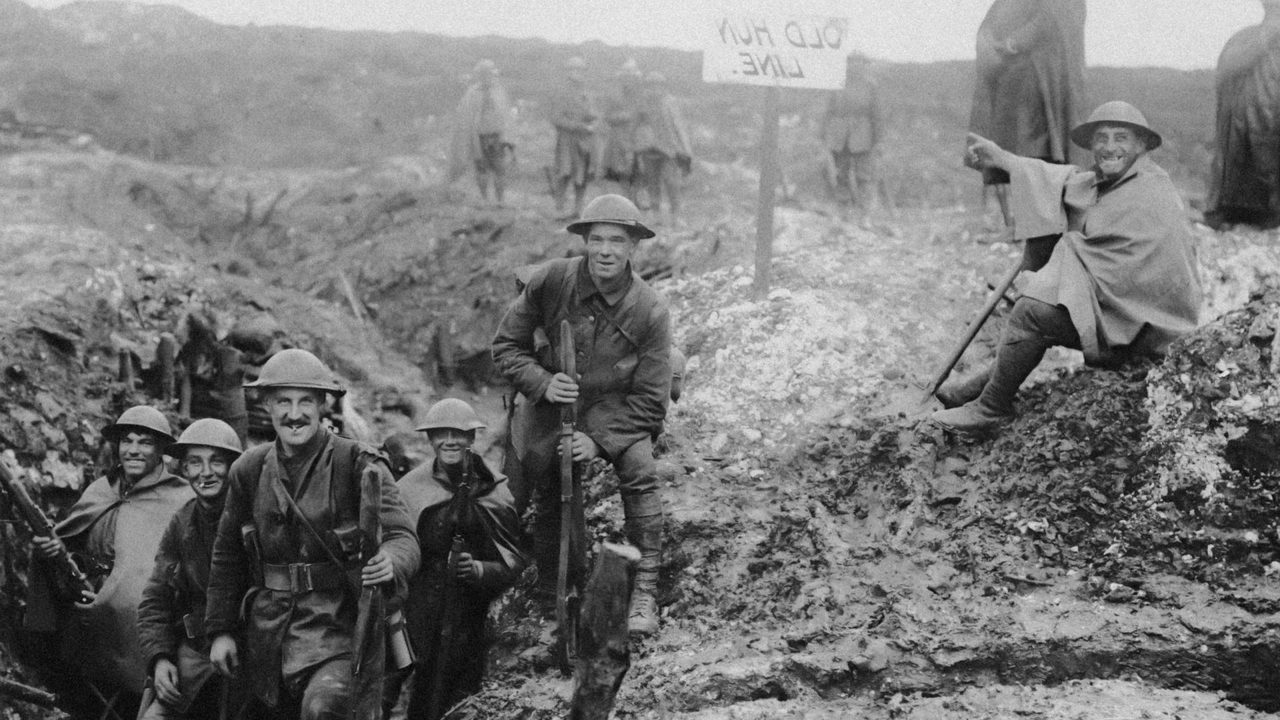
The Western Front became famous for its trench warfare, where millions of soldiers lived and fought in inhumane conditions. The war of movement turned into a war of position, with minimal advances and maximum losses. The introduction of new technologies, such as poison gas, tanks, and airplanes, forever changed the way of fighting.
The Eastern Front and Overseas Campaigns
While the Western Front bogged down, the Eastern Front saw broader and more decisive movements. Russia, with vast human resources but severe logistical and technological shortcomings, faced enormous difficulties. At the same time, the conflict extended beyond Europe, with campaigns in the Middle East, Africa, and Asia demonstrating the true global scope of the war.
Civilian Life During the Conflict
We cannot forget the impact of the war on civilian life. Economies were oriented toward the war effort, with rationing and workforce changes that saw women take on traditionally male roles. Propaganda and censorship became key tools to maintain morale and control public opinion.
The Role of the United States and Entry into the Conflict
The United States entered the war in 1917, an event that marked a turning point. Their freshness and economic resources provided a crucial boost to the Allies. President Woodrow Wilson proposed his “Fourteen Points” as a basis for future peace, emphasizing the right of peoples to self-determination.
The End of the Conflict and the Treaty of Versailles
After four years of bloody fighting, the war ended with the armistice of November 11, 1918. The 1919 Treaty of Versailles redrew the map of Europe but also imposed heavy war reparations on Germany, creating fertile ground for future conflicts.
The Legacy and Consequences of the Great War
The summary of World War I would be incomplete without considering its consequences. The war led to the fall of empires, the Russian Revolution, and the birth of new nations. Human losses were immense, and the collective psyche deeply marked by the trauma of the conflict.
World War I in Collective Memory
Today, World War I lives in collective memory as a warning of the devastation of total war. Monuments and cemeteries scattered across Europe are places of reflection on the human cost of the conflict and the fragility of peace.
A Summary That Invites Reflection
This summary of World War I invites us to reflect on the lessons learned and those forgotten. History teaches us that peace is a precious and fragile good that requires constant commitment to be preserved.
Why Is World War I Considered a Global Conflict?
World War I directly or indirectly involved all the major world powers of the time and was fought on several continents, making it one of the first true global conflicts in modern history.
How Did the Introduction of New Technologies Change the War?
New technologies, such as poison gas, tanks, and airplanes, made the war more lethal and unpredictable, changing military tactics and significantly increasing the number of casualties.
What Was the Impact of the War on Civilian Life?
The war had a profound impact on civilian life, introducing rationing, mobilizing women into the workforce, and causing significant social changes due to the war effort.
How Did the United States Influence the Outcome of the War?
The United States’ entry into the war gave the Allies a decisive advantage in human and financial resources, accelerating the end of the conflict.
What Were the Main Consequences of the Treaty of Versailles?
The Treaty of Versailles redrew the map of Europe, but the heavy reparations imposed on Germany contributed to a sense of injustice and humiliation that fueled the rise of Nazism.
How Is World War I Commemorated Today?
World War I is commemorated through monuments, ceremonies, and war cemeteries that serve as reminders of the tragedies of the conflict and as symbols of peace.
With this, I leave you hoping that this summary of World War I has offered you not only information but also food for thought. Feel free to leave a comment with your reflections or questions. History is an ongoing dialogue with the past, and every voice adds depth to our understanding.