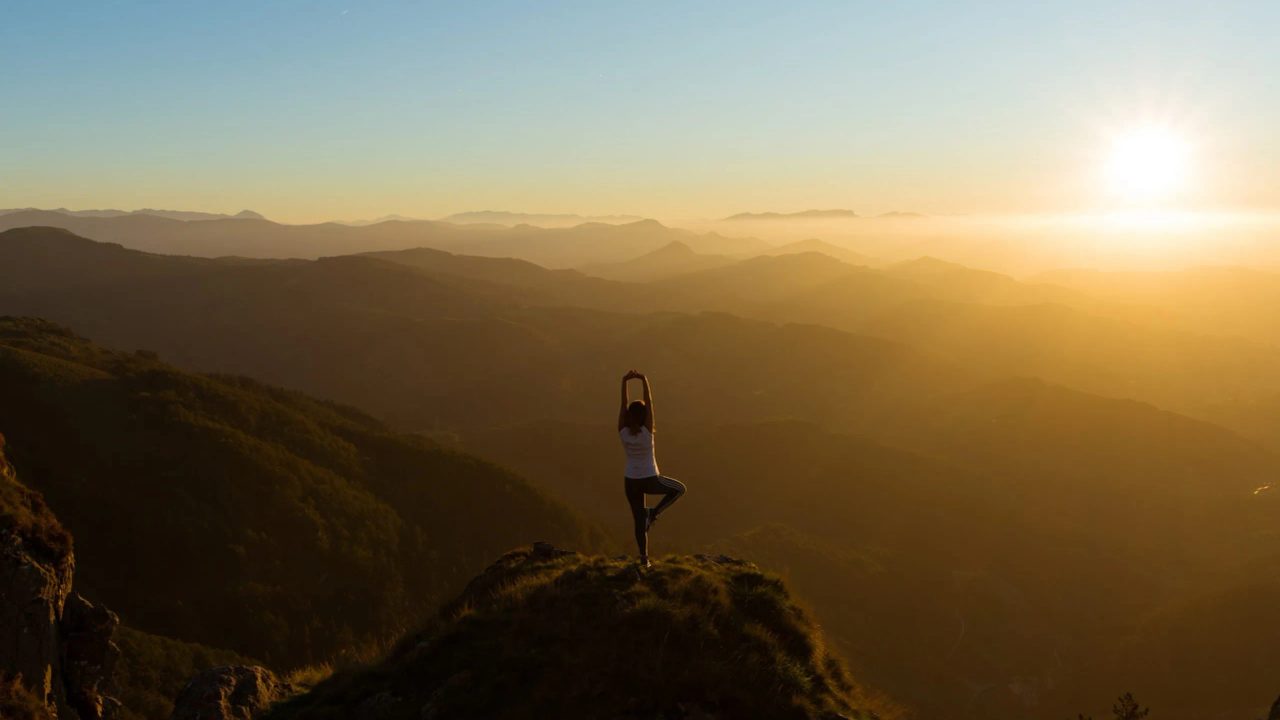
Yoga in nature: one of the best ways to feel connected with the environment and take your practice outside. After all, indoor yoga is a fairly recent phenomenon since yogis originally practiced yoga outdoors, in beautiful and pristine places.
Whether in the mountains or even just in a small city park, not only is exercising in nature free, but it’s incredibly revitalizing and brings you closer to yoga’s original purpose: when we practice yoga in nature, we are able to interact with all the external forces around us, honoring our interconnection with the environment and its elements.
Ready to book a spot in the park? Here are some tips to practice yoga outdoors at its best:
 Seek Shade
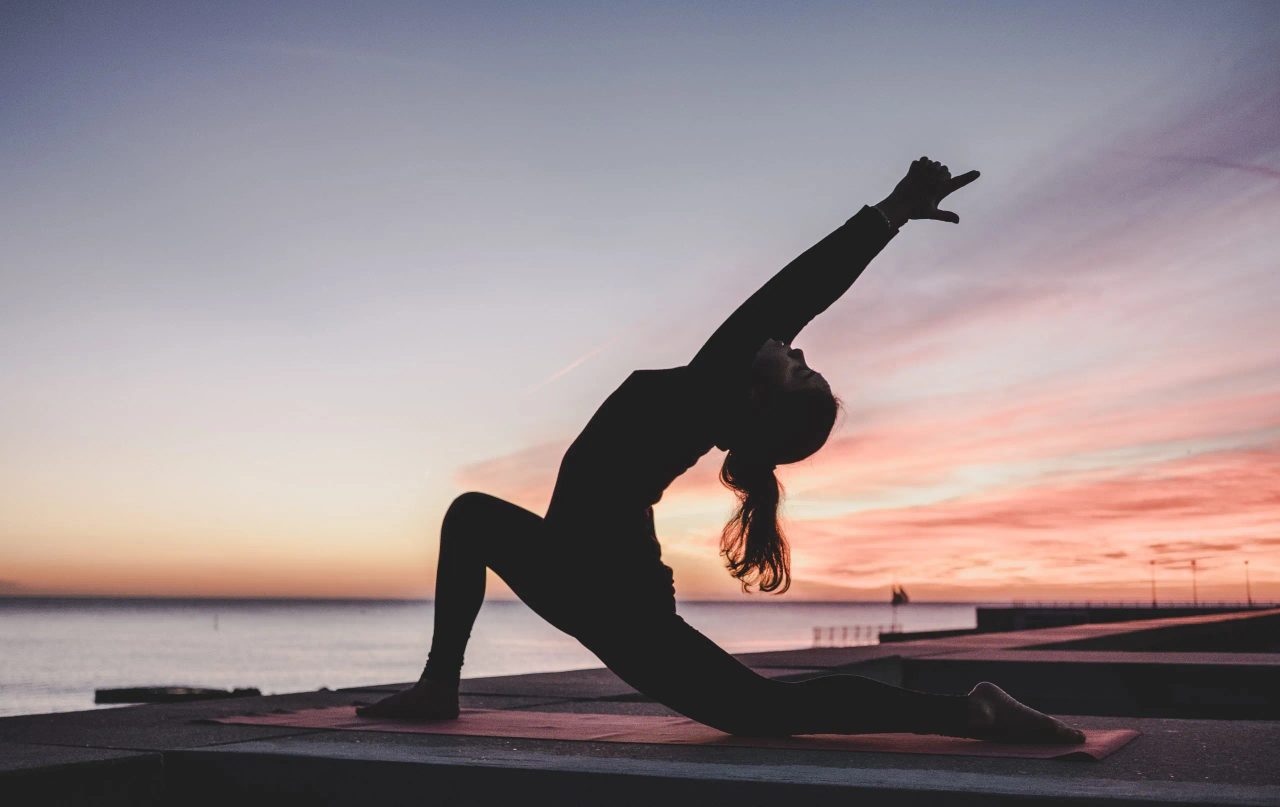
In theory, lying in a sunny spot is invigorating. But in reality? You’ll probably be sweaty and miserable by the second sun salutation. Direct sunlight can be draining since yoga can already be a practice that makes you work hard and sweat. We suggest finding a spot with full or partial shade – or simply going out during the milder parts of the day: before 10 a.m. or after 4 p.m. (before 8 a.m. and after 7 p.m. in the warmer season).
Find a Beautiful View
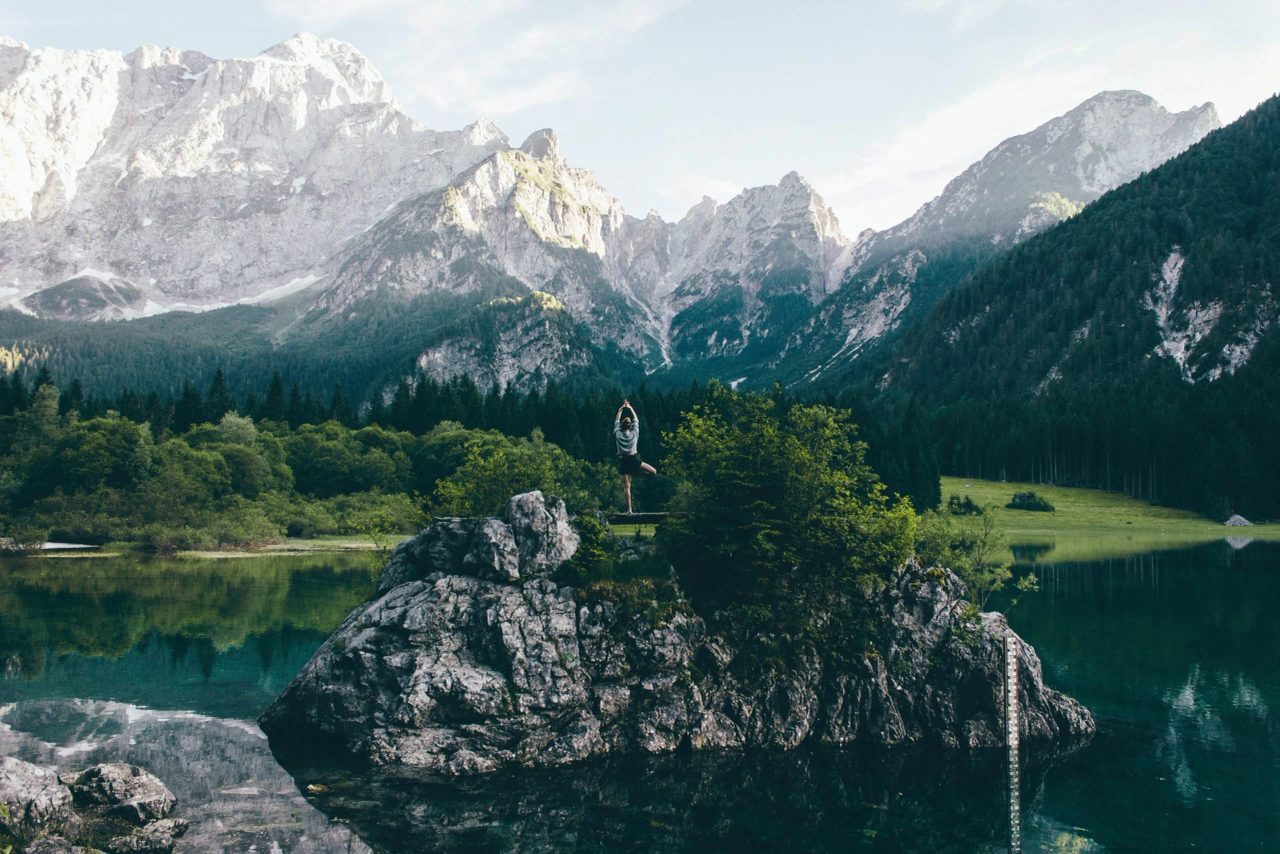
To get the most out of practicing yoga in nature,choose an outdoor setting that offers a beautiful view.
Even if you’re in the city, just look for some trees, a hedge, distant mountains, or a patch of sky not blocked by buildings or industrial sheds.
It will be inspiring and help you find greater relaxation and perfect focus on your practice.
 Ditch the Mat
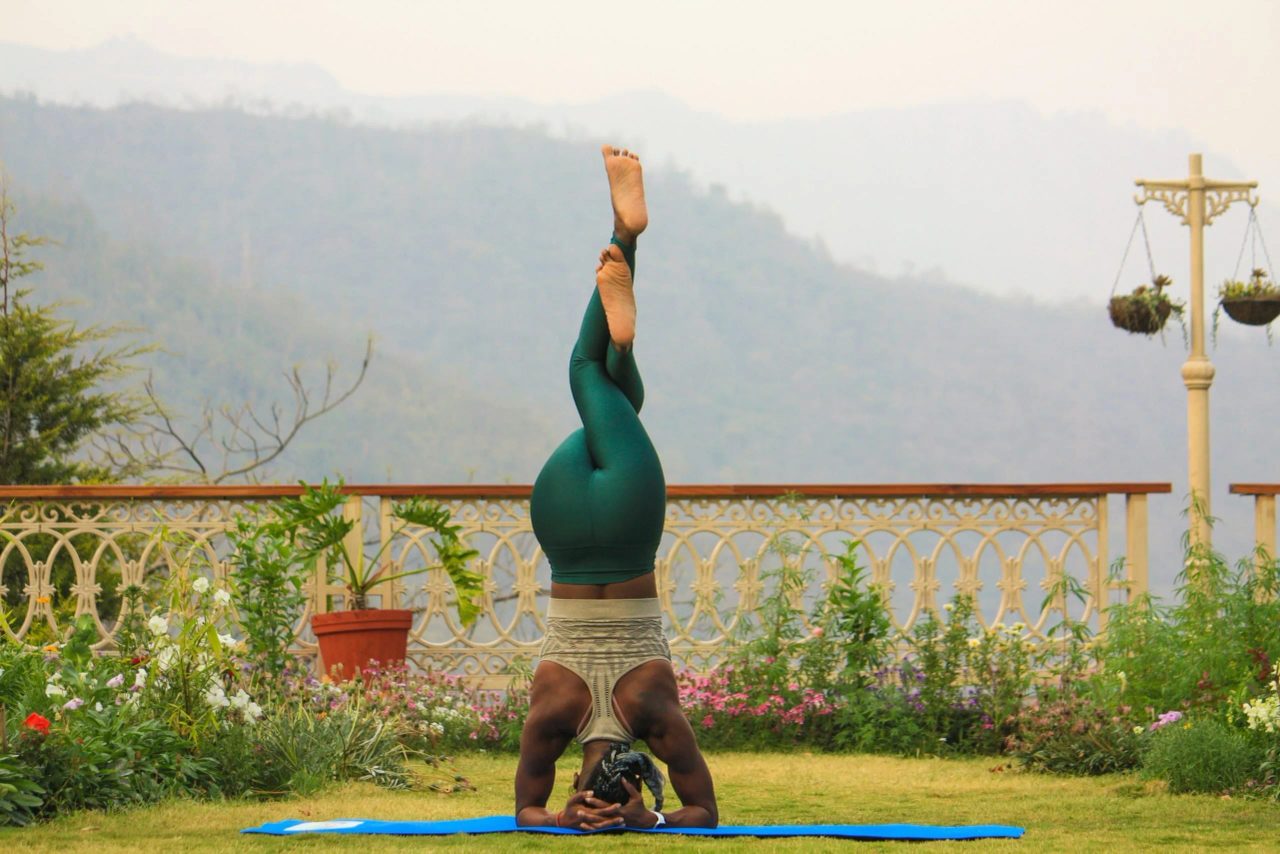
If you have access to a nice lawn,take advantage of nature’s yoga mat: the grass. There are many benefits to direct foot-to-ground contact, plus you can enjoy the relaxed atmosphere of practicing without a mat. Grass is soft, welcoming, and can bring a freer energy to your practice.
Sitting or lying on the grass allows you to connect better with nature, reducing stress and improving overall well-being. Additionally, the uneven surface of the lawn offers a unique opportunity to work on balance and proprioception, making your practice even more challenging and beneficial. Don’t forget to breathe deeply, savor the fresh scent of the grass, and listen to the surrounding sounds: birdsong, rustling leaves, the wind caressing your skin. These natural elements can transform a simple yoga session into a full sensory experience, promoting greater awareness and presence in the moment.
Put on Headphones
Outdoor yoga may seem peaceful, but the truth is you’ll probably hear traffic noise, children playing, or people passing by.
If you’re not lucky enough to have access to a pristine natural spot, having headphones and listening to relaxing sounds or music really helps you find your own little private world. It also makes you less worried about what people might think of you.
 Bring a Scarf
During the final phase of your session, the resting phase, place a scarf, blindfold, or shawl over your eyes to block sunlight and help you relax.
Relaxation is difficult when there are dogs around or you feel uncomfortable lying in the middle of a park. Covering your eyes is a surprisingly easy way to shut out the world and immerse yourself within.
Bring a Book
The first few minutes after any yoga class, especially indoor ones, can be a bit jarring: you’ve been lying completely still in the dark, only to be suddenly introduced to the fluorescent glare of the gym.
But when you do yoga in nature or in the park, you can linger and savor the relaxed state you worked so hard to achieve. So allow yourself a few extra minutes of relaxation and time for yourself after practice.