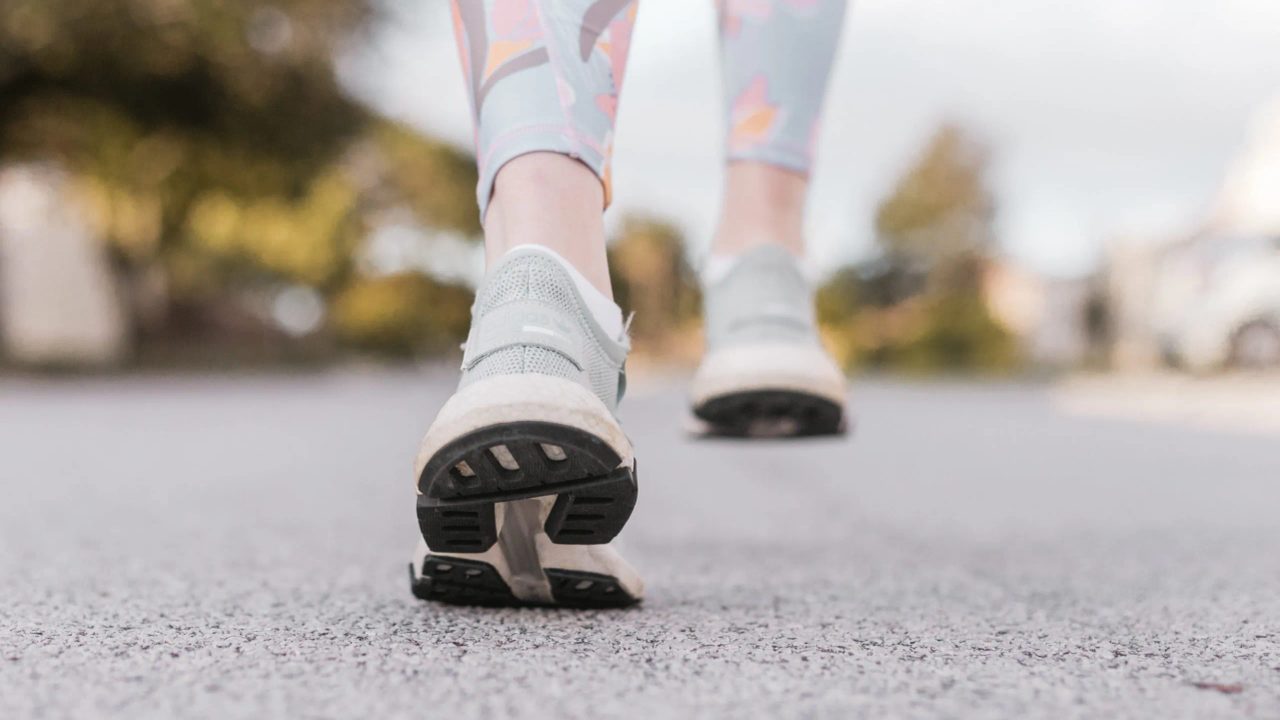
Exercising is one of the best ways to take care of your body. However, few realize that sometimes it doesn't necessarily mean sweating it out at the gym or making great efforts. In fact, the benefits of brisk walking are numerous and can truly lead to a lifestyle change.
It's not just about weight loss or preventing physical illnesses. Brisk walking “forces” us to leave the house and be outdoors, improving our mood and helping to avoid symptoms of depression and anxiety. It reduces stress and reminds us how beautiful the world around us is. But let's take a closer look at all the benefits of walking briskly.
 The Physical Benefits of Brisk Walking
Let's start with the most “obvious” positive effects of brisk walking, namely the physical ones. Getting our body moving activates it, promoting metabolic action and more.
For example, brisk walking helps to avoid inconvenient injuries caused by more stressful forms of physical activity, especially when overweight or having particularly weak joints.
For this reason, there are also known osteoarticular benefits, meaning those related to preserving joints against degeneration risks and maintaining bone trophism. Additionally, brisk walking helps tone leg muscles.
Metabolically, like any form of physical activity, brisk walking increases basal metabolism, promoting weight loss and improving metabolic performance. But that's not all: it prevents hyperglycemia, raises good cholesterol levels, optimizes blood pressure, and is a valuable aid in fighting obesity. In short, such a simple and easy activity to incorporate into daily life is truly a boon for our body.
 Neurological and Psychological Benefits of Brisk Walking
If you find it hard to concentrate, take a brisk walk. Science says so: this activity improves learning and concentration abilities, boosting mental efficiency. For this reason, a great way to disconnect and regain the right mood often involves going out and taking a walk. This makes studying or working easier, depending on your occupation, or simply being more attentive when talking with someone.
Moreover, neurologically, brisk walking provides valuable support—especially for older adults—against brain degeneration. It also helps regulate thirst and appetite balance, allowing us to drink and eat better and when truly needed.
For those who struggle to sleep, it's important to know that brisk walking prevents insomnia. And that's not all. It reduces stress, improves mood and vitality, affecting how energetic we feel. While it is not a cure for depression and should never be recommended as such, it is certainly a valuable ally in the fight against it.
 Anti-Boredom Opportunities Among the Benefits of Brisk Walking
If we only considered the psychophysical aspects, we would overlook a range of additional positive opportunities provided by brisk walks. Simply leaving the house opens us up to new possibilities we might never expect. Even the chance to meet someone new by pure chance: this too is one of the benefits of brisk walking.
For example, you can decide to discover new streets and areas in your hometown. You might visit a park you don't know, or even take a cultural walk to explore places of historical and artistic interest. Or, why not, simply do your shopping without using the car, so you also carry some weight on the way back and increase physical effort.
This contributes far beyond physical well-being, also aiding personal growth and boosting self-esteem, because you manage to do something enjoyable and interesting at the same time.
Alternatively, you can take the car or any other means to go brisk walking in the mountains and hills, perhaps not too far from home. In that case, your faster-paced walk might also be called Nordic walking (which requires a bit more equipment) or trekking. However, be careful: for mountain activities, it's better to buy shoes more suitable for rough terrain.
Finally, there are groups of people who practice brisk walking. Joining them not only benefits your body but also allows you to meet new people and, why not, make friends and escape loneliness. Also, being in a group means having others alongside you, each with their own pace, which can help maintain a steady step and improve your performance over long distances.
 How Brisk Walking Works and Who Can Practice It
Anyone can start brisk walking right now: it is sometimes even recommended for older people. To define brisk walking rather than a simple stroll, it is advised to maintain a heart rate between 50 and 75% of the maximum heart rate, which is generally calculated as: 220 minus the person's age.
But that's not enough. To avoid any difficulties, remember to buy suitable shoes (if unsure, get advice from a specialist), undergo a medical check-up, and above all, never make the mistake of going out in extreme temperatures. Especially in summer (though preferable in any season), it's always best to apply sunscreen.
Start Walking in a Group Now
Now you understand how many benefits brisk walking offers. There are plenty of opportunities to start brisk walks that can “change your life” today. On Meeters, there are many activities dedicated to those who love walking, whether in the city or in nature, and who want to get in shape without having to lock themselves in a gym.