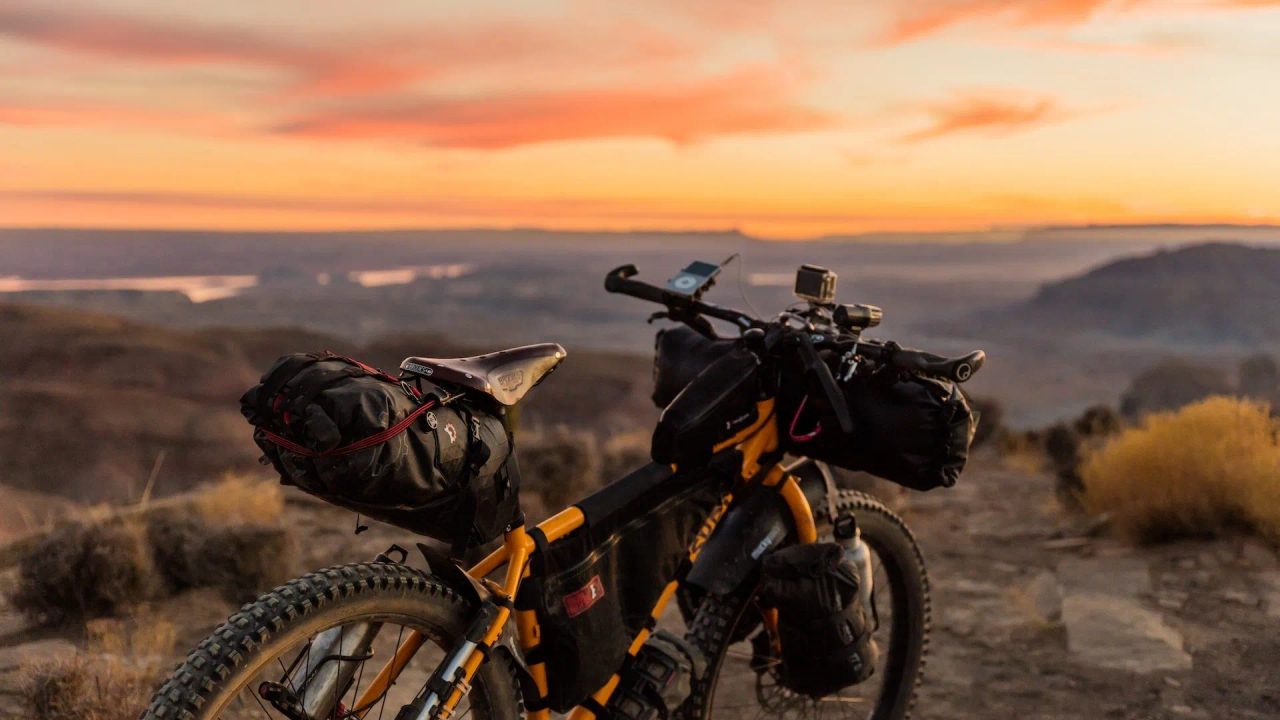
Bicycle travel is one of the most adventurous ways to explore the world. If you're a beginner, you might be worried about not knowing where to start. This kind of experience allows you to explore the world sustainably, giving you the freedom to move at your own pace, stopping whenever you like, and discovering places that would otherwise remain unknown to you. At Meeters, we have proven experience inevent organization and in helping people make new friendships, which is why we have taken the lead in explaining to those who don't know how to organize the ultimate cycling road trip.
Why Travel by Bicycle?
Traveling by bicycle has many advantages. First of all, it allows you to save money compared to other ways of traveling, such as by plane or car. Additionally, it helps you stay fit and enjoy the beauty of the surrounding landscape. Traveling by bicycle also gives you the chance to meet new people and make friendships that can last a lifetime.
How Many Types of Bicycle Trips Are There?
There are different types of bicycle trips. Some people choose to take a bike ride for a day or two, while others prefer longer journeys. Some cyclists travel independently, carrying everything they need, while others prefer to join organized trips.
How to Plan a Bicycle Trip
Planning your bicycle trip is essential to ensure a pleasant and safe experience. First, check the weather and choose a date with favorable conditions; then select the right bicycle and prepare the necessary equipment for the trip: tent, sleeping bag, appropriate clothing, bike repair tools, and so on.
Choosing the Right Bicycle for Your Trip
Choosing the right bicycle for your trip is crucial for a pleasant and safe experience. There are several options to choose from, such as road bikes, touring bikes, mountain bikes, and hybrid bikes. It's important to select the right bike based on the terrain you expect to cover and the length of your trip.
Sometimes Experience Matters More Than Equipment
Sometimes, as strange as it may seem, riding experience is more important than the equipment you use.
Even though an expensive bike might seem tempting, it’s not always necessary for a bicycle trip.
Experience will teach you what you need for your bike trip and what you can do without.
What Equipment Do You Need?
Essential equipment for a bicycle trip includes a tent, sleeping bag, camping stove, appropriate clothing, bike pump, bike repair tools, and a first aid kit. It’s important to choose good-quality gear to ensure safety and comfort during the trip.
How Important Is Physical and Mental Preparation?
To prepare for a bicycle trip, a minimum level of physical and mental readiness is necessary. It depends on the length and difficulty of the trip, but getting familiar with the bike and the planned stages in the months before can be very helpful to avoid muscle problems.
Training consistently in the months leading up to the trip also has another big advantage: it increases the endurance and strength of the rider. Mentally, it can be smart to research the nature of the route online, visualizing the trip, imagining the curves, rough patches, and everything else; in this regard, taking a drive along the route can be even more useful and interesting.
Tips for a Bicycle Trip You Shouldn't Forget
There are some things you shouldn’t forget when preparing for a bicycle trip. First, bring water and food for the journey; specifically, food should be chosen with lightness and energy in mind: carrying complex carbohydrates might do more harm than good.
Another essential companion is a first aid kit, very useful for treating minor wounds from falls or small accidents along the way. You need to know how to use the kit, but it’s also important to understand what you can handle yourself and what is better left to professionals.
The first aid kit should contain essentials like band-aids, bandages, disinfectant, scissors, tweezers, and sterile gloves. However, just having the kit isn’t enough: it’s crucial to acquire basic first aid knowledge.
Taking a specific course can make a difference in critical situations, providing the skills needed to handle emergencies calmly and precisely. Also, it’s advisable to periodically update the kit’s contents, replacing expired items and ensuring everything is in perfect working order. Always remember that in case of serious injuries or complex situations, it’s essential to immediately contact emergency services for qualified assistance.
A third tip, also related to health, is to always bring a good helmet: a very important item if you want to avoid head injuries and other unpleasant memories on the way to your destination. Besides the helmet, knee and elbow pads are recommended, but ultimately, being very careful while on the road can prevent the need for most of these safety items.
Bicycle Trip Safety
Helmet and protective gear should be the minimum for anyone venturing out on a bicycle on paved or unpaved roads.
Falling from a bike at a high speed, above 50 kilometers per hour, is a truly risky event that can lead to unpleasant health consequences. Beyond scrapes and wounds, there is a real risk of trauma, broken bones, and much more.
Attention must always be very high when on moderately trafficked paved roads: respecting traffic rules and adapting to the driving directions of the countries you visit is crucial to minimize the risk of injury.
Moreover, it’s essential to be aware of weather conditions and expected travel time. A sudden change in weather can drastically affect road safety, making asphalt slippery or reducing visibility. Always carrying emergency equipment, such as a first aid kit, reflective vests, and basic repair tools, can make a difference in critical situations. Finally, don’t underestimate the importance of good route planning: knowing safe rest stops, service stations, and refreshment areas in advance can help make the trip safer and more enjoyable.
Also, it’s best to avoid traveling at night to prevent poor visibility from becoming an additional obstacle.
Bicycle Routes for Beginners
Want to discover some beginner-friendly routes within Italy? The routes we recommend for beginners are the following:
- Val Seriana Cycle Path in the province of Bergamo: thirty kilometers from the town of Ranica to the town of Clusone, with possible additional kilometers to reach Valbondione.
- Val Pusteria Cycle Path (Eastern Alps area): divided in two by the saddle of Dobbiaco, with the Rienza River to the west and the Drava River to the east. This route is one of the most important between Italy and Austria and coincides with part of the European Eurovelo 7 route. The path ideally connects the cities of Bressanone and San Candido; the starting point is easily reachable by train.
- Flower Cycle Path: this route connects the town of San Lorenzo to the sea at the town of Ospedaletti in the province of Imperia. The route is 24 kilometers long and is a seaside itinerary surrounded by greenery.
- Via Verde: Via Verde is a route about sixty kilometers long that connects the town of Francavilla al Mare with the town of Vasto, following the tracks of a disused railway line. The path runs entirely along the sea, on the splendid Trabocchi coast, and is well equipped with rest areas, restaurants, and much more.
Bicycle Routes for Those Looking to Improve
Still in Italy, let’s discover some bicycle routes for the brave who aren’t afraid of long distances and rougher terrain.
- Oglio River Cycle Path: this route is 280 kilometers long and crosses 4 different provinces with a 70% asphalt and 30% dirt path. The route starts from the Tonale Pass (the same starting point as the via ferrata of “the flower path”) and reaches the Barche Bridge in San Matteo delle Chiaviche.
- Via Silente: among the most “hardcore” destinations in the Italian cycling world, a tour of Via Silente is highly recommended. This is a route about 600 kilometers long that ventures into the mountains of the Cilento National Park. The route is divided into 15 stages and is characterized by continuous immersion in a valuable natural environment.
- From the Garda to the Adriatic along the Po River: from Peschiera del Garda to Ferrara following the Po River, passing through cities like Mantua and San Benedetto Po. All the while alongside waterways that have forever changed Italian history.
Conclusions
Bicycle travel is an unforgettable experience that allows you to explore the world sustainably. For beginners, it’s important to plan the trip carefully and choose the right equipment. Additionally, physical and mental preparation is key. With the right preparation, bicycle travel can be a very rewarding and safe experience.