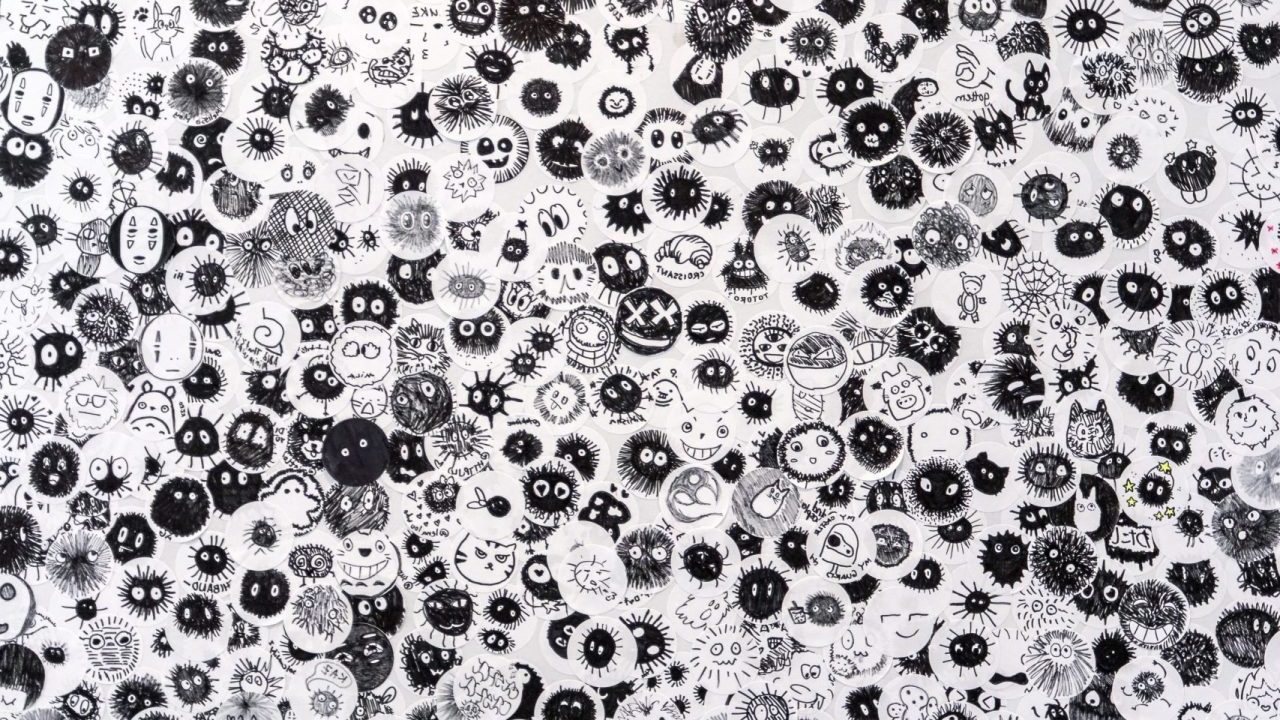
The Magic of Cartoons: A Smile in Just a Few Strokes
Ah, cartoons! There's nothing better to lift your spirits after a boring or stressful day. You know, those little illustrations that, with just a few strokes and a bittersweet punchline, manage to make us burst out laughing or share a knowing smile. But what makes a cartoon so irresistibly funny?
First of all, it's the ability to be concise. In a cartoon, every line counts and the humor must be immediate. Artists in this genre are true masters at capturing the essence of a situation and turning it into art. And then there's the surprise: often, the punchline of a cartoon is unexpected, catching us off guard and triggering our laughter.
History and Evolution of the Humorous Cartoon
Cartoons have accompanied us for centuries, evolving alongside society. From the first satirical comics in 19th-century newspapers to modern online strips, cartoons have always had their finger on the pulse of popular culture. And it's not just about fun: many cartoons have played a key role in commenting on and criticizing historical and political events, proving that a picture really is worth a thousand words.
Today, with the rise of the internet and social media, cartoons have found a new youth. Platforms like Instagram and Tumblr have become showcases for emerging talents, and it's not uncommon for a cartoon to go viral, traveling around the world in just a few hours.
Cartoon Icons: From Gary Larson to Quino
Speaking of cartoons, we can't fail to mention some of the great names who have marked the history of this genre. Gary Larson, with his “The Far Side,” created a bizarre and irresistible universe, populated by philosophical cows and distracted scientists. Then there's Quino, the creator of Mafalda, who with his little heroine pointed out many social contradictions.
These artists share a unique worldview that they convey through their art. And despite stylistic differences, they all have that incredible ability to make us laugh while reflecting—a quality only the best cartoons possess.
The Therapeutic Power of Laughing with a Cartoon
It's no secret that laughter is good for your health. And cartoons are an inexhaustible source of good humor. A study even showed that laughter can reduce stress and improve blood circulation. So when you flip through a cartoon book or scroll through a webpage looking for that perfect dose of humor, you're doing something good for yourself.
And it's not just about physical health. Laughing with a cartoon can be a real balm for the mind. In a world that always rushes, taking a moment to smile is a small but meaningful act of self-care.
Cartoons in the Digital World: Memes and Webcomics
With the advent of digital media, cartoons have found new forms and modes of expression. Memes, for example, are the grandchildren of traditional cartoons and have conquered the web with their immediacy and viral potential. Then there are webcomics, strip stories published online that often gather a devoted fanbase.
These new formats have expanded artists' creative possibilities, allowing them to explore different themes and styles. For us readers, it means access to an endless variety of humor at the click of a button.
Creating a Cartoon: Tips for Aspiring Cartoonists
Inspired and want to try creating your own cartoon? Here are some tips. First, observe the world around you: inspiration can come from the most everyday situations. Then, practice being concise: a good cartoon gets to the point with few words and essential strokes. Finally, don't be afraid to experiment with your style: cartoons are a personal and unique expressive medium.
Remember, practice makes perfect, and even the greatest cartoonists started somewhere. So grab paper and pen, or a graphic tablet, and let your creativity take shape.
The Best Cartoon Collections You Can't Miss
If you're looking for some good cartoon books to add to your collection, there are some collections you can't miss. “The Complete Far Side” by Gary Larson is a must for genre lovers, as is “All Mafalda” by Quino. For something more contemporary, “Hyperbole and a Half” by Allie Brosh is a gem of humor and introspection.
These books are not only funny but also a great way to study how the great masters of humorous comics work. And who knows, maybe they'll inspire you to create your own cartoon.
The Cartoon as a Tool for Social Criticism
Cartoons aren't just for laughs; often, they're also a powerful tool for social criticism. Artists like Banksy, with his street art, or Garry Trudeau, with his “Doonesbury,” have used humor to highlight injustices and hypocrisies. In times of political and social tension, a cartoon can open a dialogue or make people reflect on important issues.
The beauty of this genre is that even when it tackles serious topics, it does so lightly, making the message accessible to a wider audience. In a world that seems increasingly divided, this can be a true gift.
Contests and Festivals Dedicated to Cartoons
For cartoon enthusiasts, there are numerous events to attend. Contests like the World Press Cartoon or the Salon International de la Caricature, du Dessin de Presse et d’Humour offer a showcase for artists from around the world. Then there are festivals like Comic-Con, which, while more focused on comics and pop culture, also provide space for cartoonists.
These events are a unique opportunity to meet your idols, discover new talents, and immerse yourself in the creative atmosphere that only the world of cartoons can offer.
Cartoons in Education: Teaching with Humor
Cartoons can also be an excellent educational tool. Many teachers use them to make lessons more engaging and to help students reflect on complex topics more lightly. It's not uncommon for a cartoon to spark classroom discussions or creative projects.
Humor can break down barriers and facilitate learning. In an era when education increasingly seeks to adapt to students' needs, cartoons can be a valuable resource.
The Cartoon as an Artistic and Cultural Expression
Finally, let's not forget that cartoons are a form of art in their own right. Every cartoon is a piece of culture, an expression of human creativity that deserves to be celebrated. Whether a simple sketch or an elaborate composition, each cartoon carries a piece of its creator's inner world.
So, as we flip through a collection of cartoons or laugh in front of the screen, we participate in a cultural dialogue that spans time and space. We share a moment of joy, a smile that unites.
What Are the Characteristics of a Good Cartoon?
A good cartoon stands out for its ability to communicate a message or joke quickly and effectively. It must be visually appealing, with clear drawing and text that hits the mark. Humor can be subtle or explicit but must always be intelligent and original.
How Can I Find New Cartoons to Follow?
Today it's easier than ever to find new cartoons to love. Check out social media, subscribe to webcomic sites, or explore the humor sections of online newspapers. And don't forget to ask your friends – often the best discoveries come through word of mouth!
Can I Use Cartoons in My Presentations or Projects?
Yes, cartoons can be a great way to make your presentations more interesting and memorable. Just be sure to respect copyright and ask the artist for permission if necessary.
Can Cartoons Be Considered Art?
Absolutely! Cartoons are an art form that requires talent, creativity, and a deep understanding of visual language and humor. Like all art forms, they reflect society and can have a significant cultural impact.
What Are Some of the Most Common Themes in Cartoons?
Cartoons can cover a wide range of themes, from current events to everyday life, from politics to pop culture. Many of the best cartoons find humor in the small ironies and contradictions of daily life.
How Can I Start Creating My Own Cartoons?
Start by observing the world around you and taking note of funny or absurd situations you encounter. Practice drawing and try to develop a unique style. Don't be afraid to share your creations and ask for feedback. And above all, have fun!
And now, dear readers, I invite you to share your experience: what was the last cartoon that made you laugh out loud? Do you have a favorite cartoonist? Leave a comment below and share the smile!