
How to Make Friends and Become Part of a Group?
Many people have no trouble cultivating individual friendships, but sometimes problems arise when it comes to finding a group of friends to share time and outings with.

First of all, you need to be patient because it's always wise to manage expectations in friendship.
We can't know in advance what kind of people we'll meet, and unfortunately, we don't have a crystal ball: we can't predict whether they will be interested in being our friends.
Moreover, here we add variables because we're talking about how to make friends in a group: maybe we like someone and they like us, but we can't know if our other friends will get along with those people.
And, conversely, we can't know if their friends will welcome us and want to include us in their group.
Even in the luckiest case where the liking is mutual, it always takes time to form and strengthen a group, especially when new people are introduced.
Doing activities, going out together for a few months, understanding how often they want to meet: all these things usually happen quite naturally and smoothly before a certain number of people who know each other start considering themselves a “group.”

Once the bonds and dynamics are established, things stabilize and you can expect more regular contact.
The more opportunities there are, the better you understand how to make friends with these new people and try to create a real group of friends.
But you have to get there first.
Here are some tips on how to make friends, but this time in a group:
Friends of Friends
Do you have someone you've developed a bond with? Someone you see regularly, get along with well, maybe someone you've known for a long time? Why not try to meet their friends?
This is the most straightforward way: you can ask your friend to introduce you to their group, or simply other people they hang out with, perhaps more casually.
But you can also take the initiative yourself: organize a dinner and ask them to bring their friends along, even if they don't know each other yet.
Better yet: it will be an opportunity to see if people who are strangers to each other can form a close-knit group, without the pressure of joining an already established group with its own dynamics and unspoken rules.

If you don't immediately click with your friends' friends, it doesn't mean there aren't other groups to be introduced to.
Try to understand what you have in common with this person: if you both love trekking, but one of you is passionate about soccer while the other hates it, maybe it's not a good idea to meet their die-hard soccer fan friends.
But it will be perfect to meet the friends they go hiking with in the mountains: you'll surely have more topics to talk about and activities to do together.
New Passions, New Friends
Many settings allow you to meet several people at the same time and place.
By regularly attending the same people for a course, volunteer activity, or sports club, it's likely and natural that a group of friends can form.

Sometimes there are groups that already exist to carry out an activity: in that case, all you have to do is find the one that suits you and join.
It could be a new sport, like climbing or kayaking, a theater workshop that meets once a week, or an event that happens regularly, like a salsa or dance night.
Some participants may already be used to going out together after the game or training session, and it will be very natural for you to join as a new participant.
The same thing can happen in unconventional places and environments, such as the workplace.
The important thing is that there is something that takes you, along with others, outside the context where you met.
A bar, a pub, a weekend getaway: the informality of the situation will help develop a bond that goes beyond being just colleagues or classmates.
Our advice is still to start making new friends individually before trying to create a group situation by force.
So don't neglect the steps that let you focus on one person at a time to make new friends to then blend together.
Be the Host
Do you know different people? They could become new friends among themselves and form a new group of friends.
Introducing new people to each other isn't always easy, but why not try? Have them meet two or three at a time for an outing before organizing a dinner or a bigger party.
Give them attention and introduce them to each other: it doesn't mean they'll immediately click and become friends.
Don't leave them alone together for too long after introducing them. And talk about each other before introducing them to new people.
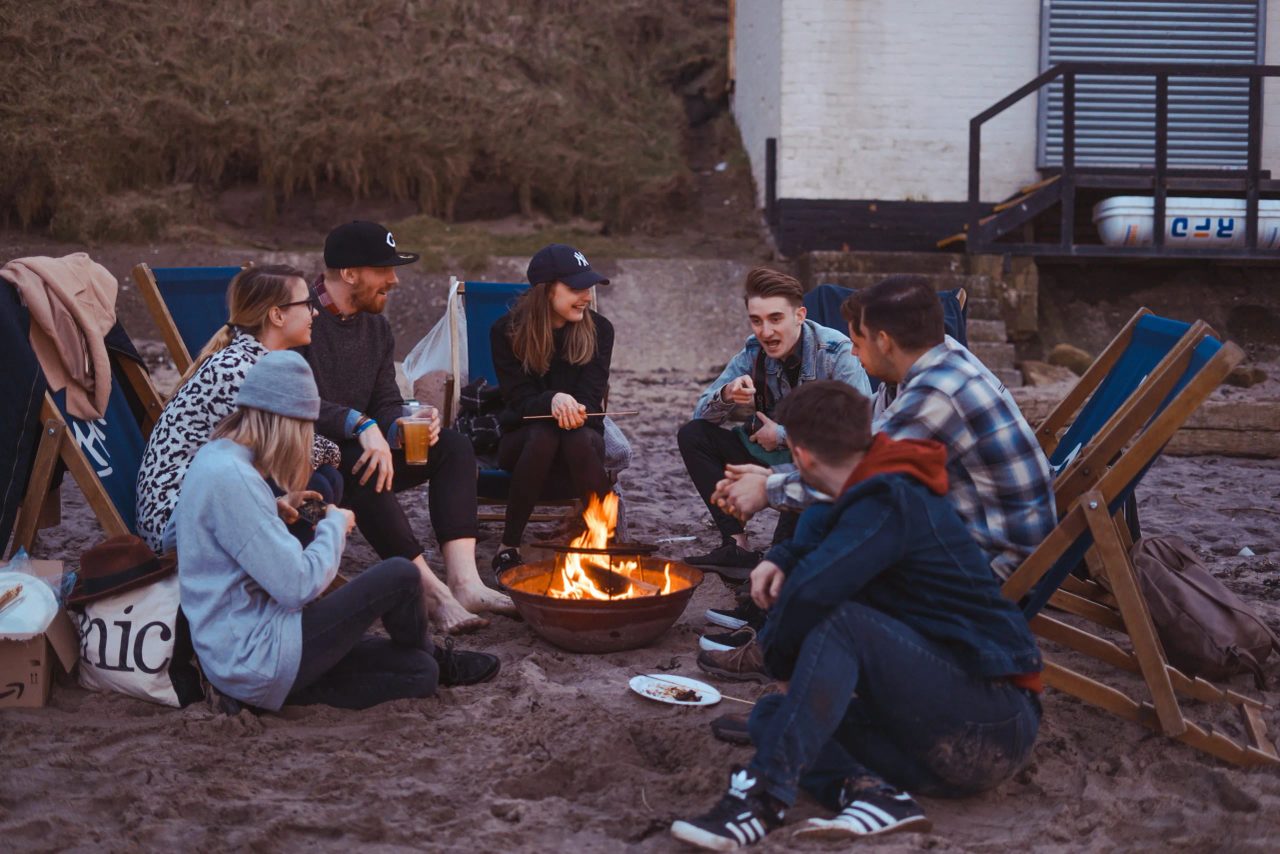
If things don't work out immediately, don't give up. Keep organizing and creating ways to bring new people into the same environment at the same time. Sometimes people need several social occasions to expand their social life and find new friends.
Groups develop and grow over time thanks to shared activities and time: figure out what you like doing together and keep going down that path.

You don't need to organize anything elaborate: even a weekend evening dedicated to watching movies or playing board games can be a regular appointment that strengthens group bonds.
But just remember that often gathering and chatting isn't enough: people like sharing group activities. Also, it's the best way to form a group, just like in team sports : no matter how small, you have a goal and you achieve it together.