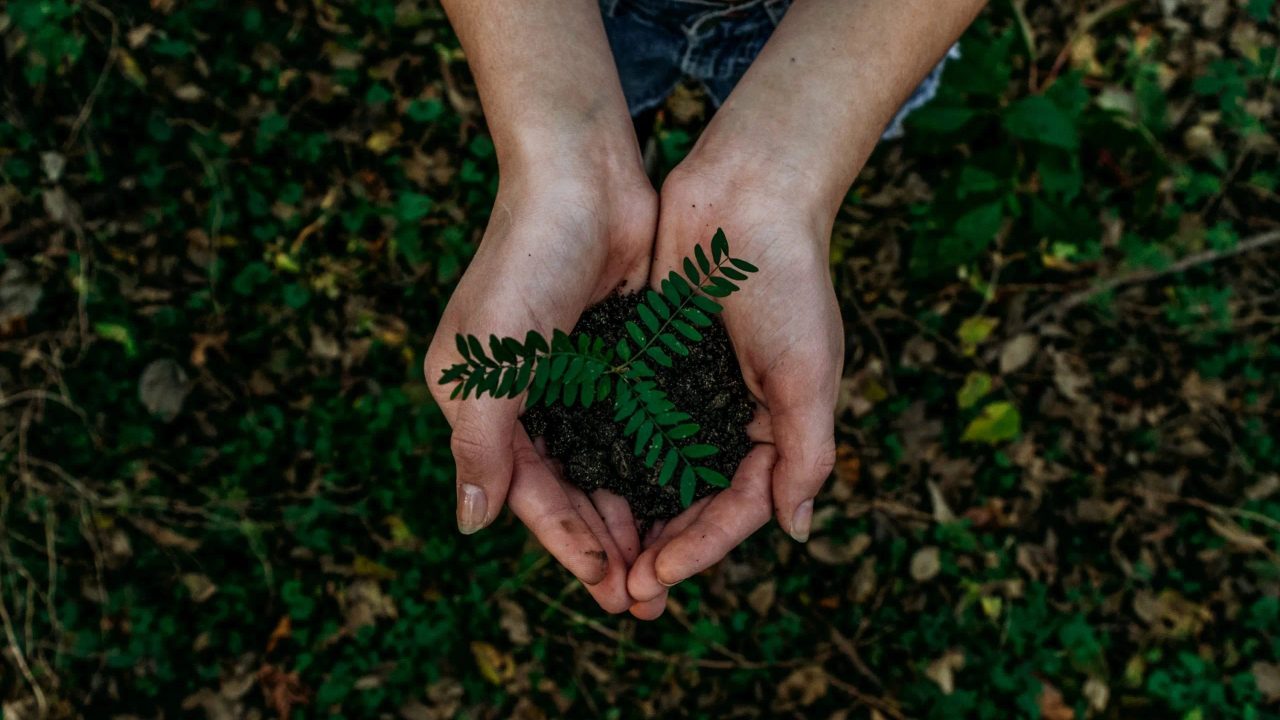
In recent years, thanks especially to the activism of figures like Greta Thunberg, there has been a focus on sustainability in all areas of daily life. Often mistaken for a trendy concept, sustainability is actually a true call to arms for humans to protect the Earth. Many wonder how to help the environment in a concrete and effective way, often skeptically, convinced that safeguarding our planet and slowing climate change requires only top-down action.
But that’s not the case: we can all contribute with our actions to reduce pollution, global warming, and our impact on the Earth. There are seven small daily gestures that can truly make a difference—let’s discover them!
1. Waste Sorting
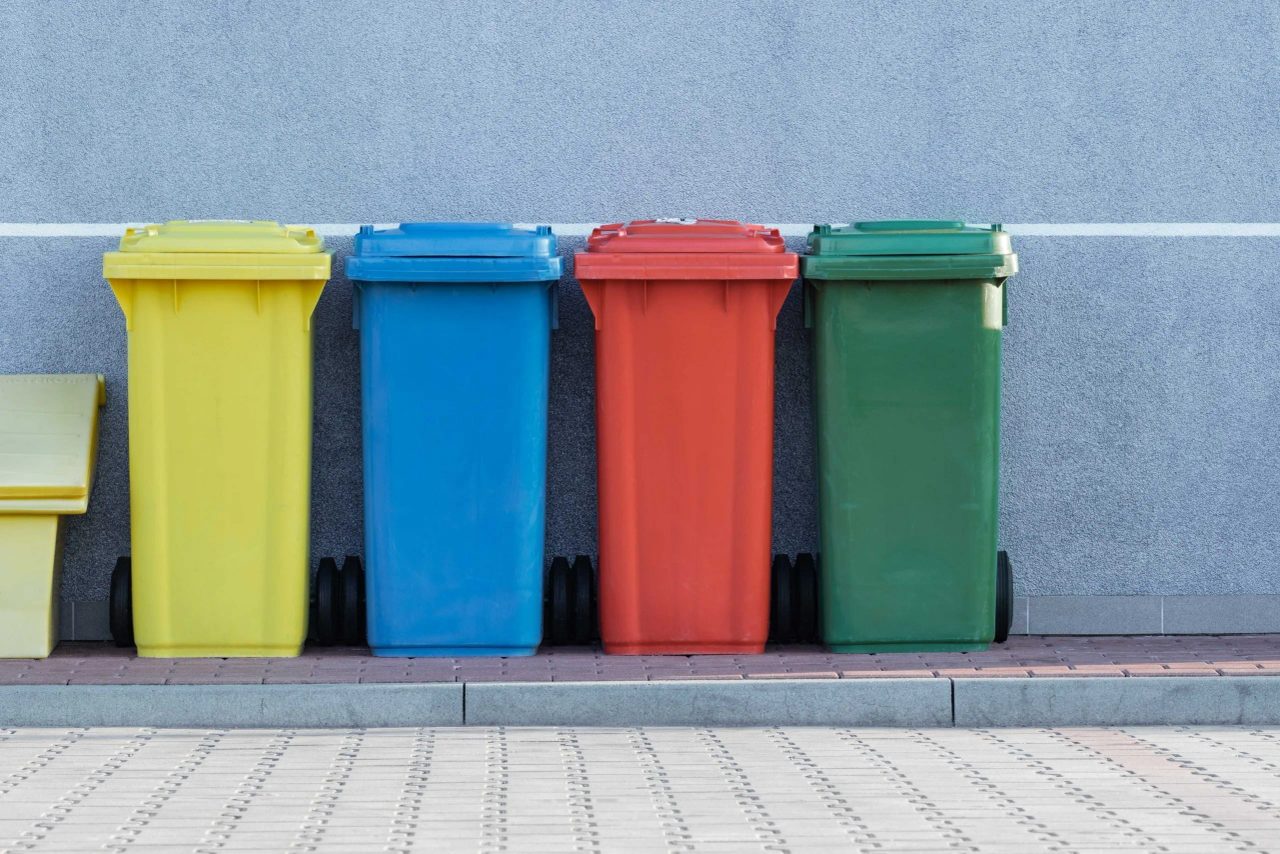
Although waste sorting has been introduced in our country for many years, there are still those who do not follow it at all or do so superficially. It is important instead to separate waste and dispose of it in the appropriate containers, without throwing everything indiscriminately into the general waste. And if you don’t know where to throw something, read the labels carefully, do a quick internet search, or consult your municipality’s regulations.
However, there are still areas in Italy that are not well served, and to address this problem a personal extra effort is necessary: separate waste by type anyway and throw it in the appropriate bins, without necessarily waiting for door-to-door collection.
There are also other types of waste that require extra care when disposing of them. For example, there are bulky waste, which should not simply be abandoned anywhere but must be delivered to the designated authorities; again, contact your municipality for information or any doubts. Remember also that electronic devices should not be thrown in general waste but in the WEEE collection, and these, as well as other waste such as light bulbs, paints, solvents, and gas canisters, must be taken to recycling centers.
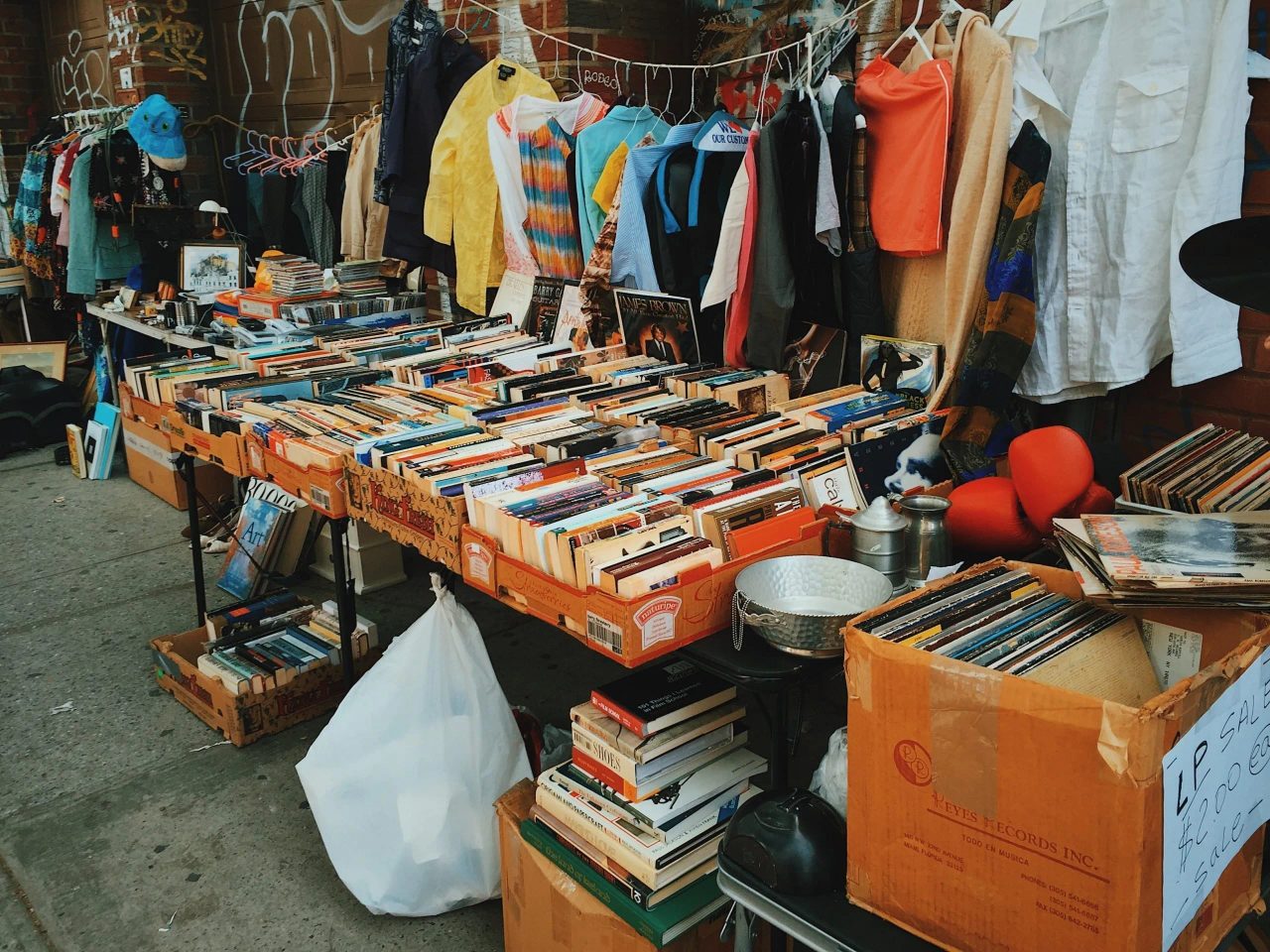
Finally, it is important to learn to recycle as well. Not everything we no longer need is waste. Books, clothes, furniture, and any other objects can be useful to someone else or, if not in good condition, repaired. To do this, just visit second-hand markets or new buy-and-sell apps to give a second life to things we no longer need.
2. Conscious Shopping for the Planet
Doing waste sorting well is a process that starts at the very moment of shopping. When we shop, it is important to carefully check the labels of each product to make sure we can dispose of them properly. In general, it’s better to favor bulk products and avoid buying those with many different or non-recyclable packaging.
Another fundamental rule on how to help the environment is to give up plastic as much as possible. Avoid plastic packaging and single-use plastics (like plates and cutlery). Instead, prioritize compostable and biodegradable products, or if that’s not possible, at least those made responsibly, with recycled and recyclable materials, or with a reduced carbon footprint.
Regarding chemical products, such as cosmetics and detergents, numerous alternative and ecological solutions have been available for years. In these cases too, read the labels carefully: yes to natural and plant-based raw materials, no to chemical and toxic substances.
Let’s also say no, once and for all, to disposable items. Did you know there are washable and reusable diapers, sanitary pads, and makeup remover pads? These are excellent investments you will never regret!
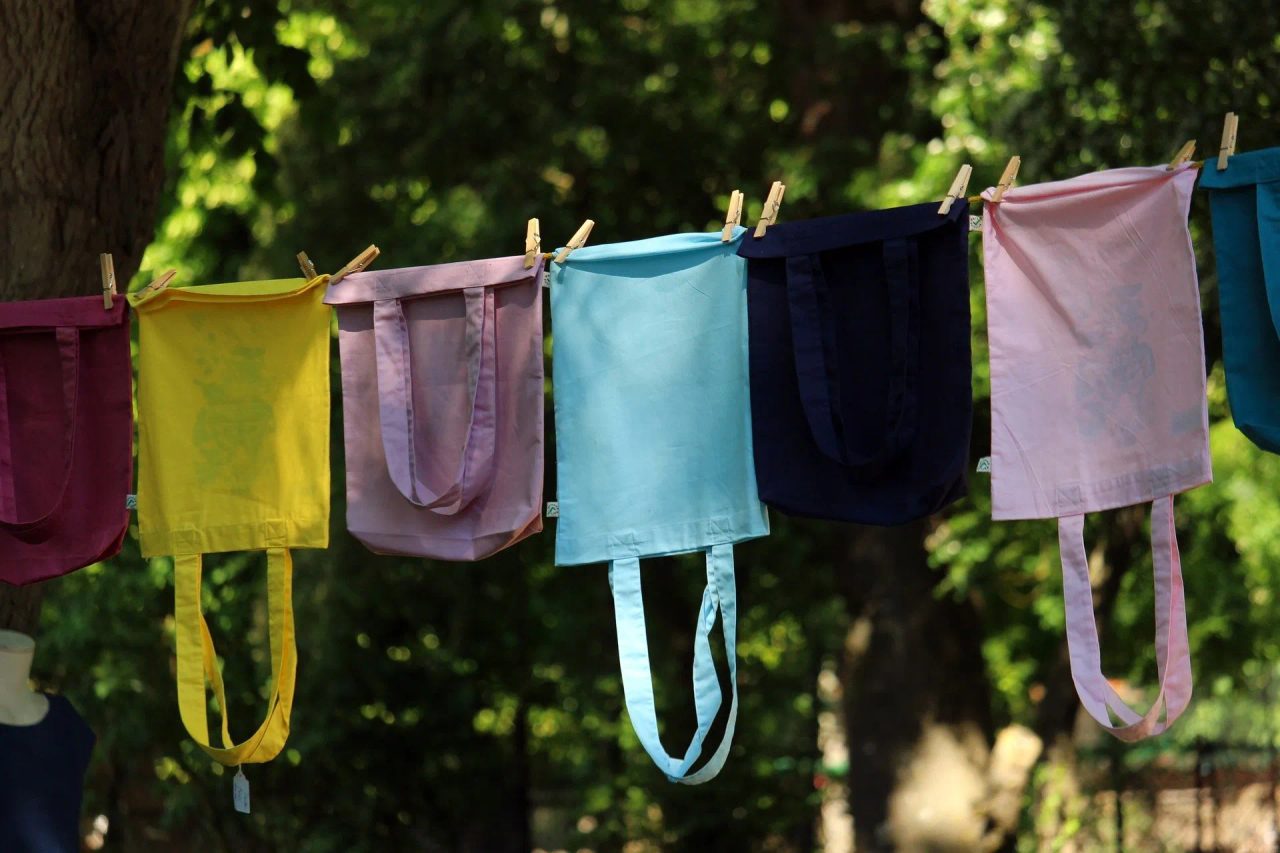
Finally, to carry your shopping home, choose reusable cloth bags (to avoid forgetting them and buying new ones, always keep one in your bag).
3. What to Bring to the Table

Eating sustainably is beneficial in two ways: it not only helps save the planet but also maintains your health. That’s why it’s necessary to pay attention to what you bring to the table. First of all, you should prioritize the consumption of fruits and vegetables, not packaged, not frozen, but fresh, seasonal, and especially local, the so-called zero-kilometer.
It’s not necessary to fully adopt a vegan or vegetarian lifestyle, but meat and fish consumption should be significantly reduced. Beef farming is responsible for 18% of greenhouse gas emissions and promotes deforestation, so when buying red meat, it’s better to choose meat from organic and non-intensive farms. Similarly, when buying fish, pay close attention to the areas and fishing methods (for more information, read WWF’s interesting and useful guide on responsible fish consumption to also support ocean repopulation). 4. Consuming Less at Home: How to Help the Environment
Even and especially when at home, you should never let your guard down! It’s necessary to review and correct a whole set of harmful behaviors and habits we carry out without even realizing it. How many times do we leave electrical outlets on with nothing plugged in?

Even and especially when you are at home, you should never let your guard down! It is necessary to review and correct a whole set of harmful behaviors and habits that we carry out without even realizing it. How many times do we leave electrical outlets on with nothing plugged in? And how many times do we leave rooms without turning off the lights? The huge energy waste caused by these forgetfulness may not have a big impact on the bill, but
it contributes enormously to global warming . That’s why it’s essential to pay attention to these and other small gestures. Turn off every electronic device you use anddon’t just settle for putting it on standby . Don’t overdo heating and air conditioning, and to ensure your home stays at a good temperature, replace old windows to reduce heat loss.Other precautions not to overlook on how to help the environment again come down to conscious purchases. Not all products are equal! It’s better to always choose

energy-saving light bulbs, rechargeable batteries, and class A appliances. The same goes for electricity use and water resources. The waste of water we make every day is very high.
Don’t open the tap fully , just a little to let out only the right amount of water, and turn it off immediately whenever you’re not using it directly. For example, when brushing your teeth: there’s no need to keep the tap running while brushing!, but just a little to let out only the right amount of water and every time we are not using it directly, turn it off immediately. This is the case, for example, when we brush our teeth: there is no point in keeping the tap running while we brush our teeth! , as a five-minute shower can consume up to 45 liters of water, not to mention the fuel needed to heat it. Finally, prioritize using the dishwasher, which uses only the necessary water, and like the washing machine, run it only when fully loaded., a five-minute shower can actually consume up to 45 liters of water, not to mention the fuel needed to heat it. Finally, the use of the dishwasher should also be preferred, as it uses only the necessary water, and like the washing machine, it should only be run when fully loaded.
The best habit we can adopt if we want to understand how to actively help the environment is
to buy less and buy better . Just because a resource is available, cheap, or “nice to look at” doesn’t necessarily mean it’s useful or that we’ll need it. Every time we buy something, we must consider that. The fact that a resource is available, costs little, or is “nice to look at” does not necessarily mean it is useful or that we will need it. Every time we buy something, we must take into account that . Likewise, we should learn to spend a bit more but ensure products are more durable and of higher quality.Equally important is
using what we buy for as long as possible , for example, it’s not necessary to change your phone every year to get the newest model; rather, use it until it dies and then dispose of it properly. The same goes for clothing:, for example, it is not necessary to change your phone every year to get the newest model; rather, use it until it dies and then dispose of it in the most correct way. Just like with technology, the same applies to clothing: , the compulsive purchase of beautiful, trendy, and cheap clothes that are often low quality and made with unsustainable materials. Here too, it’s advisable to spend a bit more on durable products made with natural fibers or to buy vintage or second-hand clothes., the compulsive purchase of beautiful, fashionable, and low-cost garments, but often of poor quality and made with unsustainable materials. Even in this case, it is advisable to spend a little more on durable products made with natural fibers or even buy vintage or second-hand clothes.
every time we need something. One often overlooked fact is that delivery wastes fuel for transport and consequently contributes to emitting more greenhouse gases into the atmosphere. Let’s go back about twenty years, when we visited local stores in person to buy something, also helping small businesses survive. every time we need something. One thing too often overlooked is that the delivery of our order wastes oil for transportation and consequently contributes to emitting additional greenhouse gases into the atmosphere. So let's go back about twenty years, when we visited the shops in our city in person to buy something, thus also helping the survival of small businesses.
If you wonder how to help the environment even when traveling, there are some tips to keep in mind during trips, big or small. The car is the most polluting everyday object, so we must
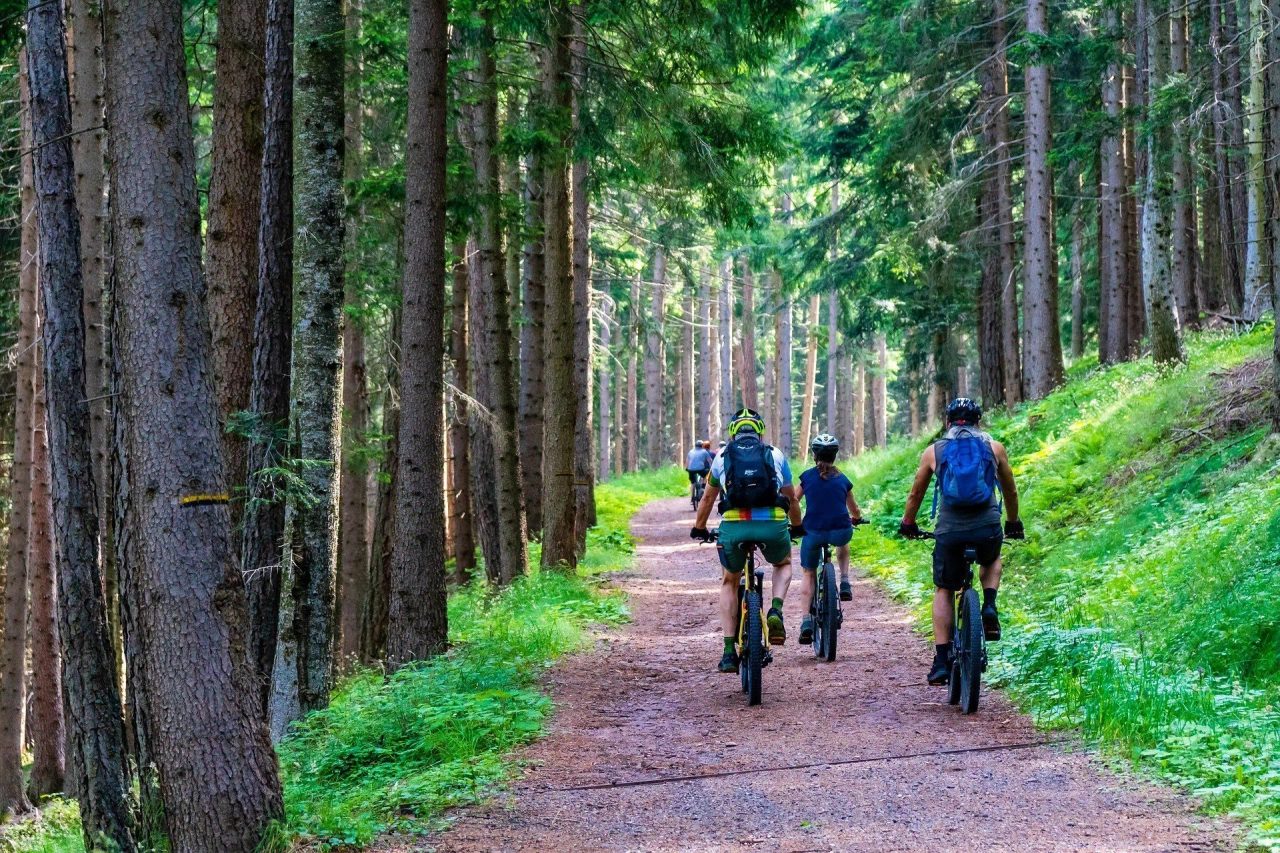
If you wonder how to help the environment even when you travel, there are some precautions to keep in mind during trips, big or small. The car is the everyday object that pollutes the most, so we must . Don’t get in the car every time you need to go somewhere,for short trips it’s better to walk or use a bicycle (and once again, your health benefits!) For commuting, similarly favor green transport, such as
new electric scooters, buses, subways, and trams . If you really can’t give up the car, it’s time to think about a long-term investment:electric cars are the best alternative, but those running on methane or LPG also consume much less than diesel or gasoline cars. Although still demonized by many,
smart working is an important choice to reduce pollution in big cities, traffic, and personal stress. Those who can avoid going to the office every day give a significant hand to the planet’s cause. Moreover, if you choose to travel green, you can find many activities to do in nature to regain your well-being through green trails. is an important choice to reduce pollution in big cities, traffic, and personal stress. Those who can avoid going to the office every day give a significant hand to the planet's commitment. Furthermore, if you choose to travel in a green way, you can find many activities to do in nature to regain your well-being through paths immersed in greenery.
Plants absorb carbon dioxide from the atmosphere through photosynthesis:
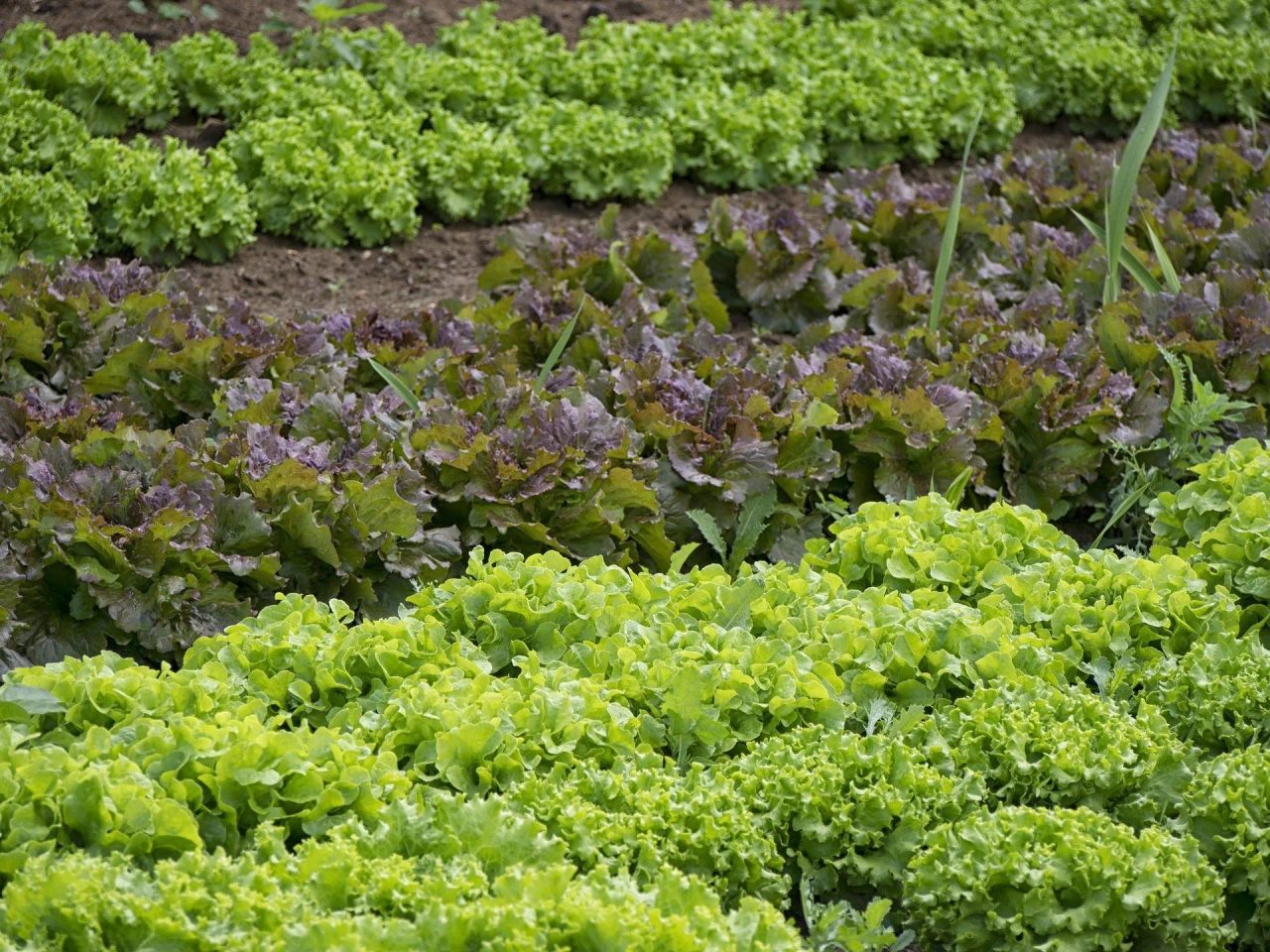
that’s why it’s important to reduce deforestation and plant new trees . Let’s start with our gardens; it’s a simple gesture but can really make a difference.Let’s grow plants, herbs, and create our own personal vegetable garden , even on a balcony if no other space is available. Doing so also helps insects and reduces the use of chemical pesticides.These are just small steps on how to help the environment, but making a difference is truly possible. It only takes a bit of good will and daily commitment (
here are many other tipsand useful information) to save a planet, ours, which is truly unique and precious. and useful information) to save a planet, ours, which is truly unique and precious.