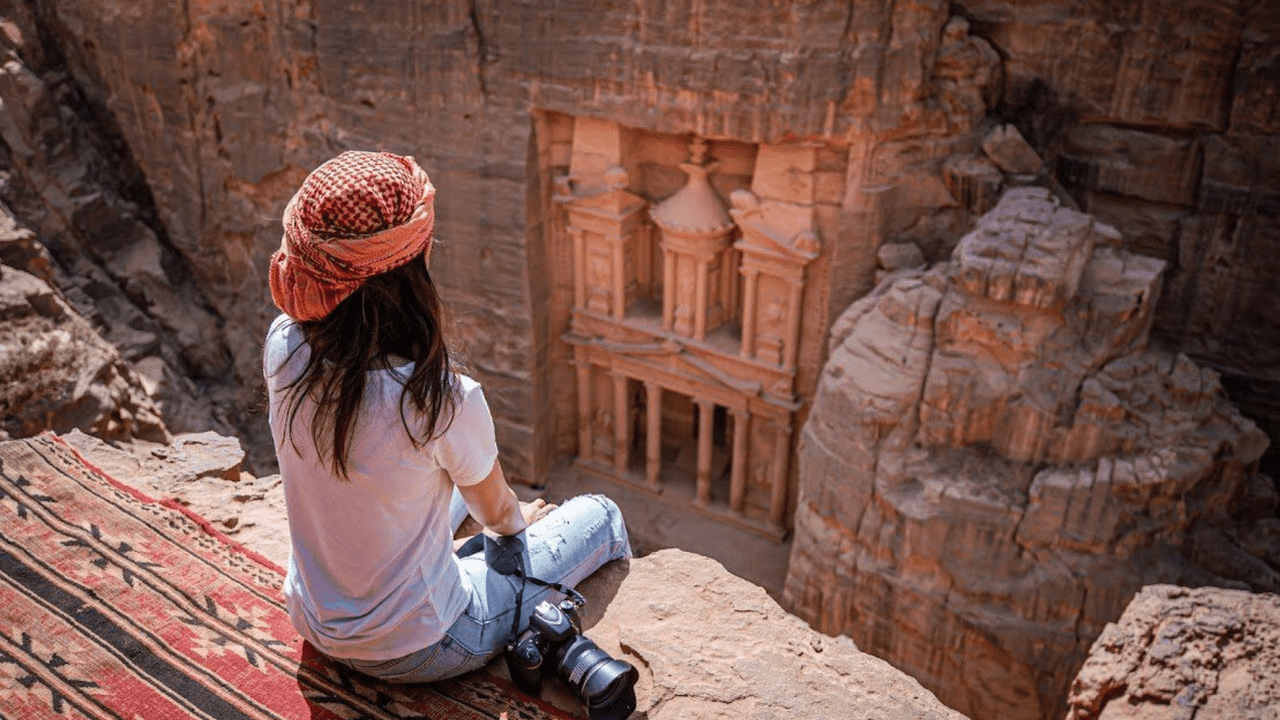
Although nowadays the Middle East is a name heard mostly in connection with international tensions or widespread problems, the country of Jordan is an incredibly fascinating place that hides many surprises. What to see in Jordan if not the wonderful city of Petra, the Valley of the Moon (also called Wadi Rum), the Dead Sea, or the Temple of Hercules?
We could spend hours trying to describe an Indiana Jones-worthy itinerary starting from the Wadi Rum desert to encounter breathtaking landscapes and places, ending with peace at the Red Sea.
We at Meeters specialize in helping people find the best way to spend their free time. Whether it's sports activities or attending cultural events, we have been helping people make new friends for years and we want to offer the same to those who follow us abroad, like on our trip to Jordan.
Enough talk: let's discover what to see in Jordan and why it's worth traveling to this wonderful country.
Mount Nebo
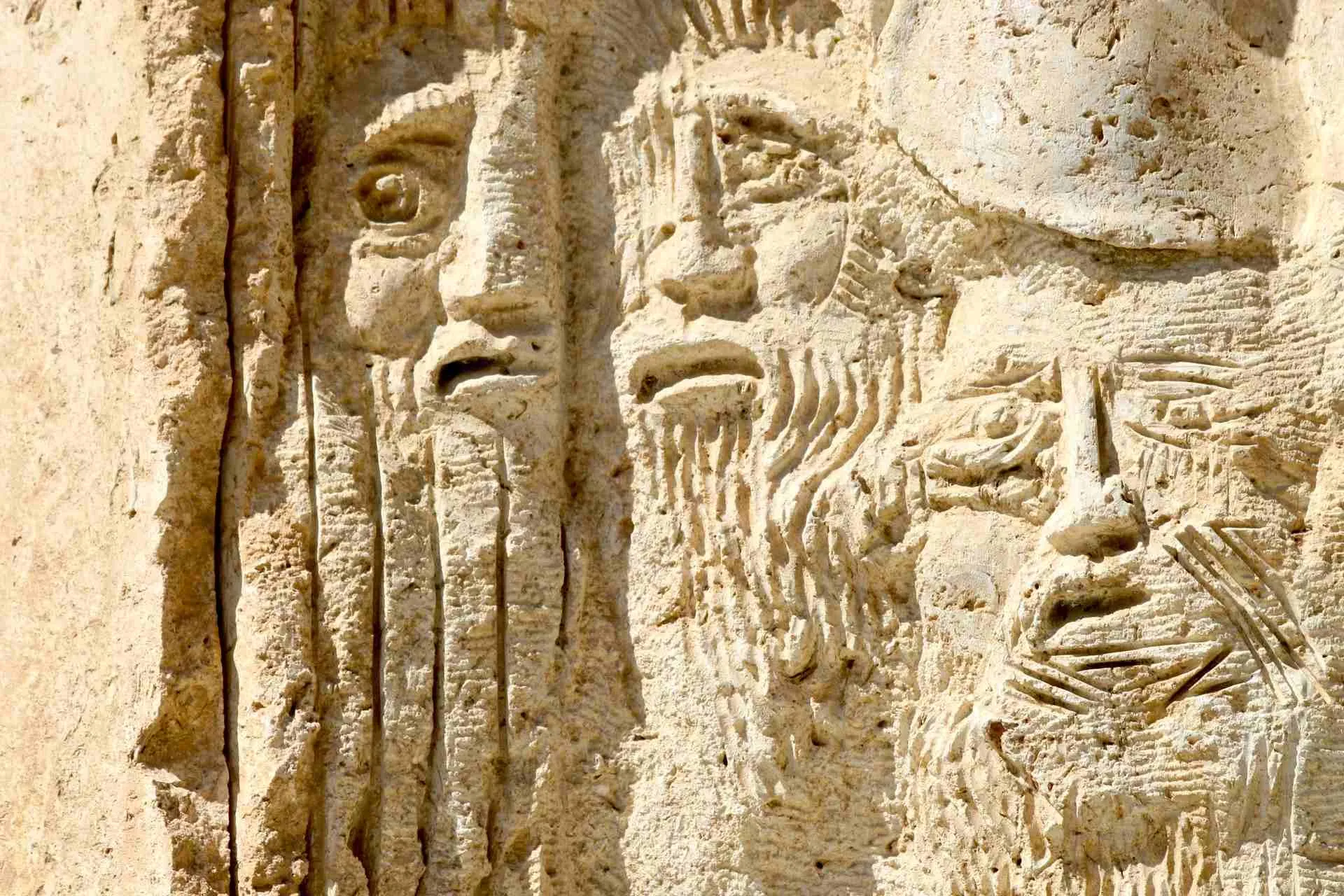 Let's start with a bang. Mount Nebo is a wonderful viewpoint over the Jordan Valley whose history is closely intertwined with that of the Bible. At the heart of Mount Nebo, it is said that Moses paused with his thoughts turned to the Promised Land. To commemorate this event,
the Franciscan faithful have built a sanctuary on the remains of a previous Byzantine-era monastery. Of the latter, a splendid mosaic floor remains, which, however, pales in comparison to the incredible panorama that can be seen from this mountain.Jerusalem, Jericho, and hundreds of scattered houses represent a view that gives meaning to all itineraries passing through this place. Wadi Rum
Although a desert might not seem like a very interesting place to visit, observing the
reddish dunes
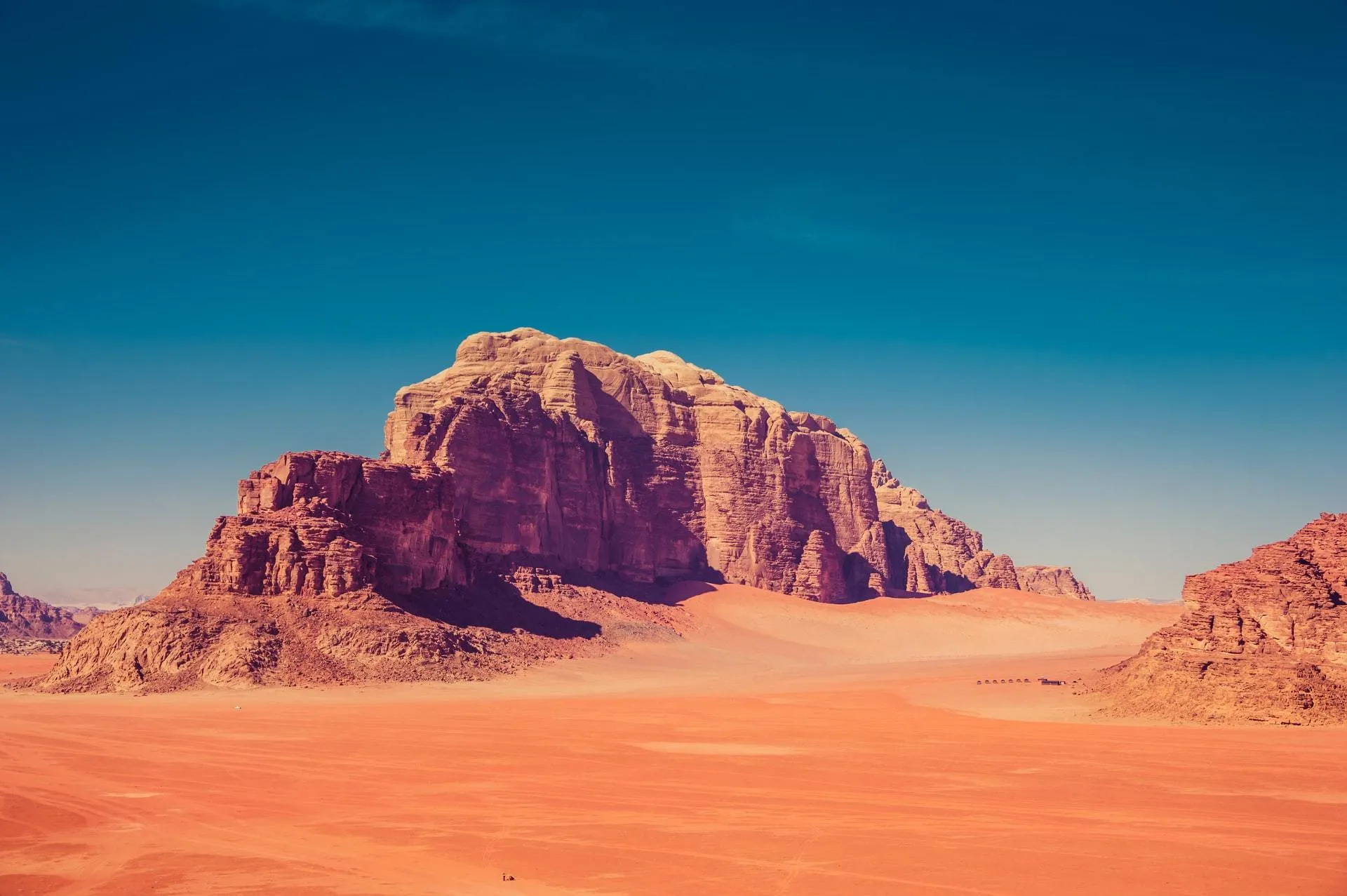 surrounded by bare mountains with the color of the sky as a backdrop can evoke emotions of a magnitude hard to handle. Of all the places in Jordan, Wadi Rum is one of those with the most layers of meaning.
Experiencing it as travelers riding in a jeep is different from crossing it on the back of a dromedary, and yet again different is exploring it with small guided hikes. Of all the deserts in the world, Wadi Rum is one of the places that will make you miss civilization the least; just keep this in mind to live an absolutely extraordinary experience in terms of quality.Jerash and Hadrian's Arch In northern Jordan,
you can visit the splendid city of Jerash (transliterated in Italian as Gerasa). This beautiful city,
only 30 kilometers from the capital Amman,
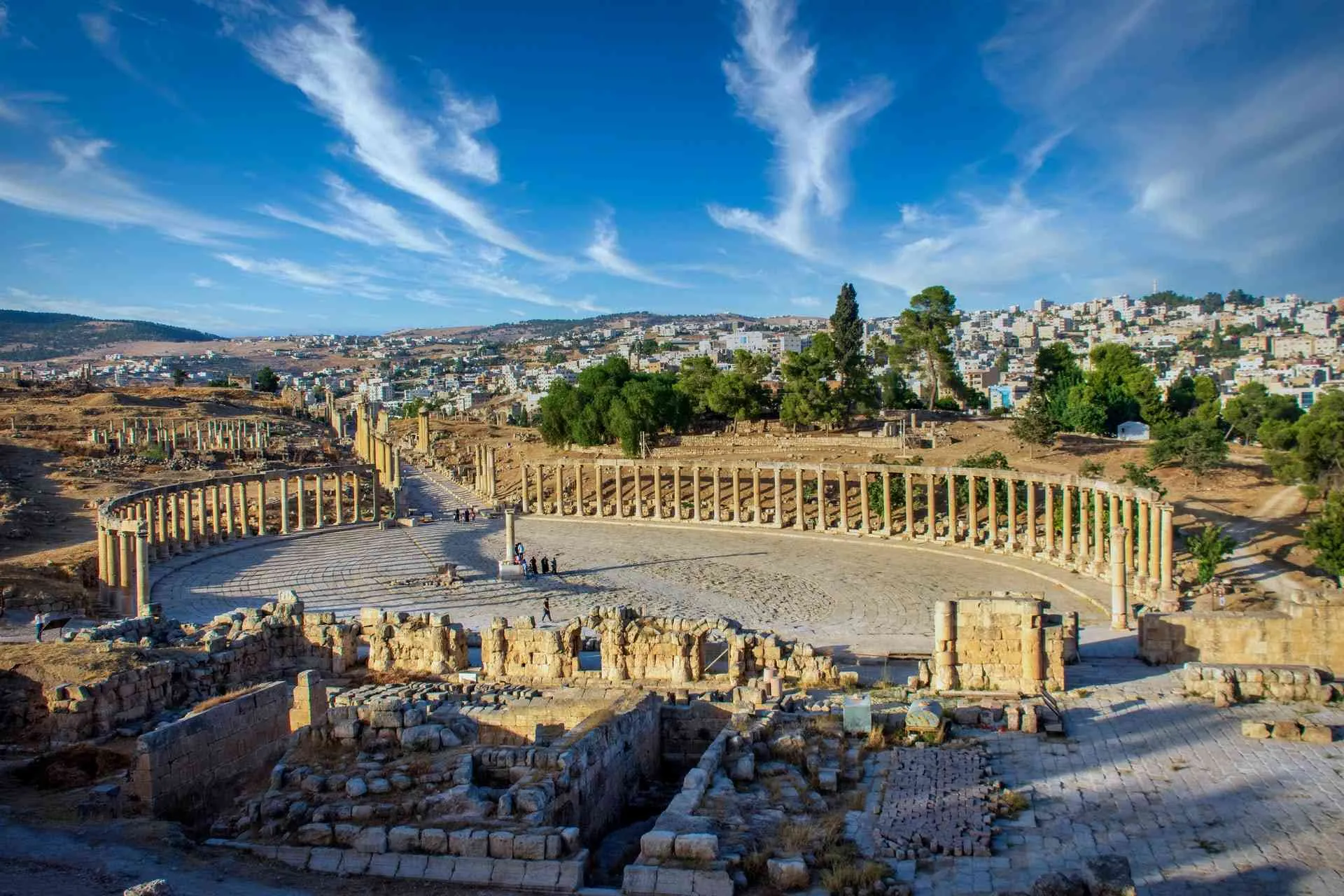 is what remains of an ancient settlement dating back to the time of Alexander the Great. What truly made the city shine was the arrival of the Romans; their presence transformed what was a small camp into one of the most beautiful attractions of modern archaeology. The archaeological area in the city is only a small part of the original city and yet remains one of the most impressive sites outside of Italy. One of the.
most beautiful landmarksto pay attention to is known as Hadrian's Arch. ThisRoman structure, standing 21 meters tall, was erected to honor the visit of the Roman Emperor Hadrian during 129-130 AD. Among the things to see in
Jordan, the magnificence of a Hadrian's Arch (as there are others around the Roman world) is truly hard to surpass. The Dead Sea What could be more unique than the lowest point on dry land? What could be more incredible than a sea whose salt concentration is nine times
higher than that of other surface waters? Few things have fascinated experts as much as the Dead Sea,
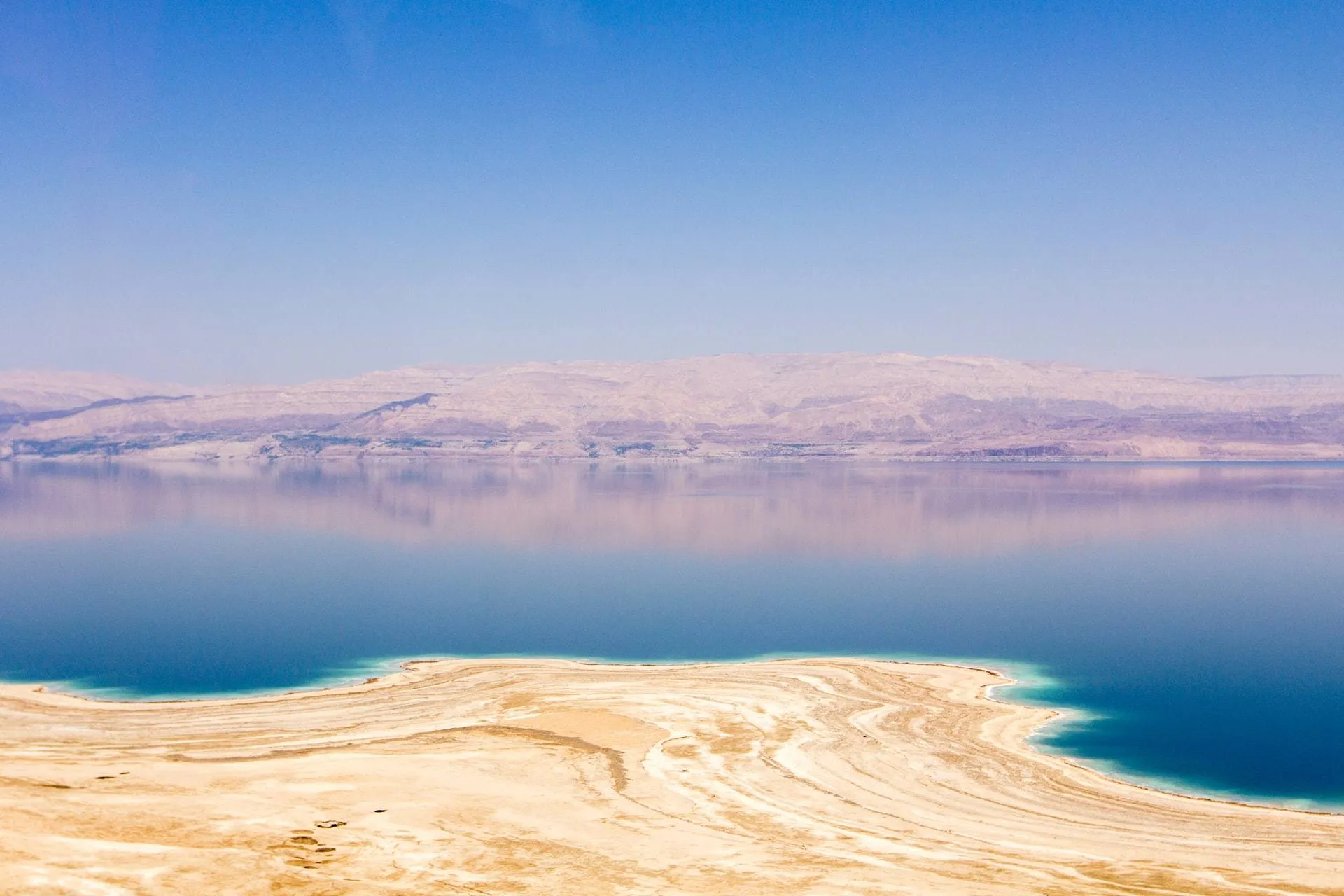 and today this is definitely one of the most beautiful experiencesyou can have when visiting Jordan and its wonders. Although swimming in the sea is strongly discouraged, you can take advantage of the thermal stations located on its shores for beauty treatments from another era. Al Karak and Its Citadel A site that deserves a bit more attention from those interested in the history of Jordan
is definitely represented by the castle of Al Karak,a true fortified citadel in a spot from which it is possible to oversee the entire Jordan Valley.
The castle
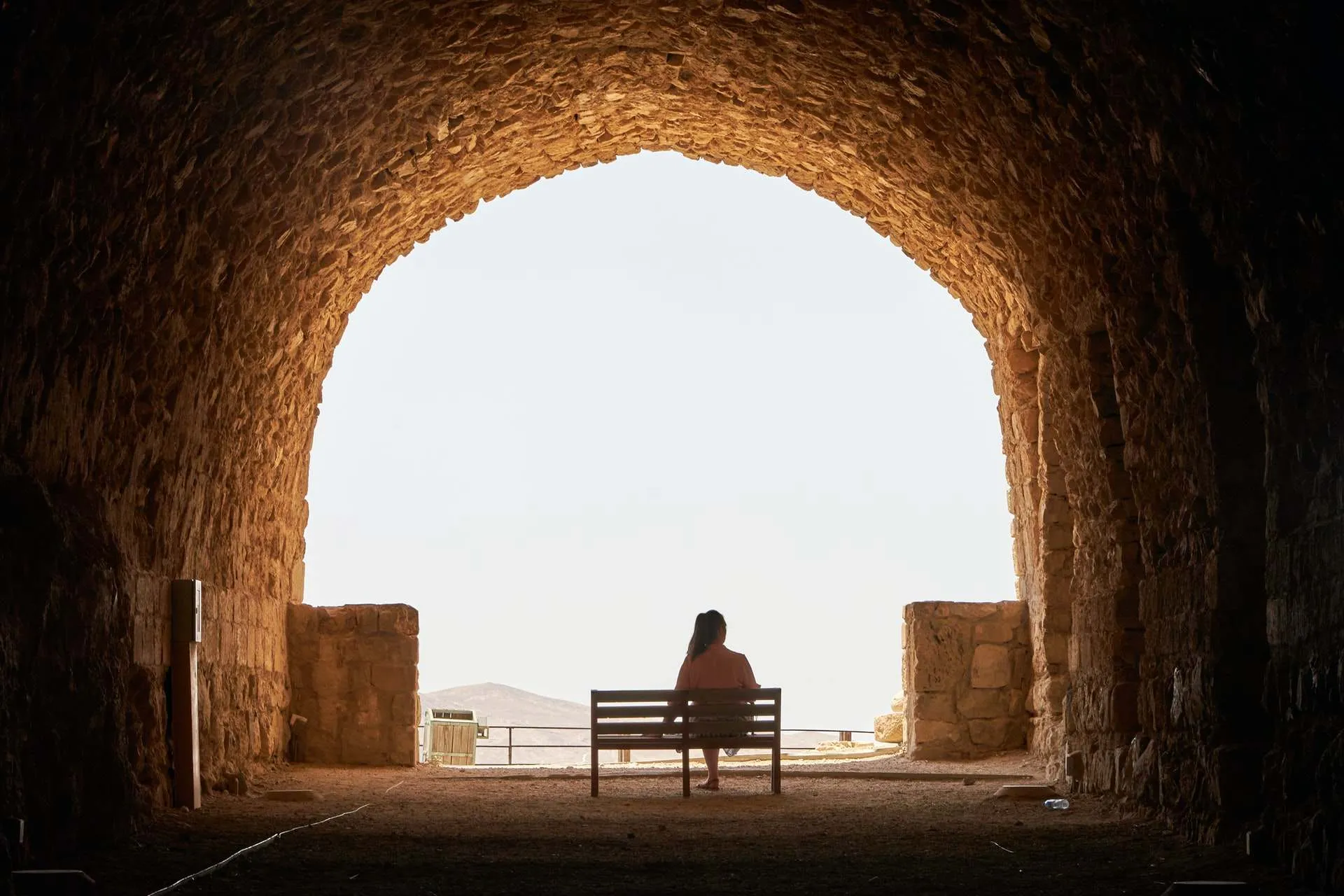 was built by the Crusaders during the twelfth century and still today, the four towersat the corners and the
moat remain standing. The trapezoidal layout of the castle is today a treasure. the four towers located at the corners and the moat. The trapezoidal layout of the castle is now Graal.