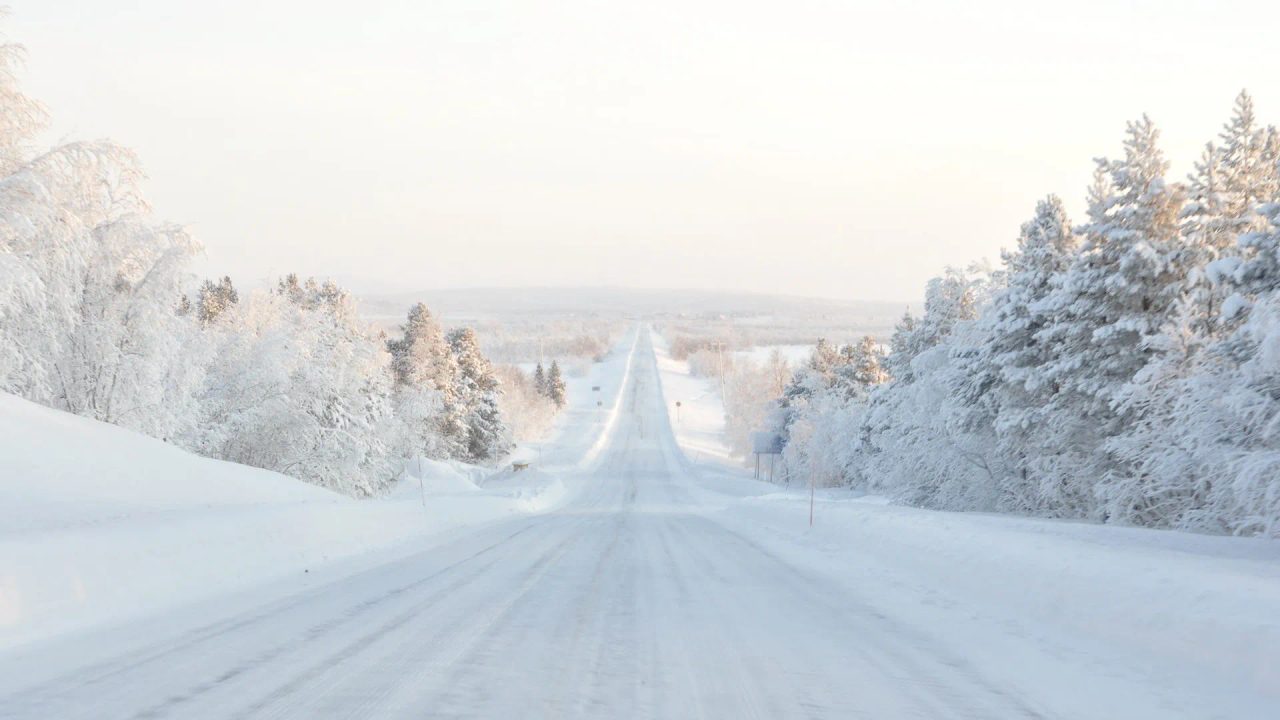
How many times have you wondered something like “but where exactly is Lapland?
Let’s take a moment to talk about this region very close to the Arctic Circle, known especially for two things: the Northern Lights and Santa Claus, who technically lives here every day except Christmas.
But yes, in reality Lapland has many other things: vast snow-covered forests, the midnight sun that makes you lose track of time, villages with red houses immersed in absolute white, and plenty of nature, some of the most beautiful in the world.
To organize a trip you first need to know where Lapland is, how to get there, the best time to go, and which places to plan your stops around.
At Meeters, we have considerable experience organizing events and firmly believe in the importance of improving the quality of your free time, so you have more experiences to face the boring everyday life. Participating in our events means making new friends, creating new memories, and generally having more stories to share with those around you!
Let's start discovering everything you need to know about Lapland!
Where Is It Located?
Let's start with some geographical information, boring but definitely necessary. Lapland is not a country but a geographical region, the northernmost in all of Europe (and beyond).
Lapland is spread across the northern parts of Norway, Finland, and Sweden, and extends beyond European borders into the northern part of the Kola Peninsula in Russia.
Be careful though, because each Lapland is different from the others: this is very important to know where to organize your trip based on your preferences.
Trip to Finnish Lapland
Of all the Laplands, this is definitely the most universally known for a very simple reason: for many, Lapland means Santa Claus, and guess where Santa’s house is? Exactly: in the northern part of Finland.Taking a trip to Finnish Lapland means immersing yourself in a traditional winter journey: dog sledding excursions, visiting snowy places, trekking in remote and icy forests, and much more. Undoubtedly remarkable experiences, but they might seem a bit
standard for those looking for more adventurous or original trips. During the high season, in fact, this part of Lapland fills up with tourists from all over the world. Trip to Swedish Lapland Do you like the idea of traveling to a cold place within the Arctic Circle but with fewer people around? Swedish Lapland is just what you need.
The northernmost region of Sweden is less touristically popular than the Finnish one due to the absence of Santa Claus,
making it more solitary and wild. Here you go hunting for the Northern Lights, explore the snowy landscape pulled by dog sleds, move from forest to forest on snowmobiles, among
frozen lakes
and prairies of unreal silence. Trip to Norwegian Lapland Of all three Laplands, the Norwegian one is undoubtedly the most unique. Within a few kilometers, you can go from snowy fjords to towering mountains overlooking the ocean, where whales were once spotted. Along the coast, the climate is milder, allowing for greater human development, while the inland is wilder, with very few villages and plenty of
untouched nature.
Norwegian Lapland includes North Cape, the northernmost point of the entire European continent, as well as Tromso, the largest city in the area. Here, seeing the Northern Lights is not difficult: just check solar activity a few days in advance.
When Is the Best Time to Visit?
Now we come to the most important question: is there a specific time to go to Lapland? Both summer and winter offer something special in this part of the world. During summer, the lush green forests are incredible, with blueberry plants, wild animals, and a pervasive sense of peace. The situation changes during winter when, thanks to the snow, Lapland transforms into a lovingly desolate place where the challenge between man and nature is mediated by the incredible gifts nature constantly offers in the form of sunsets, sunrises, Northern Lights, and other wonders.
Temperatures are also less harsh than commonly said: on average, temperatures hover around -30°C, which is not too extreme considering that similar geographical areas (like Siberian Russia or northern Canada) experience temperatures about twenty degrees lower.
All this helps to conclude a simple point: the best time to visit Lapland is from December to the end of March. December and January are the coldest months with the least light (just about 4 hours of twilight sun at best), while in the other months daylight increases, giving tourists the chance to do activities even without darkness.
What Are the Must-See Attractions?
What are the must-visit places when planning an itinerary in Lapland? Let's divide them according to the type of Lapland we're talking about.
The situation changes during the winter period when, thanks to the presence of snow, Lapland transforms into a lovingly desolate place where the challenge between man and nature is mediated by the incredible gifts that the latter constantly offers the former in the form of sunsets, sunrises, northern lights, and other wonders.
The vast majority of interesting activities in Finnish Lapland start from the city of Rovaniemi, which is also home to Santa Claus's village.
From here, you can visit the snow castle of Kemi, take a photographic tour in search of the Northern Lights, or explore the surrounding areas on a husky sled ride.
Swedish Part
There are two best places to organize a vacation in Swedish Lapland: the city of Kiruna and the small town of Abisko.
Kiruna is a medium-sized city with an ice hotel that can be quite interesting for an overnight stay, while Abisko is home to one of Sweden’s most beautiful national parks.
Among other things, Abisko National Park has a Northern Lights observatory that can offer unforgettable nights filled with the colors and shapes of this phenomenon. Norwegian Part.
The versatility of Norwegian Lapland is reflected in the variety of places to visit and experiences to have. If you’re looking for something different from snowy forests, we recommend visiting the Lofoten Islands, full of fishing villages and boasting a unique atmosphere in the entire region.
Otherwise, the place to visit is Tromso, the “Arctic capital” par excellence: here you can visit Sami reindeer farms, drive dog sleds, or join entire cruises dedicated to chasing the Northern Lights.
Providing information about Lapland’s geographical location, how to get there, the best time to visit (also to try to see the Northern Lights), and the main attractions/places of interest
While the first is a medium-sized city with an ice hotel that can be quite interesting for an overnight stay, the second name is behind one of Sweden’s most beautiful national parks.
The Abisko park, among other things, has a northern lights observatory that can offer nights of indescribable emotions, amidst the colors and shapes of this phenomenon.
Norwegian Part
The versatility of Norwegian Lapland is reflected in the variety of places you can visit and the range of experiences you can have. If you’re looking for an experience different from the snowy forest, our advice is to visit the Lofoten Islands, full of fishing villages and boasting a unique atmosphere throughout the area.
Otherwise, the place to visit is Tromso, the quintessential “Arctic capital”: here you can visit Sami reindeer farms, drive dog sleds, or take entire cruises dedicated to chasing the northern lights.
Providing information about Lapland’s geographical location, how to get there, the best times to visit (including for northern lights viewing), and the main attractions/places of interest.