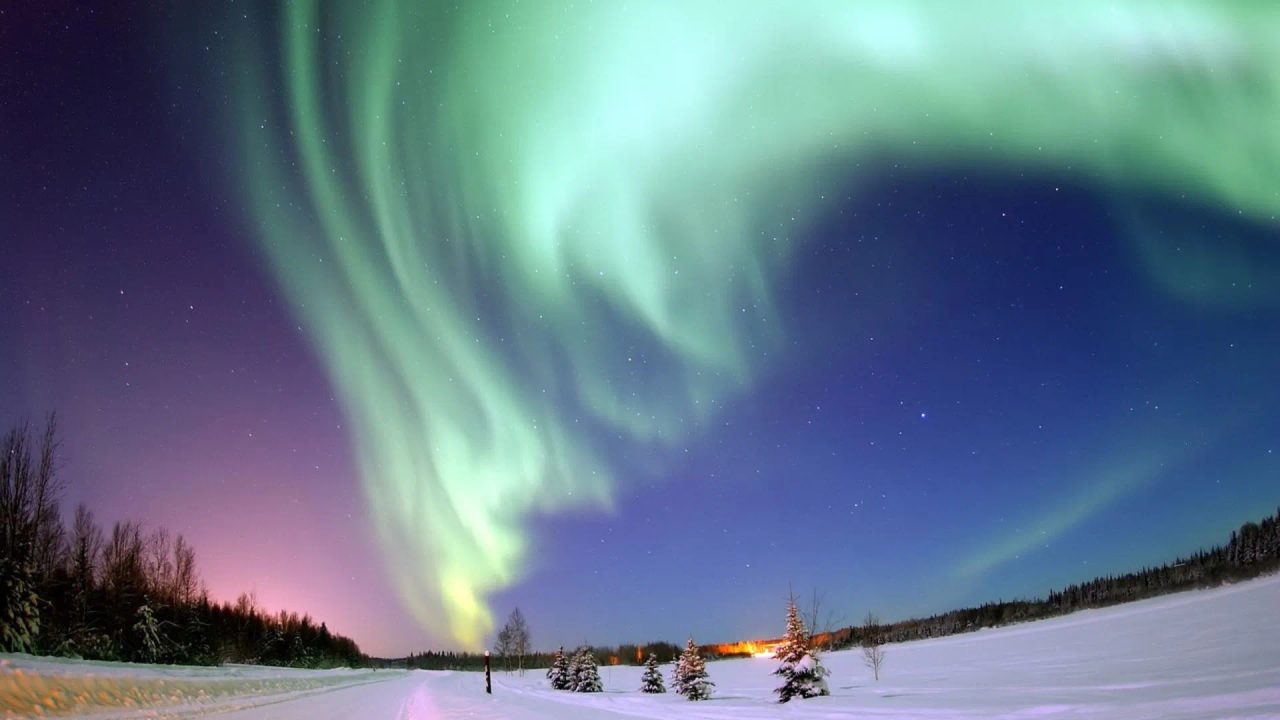
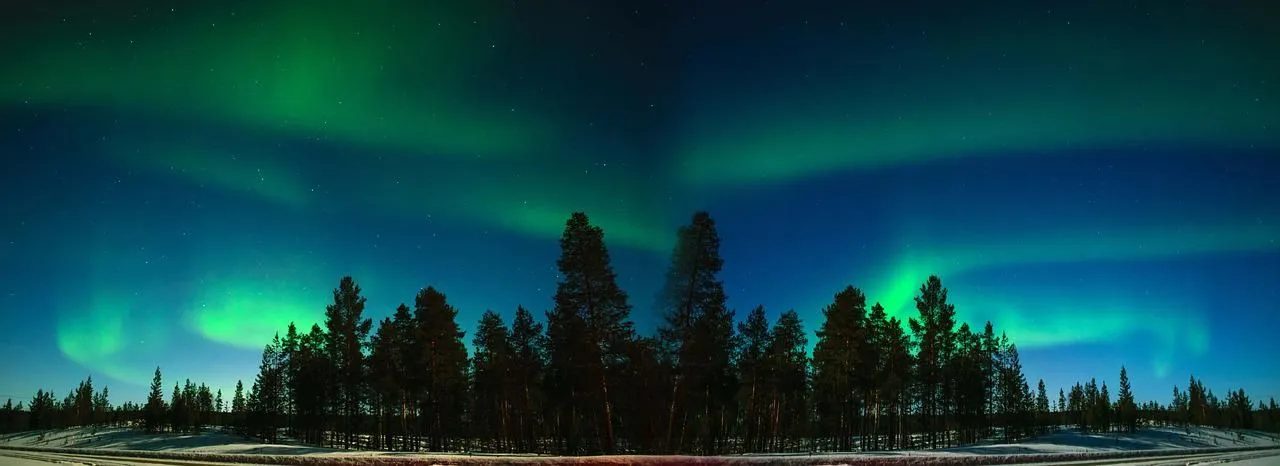
Being lucky enough to look up at the cold northern skies and enjoy the magical colors offered by the Northern Lights in Iceland, essentially means two things: being fortunate, and witnessing one of the most sacred and wonderful shows Mother Nature can offer us.
You should know that the best colors are seen when the nights are pitch black. Darkness is very important if you want to go aurora hunting, hoping to admire it. Indeed, even though you go to Iceland, it’s not guaranteed 100% that you will see the so-called northern lights.
However, within this article, we from the community will provide you with a series of useful tips to increase your chances of seeing it. We will point out countries, weather conditions to take advantage of to admire this extraordinary spectacle, and which accessories you must not forget to pack for a trip to Iceland.
It is one of the coldest destinations on Earth, so leaving unprepared would not only compromise the trip but also your mood.
If traveling solo in search of the mysterious northern lights discourages you a bit, you might consider joining one of the group trips we organize abroad, as they allow you to make new friends and share the beauty of the journey in company.
Or, before you leave, discover all the events you can join, because they will let you make new friends and share interests and passions with others. Who knows, maybe you’ll find someone willing to share the trip to Iceland with you.
Which Time of Year to Choose to See the Northern Lights?
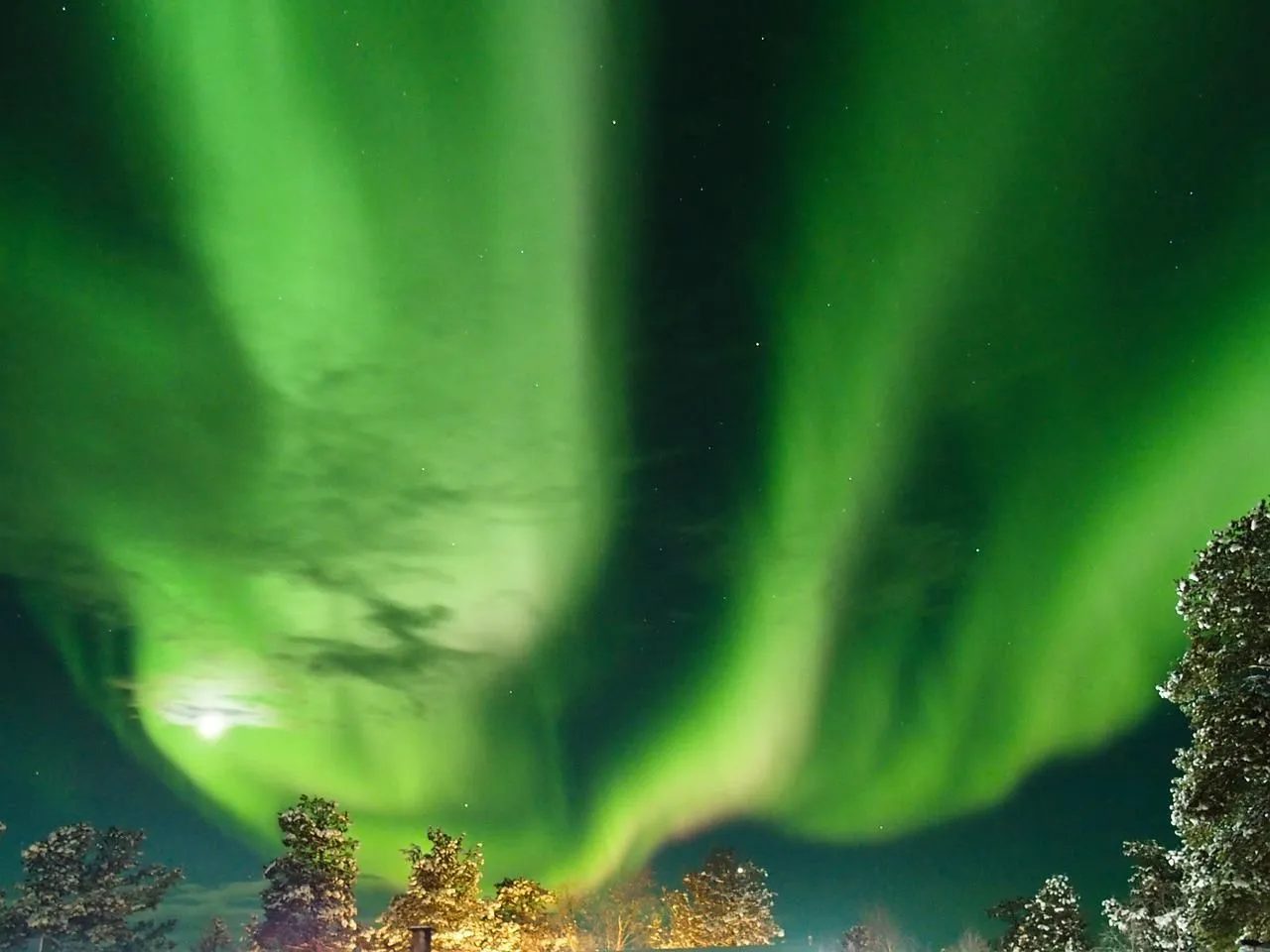
The best time to visit Iceland to admire the Northern Lights is from October to November, although the emerald lights have also been spotted in the warmer months, namely April and August.
However, it’s important to know that the colors of the Northern Lights in Iceland are much more intense around the equinoxes, that is when the sun shines perpendicularly on the equator and day and night hours are exactly equal.
The period to avoidif you want to see the Northern Lights in Iceland is definitely May and July, because daylight is present all day long due to the so-called “midnight sun”. During this time, seeing the aurora is practically impossible because it’s never dark enough.
The Best Places to Spot the Northern Lights in Iceland: Find Out Where
The best places to see the Northern Lights are skies with little light pollution, and these are found far from urban centers.
Strategic spots to admire this much-desired natural phenomenon are in Reykjavík, specifically at the Grótta Lighthouse, in the western part of the city, and from the Öskjuhlíð Hill, at Perlan, which can be reached by car.
Near the hill, you can find a planetarium that during the daytime projects an exciting show of the Northern Lights called Áróra. This planetarium is an alternative to the real Northern Lights for those who can only visit Iceland in summer or before witnessing the actual phenomenon. In short, like an appetizer to whet your appetite.
Along the road leading to Kleifarvatn, you can visit the Aurora Basecamp Observatory to learn more about the phenomenon.
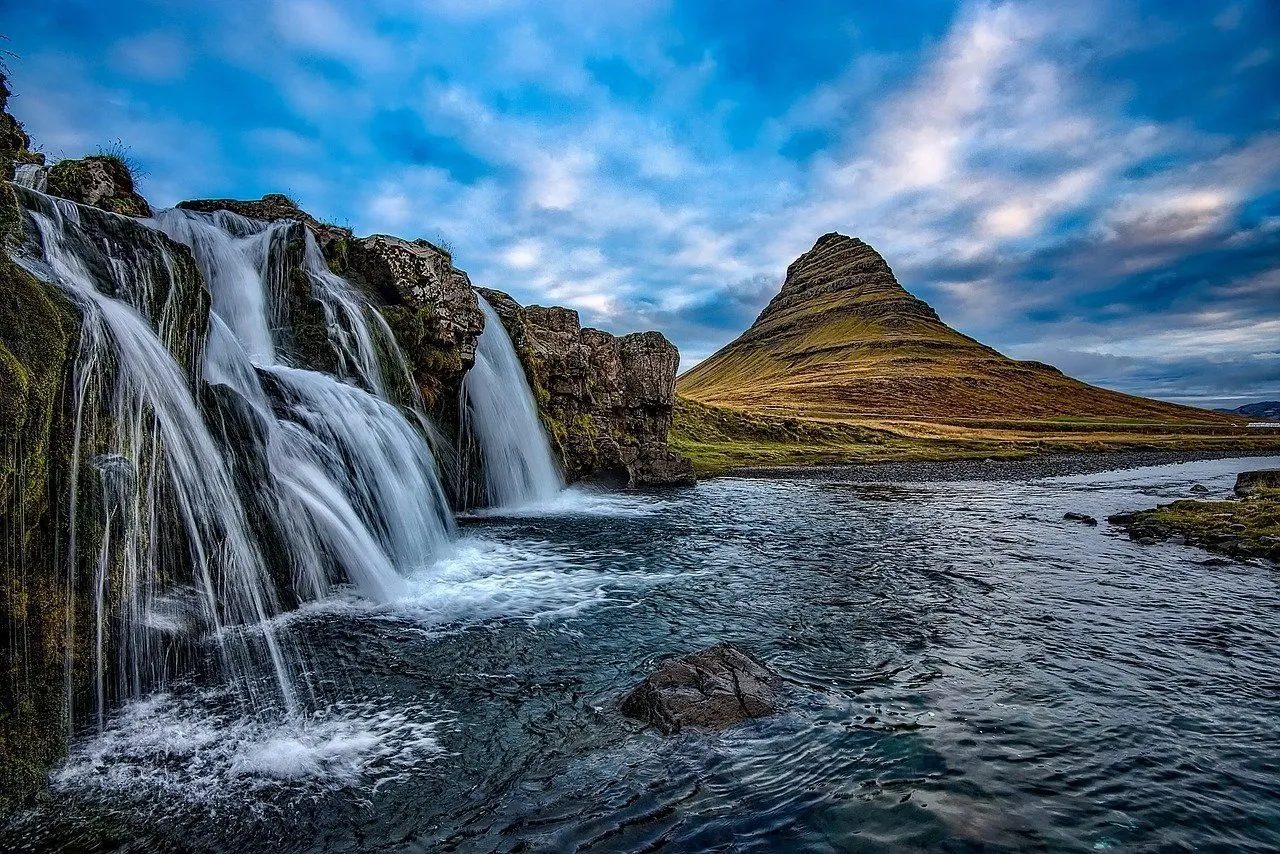
Additionally, we point out the favorite spots of photographers from around the world who come here to capture the magical colors of the Northern Lights, such as the Jökulsárlón Glacier Lagoon, in the south, and Kirkjufell Mountain, in western Iceland.
A Look at the Weather to Increase Your Chances of Seeing the Aurora
To admire the Northern Lights in Iceland, it’s good to know which weather conditions allow the phenomenon to occur. Generally, the emerald lights of the aurora are unpredictable and can surprise even the most experienced.
However, certain conditions must be met. The sky must be dark,, clear, and with an acceptable KP index. The higher this index, the greater the chance of seeing the northern lights, which can sometimes turn purple and pink.
Beyond these factors, geomagnetic activity remains difficult to predict well in advance, but fortunately technology helps us by allowing us to download apps to monitor the weather. Additionally, there is the Icelandic Meteorological Office website, where you can get updates a few days ahead on sky conditions, light levels, and more.
The chance to see the Northern Lights in Iceland also depends on the hours of the night you choose to watch the sky. Generally, the best hours to look up are from 9 PM to 2 AM. This is when the famous northern lights are most visible; it may take time before you see anything, but it will definitely be worth it.
Fun Facts to Know: The Northern Lights Alarm
If you’ve decided you absolutely want to see the Northern Lights in Iceland but are less inclined to wait in the cold and dark, know that there are hotels with an alarm system that triggers when the northern lights appear in the sky. This means you can relax and rest if you’re tired, then be awakened at the right moment to rub your eyes in front of the long-awaited spectacle.
How Do the Northern Lights Appear in Iceland?
The natural phenomenon stretches from east to west across the Icelandic sky and, as the night progresses, can appear as flaming tongues,, scattered luminous patches, and pulsating globes.This succession of effects is what makes many people stay out in the dark for hours just to witness the magic live.
Once under the Icelandic sky, it’s like a magnetic effect that makes us endure, be patient, and sometimes suffer a bit from the cold, just not to miss what we will only be imagining. These are moments that write the story of our lives, the classic things you can always tell.
Northern Lights in Iceland: Solo or With an Organized Group?
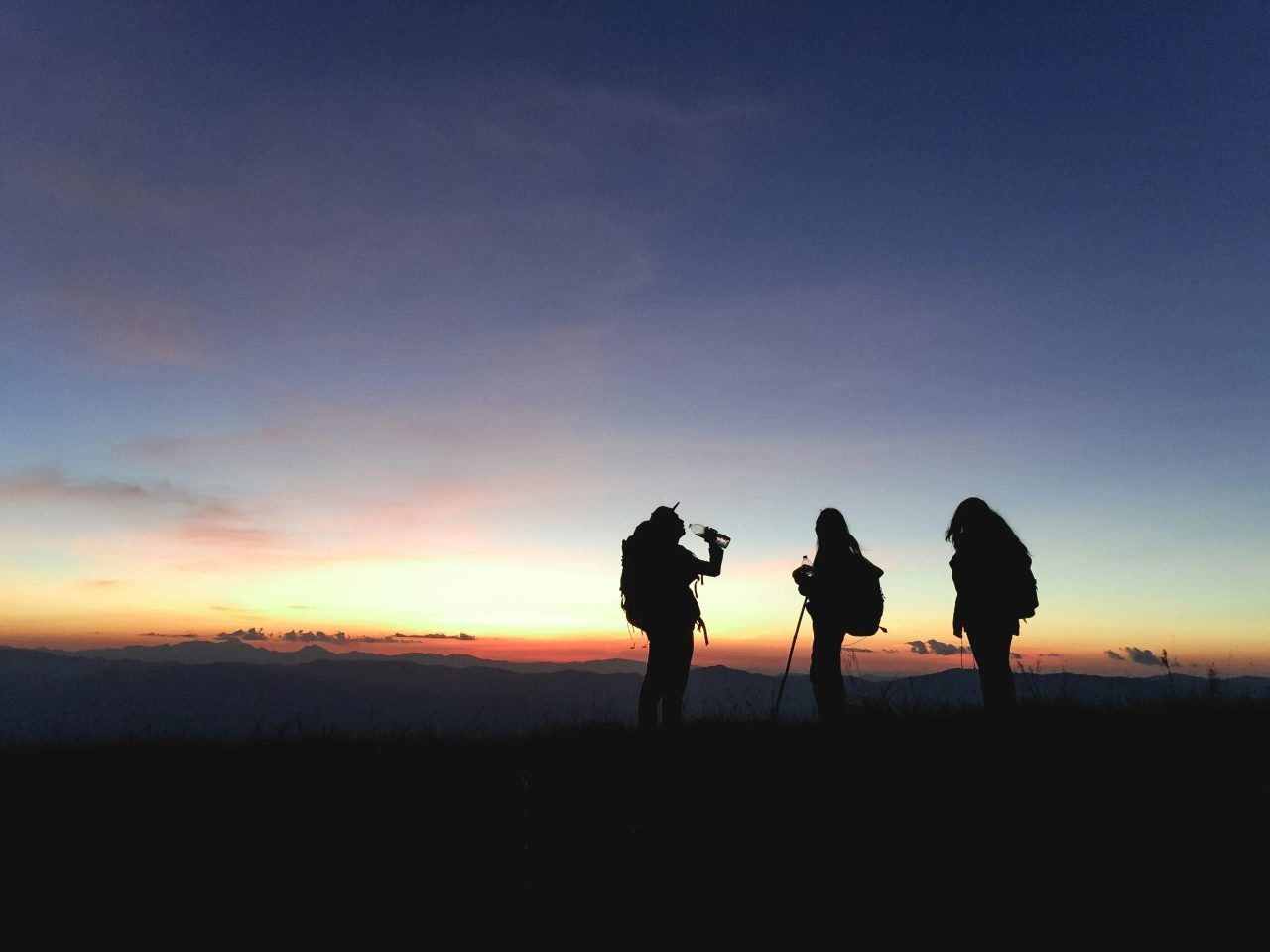
Now that you know where and what conditions to consider to see the Northern Lights in Iceland, you need to decide whether to go independently, renting a car; or join a group trip.
In the first case, you have complete freedom to roam Iceland and become an aurora hunter; in the second, you won’t have to worry about anything because the guide will already know where to go to see it. This enriches the experience, as the guide will share special anecdotes and curiosities about this natural spectacle..
Several guided toursare also more specialized. For example, some focus more on photography, with expert photography guides. Others are reserved for those who want to dive into a geothermal pool, a natural pool with crystal-clear waters amid Icelandic glaciers.
If the Northern Lights in Iceland or a soak in a thermal pool isn’t enough for you, you can go whale watching. Take one of the boats offered by local tour operators and roam the sea. Indeed, if you go to Iceland, it’s an experience not to be missed for any reason, and we from the community highly recommend it.
What You MUST Pack for a Trip to Iceland
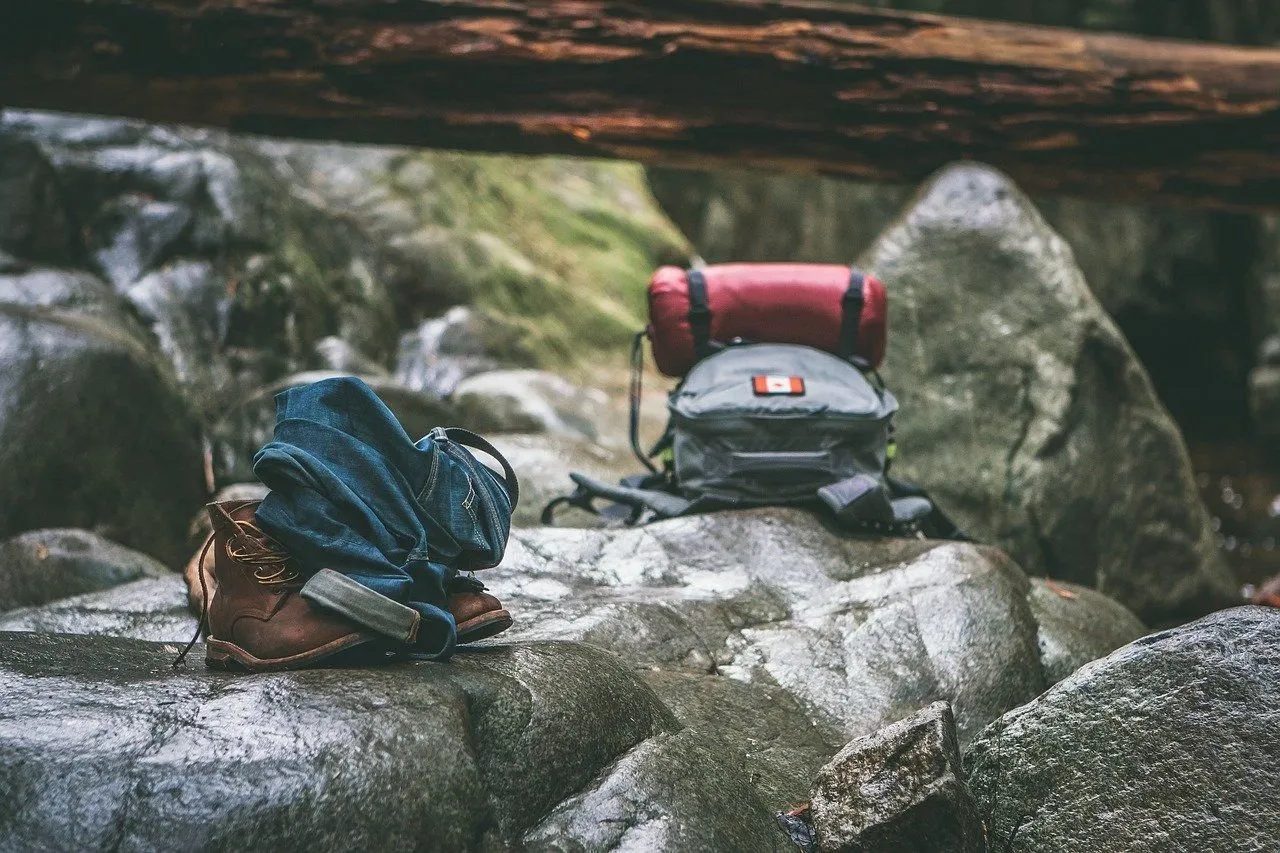
If you visit Iceland, what you absolutely must pack are warm clothes. The approach you should take when choosing clothes is the famous matryoshka doll method, meaning “layering.” This way, you can change and adapt quickly based on your needs; if you’re cold or hot, just add or remove layers. You might also bring a thermos with coffee, tea, or hot chocolate to keep warm during the coldest hours of the night.
One important tip is that the outermost garment you wear should be windproof and waterproof. This will protect you from wind and rain.
Here are some clothing suggestions before setting out to hunt the Northern Lights in Iceland:
- windproof and waterproof jacket and pants;
- warm boots;
- hat, scarf, gloves;
- wool sweaters or fleece pullovers;
- double socks (wear at least two pairs);
- thermal underwear and leggings.
Besides these tips, discover the ten travel accessories you absolutely cannot do without if you want to set out in search of the Northern Lights in Iceland.
How to Pack Your Travel Backpack and Which One to Choose
If you’re thinking of heading off to see the Northern Lights in Iceland, choosing the right travel backpack is one of the things to do before you leave. Once chosen, you need to pack your clothes efficiently since they will be bulky.
Here are some tips on how to pack your clothes inside your luggage:
- Wear some clothes during the trip so you don’t have to pack them;
- roll your clothes like a sleeping bag to save space in your bag;
- focus on quality and utility of the garment, not style.
Bonus Tip: How to Photograph the Northern Lights in Iceland?
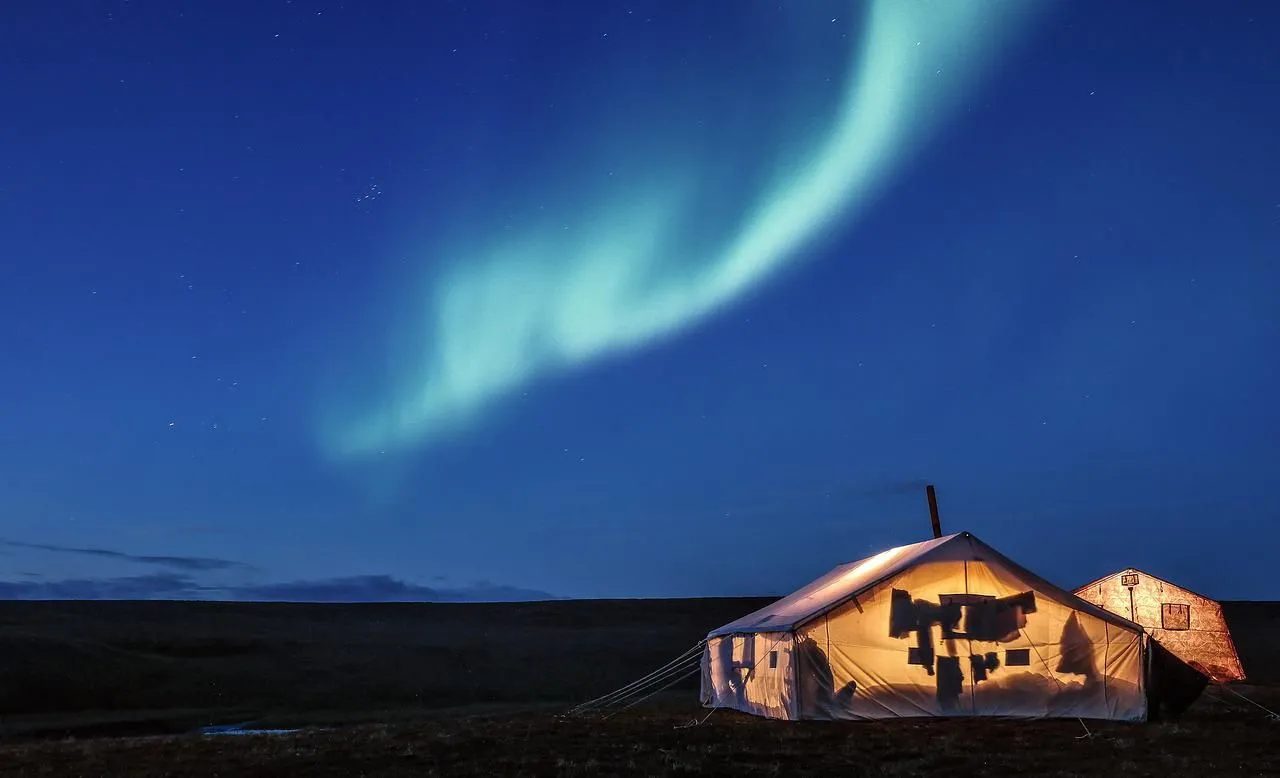
Face to face with the Northern Lights, you’ll surely be eager to snap photos and capture the moment.
If you join an organized trip in Iceland, you won’t have many problems taking photos. There will surely be someone ready to help you.
However, if you go solo, here are some tips to take the photo of a lifetime:
- a tripod to keep the camera steady during long exposures;
- set a wide-angle lens to capture as much sky as possible;
- extra batteries and memory cards for your camera. Very important when you start shooting rapidly, like a hunter with his prey.
Conclusions
With this article, you’re ready to set off to see the Northern Lights in Iceland. You know the best time of year to go and admire them, how and what to pack, the weather and how to monitor it, and much more.
Before you leave, take a look at the events we organize in the area, because there’s probably someone willing to travel with you to Iceland. These events connect people from all over Italy, sharing passions and common interests. For obvious reasons, you can’t rule out finding a travel companion.
If you don’t want to travel solo, discover the group trip to Iceland that we from the community are organizing for you.