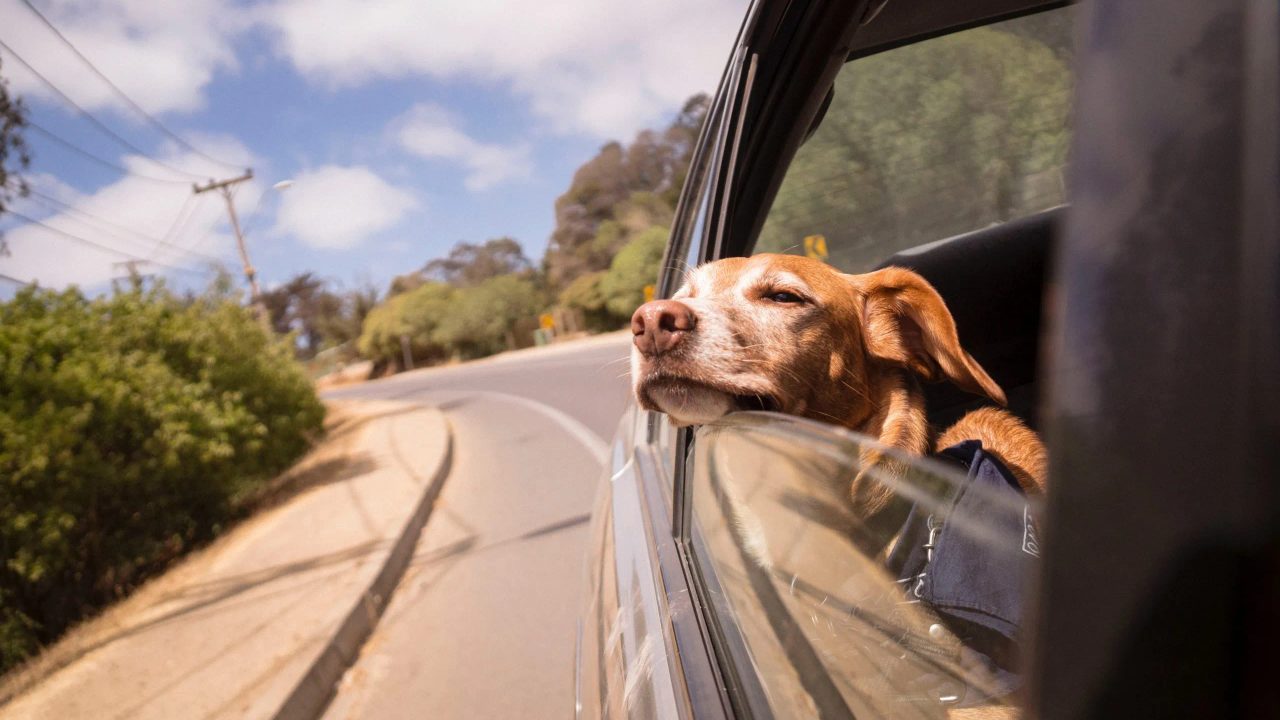
Anyone who has a dog is naturally used to long daily walks around their neighborhood and city and knows how hard it is to convince them to come home. Playful and sociable by nature, dogs would never stop running back and forth and exploring everything in front of them. They are therefore the perfect companions for a trip or a weekend full of adventure. However, outings with your dog aren't as simple to organize as you might think and require plenty of preparation. Here are our tips!
What to Know Before Planning Outings With Your Dog
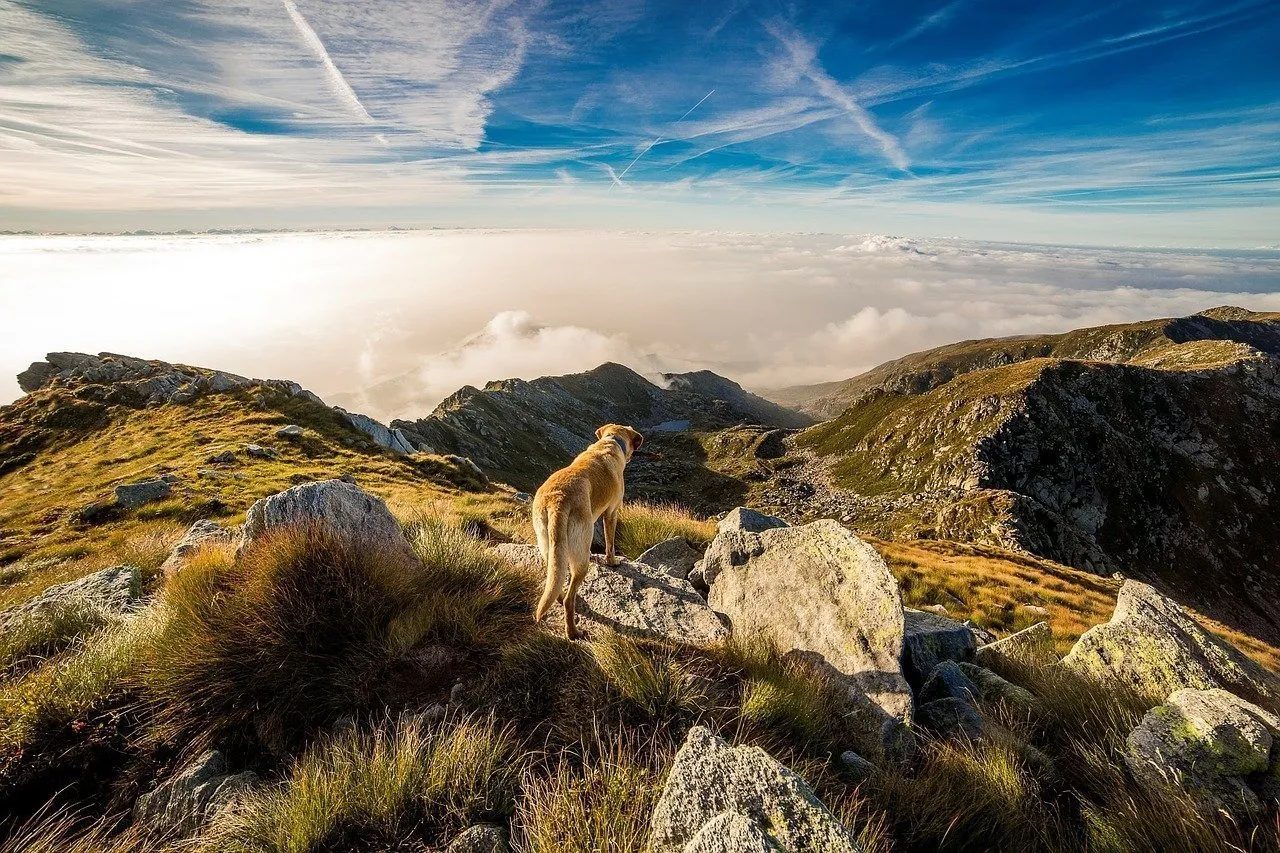
Setting off with your dog, especially for a nature hike, requires careful planning and close attention during the trip.
Just like people, not all dogs are made for traveling and long walks. Some don’t feel like it, some have physical limits, and others can’t due to health issues. Puppies under one year old, for example, are still too young for a long, tiring outing, while small dogs will tire much sooner than medium or large breeds. Also, before heading out on a hike, you need to make sure your dog is physically well and healthy. Always consult your trusted veterinarian.
The most important advice is to train your dog before any hike. Just as you wouldn’t think of entering a cycling race without proper training, you can’t expect your dog to walk energetically all day if it’s not used to it!
Train them gradually, a little each day, extending the daily route and introducing increasingly challenging tasks. If you can’t do this or have difficulties, seek help from an experienced trainer who can solve your problems seriously and efficiently.
Routes and Itineraries for Your Dog Outings
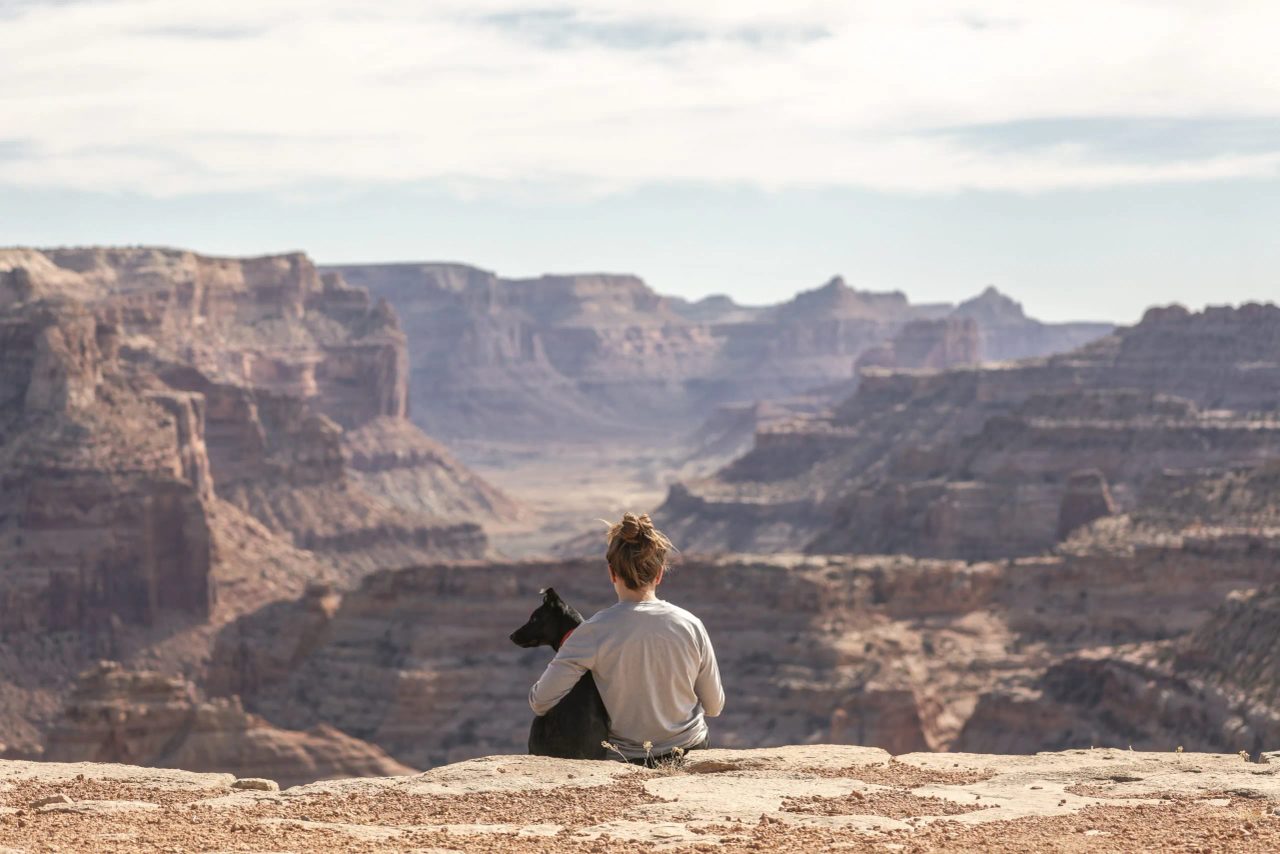
Not all places are the same; your dog might have different needs depending on the itinerary or might not enjoy your choice at all. Always consider their preferences and personality. Have you noticed they’re always low-energy in summer and hate the heat? Then avoid the beach in August at all costs! Do they get tired quickly despite liking to walk? Do they dislike high altitudes? Don’t seem to enjoy the snow at all? Ask yourself these questions and choose the destination and season based on the answers.
Choosing the destination also involves other factors. First, always make sure the areas you pick are dog-friendly and allow animals, with dedicated services. This is especially important if you plan to explore a nature reserve or protected area.
Finally, carefully study the route you intend to take, considering both your dog’s and your own characteristics! Some trails may be too tiring, full of obstacles, too steep, too exposed, or require climbing, crossing elevated structures, and so on, which could be challenging for both of you.
 Gear: What to Bring
After ensuring your dog is truly ready for a nature outing and choosing the destination, it’s time to prepare their bag! Essential items include food and water for your friend: don’t rely on buying something along the way or finding public fountains or streams. Feed your dog before setting off and bring snacks for breaks to ensure they always have an energy source close at hand.
But most importantly, bring plenty of water! Dogs always drink a lot, and the effort of walking might require a large amount of fresh fluids! To help them drink, bring a bowl with you; nowadays, many portable and collapsible optionsare available, perfect for hikes.
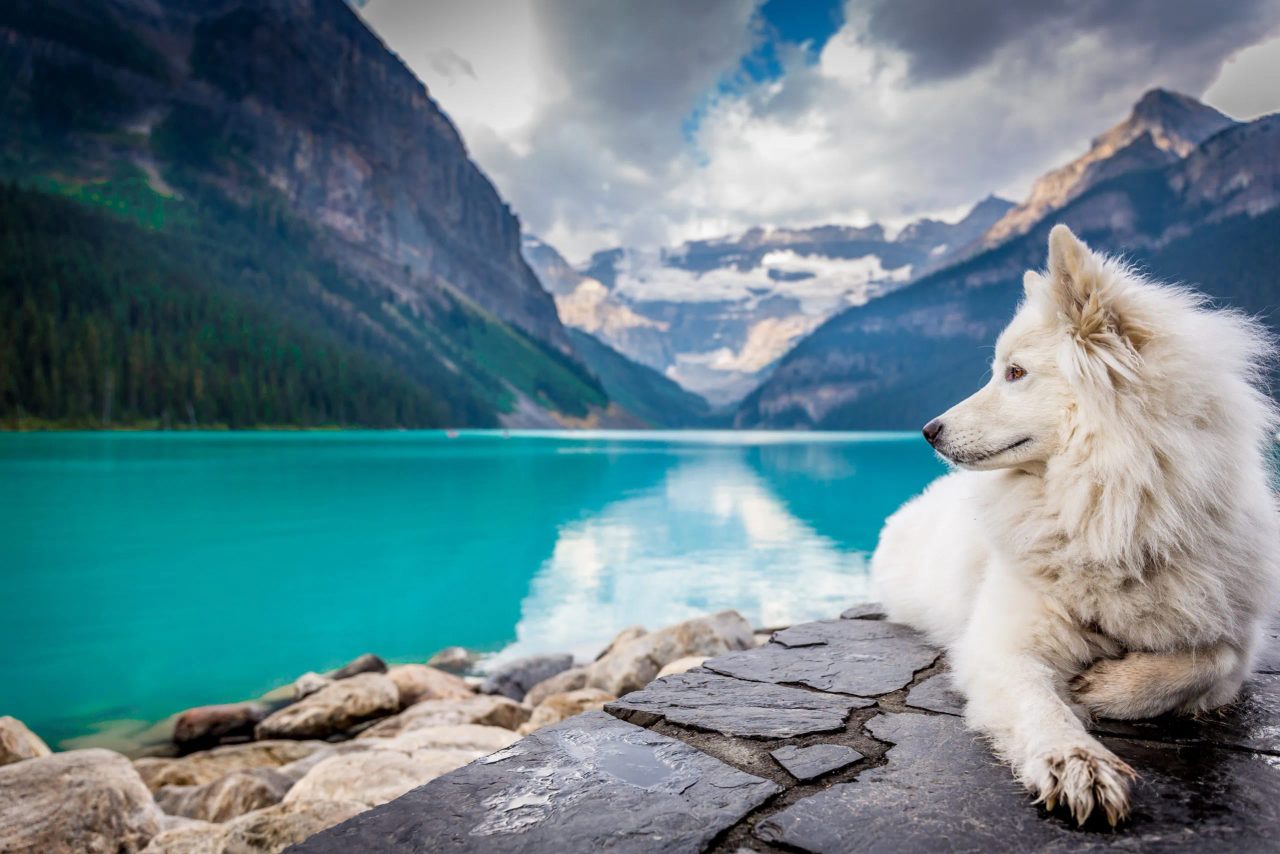
You should also have a small first aid kit. You never know what might happen outdoors. Your dog could get injured, eat something suspicious, be stung or bitten by another animal, a wasp, or a tick. So bring parasite repellents, tick tweezers (essential if traveling in warm seasons), gauze, bandages, and hydrogen peroxide (did you know giving it to your dog is the best way to induce vomiting if you suspect poisoning?).
Include a brushin the kit; it will help clean your dog’s coat before heading home, removing dirt and any ticks or parasites. And even if you’re in the wildest nature, don’t forget bags and a scoop to pick up your dog’s waste.
Leash or No Leash?
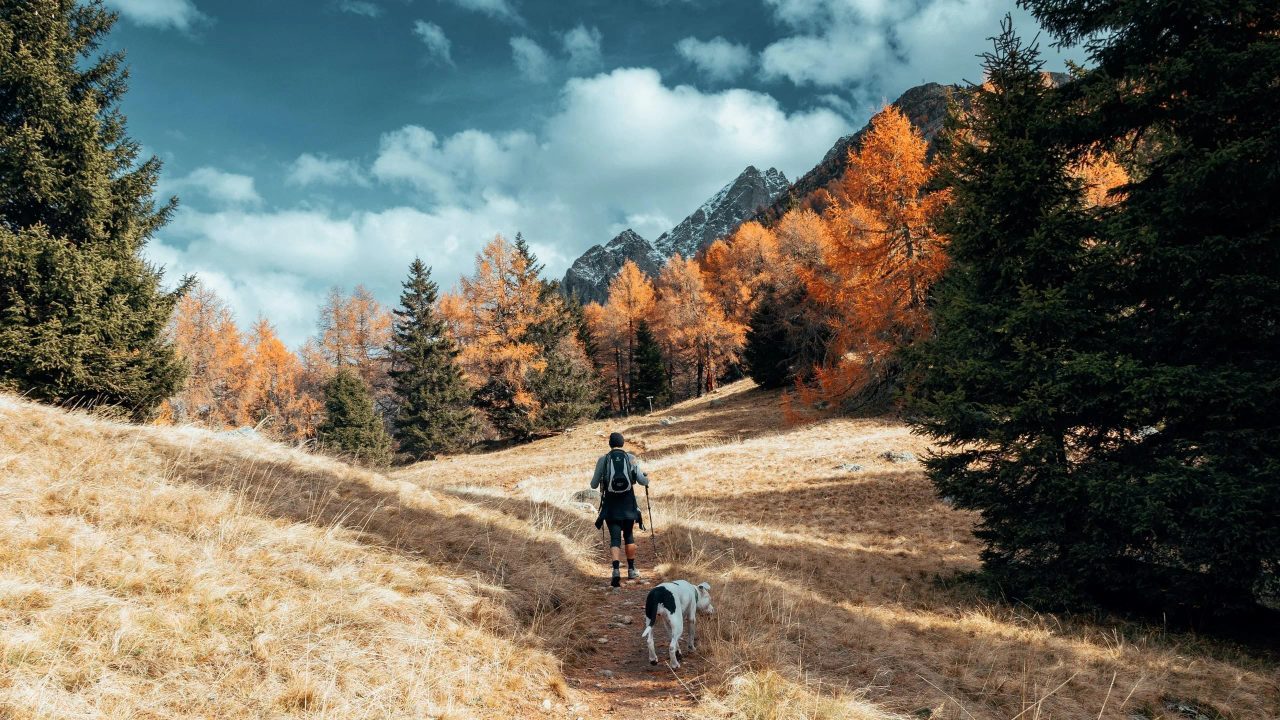
There’s no universal answer to this question; it all depends on your dog and the chosen route.
If your dog is a free spirit, running wildly and chasing everything that moves or excites their nose, then we recommend keeping them on a leash. The hike could become dangerous for an overly enthusiastic dog; they might get lost, wander into dangerous areas, or be attracted to cliffs. Not to mention that if there are other hikers, your dog could disturb them or encounter other animals.
There are also places, like the protected areas mentioned earlier, that require dogs to be leashed by regulation. In general, even if your dog is well-behaved and responds promptly to commands, if the area is dangerous or heavily frequented, the advice is always to keep them on a leash to avoid unpleasant situations.