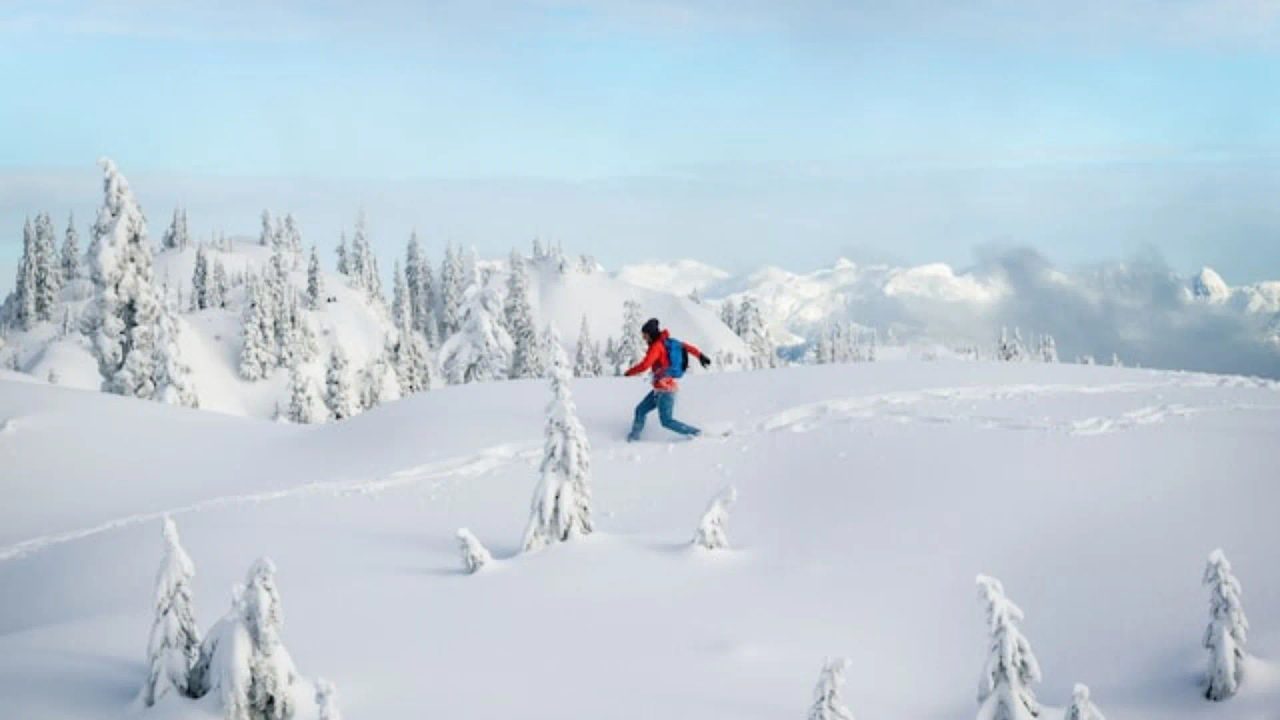
Winter snowshoeing is definitely one of the most enjoyable ways to discover snowy landscapes.
The activity consists of walking with special snowshoes called “ciaspole” on your feet. The experience is suitable for the whole family as it allows you to spend time outdoors and enjoy the beauty of winter nature.
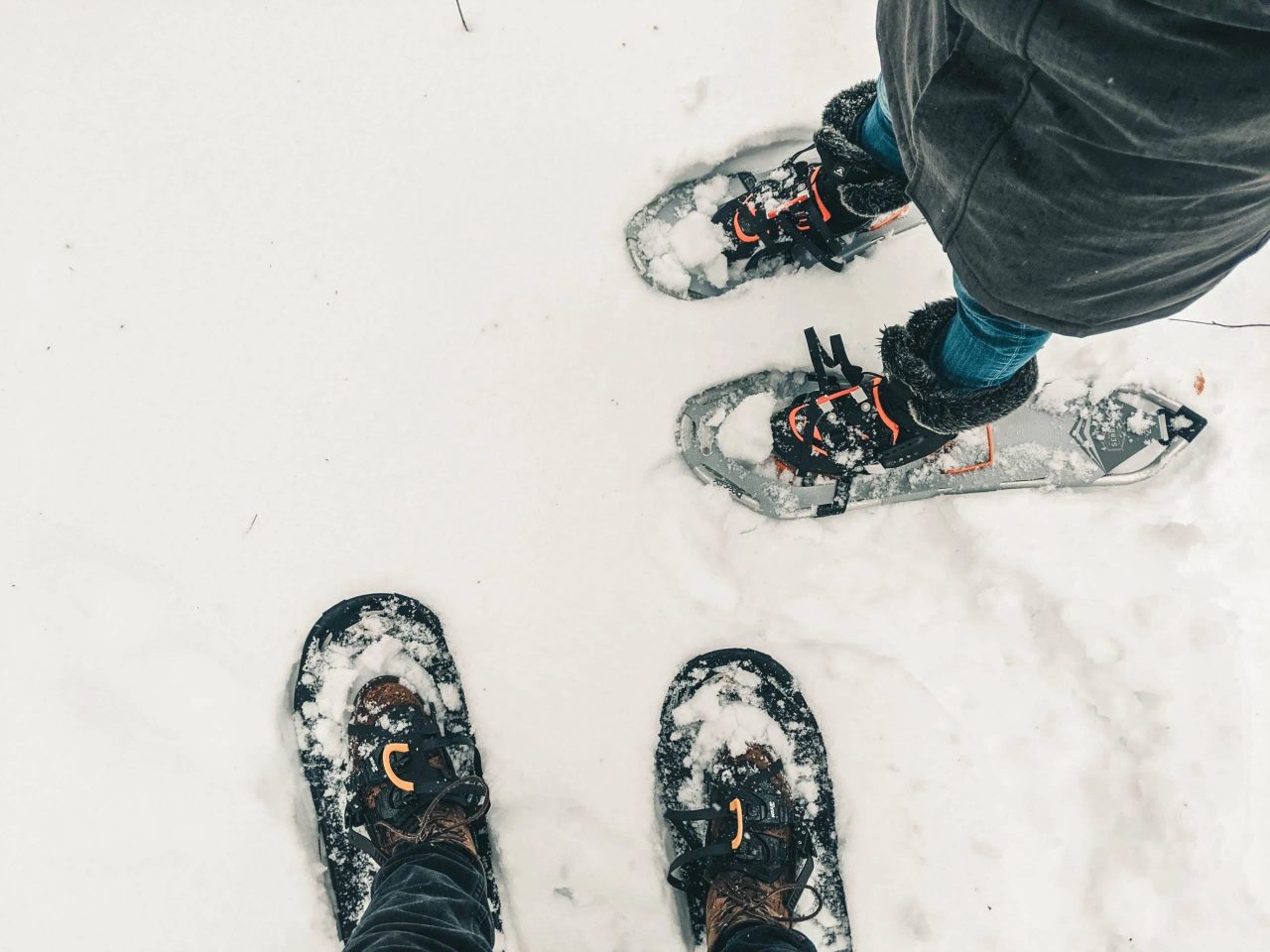
It is a sport that can be practiced by anyone, regardless of age or fitness level. In fact, it is not necessary to be an athlete or have specific training to snowshoe: you just need a bit of goodwill and the right equipment. Moreover, snowshoeing is a low-impact activity, gentle on the joints, making it suitable even for those with mobility issues or who want to exercise more gently.
It is not uncommon for elderly people or those with health problems to approach snowshoeing to enjoy the benefits of walking in nature and fresh air.
In short, snowshoeing is a sport for everyone, allowing you to spend time in contact with nature and get some healthy exercise while exploring snowy landscapes.
However, it is important to remember how crucial it is to snowshoe safely to avoid accidents or injuries during the activity. If you don't follow the proper precautions, there is a risk of slipping or losing balance, which can cause falls or injuries. Additionally, snowshoeing safely also means protecting yourself from cold and bad weather, avoiding prolonged exposure to freezing temperatures or dressing inadequately.
Following some simple precautions, such as choosing the right route, wearing appropriate clothing, and carrying an emergency kit, allows you to practice this activity pleasantly and safely, fully enjoying its benefits.
Let's take a closer look at the main precautions to follow for safe snowshoeing.
Choose the Right Route
Before setting out, it is important to check the weather conditions and the state of the chosen route. Generally, it is best to avoid snowshoeing on very steep slopes or ice. If you choose to snowshoe in the mountains, it is essential to inform yourself about any avalanche risks and the condition of the snow cover. On flat terrain, it is useful to verify that the route is well marked and properly prepared for the activity.
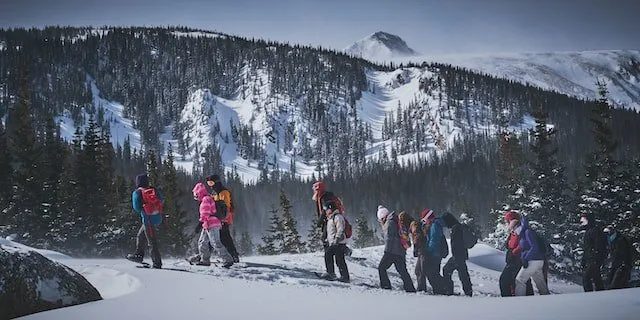
It is also important to consider your fitness level and choose an appropriate route. If you are a beginner, it is better to opt for easier, flat routes, while if you are experienced, you can tackle more challenging paths. In any case, it is always best to listen to your body and stop if you feel tired or experience pain or discomfort.

Wear Appropriate Clothing
It is important to dress in layers, so you can adapt to temperature changes. Outer layers should be waterproof, to protect against snow and water, while inner layers should be breathable, to avoid excessive sweating.
It is advisable to wear a hat, gloves, and scarves to protect your head, hands, and neck from the cold. Sunglasses or snow goggles can also be useful to protect your eyes from the sun's reflection on the snow. Regarding footwear, we recommend wearing
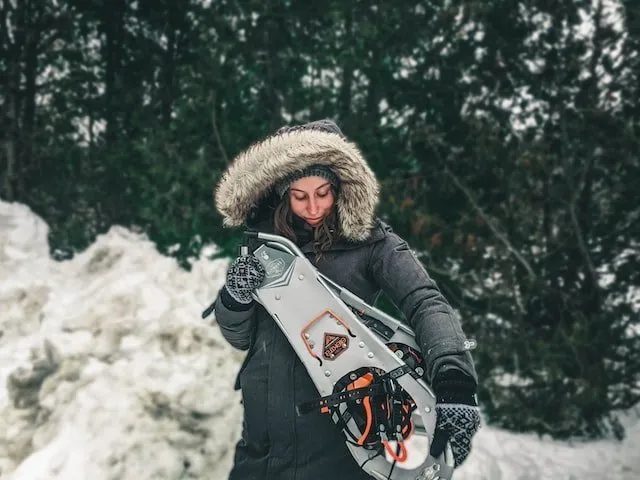
snow boots or waterproof boots that provide good support and grip. If your feet are particularly sensitive to cold, thermal socks or heated insoles can be helpful. Also, remember to bring a change of dry clothes
in case the ones you are wearing get too wet during the walk. Fasten Your Snowshoes Properly It may seem obvious, but to snowshoe safely, it is important to
fasten your snowshoes correctly to prevent them from moving during the walk,
which could cause slips or loss of balance. Before starting your walk, check that the snowshoes are securely fastened to your feet and that no parts are loose or likely to move easily. Follow the manufacturer's instructions carefully when fastening your snowshoes. Generally, it is advisable to start fastening from the bottom and work your way up, tightening each buckle or strap appropriately. which could cause slips or loss of balance. Before setting off on your walk, make sure the snowshoes are securely fastened to your feet and that there are no exposed parts or components that could move easily. Follow the manufacturer's instructions carefully when fastening your snowshoes.
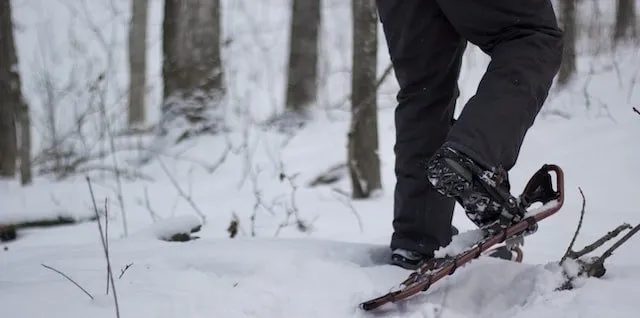
such as a park or courtyard, to ensure they are fastened correctly and to practice a bit. Carry an Emergency Kit An emergency kit is essential to handle any unforeseen events during snowshoeing and should include at least:
A flashlight:
to see where you are going in low light or emergencies.
- A compass: to help with orientation and avoid getting lost.
- A map: to know the route and orient yourself if needed.
- A mobile phone: to call for help or emergency assistance.
- Food and water: to maintain your energy and hydration during the walk.
- The best time to snowshoe depends on weather conditions and your geographic location. Generally, fresh, compact snow is ideal for this activity,
so the coldest months of winter are usually the most suitable. Keep in mind that weather conditions can vary day by day, so it is always best to check before setting out. There are many places where you can snowshoe safely, both in the mountains and on flat terrain. If you decide to snowshoe in the mountains, ski resorts are usually the best choice, as they offer well-marked and prepared routes. On flat terrain, you can snowshoe in parks or nature trails. Always choose a route suitable for your fitness level and consider the weather conditions.
Remember that following a few simple precautions will allow you to fully enjoy the benefits of snowshoeing without unnecessary risks. Always respect the environment and the rules of the place you are in. With a bit of common sense and care, snowshoeing can be a pleasant and safe activity for everyone! [activecampaign form=22 css=1] If you decide to snowshoe in the mountains, ski resorts are usually the best choice, as they offer well-marked and prepared trails. On flat terrain, you can snowshoe in parks or nature trails. Always choose a route suitable for your fitness level and take the weather conditions into account.

Remember that following a few simple precautions will allow you to fully enjoy the benefits of snowshoeing without unnecessary risks. Always respect the environment and the rules of the place you are in. With a bit of common sense and care, snowshoeing can be an enjoyable and safe activity for everyone!
[activecampaign form=22 css=1]