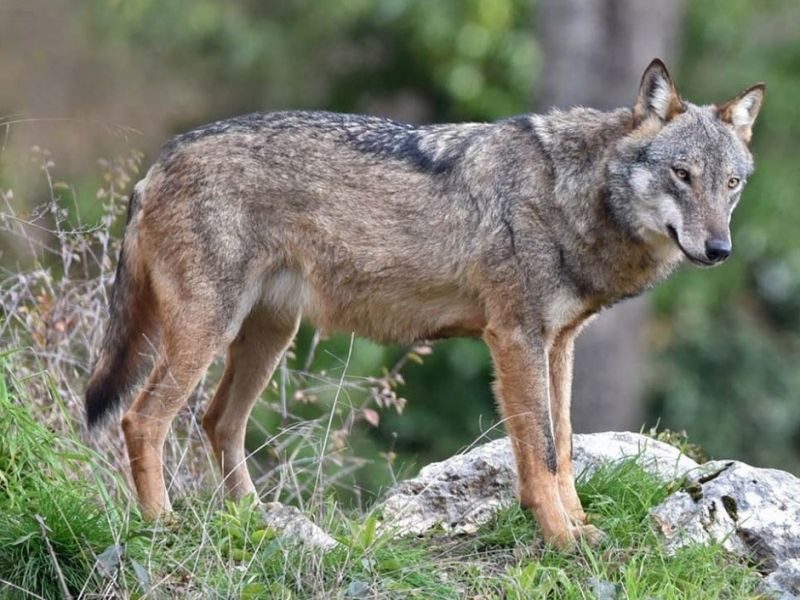
Ah, the image of the wolf! It’s something that has fascinated humanity for centuries, don’t you think? This majestic creature, with its thick fur and piercing eyes, has inspired countless myths and legends. But what makes the image of this animal so incredibly captivating?
To begin with, it’s a symbol of freedom. Who hasn’t dreamed of running free through untouched forests, guided only by instinct and the full moon? This image evokes a sense of wild independence that many of us, trapped in daily routines, deeply desire.
The Wolf in Myths and Legends
The stories surrounding wolves are as varied as the cultures that told them. In Greek mythology, for example, we have the mythical Fenrir wolf from Norse mythology, a beast so powerful that even the gods feared its strength. And then there’s the she-wolf who, according to legend, nursed Romulus and Remus, the founders of Rome.
These stories are not just captivating tales; they reflect the respect and fear our ancestors had for these animals. In these contexts, its image is a powerful symbol of strength and untamed power.
Wolf Symbolism Across Different Cultures
Every culture has its unique interpretation of the image of this animal. For Native Americans, for example, it is often seen as a teacher or spiritual guide. In some tribes, it is revered as a symbol of loyalty and social intelligence, thanks to its nature as an animal that lives and hunts in packs.
On the other side of the world, in Asia, it can take on different meanings. In Mongolia, for example, it is respected as a totemic animal, a symbol of freedom and strength. In Japan, it is associated with protection from evil spirits and illness.
The Wolf in Modern Symbolism
Today, a Swiss thinker saw it as an archetype, a representation of a deep and instinctive aspect of our psyche.
The Wolf as a Symbol of Transformation
It is also a symbol of transformation. The legend of the werewolf, for example, speaks of a radical change, a metamorphosis from man to beast. This image reminds us that we all have a wild side, a part of us that, if unleashed, can lead to profound and powerful change.
Wolf Conservation and Its Image
We cannot talk about this animal without touching on the topic of conservation. Wolves, once widespread across much of the globe, are now endangered in many areas due to habitat loss and hunting. Their image has become a symbol for the conservation of wilderness and the fight against extinction.
The Wolf in Literature and Art
It has inspired countless works of art and literature. From cave paintings to modern fantasy novels, it has always been a favorite subject for artists and writers. These works not only celebrate the beauty and majesty of the wolf but often explore the deeper themes of our existence.
The Image in Fashion and Design
Even in the world of fashion and design, the image of the animal has left its mark. From wolf-printed t-shirts to jewelry inspired by these majestic canines, the symbolism of the animal has become a widespread trend, a way to express one’s love for nature and the free spirit the wolf represents.
The Wolf and Ecology
Finally, the image of the wolf is closely linked to ecology and the role these animals play in ecosystems. Wolves are apex predators, and their presence is crucial to maintaining natural balance. Their image reminds us of the importance of every species and the delicate balance we must protect.
What Does the Image of the Wolf Mean in Dreams?
Dreaming of a wolf can have multiple meanings, often related to repressed instincts, freedom, strength, and independence. It can also represent inner conflict or a spiritual guide, depending on the dream’s context.
Why Is the Wolf Important in Indigenous Cultures?
For many indigenous cultures, the wolf is a symbol of wisdom, teaching, and connection with nature. It is respected as a totem animal and often associated with values like loyalty and community strength.
How Is the Wolf Represented in Mythology?
In mythology, its image is often linked to powerful deities and creatures, such as Fenrir in Norse mythology. It is a symbol of untamed strength, power, and sometimes destruction.
What Role Does the Wolf Play in Ecosystems?
Wolves are key predators that help maintain ecosystem balance by controlling herbivore populations and influencing the structure of animal and plant communities.
How Does Its Importance Affect Species Conservation?
The animal, as a symbol of wild and untamed nature, has inspired conservation movements and raised public awareness about the importance of protecting this species and its habitat.
Has It Always Been Seen Positively in Human Cultures?
No, the wolf has had a mixed reputation. While some cultures respect and venerate it, others have feared or demonized it, often due to misunderstandings or conflicts with human interests.
Have you been fascinated by the image of the wolf and its many meanings? Do you have stories or personal experiences related to this powerful symbol? Share your thoughts and stories in the comments below. It would be wonderful to hear how the image of this animal has touched your life too!