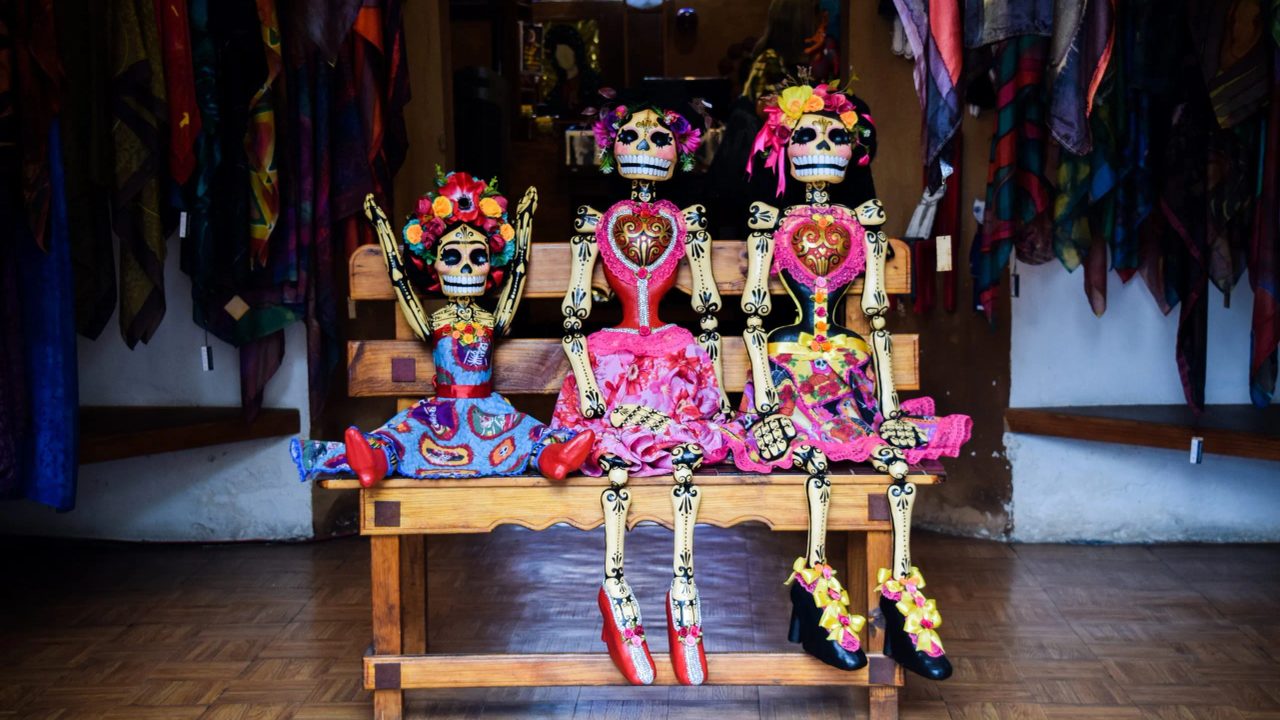
Día de Muertos, also known as the Day of the Dead, is one of Mexico's most important and meaningful traditions. It is celebrated annually from October 31 to November 2 and is a time when people honor and commemorate their deceased loved ones. This celebration is very different from Halloween, as it focuses on celebrating life and connecting with ancestors.
Origins and Meaning
The origins of Día de Muertos date back thousands of years to ancient Mesoamerican civilizations such as the Aztecs and the Maya. These peoples believed that the dead continued to live in the afterlife and that death was merely a passage to another dimension. Día de Muertos is therefore a celebration of life, a way to honor and remember the deceased, and a moment to reflect on one's own mortality.
Preparing the Altar
One of the most important traditions of Día de Muertos is preparing the altar, known as the “ofrenda” in Spanish. This altar is set up at home and decorated with flowers, candles, photographs of the deceased, and favorite foods of the departed loved ones. It is believed that these objects attract the spirits of the dead, allowing them to return to the world of the living for a brief period.
The Celebration in Cemeteries
During Día de Muertos, cemeteries become places of celebration and festivity. Families gather around the graves of their deceased loved ones and spend the night praying, singing, dancing, and sharing food and drinks. Cemeteries are beautifully decorated with flowers, candles, and altars, creating an atmosphere that is both festive and solemn.
Masks and Costumes
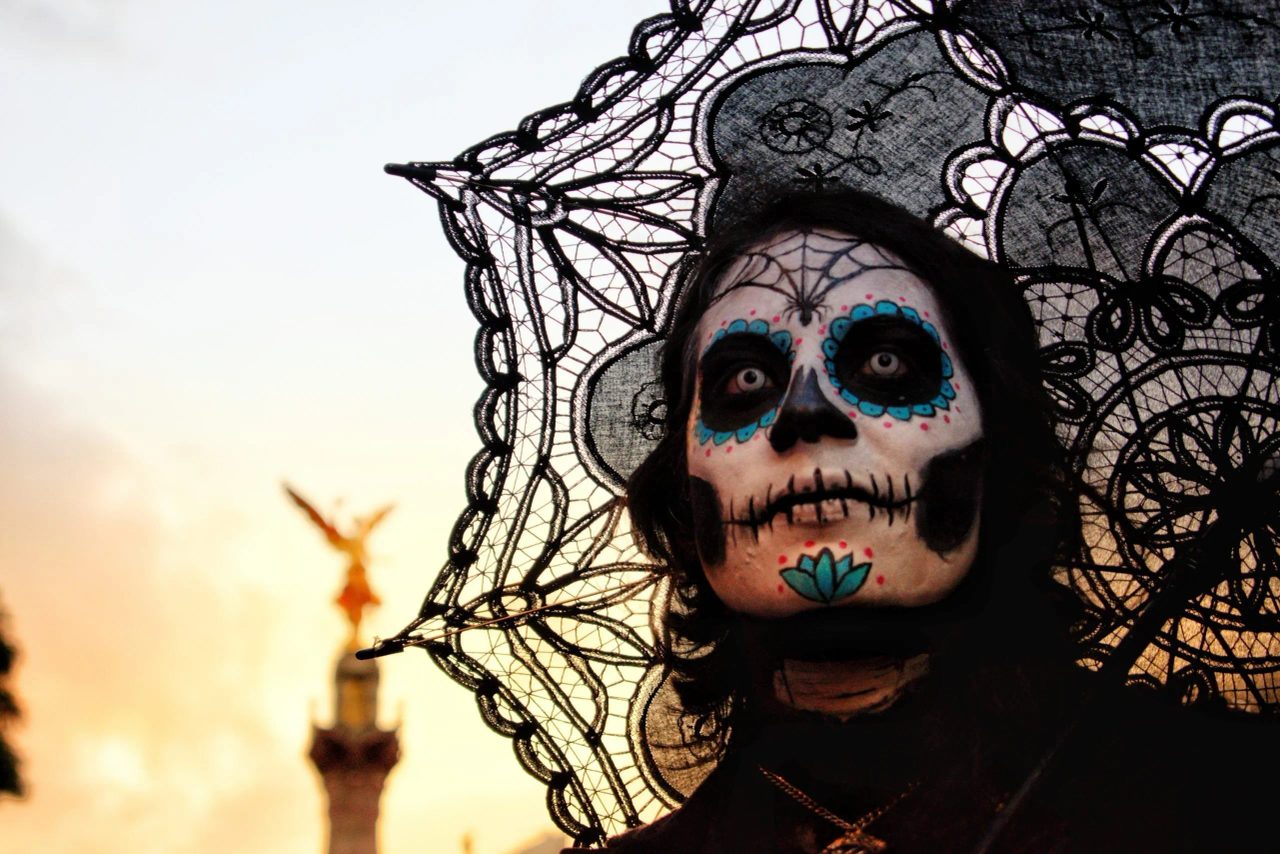
One of the most iconic features of Día de Muertos are the masks and costumes worn during the celebrations. The masks represent skulls, known as “calaveras” in Spanish, and are painted with bright colors and elaborate decorations. These masks are a way to honor the dead and to remind that death is part of the natural cycle of life.
Calaveras and Calacas
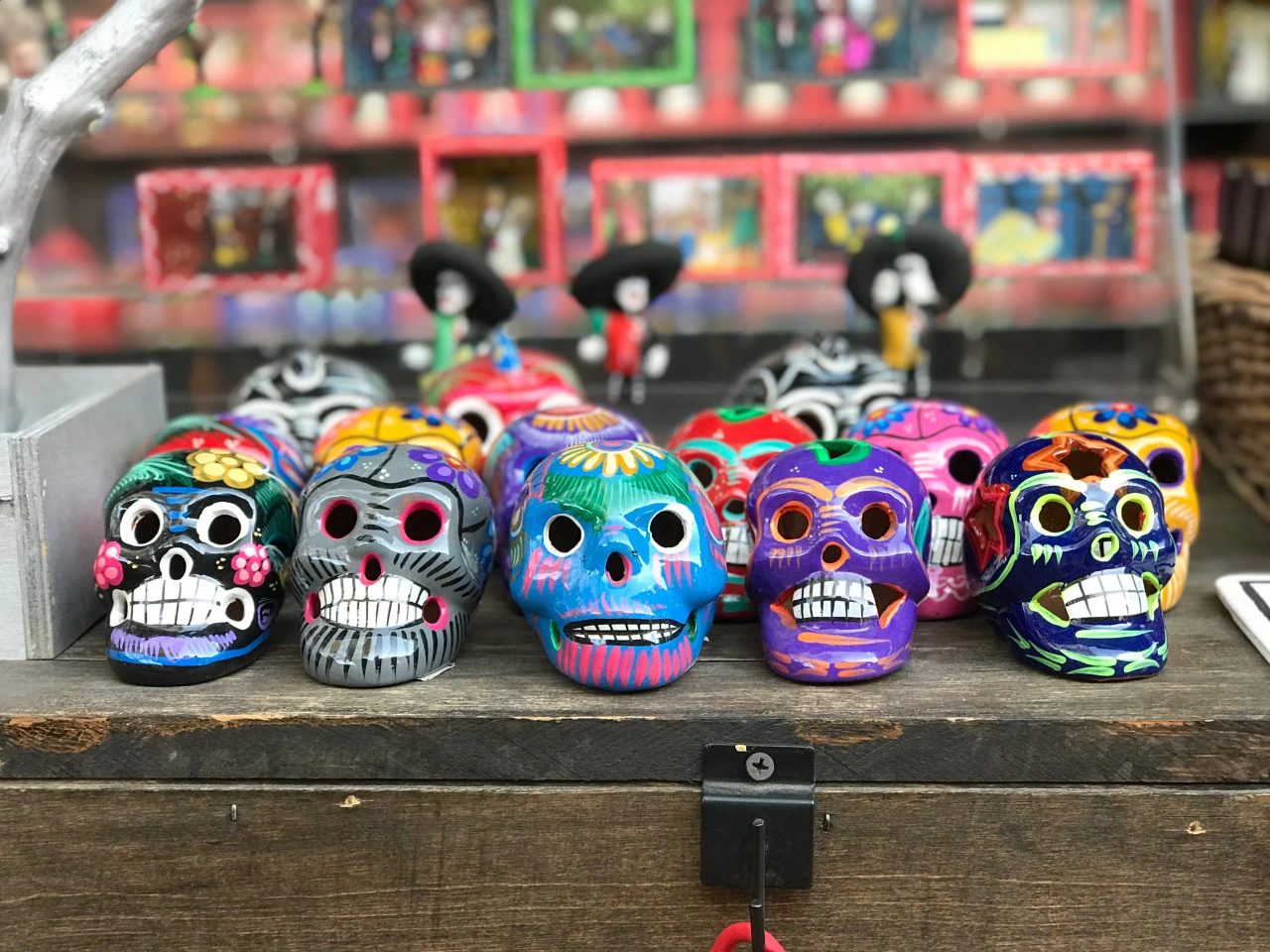
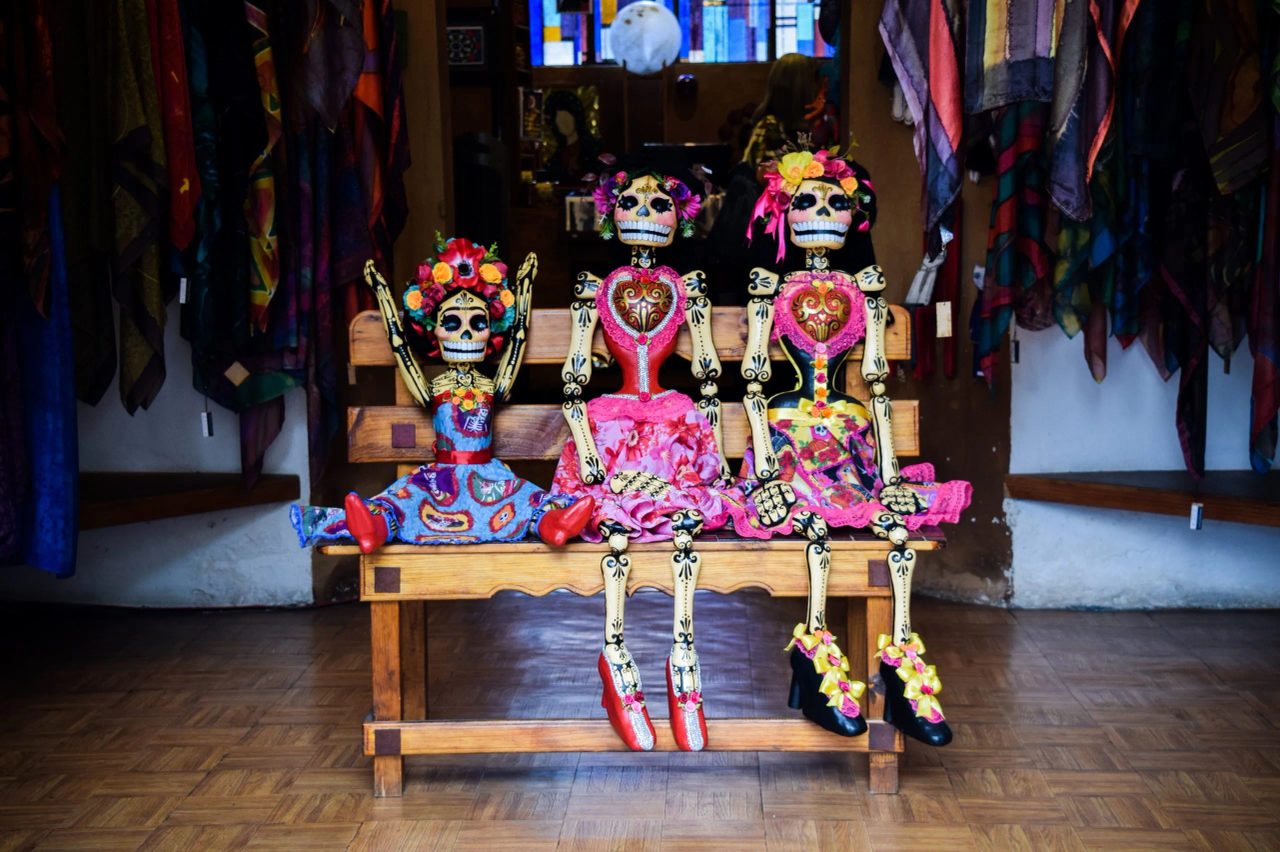
Another important tradition of Día de Muertos are the “calaveras” and “calacas.” Calaveras are satirical poems that joke about death, often written in rhyme. Calacas, on the other hand, are skeletons depicted in various artistic forms, such as papier-mâché sculptures or ceramics. These cheerful and playful representations of death are a way to approach the subject lightly and positively.
Traditional Food
Food plays a fundamental role in Día de Muertos, as it is believed that the spirits of the dead are attracted by the aroma and taste of the dishes prepared for them. Some of the most common traditional foods include “pan de muerto,” a sweet bread decorated with skull-shaped designs, and “mole,” a rich and spicy sauce served with meat or chicken. Each region of Mexico has its own culinary specialties for Día de Muertos, making this celebration a unique gastronomic experience.
The Celebration in the 21st Century
Despite the influence of Halloween and Western celebrations, Día de Muertos continues to be widely celebrated throughout Mexico. The traditions have been passed down from generation to generation and have become an integral part of Mexican cultural identity. The celebration has also become a tourist attraction, with many people from around the world visiting Mexico to experience this unique event.
Frequently Asked Questions
What Is the Difference Between El Día de Muertos and Halloween?
While Halloween is a holiday where people dress up as scary creatures and go trick-or-treating, Día de Muertos is a celebration of life and a commemoration of the deceased. The Mexican holiday focuses on connecting with ancestors and reflecting on mortality.
What Is the Meaning of Masks and Costumes in Día de Muertos?
Masks and costumes in Día de Muertos represent skulls and are a way to honor the dead. These masks are often painted with bright colors and elaborate decorations to celebrate life and approach the theme of death cheerfully.
What Is the Origin of Día de Muertos?
Día de Muertos has ancient origins dating back to Mesoamerican civilizations such as the Aztecs and the Maya. These peoples believed that the dead continued to live in the afterlife and that death was merely a passage to another dimension.
What Are Some Traditional Dishes of Día de Muertos?
Some traditional dishes of Día de Muertos include “pan de muerto,” a sweet bread decorated with skull-shaped designs, and “mole,” a rich and spicy sauce served with meat or chicken.
Is Día de Muertos a Sad Celebration?
No, Día de Muertos is a joyful and festive celebration. It is about honoring the deceased and celebrating life, not mourning death. People gather to pray, sing, dance, and share food and drinks in an atmosphere that is both festive and solemn.
How Can I Participate in Día de Muertos Celebrations in Mexico?
If you wish to participate in Día de Muertos celebrations in Mexico, you can visit cities like Oaxaca, Mexico City, or Pátzcuaro, which are famous for their festivals and traditions related to this holiday. Be sure to respect local customs and participate in activities appropriately and respectfully.
Although Día de Muertos may seem similar to Halloween, it is a unique and meaningful celebration that reflects the rich Mexican culture. This tradition has been passed down from generation to generation and continues to be celebrated with joy and reverence. If you have the opportunity to participate in Día de Muertos celebrations in Mexico, don't miss the chance to experience something unique and connect with your ancestors.
Personal Message: I hope this article has given you a good understanding of Día de Muertos and how it differs from Halloween. It is a holiday rich in meaning and traditions that reflect Mexican culture. If you have the chance, I highly recommend participating in Día de Muertos celebrations in Mexico to live a unique and memorable experience. Remember to respect local customs and honor the deceased with joy and reverence. ¡Feliz día de muertos!