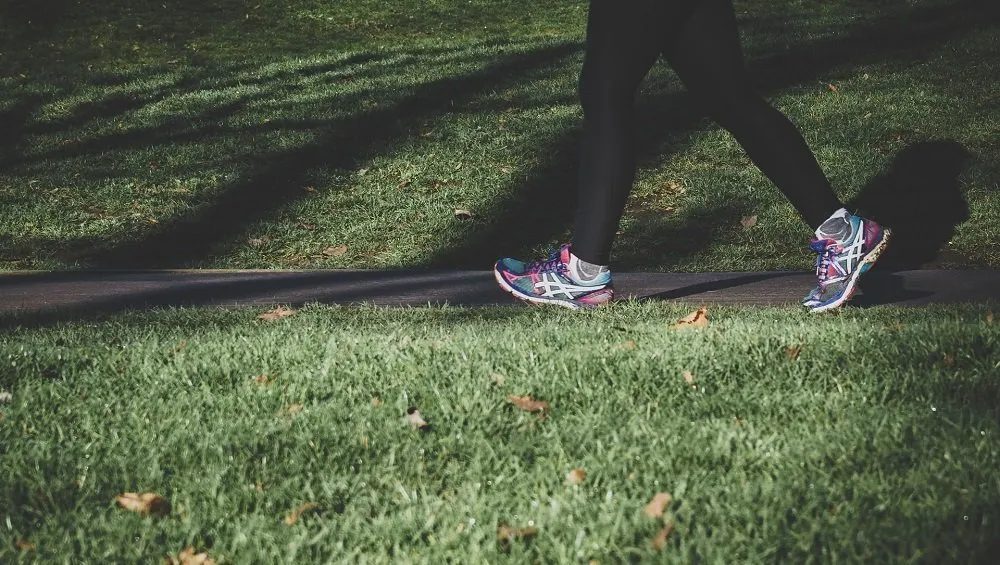
Why Is Walking Good for You?
Walking is the most natural action performed daily by humans. We walk out of necessity, pleasure, need, pastime... since we were little, we've been told that "walking is good for you", but why is walking so important?
Walking brings significant physical benefits, reducing the risk of heart disease, helping prevent diabetes and obesity, stimulating metabolism, strengthening the circulatory system, improving immune and respiratory function, and much more. But the curious thing is that it also positively affects our mind: it is precisely our nervous system that particularly benefits from walking.
Not Just Physical Benefits
Walking breaks the vicious cycle of obsessive thoughts, those thoughts that repeat incessantly in our heads and prevent us from focusing on the present moment, the “here and now.” By putting a stop to them, our mind consequently frees itself from chains and lets itself travel with imagination, among new ideas and positive thoughts. Walking stimulates curiosity and the desire for discovery.
Moreover, the simple act of putting one foot in front of the other at a steady and natural rhythm promotes the production of endorphins, the so-called “happiness molecules.” These natural chemicals released by the brain help improve our mood, reduce stress, and increase the overall sense of well-being. Walking outdoors, immersed in nature, amplifies these beneficial effects: contact with greenery, fresh air, and sunlight invigorate both body and mind.
Observing the surrounding environment—whether a city park, a mountain trail, or a secluded beach—also stimulates our senses and connects us with the world around us, making us more aware and present. In short, walking is not just physical activity but a true remedy for our psycho-physical balance.
It is an activity that connects us with our real needs, with the demands of our body, heart, and mind. It lets us go (and return) at our own pace. Not surprisingly, psychologists also encourage walking: in recent years, specific types of therapies based on walking have even emerged.
For example, mindful walking therapy, also known as “mindful walking,” is a practice that combines the physical benefits of walking with mindfulness and meditation techniques. During these sessions, participants are invited to pay attention to every step, the contact of their feet with the ground, their breath, and even the sounds and smells of the surrounding environment. This type of therapy helps reduce stress, improve concentration, and promote a greater connection with the present moment. Additionally, walking outdoors, immersed in nature, can amplify these positive effects, offering a sense of peace and well-being that is hard to replicate in other therapeutic contexts.
Thanks to walking, one can combat insomnia more effectively: by producing healthy physical fatigue that favors our natural sleep rhythm. Sleep becomes deeper, more restorative, and therefore more rewarding.
Moreover, walking significantly contributes to mental well-being by reducing stress and anxiety levels. Physical activity stimulates the production of endorphins, better known as “happiness hormones,” which help improve mood and counter feelings of sadness and depression.
Walking outdoors, immersed in nature, amplifies these positive effects, offering a moment of peace and connection with the surrounding environment. This simple daily gesture thus proves to be a fundamental practice for maintaining optimal psycho-physical balance.
Also stress eases, one relaxes, and our mood improves: muscle activation stimulates brain rhythms that, producing endorphins and serotonin (the mood hormone), in turn produce a sense of gratification and well-being.
Furthermore, regular physical activity not only contributes to mental well-being but also has long-term positive effects on physical health. It reduces the risk of cardiovascular diseases, diabetes, and obesity, improves blood circulation, and strengthens the immune system. Exercise also promotes better sleep quality, helping the body regenerate and recover energy.
Equally important, physical activity can improve our self-esteem and body perception, contributing to a more positive self-image and greater confidence in our abilities. Therefore, dedicating time to physical activity is not only an investment for the body but also for the mind and spirit.
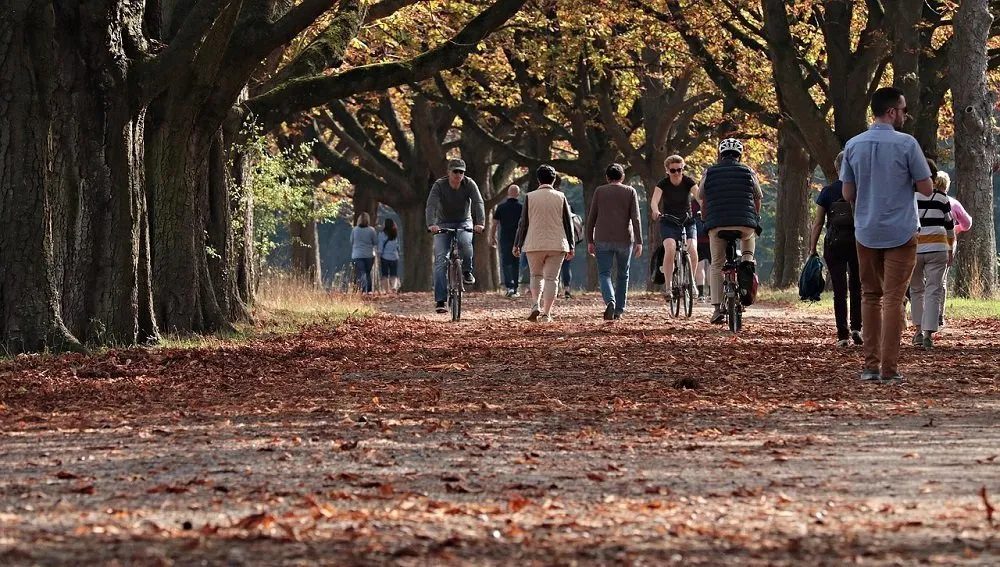
According to a 2015 American study (Neumann), walking also positively affects anxiety and depression: it was shown that 200 minutes (about 3 and a half hours) of walking per week produced improvements in the emotional sphere and socialization of people who participated in this social experiment. Supporting this thesis, a study conducted in collaboration between Australia, Norway, and the UK demonstrated that people who do no physical exercise have an increased chance (up to 44% more) of falling into depression.
It is not necessary to walk fast to find benefits, it is enough to go at your own pace, at your own step. Only then will you be able to appreciate the “journey” and breathe in its beauty: of walking, meeting, nature...
...and, above all, of yourself. Walking at your own pace allows you to tune in with your body and mind, fostering a deeper connection with the surrounding environment. This kind of mindful walking helps reduce stress, improve mood, and stimulate creativity.
Each step becomes an opportunity to reflect, to observe details often missed in daily rush, to listen to birdsong, the rustling of leaves, and the sound of your own breath. Thus, a simple walk transforms into an enriching experience, capable of offering moments of pure serenity and renewed energy.
Walking helps us come out of our shell, forces us to engage with what surrounds us and lies outside of us. Whether we like to walk alone or in groups, the act of walking makes us more sociable and open to meeting others so it can be an opportunity to forge new relationships or get to know better the people we are with.
Moreover, walking encourages reflection and meditation. When we immerse ourselves in a walk, the regular rhythm of our steps and contact with nature or the urban environment can stimulate our mind to wander freely, allowing us to explore thoughts and ideas often suppressed by daily frenzy.
This state of mental calm is fertile ground for inspiration and creativity. Many people find that solutions to problems or brilliant insights emerge during a simple walk. Additionally, physical movement increases blood flow to the brain, improving cognitive abilities and concentration. Walking not only helps maintain mental health but can also strengthen our ability to face challenges with a clearer and more relaxed mind.
This introspective state can lead to greater self-awareness, helping us solve problems, make more thoughtful decisions, and cultivate greater inner serenity. Many find that open spaces, the sky above, and constant movement are a form of therapy, capable of relieving stress and anxiety and regenerating both body and mind.
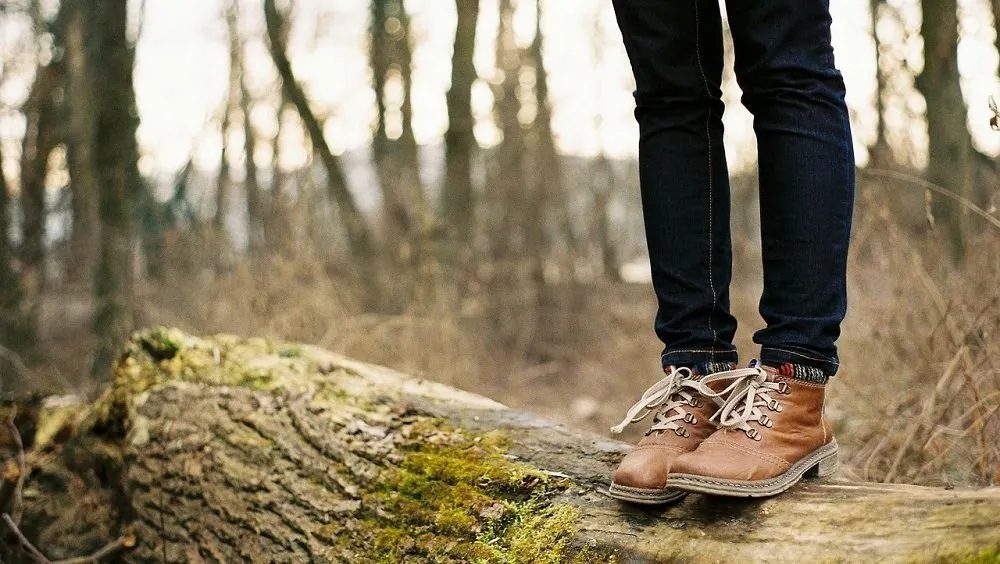
So why not take some time for ourselves, leaving behind our hectic lives to try some hiking in the great outdoors? In this regard, there are several organizations offering organized hikes with specialized guides perfect for those who love nature, discovering new places, outdoor life, and socializing. It will be wonderful to enjoy the experience without worrying about planning the route, the distance, or any challenges along the way.
Guided hikes not only offer a way to relax and recharge but also represent a unique opportunity to learn and grow. Thanks to expert guides, you can deepen your knowledge of local flora and fauna, better understand ecosystems and natural dynamics of the places visited. Moreover, these experiences can become moments of sharing and socialization, where you can make new friends who share the same passion for nature.
Whether it’s a peaceful walk through the woods, a mountain hike, or a day exploring a natural park, every adventure offers the chance to break from daily routine, reconnect with yourself, and rediscover the beauty of the world around us.
Conclusions
You don’t need to be an avid nature lover or walking enthusiast to participate. It’s enough to simply want to take some time for yourself or just be curious to try a new experience. It would be the perfect opportunity to discover new places (some perhaps close to home, which we didn’t even know existed), breathe fresh air, oxygenate the brain, and—why not—make new friends or develop a passion for an activity you never imagined. All that’s left is to visit the Meeters website and discover all the available trekking experiences!