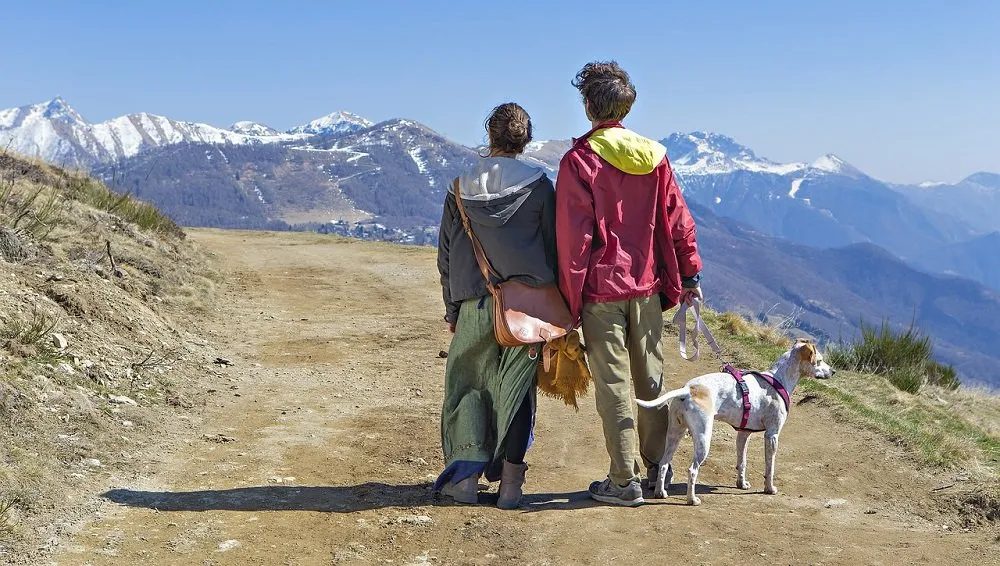
Spending time with your dog in the mountains is a healthy and fun activity. Nature, with its views and colors, can give us unforgettable moments with our furry friend. But to enjoy happy and carefree times, it’s important to take some precautions.
Check Your Dog’s Health Status
It’s easy to underestimate your dog’s health when they seem lively and playful at home, but it’s a different matter to take them on long hikes in the mountains. It’s important that your dog is healthy from a cardiovascular standpoint and able to keep up with certain walking paces. For this reason, it’s essential to consult your trusted veterinarian to assess your dog’s health and determine what kind of trails they can handle.
Take It Step by Step, Watching Your Dog’s Reactions
There are various types of hikes, ranging from the most challenging to the easiest. Difficulty levels are often indicated at the trailhead, and there are maps or contact numbers to get more details about the area. Whether the destination is for experts or beginners, it’s common to encounter dangerous spots like cliffs, streams, or suspended sections.
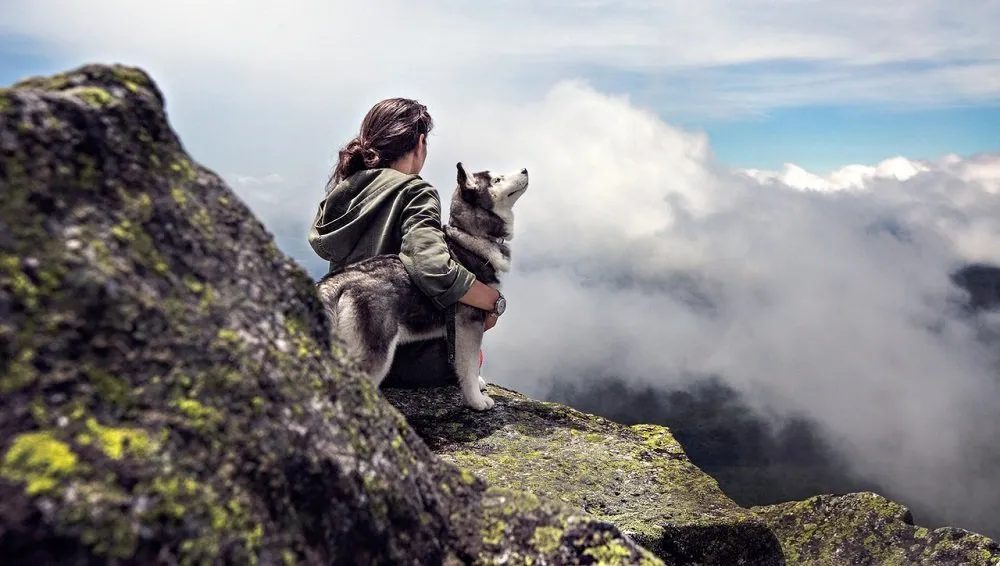
It’s crucial that Fido feels comfortable: a scared dog might react excessively by freezing or trying to pull away from the leash. If you plan to ascend to higher altitudes, keep in mind that animals also suffer from altitude-related issues such as nervousness, coughing, or nausea. It’s best to ascend gradually in small elevation increments, monitoring your dog’s reactions. If they can’t tolerate the altitude or are fearful, it’s better to stay at heights more suitable for them.
Food and Water Are Absolutely Essential
Before a hike, it’s better not to feed your dog too much. Bring along their usual kibble or food and offer it in small portions throughout the day, making snack breaks together to rest and recharge. Carry plenty of water: if your pup is very thirsty, it’s preferable to give small amounts frequently rather than a lot at once, especially if the water is very cold. While natural water sources or springs may tempt your four-legged friend to jump in, some areas contain harmful bacteria that can cause intestinal problems. It’s safer to let them drink only the water you bring from home.
 Don’t Forget Parasite Protection
Mountain areas are home to many small creatures that should be left undisturbed. Dogs should only be off-leash where allowed. If your dog tends to wander and sniff the ground, keep an eye on them: vipers often hide among the rocks and may attack if they feel threatened. It’s best to walk your dog on a leash and perhaps carry a stick to make noise on the ground, scaring away any vipers before you pass. vipers that could attack if they feel threatened. It is therefore advisable to walk your dog on a leash and perhaps carry a stick to make noise on the ground, which will help scare away any vipers before we pass.
In the unfortunate event that Fido is bitten by a viper, keep them calm, do not cut the wound, and rush immediately to a local veterinarian. Other small creatures to watch out for include ticks and fleas: it’s important to have good parasite protectionapplied at home beforehand. In some areas, usually protected zones where native flora and fauna are constantly monitored, dogs are strictly prohibited for obvious safety reasons.
 Some Essential Items
Waste bags might seem obvious, but unfortunately, they aren’t for everyone. Dog waste should always be picked up and disposed of properly as it can contain parasites that transmit serious diseases to some wild animals in mountain areas. might seem obvious but unfortunately, they are not for everyone. Dog waste should always and necessarily be disposed of properly, as it may contain parasites capable of transmitting serious diseases to some wild animals in the mountain environment.
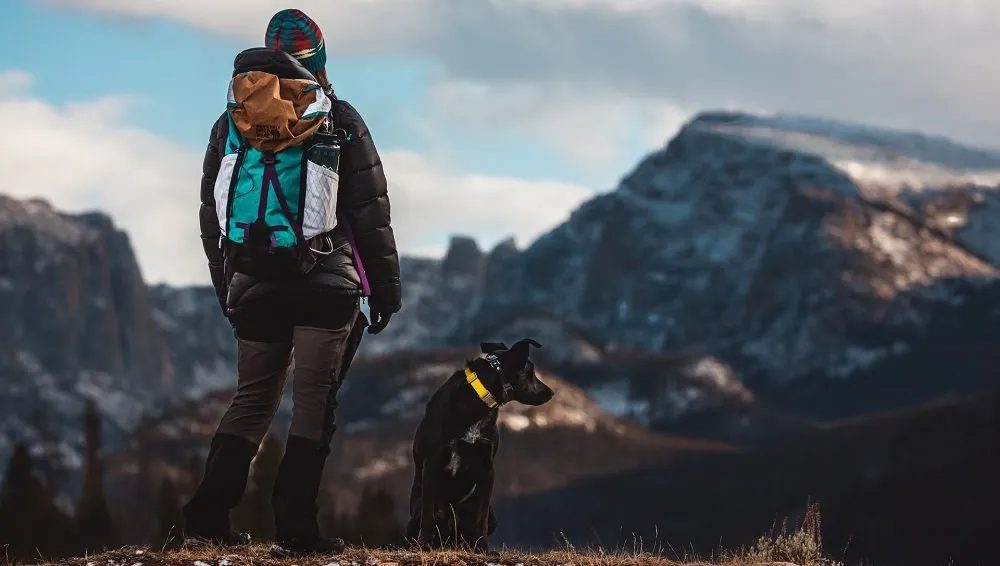
Very handy (and almost essential) during trekkingis a long leash, which allows your dog to walk more freely while still staying close. This is especially necessary if your furry friend has a strong prey drive or tends to wander off. Another essential item is a muzzle, to be put on your dog (yes, even the sweetest and gentlest one) before boarding ski lifts or cable cars, if present.
On any trip it’s important to also carry your dog’s health booklet containing owner details, dog information, and vaccination records. At high altitudes, the sun can be intense and dogs can get sunburned too: there are sunscreens specifically designed for dogs that can be applied to the most delicate and exposed areas.
In case of minor injuries, it’s wise to pack a first aid kit containing wet wipes, hydrogen peroxide, bandages, tick tweezers, soothing ointment, and gauze for quick dressing if needed.
At the end of the walk it’s important to thoroughly check your four-legged friend for abrasions on their paws, ticks, or other insects in their coat or ears. Brush their fur well and, if necessary, clean with wet wipes. With the right precautions, trekking with your dog can become a truly rewarding and memorable experience.