
Walking is good for you, as confirmed by doctors and nutrition scientists who have observed all the benefits of regular movement. Here are the details of the benefits of slow, fast, and uphill walking, perfect for staying in shape.
Slow Walking
To stay fit at any age, it is advisable to follow a varied diet and stay active, engaging in any physical activity at least 2 or 3 times a week to avoid a sedentary lifestyle. Slow walking is one of the activities recommended by experts to oxygenate the body, keep the joints in good condition, especially those of the lower limbs, and speed up metabolism.
Besides slow walking, there are other forms of physical activity that can contribute to overall body and mind well-being. Swimming, for example, is an excellent option for those seeking a full-body workout that engages all muscle groups without overloading the joints. Yoga and Pilates are also highly valued for their ability to improve flexibility, posture, and muscle strength, as well as reduce stress and promote relaxation.
For those who love the outdoors, cycling and hiking are great alternatives that allow you to explore new places and enjoy nature while burning calories and toning the body. Regardless of the chosen activity, the important thing is to find something enjoyable that can be easily integrated into your daily routine, making movement a pleasant and sustainable habit in the long term.
It is a physical activity well suited even for elderly people who cannot exert themselves too much but do not want to give up a walk in the great outdoors, to enjoy the scenery and relax. Slow walking, in fact, helps to clear the mind and reconnect with oneself, improves circulation and helps to strengthen artery walls, making the heart muscle more elastic and toned.
 Furthermore, slow walking boosts mood by triggering the production of endorphins, the so-called “happiness hormones,” which reduce stress and anxiety. This type of physical activity, if practiced regularly, can also improve sleep quality and increase energy levels throughout the day.
 Added to this is an improvement in blood sugar management by the body, which uses sugars as energy for daily activities. For this reason, slow walking is recommended for those with diabetes to reduce the impact of metabolic syndrome.
It also lowers blood pressure values, and the brain responds by producing serotonin, also known as the “mood hormone.” It is therefore very important to maintain this healthy habit to improve overall health and quality of life.
Brisk Walking to Stay Fit
To stay fit, brisk walking is also an option. Beginners should start gradually, moving after about 2 months of slow walking to an activity that offers many benefits, from weight control to emotional improvement.
Brisk walking provides a refreshing break involving the body, as calories are burned, and the mind, because mood-enhancing hormones increase fivefold compared to rest.
Moreover, brisk walking is an activity accessible to everyone, regardless of age or fitness level. It requires no expensive equipment or gym memberships, making it an affordable and easy practice to incorporate into daily life.
Walking briskly outdoors also offers the chance to connect with nature, observe the surroundings, and enjoy fresh air, which can further amplify the psychological benefits of the activity. The combination of physical movement and sensory stimuli helps reduce stress and improve sleep quality, creating a virtuous cycle that promotes overall well-being.
With a more intense physical activity than slow walking, the benefits at the cardiovascular and pulmonary levels also increase, oxygenating even the most distant areas of these organs, such as the bronchioles. Deep breathing also helps to strengthen muscle structure, which gains greater resistance to fatigue day by day.
Additionally, increased physical activity significantly improves metabolism, promoting more efficient energy management by the body. Muscles subjected to greater effort increase their ability to use glucose, thus reducing the risk of metabolic diseases like type 2 diabetes.
Not only that, vigorous physical activity stimulates the production of endorphins, the so-called “happiness hormones,” which improve mood and reduce stress levels. These psychological benefits add to the physical ones, creating a virtuous cycle that promotes overall well-being. Furthermore, regular intense exercise can help improve sleep quality, combating insomnia and promoting deeper, more restorative rest.
Ideally, walk briskly for at least half an hour about 4 days a week and preferably in the morning to recharge your energy. If you prefer the evening, it will be a good way to promote nighttime sleep..
It is advisable to always have a heart rate monitor when exercising to check your pulse. Besides a preliminary check-up with a sports doctor to ensure good health, you can quickly calculate your maximum heart rate by subtracting your age from 220.
Endurance during any physical activity is measured by whether you can still speak a full sentence without running out of breath.If not, just take a break and then resume.
This technique, known as the “talk test,” is especially useful for monitoring exercise intensity. It allows athletes, both beginners and experts, to pace themselves and prevent excessive fatigue that could lead to injury or burnout.
Moreover, listening to your body and knowing when to stop is crucial for improving endurance and aerobic capacity over time. Not only is this an effective method to optimize performance, but it also makes the training experience more enjoyable and sustainable in the long run.
Brisk walking is also useful for weight loss in those who are slightly overweight. It has been estimated that in one hour of brisk walking you can burn around 350 calories, and the fat-burning effect continues afterward if the activity is regularly maintained. It acts on food assimilation, speeding up transit and reducing fat and carbohydrate accumulation.
Furthermore, brisk walking brings numerous benefits to the cardiovascular system, improving blood circulation and reducing the risk of heart disease. Walking at a steady pace for at least 30 minutes a day can help keep blood pressure and cholesterol levels under control, promoting a healthier heart.
Not only that, but this physical activity is also a boon for mental health: it helps reduce stress, anxiety, and symptoms of depression thanks to the production of endorphins, the mood-enhancing hormones. Incorporating this habit into your daily routine can significantly improve quality of life, making people more energetic and mentally balanced, as well as physically fit.
Visible weight loss results typically appear after about 70 days from starting this type of physical activity. To maximize the benefits of brisk walking, it is recommended to choose routes with hills and slopes and, if you want to exercise your upper limbs as well, traditional walking sticks are useful on park or countryside trails..
Sweating also helps detoxify the body by releasing accumulated toxins, providing a cleansing effect, so it is advisable to always wear natural fiber clothing that allows the skin to breathe. It can be confirmed that brisk walking brings well-being, allowing you to release accumulated stress and improve physical and mental performance..
Uphill Walking
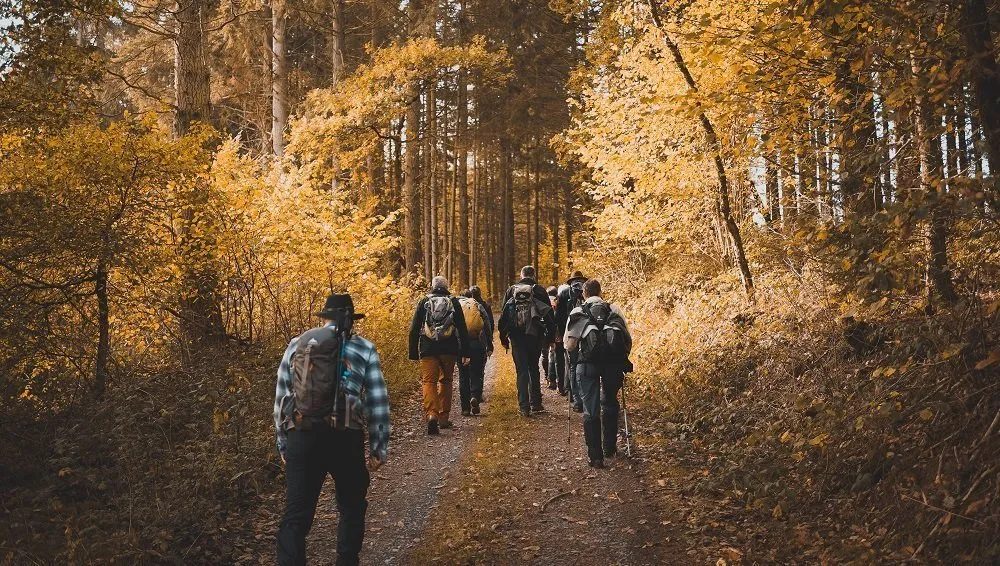
Uphill walking is typical for those who love trekking, mostly in mountain areas. It requires greater effort and therefore brings greater benefits. Trekking is not for everyone, and mountain trekking can only be undertaken with the right equipment and physical preparation to handle challenging routes. The muscles most engaged during uphill walking are the quadriceps , that is, the front thigh muscles, and those of theglutes During uphill trekking, the ideal posture avoids leaning too far forward or backward, and to balance your body weight well,.

walking poles can be very helpful. The calories burned during uphill walking are at least 5 per minute, approaching those burned by jogging. The benefits of this type of walking include
greater physical endurance , so over time resting heart rate decreases and heart rate during exercise stabilizes. Health risks diminish andyou lose weight faster compared to slow or brisk walking. If you are interested in this type of walking or other experiences, you should know that there are
groups and organizations like Meeters that offer hikes and guided tours on predetermined routes throughout Italy, perfect for those who love walking. Participating in these organized hikes is also a great opportunity to share your passion with others, meet new people, and dive into the, discovery of new stunning landscapes. and dive into discovering new stunning landscapes.