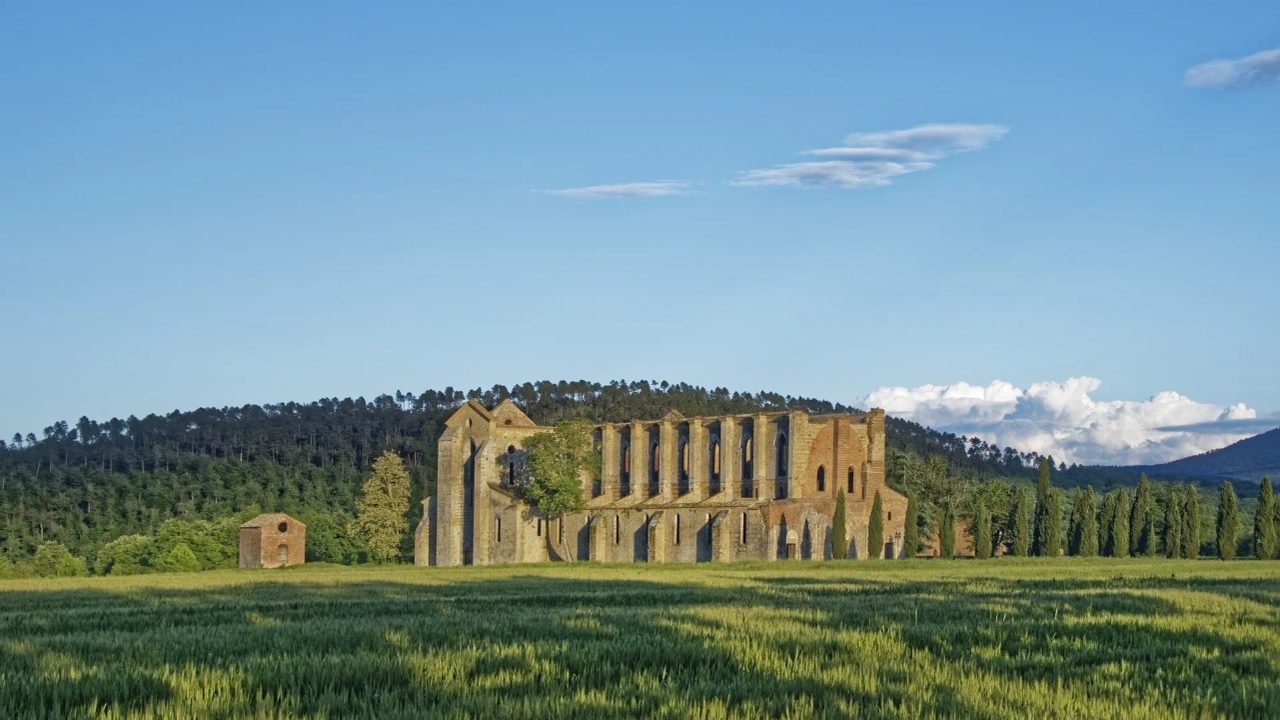
No longer just art cities, museums, resorts, and trendy destinations. Tourism in recent decades has evolved by exploring less traveled paths, seeking unusual but impactful locations. This is the case of abandoned places in Italy which attract more and more visitors, often precisely because of their mysterious and sudden abandonment. But why is this trend spreading so much and where can you find the most evocative places?
Why Visit Abandoned Places in Italy?
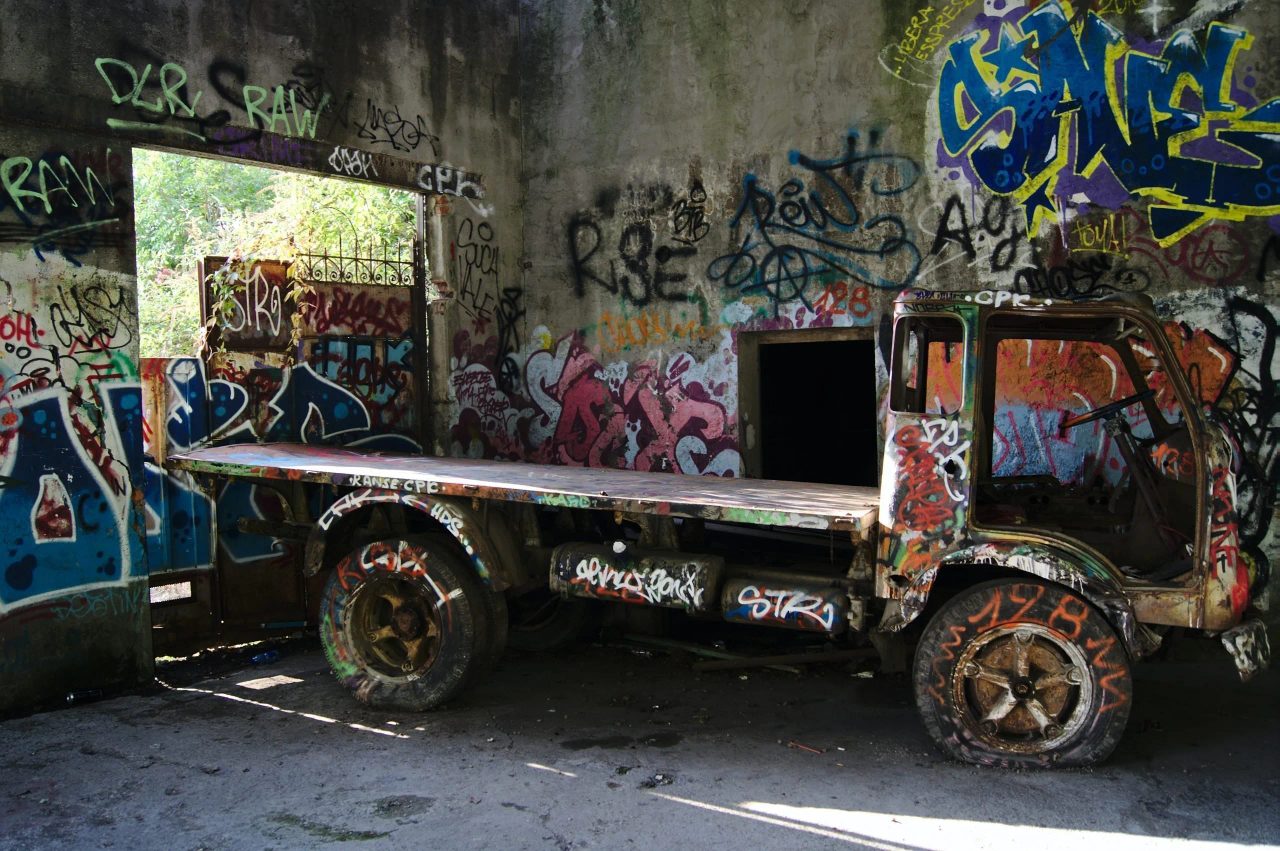
Discotheques, hospitals, hotels, mines, but also entire ghost townsThere are many abandoned places in Italy and more and more unusual tourists choose to visit them. The reasons behind this interest are varied. It is not only the desire to discover what unusual events happened in these places and what led to their sudden abandonment. But above all, it is the fascination of admiring man-made works, often grand and imposing, at the mercy of nature which slowly and silently reclaims its place, almost as if man had never passed through.Abandoned places are part of our country's history.
They tell forgotten stories left on the margins of collective interest and still have something to teach us about who we once were, who we might become in the future, what mistakes we made, and which deeds have fallen into oblivion. As abandoned as they are, these places exude magical atmospheres, so let's see which are the most evocative and strange to visit! about who we once were, who we might become in the future, what mistakes we made, and which deeds have fallen into oblivion. As abandoned as they are, these places exude magical atmospheres, so let's see which are the most evocative and unusual to visit!
The place that opens this list is also the only one on the list that, although abandoned,
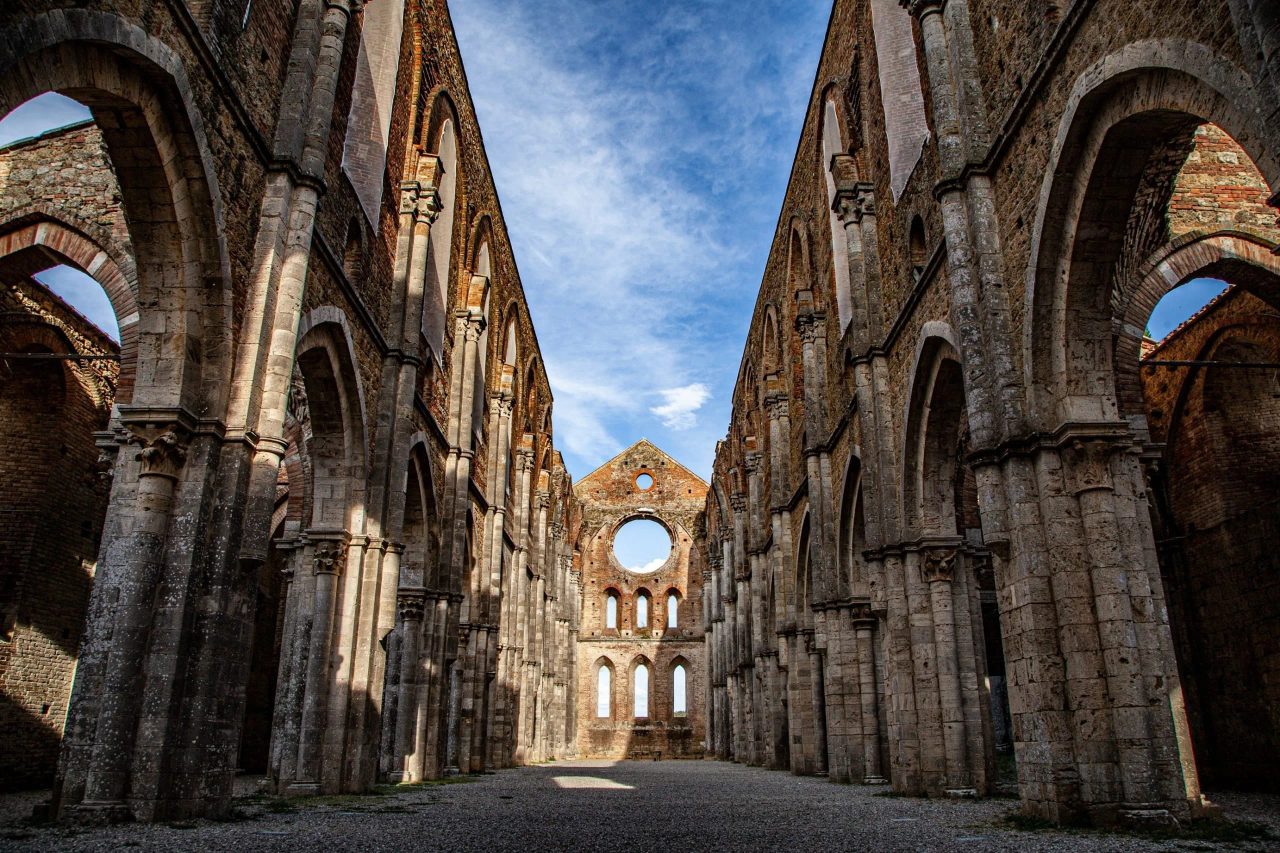
has received proper enhancement from cultural institutions and can be visited without problems. The history of San Galgano Abbey begins with Galgano Guidotti, a noble Tuscan knight who renounced wealth and a dissolute life to dedicate himself instead to a purely spiritual life. Wearing the Cistercian habit, he had a chapel built on the Monti Siepi, where he lived and died as a hermit, but not before driving his sword into the rock as a sign of peace . The sword, shrouded in many legends, is still there at the site.The actual abbey was built under the direction of the monks of Galgano's order, who had meanwhile become a saint, and construction continued for more than a century. However, work was halted:
famines, plague, wars, and continuous looting severely undermined the monastic community , causing it to disintegrate. Attempts to complete and restore the project were numerous, but during the 18th century, with the collapse of the bell tower, it was deconsecrated, converted to other uses, and finally abandoned. In the 1900s, what remained of the monastery was consolidated,without modifications
, thus giving us back a monument full of charm, where its incompleteness is actually its greatest strength. The absence of a roof allows the sky to be an integral part of the structure, so much so that it can be accessed until late at night. 2. Sammezzano Castle, Reggello, TuscanyThe site where

Sammezzano Castle
stands has seen various events, owners, and different uses of the land throughout history. The embryo of what it is today and acts of vandalism. The association Friends of Consonno has mobilized to prevent the village from dying, organizing weekends, holidays, and recreational activities that manage to attract public interest. 4. Valley of the Mills, Sorrento, CampaniaAt first glance, the Valley of the Mills looks like a city abandoned after a nuclear catastrophe, now almost entirely submerged by the surrounding forest. In reality, it is not a city but a neighborhood.
There was no catastrophe, except for the advent of progress,
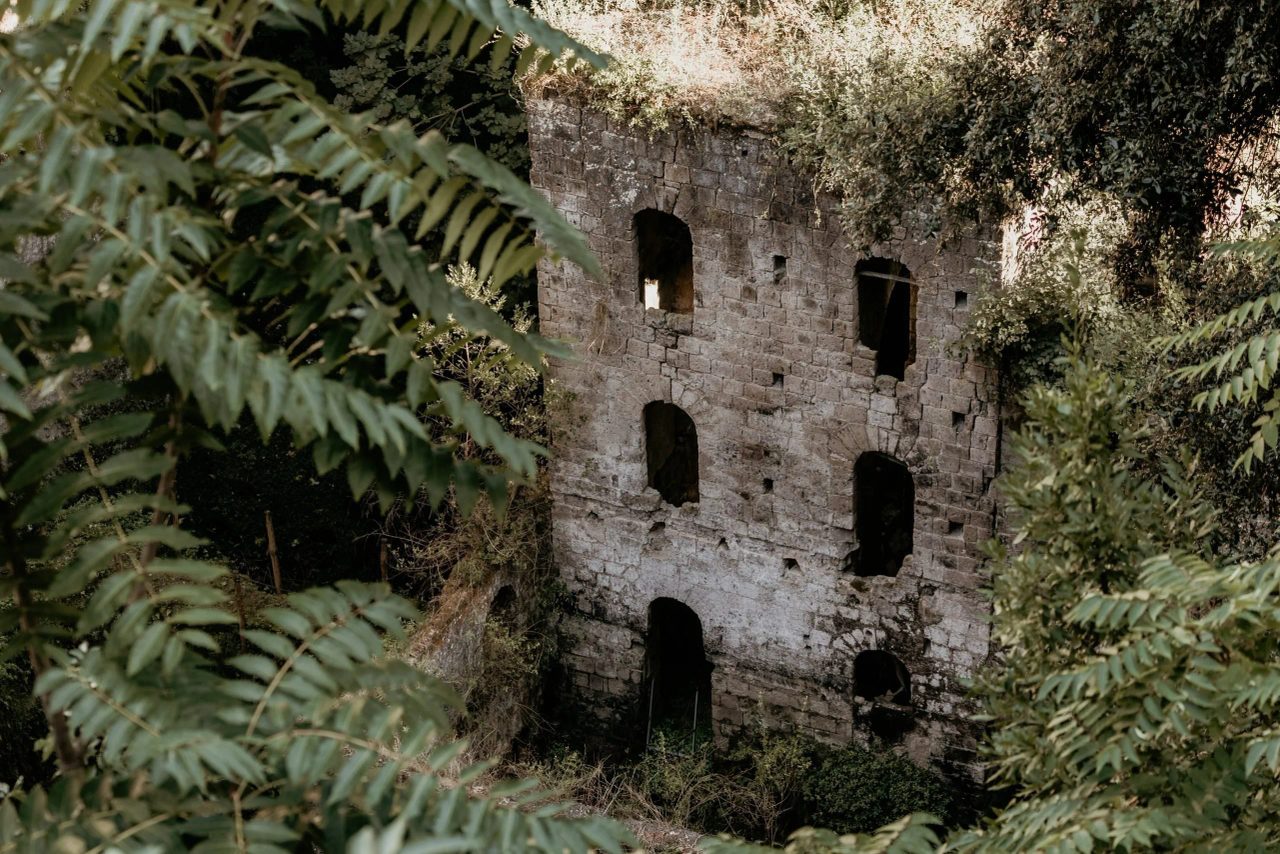
At first glance, the Vallone dei Mulini looks like a city abandoned after a nuclear catastrophe, now almost entirely swallowed by the surrounding forest. In reality, it is not a city, but a neighborhood. in the center of the city of Sorrento,just a stone's throw from the port and the main square. The valley, of volcanic origin, has been the heart of city life and economy since Roman times. In fact,it housed the mill from which it takes its name, sawmills, and tuff quarries,
as well as attracting numerous artists. However, in 1866, redevelopment work began in the center of Sorrento. With the construction of the main square and the destruction of the bridge leading to the Valley,the community soon found itself cut off.
Industry began to decline, and this was compounded by various climate changes,lack of water and wind, and increasingly high humidity. People left the village, which became as it is today: a collection of houses and buildings inhabited by nature and rare or nearly extinct plants.If you enjoyed discovering abandoned places in Italy with us, explore with Meeters the other natural and cultural beauties that the Belpaese offers! rare or nearly extinct plants.
If you enjoyed discovering abandoned places in Italy with us, explore with Meeters the other natural and cultural beauties that the Belpaese has to offer!