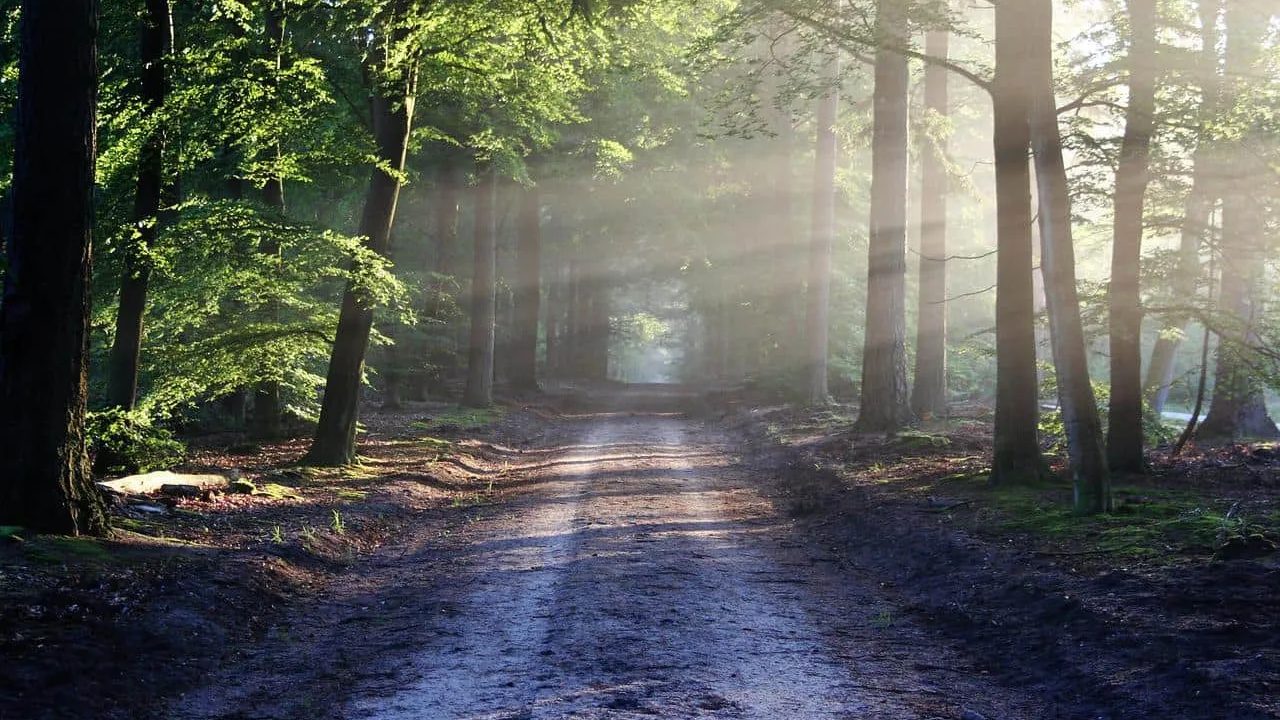
The Sojo Park is a green area unlike any other.. Stretching three kilometers, it is a captivating place, ideal for those who love to immerse themselves in peace and enjoy the blend of art and nature. Taking ahike along the Sojo trails is like living anunparalleled experience, unique, valuable, and precious for breaking away from daily routine and rejuvenating body and mind.
The park is located in the district of Covolo di Lusiana, on the Seven Municipalities Plateau near Vicenza. This small village, surrounded by farmhouses, fir trees, and vineyards, is sheltered to the west by a rocky wall called the “Sojo Spur.” It is precisely this feature that gives the forest its name.
It is part of a larger tourist complex, represented by the Lusiana Open-Air Museum which brings together the Palazzon Museum, the Monte Corgnon Prehistoric Village, the Valley of the Mills, the Alpine Garden, the Alpine Fauna Museum, and the Labioli Area.
The Rebirth of Sojo Park Marked by Art
After decades of neglect and abandonment, in 2000 Sojo Park was reborn thanks to an idea by architect Diego Morlin, who initiated a five-year restoration and redevelopment project.
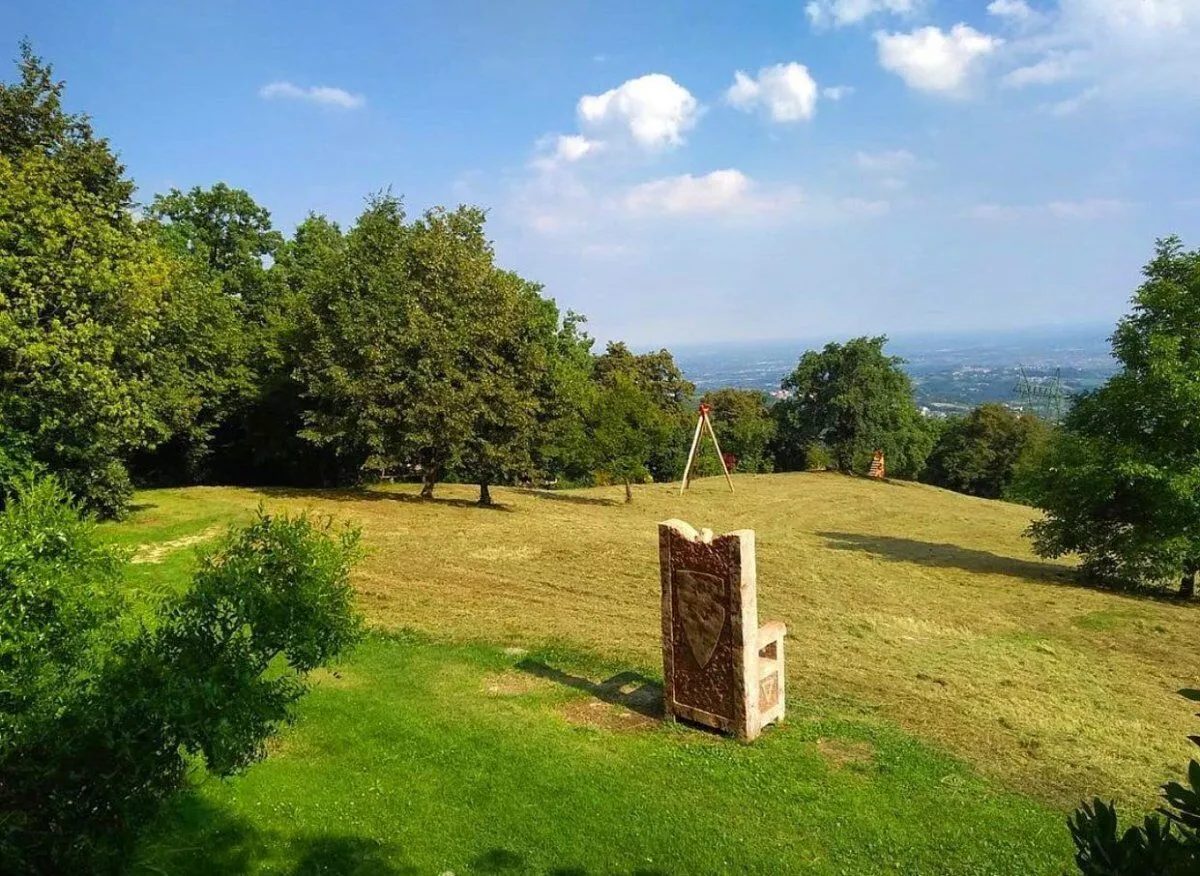
In 2005, the area was finally opened and returned to the public with a new feature: the reopening was accompanied by an artistic enhancement project. Its wooded trail, animated by centuries-old trees, was enriched with about 80 works created by Italian and international artists.
The installations and sculptures were made from various materials, all sourced locally. Wood, stone, ceramic, and bronze alternate among the trees, almost in an embrace. The effect is extraordinary: a deep fusion with the surrounding nature.
The site holds a record: it is the only contemporary outdoor sculpture park in Veneto and one of the most unique in Italy, undoubtedly a one-of-a-kind case. It attracts visitors from all over
Italy and Europe, including children, intrigued by its mysterious and legendary aura. A Magical Path Between History and Legend
It is said that once Sojo Park was inhabited by
witches . The spur itself is known as “The Sojo of the Witches.” Legends also circulate about the inhabitants of the little folk: fairies and other fantastic creatures like the anguane, the Alpine water nymphs, lived in the caves and water pools of the forest.The stops along the trail, rich with centuries-old trees (beeches, oaks, birches, hornbeams, downy oaks), evoke with their
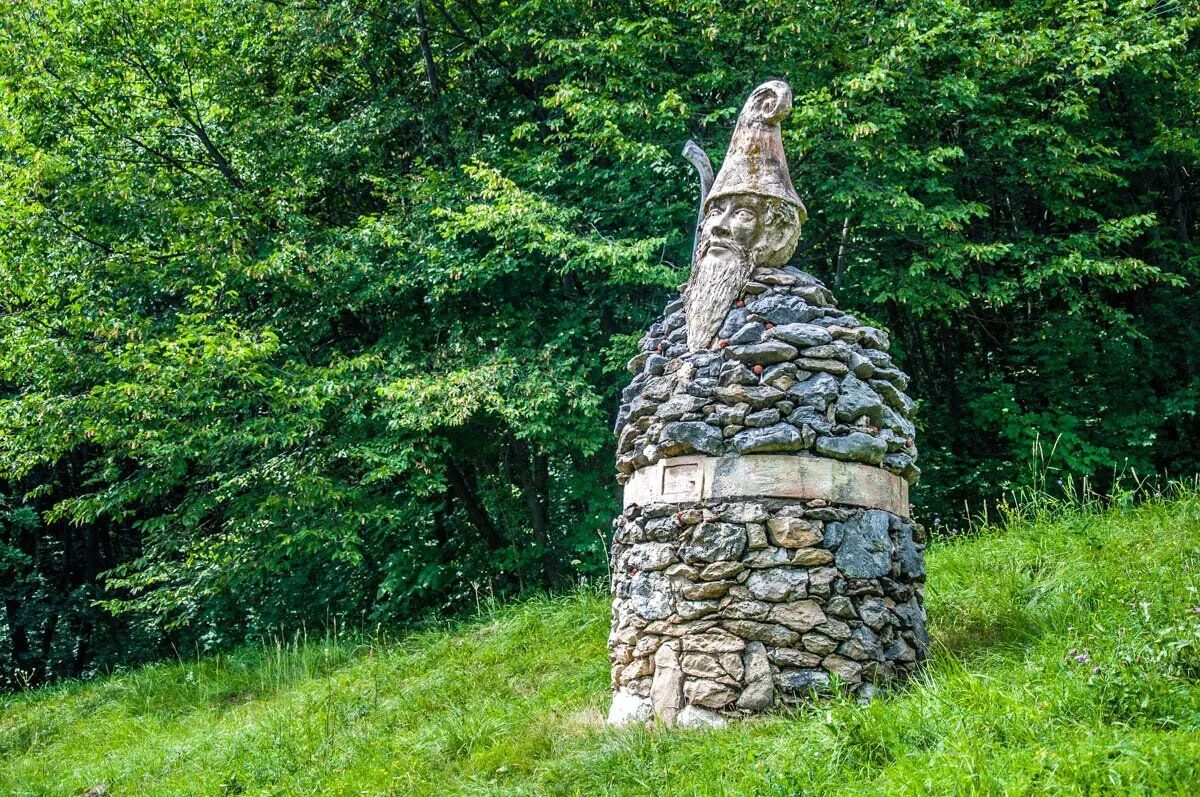
names a magical atmosphere: the Alchemist’s House, the Ciompe Forest, the Forest of the Forgotten, the Hill of the Giants.It truly feels like being immersed in a fairy tale or a fantasy story. Even the artworks, from Severino Morlin’s “Gnomes” to Andrea Del Prà’s “Spirit in the Shell,” only enhance the
It really feels like being immersed in a fairy tale world or a fantasy story. Even the artworks, from Severino Morlin's “Gnomes” to Andrea Del Prà's “Spirit in the Shell,” only enhance the enchanting atmosphere that envelops the park. What is certain and historically documented is that the Sojo spur has always been used as a
natural refuge by local inhabitants. During the redevelopment works, artifacts and relics were found in the surrounding area suggesting human presence dating back to the Neolithic period..
A Tiring but Rewarding Walk
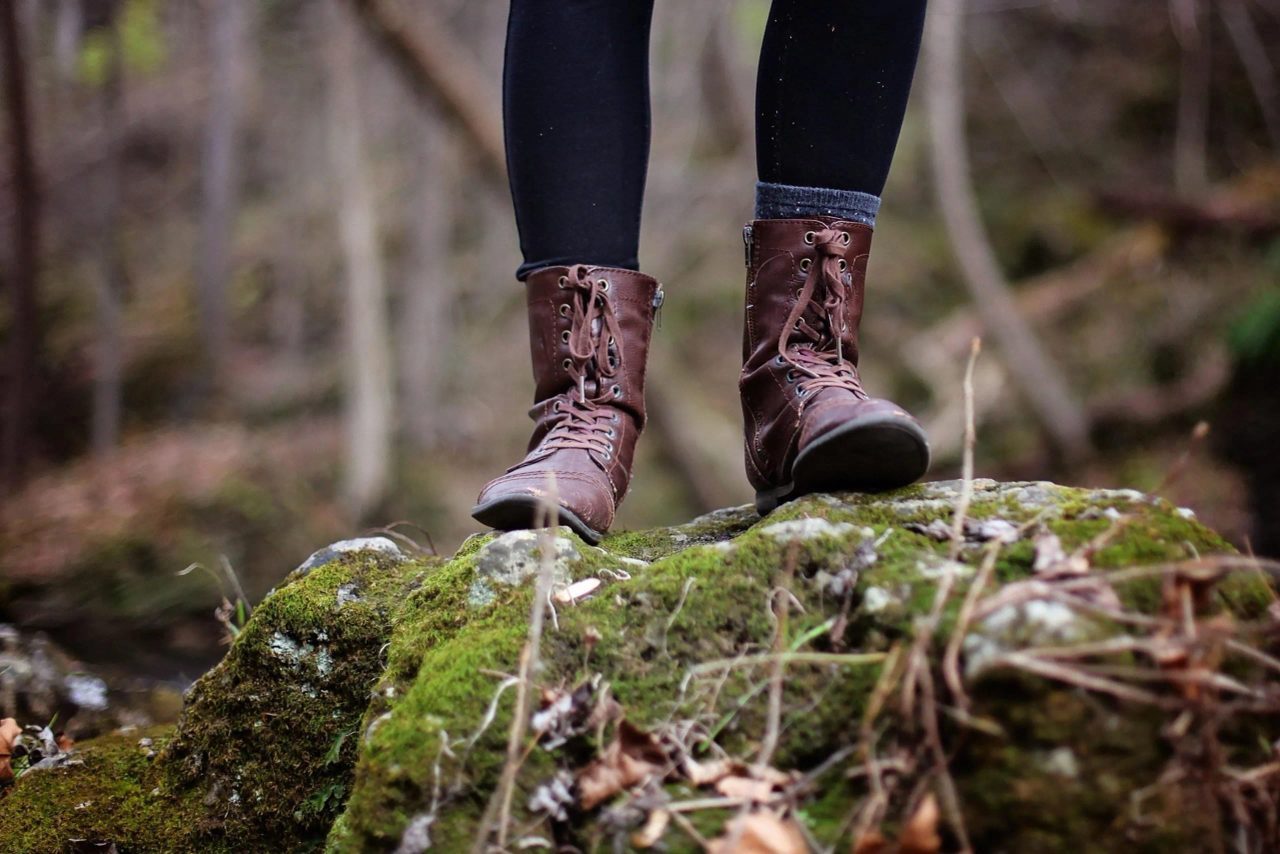
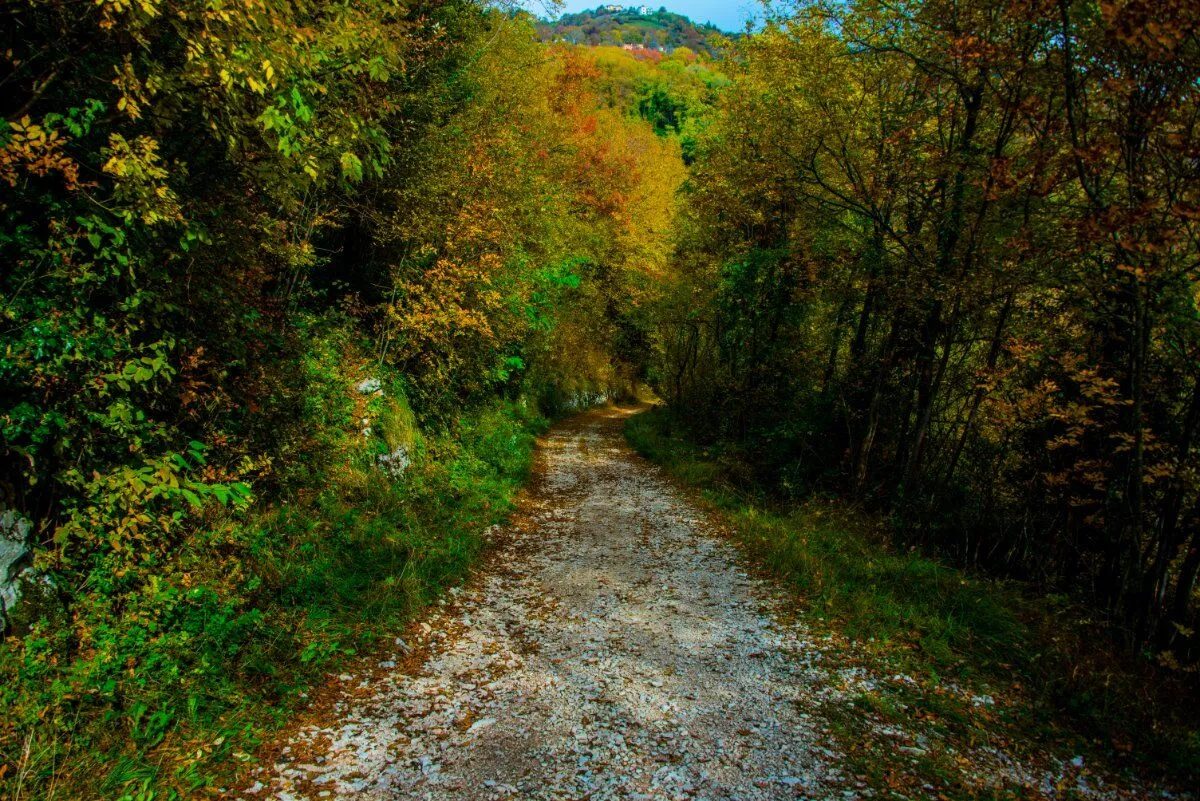
A guided visit to Sojo Park lasts between two and three hours. The hike is of medium difficulty, covering a three-kilometer route mostly uphill. Nothing difficult or dangerous, not even for children, but it is recommended to wear appropriate shoes and sportswear, essential for tackling some steeper sections.
Once you start the walk, you will be in contact with sculptures and installations. Giant hands, busts and masks with expressive, sometimes frightening faces, huge colored pencils, chairs and thrones, fascinating silhouettes of women and other unique representations will accompany you throughout the route. Keep your eyes sharp: there are many works and you might miss some. For the little ones, it will be like a treasure hunt.
Crossing the trails of Sojo Park is, for this reason, an opportunity for cultural and artistic enrichmentbeyond the ordinary. It represents a moment of communion between
man , nature, art, and history.: the Sojo spur is one of the most beloved rock climbing gyms not only for Italian climbers but also for those across Europe. Once you reach the top, the cliff's overhang guarantees an exceptional view.
climb
the Sojo spur, one of the most beloved rock climbing gyms not only for Italians but also for Europeans. Once at the top, the cliff’s overhang offers an exceptional view.
How to Visit the Park To reach Sojo Park, it is recommended to first arrive at the hamlet of Covolo di Lusiana and then follow the signs that will lead you directly to your destination.You can visit the forest alone or in a
group , even with your family. Children will appreciate the colors and enchanting setting, adults the unspoiled landscape and the artistic and cultural character.Exploring Sojo Forest in company is the best choice you can make: counting and discovering the sculptures scattered along the path is undoubtedly more exciting and fun
when done together: it is a way to fully share the reflections and well-being inspired by an unusual spectacle that only this park can offer. On