A trip to Antarctica isn't exactly the first idea that comes to mind when planning your next vacation. Yet the white continent has been an obsession for many travelers for over a century. It seems, and in many ways is, a journey almost impossible to make, but this land is not as inaccessible as we think!
Of course, it’s not a trip you can plan overnight. You need documents, equipment, special means of transport, and above all a detailed travel itinerary that might take you to visit several continents in one trip!
But don’t be intimidated by this introduction! If since childhood you dreamed of joining an expedition to the South Pole as an explorer, the time has finally come! With our travel guide, tips, and information, you'll be ready to set sail for the Antarctic Circle in no time!
Things to Know About Antarctica
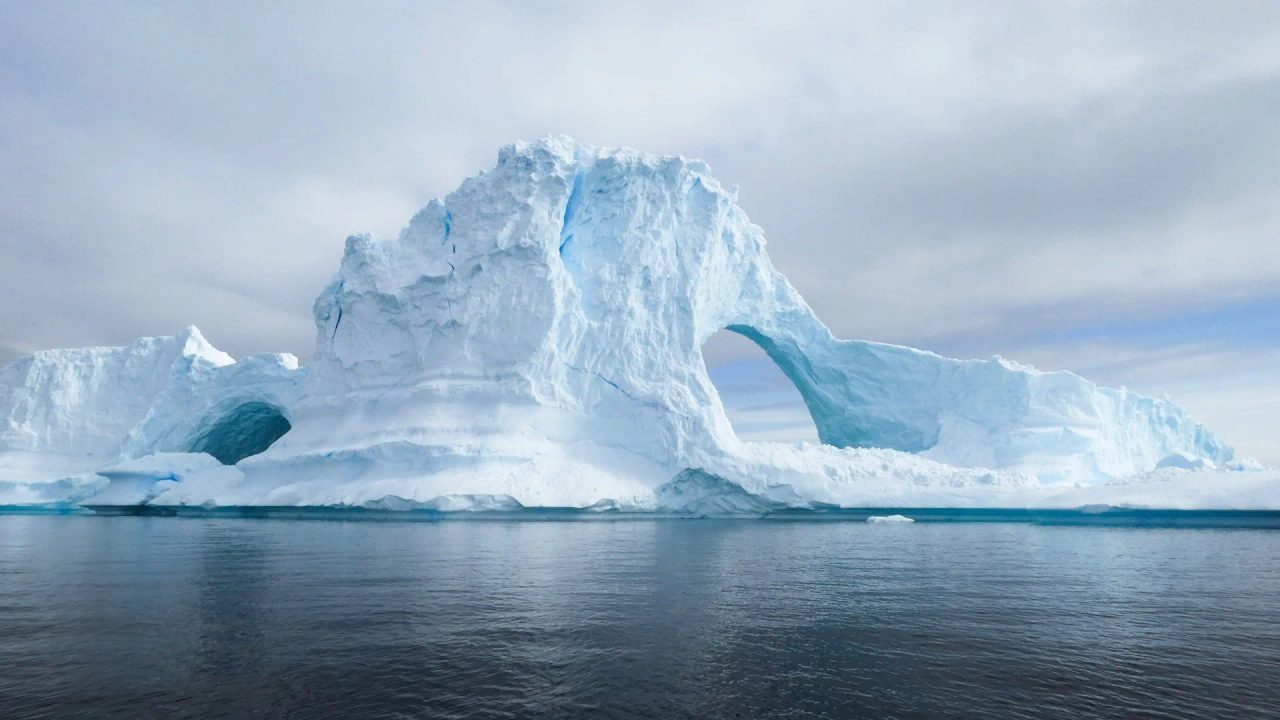
Antarctica, often called the seventh continent, is the most extreme place on the planet. It is, in fact, truly no man's land: it belongs to no one and, officially, is inhabited only by penguins, seals, orcas, and albatrosses.
According to the Antarctic Treaty of 1959, signed by 46 countries, Antarctica belongs to no nation and only peaceful activities are allowed here, such as scientific research, and it is strictly forbidden to exploit this land for economic or military purposes.
Regarding population, Antarctica is not officially inhabited by any people, but every year between 1,000 and 4,000 people reside there, spread among scientific bases across the continent. In short, you won’t find another environment on Earth as peaceful and pristine.
So you understand that a trip to Antarctica is truly an extreme experience, but one worth doing at least once in a lifetime. These preliminary facts might raise many questions: how can you reach Antarctica? How can you visit and where can you stay? Are special documents required? Let’s see together everything you need to organize a trip to Antarctica!
How to Reach the South Pole
If you thought of traveling solo to the South Pole and you’re not a billionaire, unfortunately you’ll have to reconsider. Indeed, unless you are part of a scientific expedition, work as a cook, doctor, or scientist, or own an icebreaker ship, you will have to join an organized group trip (never joined one? Discover all the benefits!).
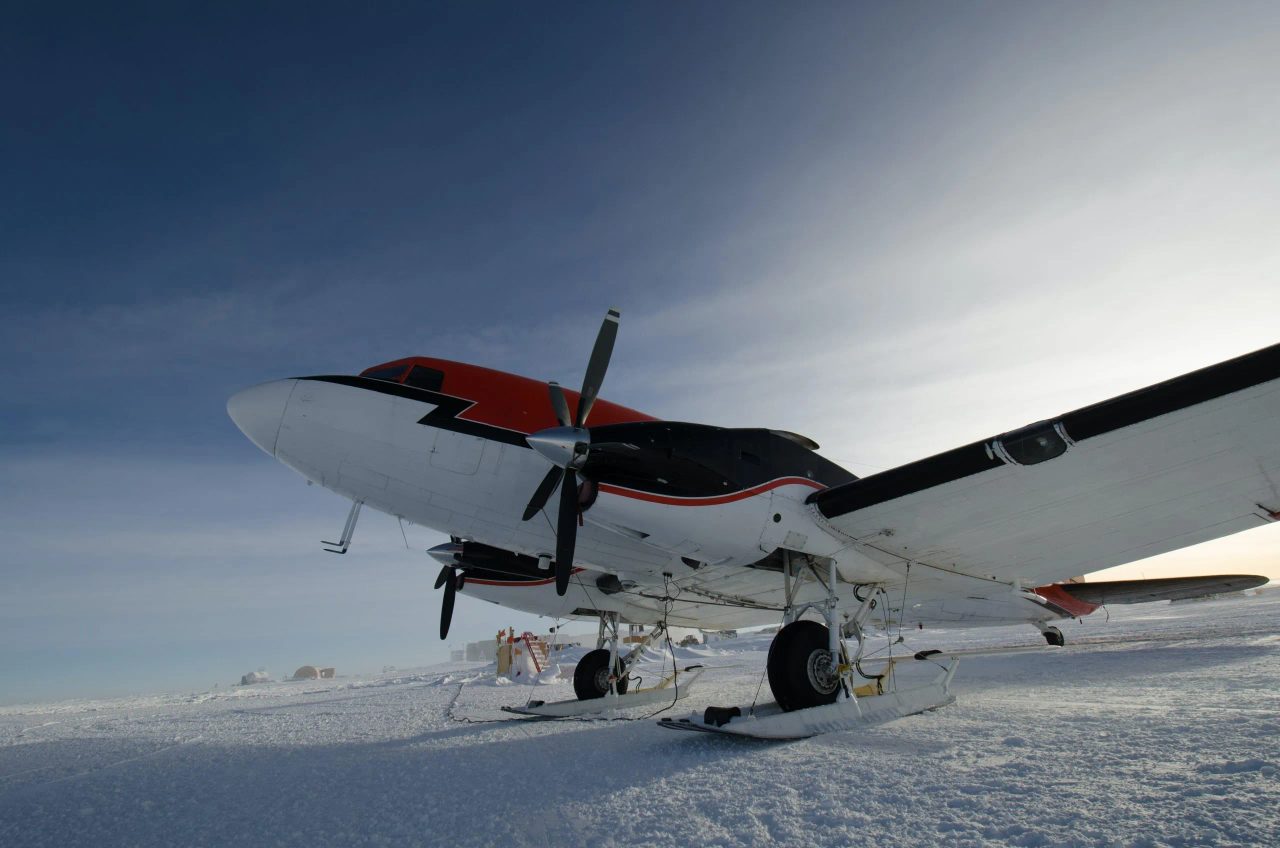
You cannot rely on a plane to reach Antarctica. In fact, there are no airports there so you can’t just hop on a commercial flight and land at the South Pole after 16 hours.
There are charter and scenic flights that depart from Punta Arenas or Australia and allow you to fly over the continent in about 12 hours, but prices are not very affordable. Charter flights cost a fortune even if you’re seated away from the windows!
It’s not possible to go directly to Antarctica; you must fly to another continent first from which you then depart for the South Pole. From Italy, you can reach New Zealand, Australia, South Africa, or South America first, specifically Argentina or Chile.
Taking a Cruise to Antarctica: From Tierra del Fuego or South Africa?
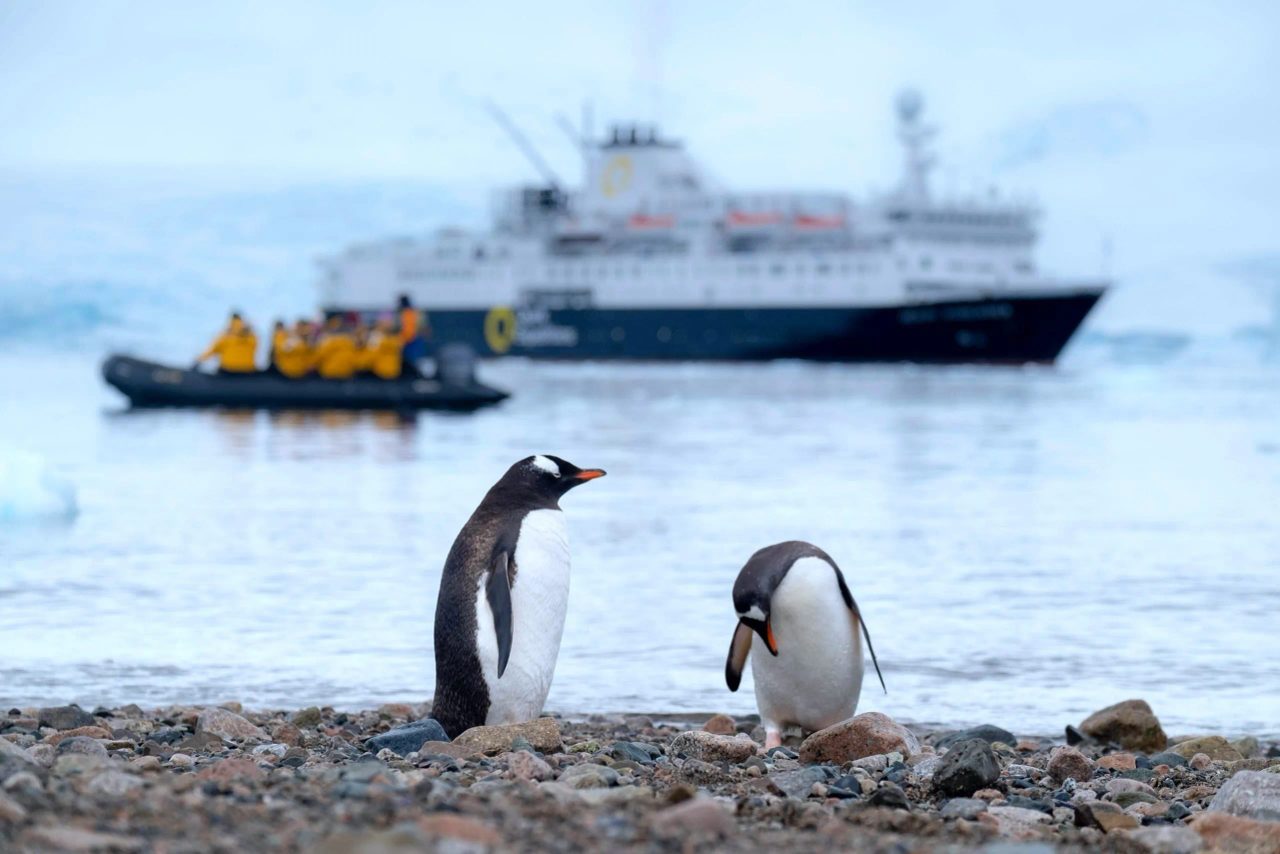
From the countries listed above, you can then embark on a cruise to Antarctica which, depending on the departure point, can last from 10 days to three weeks. You can board from Hobart in Australia, Christchurch in New Zealand, Cape Town in South Africa, Port Stanley in the Falkland Islands, and Punta Arenas in Chile.
However,Argentina is the most recommended departure point, both because it is closer and because you can join a last-minute cruise with fairly affordable offers and prices. You can board from Buenos Aires, Puerto Madryn, or Ushuaia in Tierra del Fuego. Among these, Ushuaia is the port chosen by most explorers due to its proximity and economical prices.
The cruise ship will be your home and reference point throughout the trip. Following a set itinerary, it will take you to the main points of interest and provide an expert guide, with whom you will disembark by zodiac boat to safely explore the area.

The Drake Passage
The toughest and most challenging part of your trip deserves a separate paragraph: the Drake Passage or Strait.
This stretch of sea, 1,000 km of waters between Cape Horn and the Shetland Islands, is the roughest in the world. Crossing it requires at least two days each way, during which your ship will travel at about 25 km/h!
The Drake Passage, shaken by waves up to 15 meters high, can really put you to the test even if you don’t suffer from seasickness. The advice is to stay in your cabin as much as possible because it might be dangerous even just to walk the ship’s corridors. The Drake Passage may also cause restless nights and vivid dreams!
What Documents Are Needed to Depart
As mentioned, a trip to Antarctica will take you to no man's land, so the question naturally arises: are documents required?
The answer is yes, even though there will be no office on the white continent to check them. Documents are needed when you arrive in the country chosen as an intermediate stop before entering the Antarctic Circle. Here are the details:
- Australia: a valid passport is required and also a tourist visa which can be downloaded and completed from the Australian government website.
- New Zealand: a passport with at least three months’ validity remainingis required. A visa is not necessary, although you may be asked to prove your departure within 90 days (i.e., a return ticket).
- South Africa: both a passport with at least 30 days’ validity remainingand an entry visa are required. For stays under 90 days, you can obtain the visa directly at the border upon arrival.
- Chile: you will need a passport with at least six months’ validity remaining, but for stays under three months, no visa is required. Upon arrival in Chile, you will be given an immigration form to complete and keep for leaving the country.
- Argentina: a passport with at least six months’ validity remaining is required, and no entry visa is needed if your stay is less than three months.
In all cases, minors must have their own individual passport.
Health Insurance
To go to Antarctica, it is also necessary to take out travel and health insurance. Indeed, neither in Antarctica nor in the countries you stop in is the Italian health card valid.
Check with various insurance companies and carefully choose a policy that covers both Antarctica and the other country visited, valid for the entire duration of the trip.
This is a fundamental requirement because without insurance you will not be allowed to board.
[activecampaign form=22 css=1]
What to See in Antarctica
Now we come to the heart of your trip to Antarctica. The expedition to the Antarctic Peninsula will be a truly unique and extreme experience. You are exploring a partly still unknown land for which extremely detailed maps do not exist.
It’s therefore impossible to see everything, and you will have to make a choice. Choose the tour operator and cruise that cover most of the points you are interested in. Here are some tips!
Antarctic Peninsula
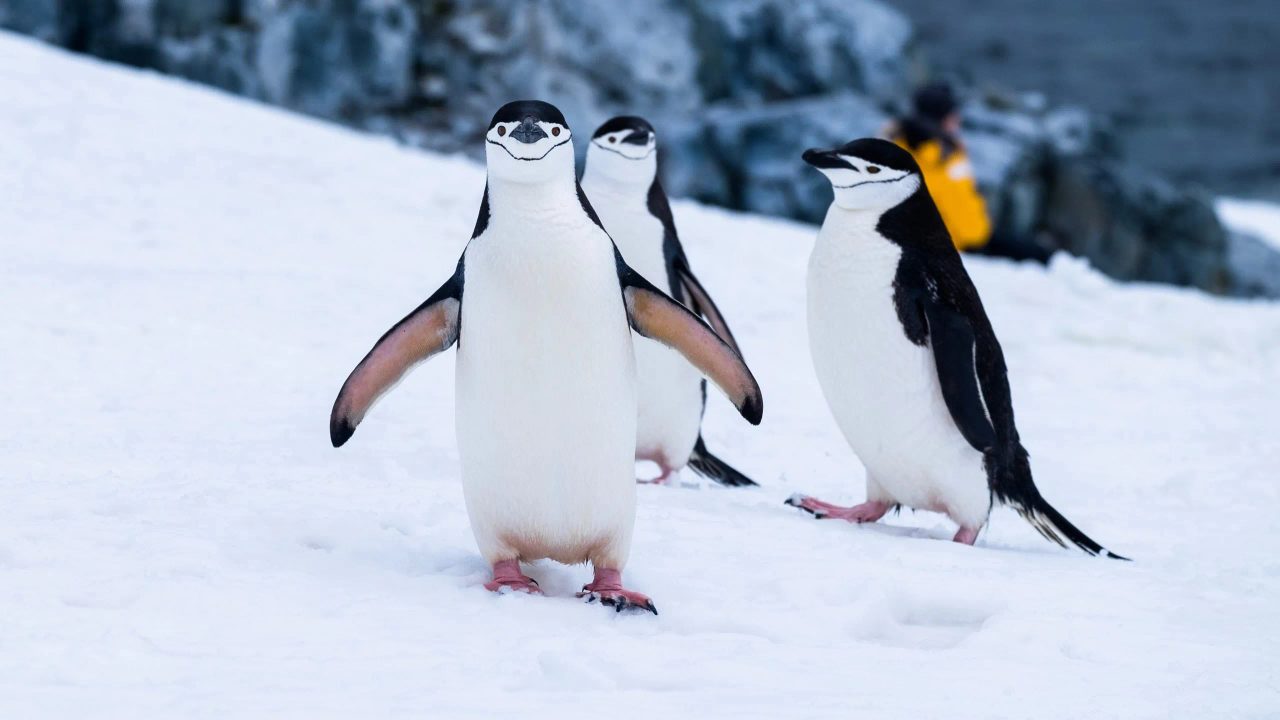
The Antarctic Peninsula is located at the northern tip of the continent and is the only part that crosses the Antarctic Circle. It is an enchanted place where you can admire not only ice and icebergs but also the extraordinary wildlife variety of the area.
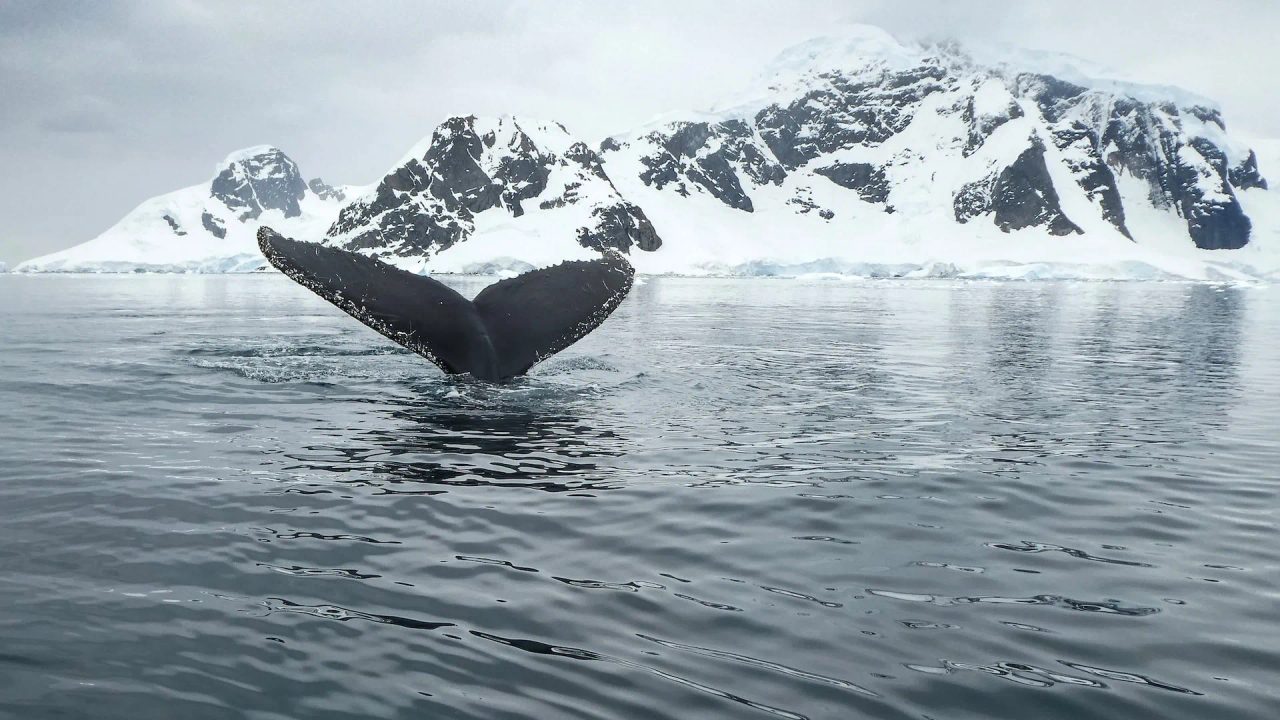
Here live many species of penguins, orcas, seals, and whales. From here, you can also enjoy some of the continent’s most beautiful views: Paradise Bay, Lemair Channel, Errera Channel, Neumayer Channel, and Gerlache Strait.
South Orkney Islands
Northeast of the Antarctic Peninsula lies this group of islands, discovered almost by chance in the early 1800s by seal hunters.
Today it hosts the oldest meteorological station in Antarctica, operated by Argentina. But the most interesting part of this archipelago is Coronation Island, where the white petrel breeds.
South Shetland Islands
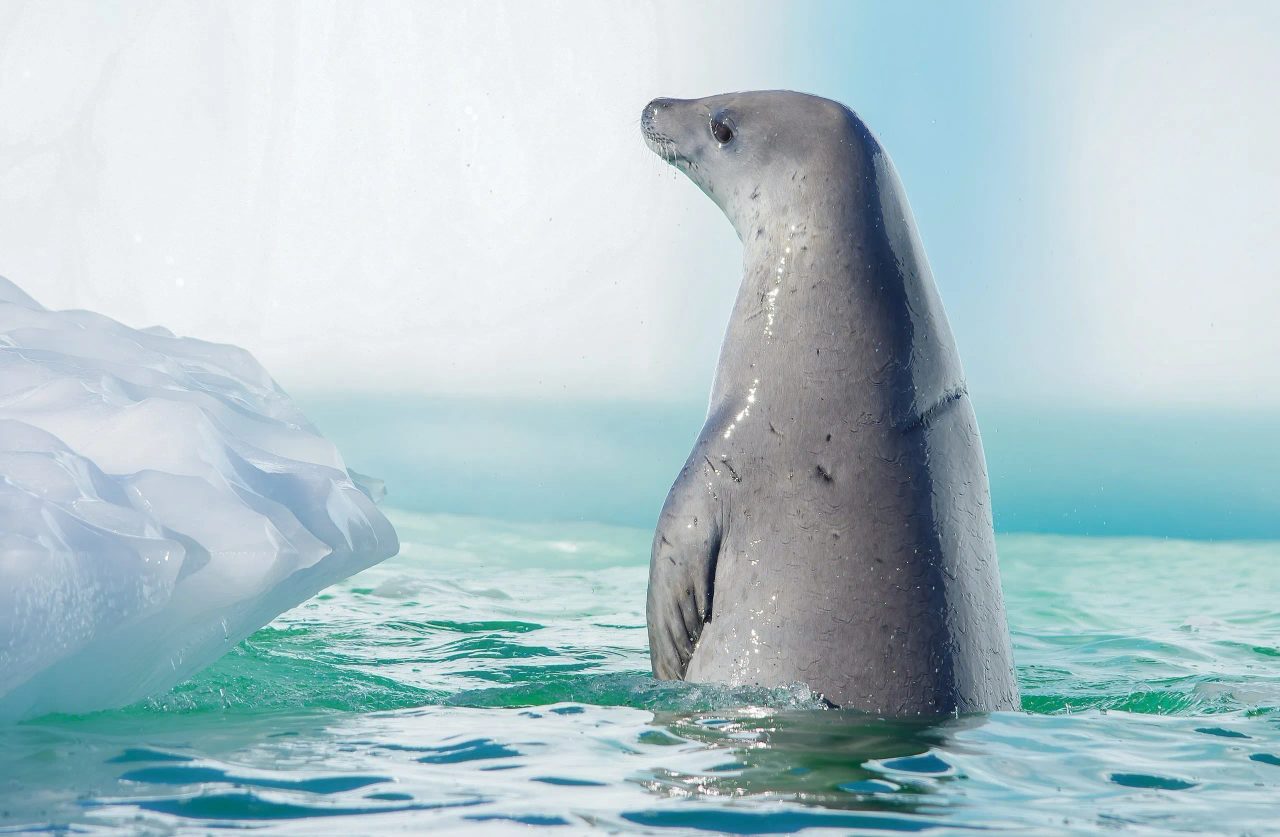
These islands are also extremely interesting from both flora and fauna perspectives. During your cruise, comfortably aboard your ship, it won’t be hard to spot elephant seals and the ever-present penguins!
Weddell Sea
The Weddell Sea is the part of the Atlantic Ocean considered the cleanest sea in the world. The history of this area is closely linked to geographical explorations, so much so that you can still come across the remains of huts used by the crews of Weddell and Shackleton who were trapped there for months.
Ross Sea
Discovered in 1841 by James Clark Ross, the Ross Sea is a vast bay almost entirely covered by thick ice sheets.
Here you can admire numerous species of Adélie penguins, the American McMurdo Station (the largest in Antarctica), and Mount Erebus, a volcano surrounded by ice but still active!
Where to Sleep in Antarctica
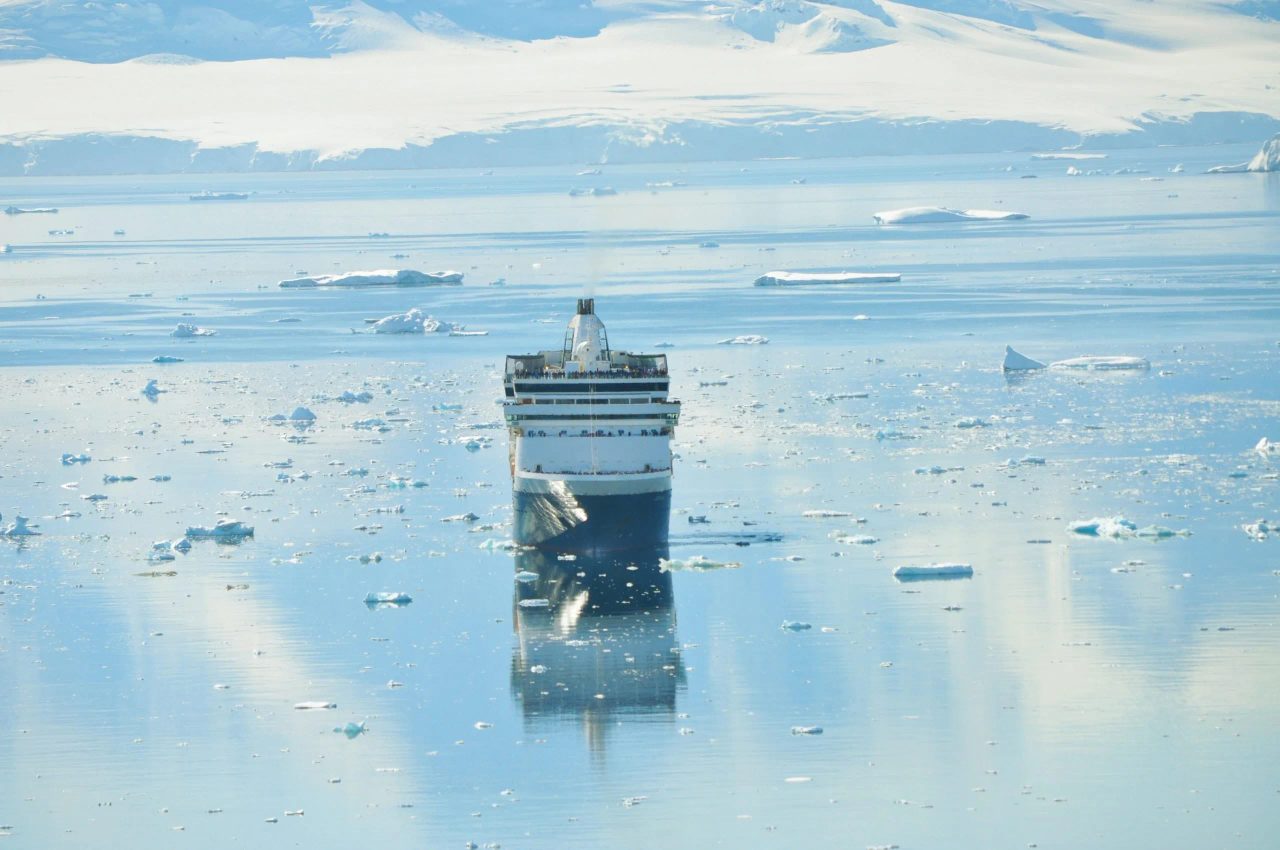
In a land that, as we said, has no cities or settlements, where can you sleep? The best solution is to sleep aboard the cruise ship you arrived on, which will take you from one point to another on the continent.
The various travel companies organizing cruises to Antarctica often also offer the option to camp on the continentfor an additional fee.
Alternatively, you could stay at the Whichaway Campinside an insulating fiberglass igloo, for the modest price of 15,000 euros per night!
When to Go
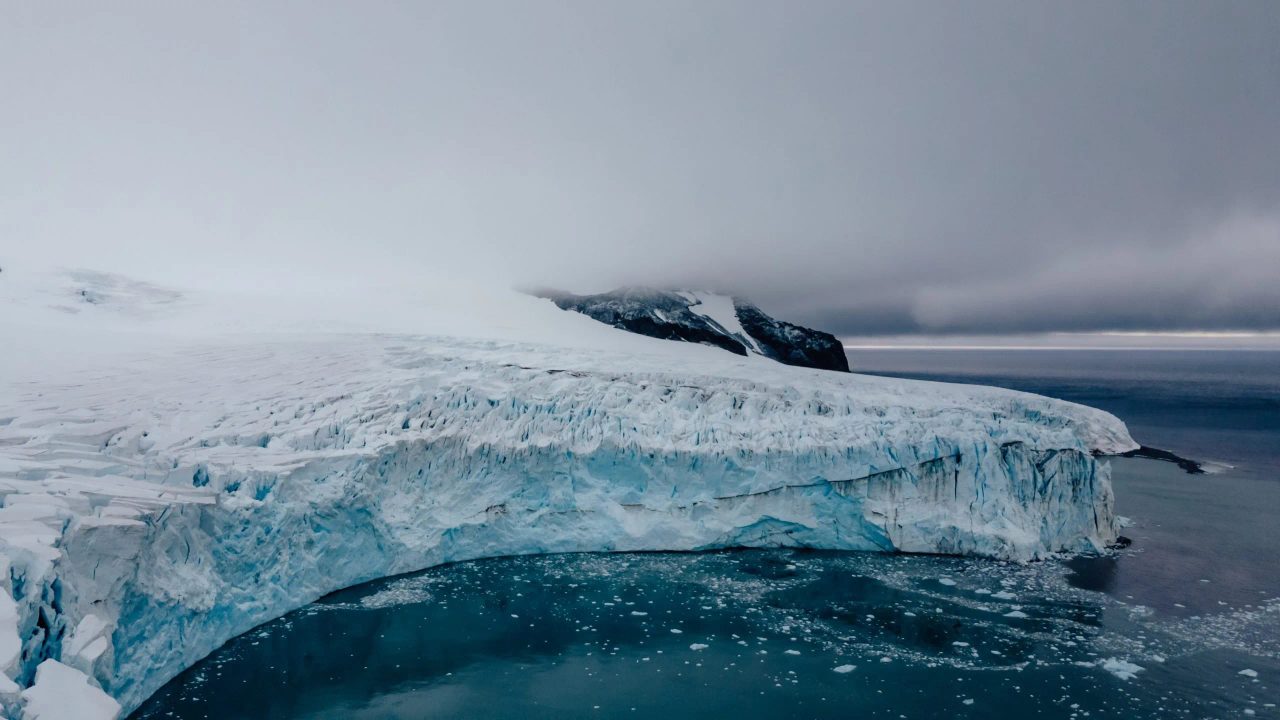
The only suitable period to go to Antarctica is during our winter months, that is, the austral summer, from November to March. These are the only months when cruises to Antarctica are organized, otherwise impossible in a land where climatic conditions are truly extreme and where temperatures as low as -98° have been recorded.!
November is the cheapest time to go. Days offer more than fifteen hours of light, but some visitable bases are still closed, it’s harder to spot animals, and the sea might still be filled with ice and icebergs.
December and January are the best months to go, as daylight lasts 20 hours, temperatures are higher, and it’s easier to spot penguins and seals. For this reason, prices are higher and tourist numbers are quite significant.
Finally, between February and March you can find good deals with advantageous prices, but due to reduced daylight hours and colder temperatures, some excursions might be difficult.
So we’ve seen that a trip to Antarctica requires care and careful planning, but it’s certainly not impossible to organize. Experiences like this should be had at least once in a lifetime. Of course, the final cost will be quite significant, but it’s definitely worth it to live a great adventure at the extreme edges of the Earth!