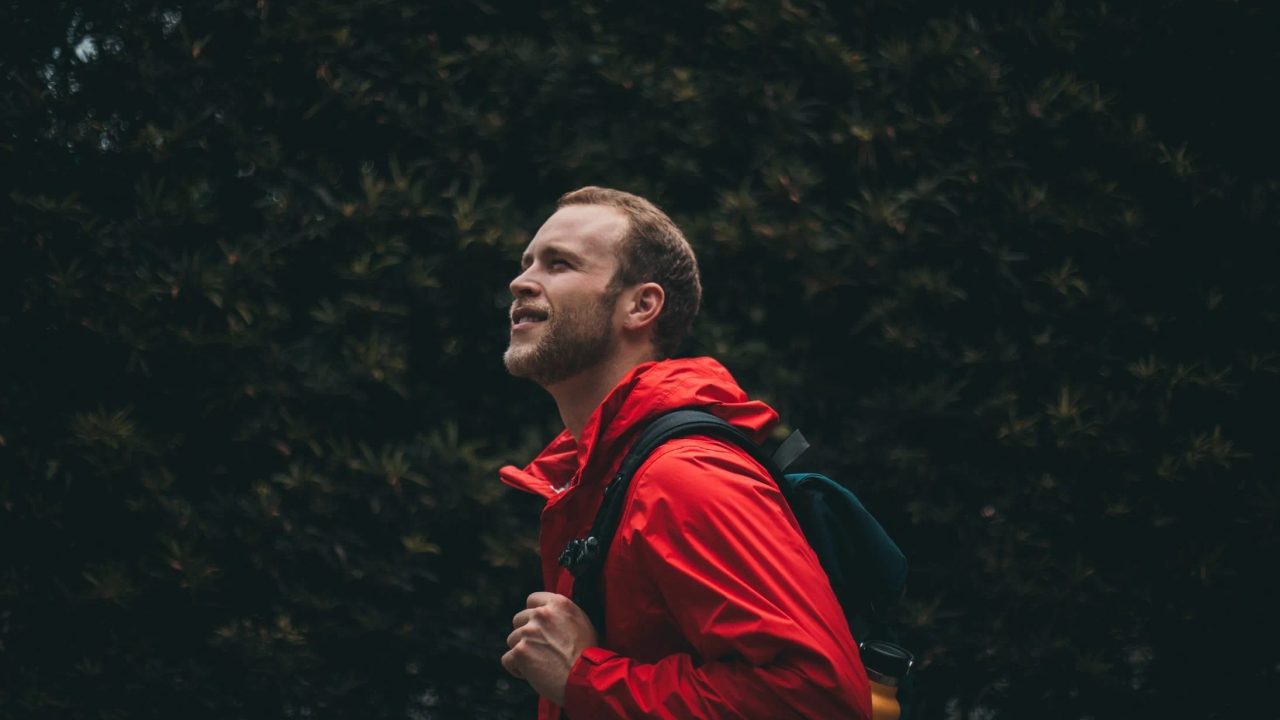
You've finally planned that long-awaited day trip that will bring some lightness and beauty to your busy weeks! Great, now that everything is organized, the last question arises: what to wear? Whether you're heading out for a half-day or full-day walking tour, or taking a walking vacation with sightseeing, here’s how to dress for a day trip and what to bring with you.
How to Dress for Your Day Trip
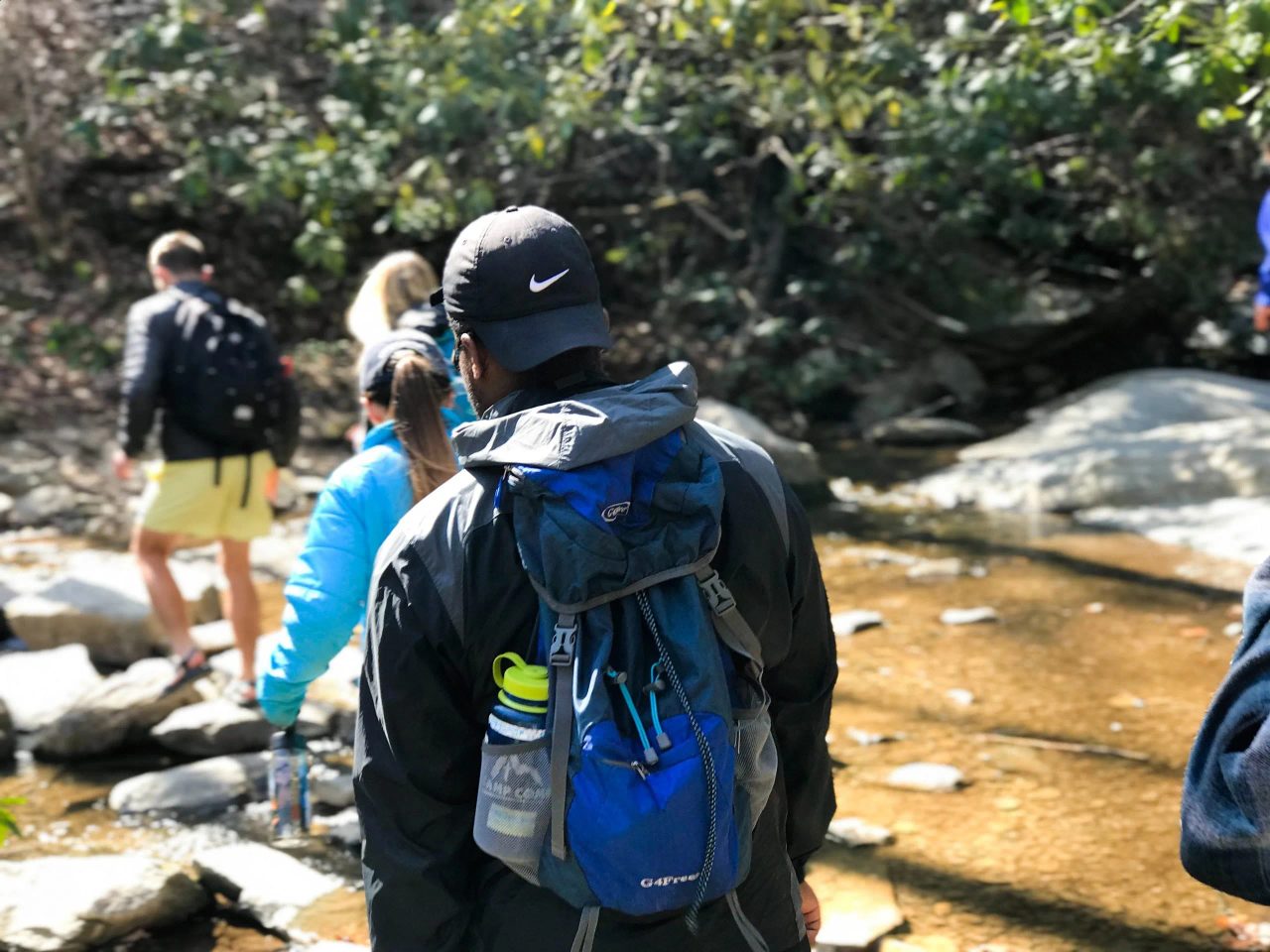
If you have a guide, they should provide advice on the local climate and conditions, but it’s good to be prepared for the unexpected. In general, we recommend choosing lightweight clothing that works well both in changing weather and during visits, indoors and outdoors (if you alternate, for example, walking with visits to museums or restaurants).
Cushioned Shoes
A walking tour usually involves a lot of standing. You walk for a few minutes, then stop to listen to the guide talk about the history, places, and culture for many more minutes. Typically, you walk less than a quarter of the tour time. The rest of the time is spent standing, often without a place to sit. You’ll find this even more tiring than walking continuously for a couple of hours.
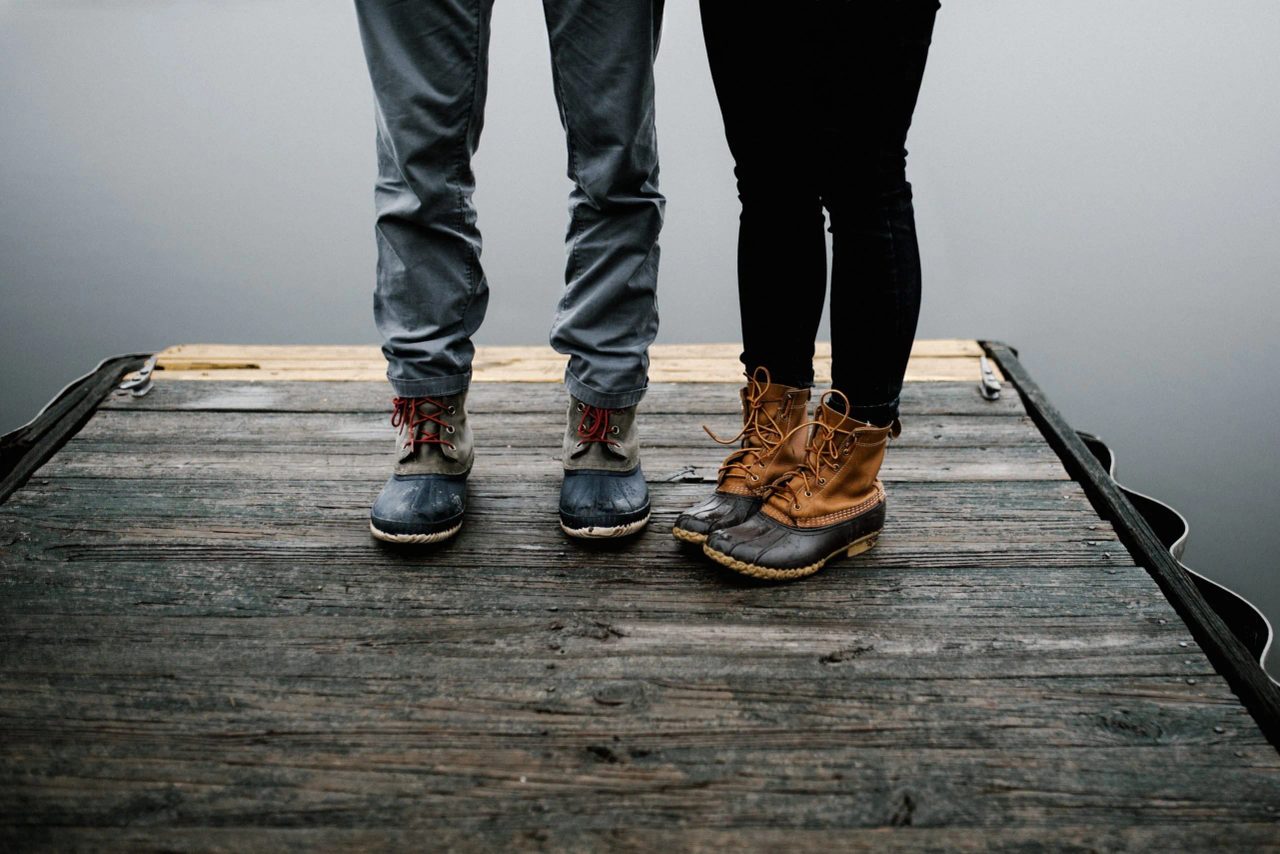
Choose well-cushioned, comfortable shoes for standing long periods. Avoid minimalist, flat shoes or sandals without cushioning. Many types of comfortable shoes are acceptable, including cushioned athletic shoes.
If your walking trip takes place on natural trails you might need trail shoes to climb and descend slopes without slipping. They should provide good stability and protection from rocks. For this reason, even in summer, flip-flops are always a bad idea on trails!
Hat and Scarf

For outdoor walking excursions, you’ll need a hat to keep the sun off your head and eyes. A wide-brimmed hat is very practical for these purposes, although you might want a full-brim hat to protect your neck as well. A cap that covers the ears or separate ear warmers is a good choice in colder periods.
Besides a hat, bring a neck gaiter to shield from sun or cold, a headband or ear warmers, or even a face mask or balaclava, especially in winter or in the mountainswhere the weather can get very cold.
Jacket or Windbreaker
Always check the weather forecast before setting out on your trip, but be prepared for changes. A windbreaker is essential, and you can find ultralight ones that fold down to the size of an energy bar! With this, you can stay comfortable outdoors in cold or windy conditions, and it can also be handy if the air conditioning indoors is too harsh.
An umbrella and a waterproof jacket, or a rain poncho, are essential in autumn or spring. If rain is only a slight possibility, it’s good to carry an inexpensive plastic rain poncho in your backpack.
Daypack

A daypack is the easiest way to organize the things you might need when you’re out for a full day of sightseeing and tours. A daypack puts less strain on your neck and shoulders than carrying a handbag or duffel bag. It’s recommended to bring at least one water bottle, as stops might not include water fountains.
Dehydration is a real risk on walking tours! Look for a backpack with space for a jacket, water bottle, energy snack, wallet and ID, camera, cell phone, maps, and even a book for the journey. Check with your guide, if you have one, for any restrictions on carrying a backpack at any of the attractions you’ll visit.
Quick-Dry and Breathable Clothing
To stay comfortable during a long day of walking and in varying weather conditions, you’ll need shirts and pants made of technical fabric that wicks sweat. You might prefer wearing cotton shirts and jeans, but once they get wet from sweat or rain, they stay damp, which can be really uncomfortable or even irritating. If you’re doing a multi-day walking tour, quick-dry clothing can be rinsed and air-dried overnight.
Convertible zip-off pants are very popular for multi-day walks or variable conditions. In summer, tank tops and shorts might be fine for a park or seaside town, but if you’re visiting churches, monumental cemeteries, or museum areas, you’ll need long pants and a shirt that covers your shoulders.
Other Accessories to Bring Along
Sunscreen and Lip Balm
Even if it’s not sunny when you leave, a long day outdoors can take a toll on your skin. No matter the weather, apply sunscreen generously and use a moisturizing lip balm.
Also, research the area to see if you’ll need insect repellent.
Camera and Smartphone
You’ll want to keep memories of the places you see by taking photos with your phone or camera. Make sure your battery is charged, bring a power bank, and have enough storage for photos and videos. Check photography policies at museums, churches, etc. Practice taking shots in low light without flash.
Guidebook and Maps
If you don’t have a live guide, it’s important to have a good guidebook of the area. Besides printed materials, many guides and maps are available as eBooks, audiobooks, or apps.
Money Belt or Fanny Pack
If you’re taking a walking tour in a metropolitan area, it’s wise to keep your valuables safe in a belt, magnetic pocket, or fanny pack worn under your clothes. Unfortunately, groups of walking tourists are prime targets for pickpockets, especially in large urban and tourist areas.
It’s okay to keep a small amount of cash in a pocket, but you should secure your credit cards, passport, and larger cash reserves out of immediate reach. Don’t keep these items in an unprotected backpack, purse, or pocket.
Trekking Poles
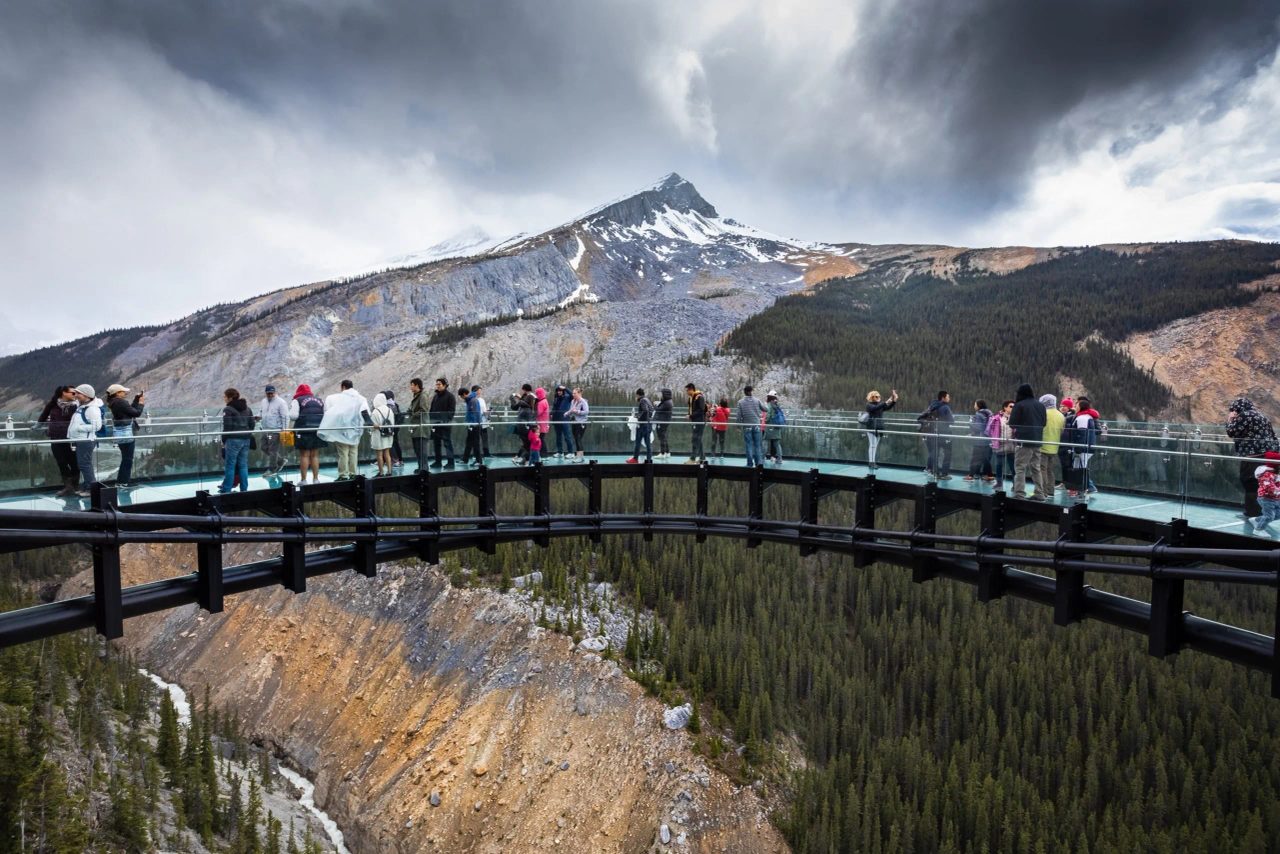
You won’t need a pole for an urban walking tour. But if the trip includes natural trails, a single trekking pole or a pair can help you maintain stability.
Are You Ready for Your Adventurous Day Trip?