Walking in nature is good for you; it's truly a tonic for mind and body. If you agree with us, you’re probably already looking for organized group treks to do during the warm season. In recent months, you’ve become an expert on what to bring when it’s cold? Now we want to talk about how to dress for the mountains in summer.
The mountains are always beautiful, even in the warmer months; in fact, the heat really doesn’t last very long at high altitude. Usually, there’s an alternation of cooler hours and others where the weather is pleasant, so you should never be caught unprepared.
Indeed, making the right choice regardingclothing is crucial to fully enjoy your hike and avoid any problems. A bit of planning and common sense are all it takes to immerse yourself in a fantastic walk in nature. Certainly, unlike the winter season, summer is easier because clothes are lighter and less bulky than those needed to face the cold.
What to Choose for the Mountains in Summer?
The right clothing and accessories for the mountains come in various price ranges; if your hikes are long and frequent, we definitely recommend investing a bit more so they last much longer.
To decide how to dress and what to bring, start with a few simple points: your trip destination, the maximum altitude to reach, and the weather forecast for that day. Layering is definitely a valid solution in any season to easily handle any sudden temperature changes.
Besides layering, it’s important to consider the quality of the materials you wear. Choose breathable, technical fabrics that help regulate body temperature and keep your skin dry. Always carry a waterproof and windproof jacket to protect you in case of rain or sudden wind.
Don’t forget a hat or headband to protect your head, and lightweight gloves, which can also be useful in spring or autumn. Finally, choose footwear suitable for the terrain you’ll face; waterproof hiking shoes with good soles will ensure the comfort and safety you need to fully enjoy your hike.
How to Dress for the Mountains in Summer: A List of What to Wear
1. Shoes
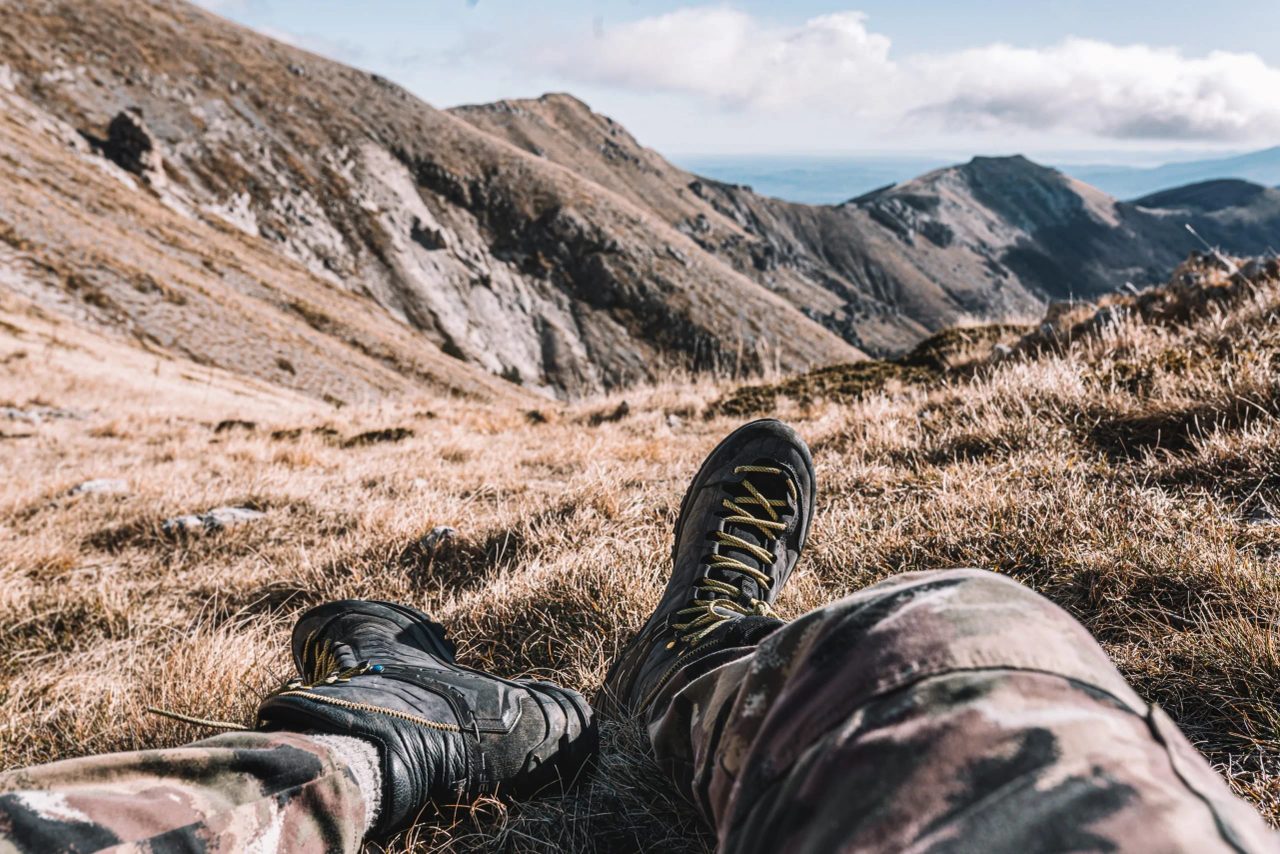
Let’s start with the most important thing: shoes. Choosing the right footwear will allow you to feel truly relaxed and comfortable during your hike. There are two types: ankle-high and low-cut.
To choose the right ones for you, ask yourself if your hike will involve significant elevation changes over rocks and boulders, or if you’ll be taking a walk on an easy trail. In the first case, choose ankle-high shoes; in the second, low-cut shoes will be fine. Remember they must be waterproof and have non-slip soles.
Also, pay close attention to the fit. Shoes should fit perfectly without being too tight to avoid blisters and ensure maximum comfort throughout the hike. Always try them on with the socks you plan to wear during the hike, as this can affect the fit.
Don’t forget to check their weight: shoes that are too heavy can tire you quickly, while those too light might not provide enough support. Finally, consider good breathability to keep your feet dry and prevent odors. With the right attention to these details, you’ll be ready to fully enjoy every outdoor adventure.
Socks are also important; they should prevent chafing but still be breathable to avoid moisture buildup.
2. T-shirt
On a warm mountain day, the base layer is a t-shirt or tank top. Be careful with cotton because it absorbs moisture, so if you sweat during the walk, it’s not the best choice. Technical fabrics are preferable, perfect for this purpose. If you start your hike early in the morning when it’s still cool, you can wear a long-sleeve shirt or a sweatshirt over it.
Don’t forget to bring a lightweight, windproof jacket, preferably made of breathable and waterproof material. Mountain weather can change quickly, and a jacket will protect you from wind and sudden rain.
It’s also advisable to wear lightweight, comfortable pants, maybe with zip-off knees to convert them into shorts if the temperature rises significantly during the day. Don’t underestimate the importance of a hat and sunglasses to protect you from UV rays, which are especially strong at high altitudes. Finally, a good pair of hiking shoes with sturdy soles and good grip will provide the stability needed on rough terrain.
3. Pants
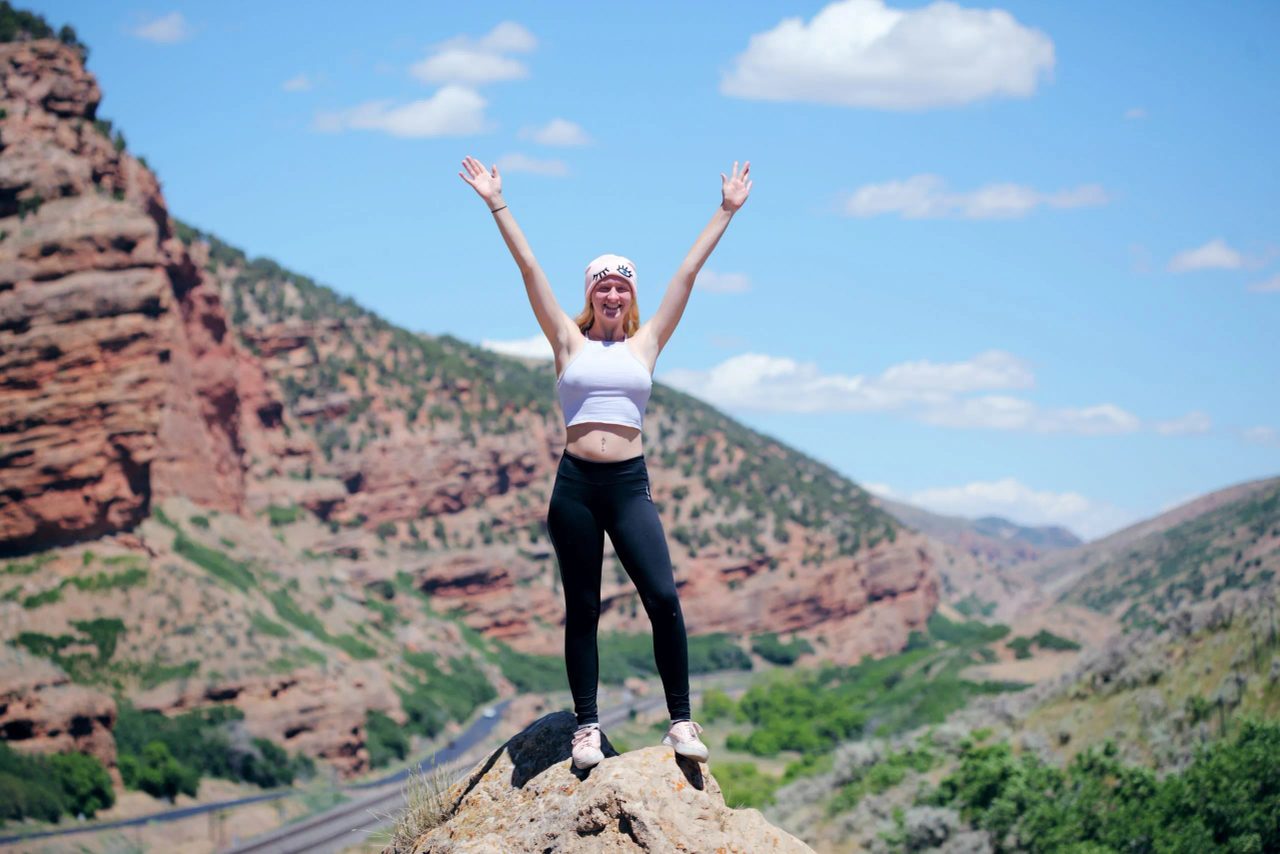
The perfect pants for this outdoor activity are convertible, with a zipper at the knee so they can go from long to short. They should be comfortable and also have pockets, which are always useful. Avoid jeans at all costs; they would be too hot in strong sun and would get wet in rain, restricting movement.
It’s also important to choose breathable, quick-drying materials for maximum comfort throughout the activity. Technical fabrics like nylon or polyester are ideal because they offer abrasion resistance and UV protection.
Some models also include a water-repellent finish, which can be very useful in light rain or humidity. Don’t forget to check the fit: pants should be snug but not too tight to allow freedom of movement without chafing. Finally, opting for neutral colors like olive green, beige, or gray can help you blend better with the natural environment, making them perfect for nature hikes and other outdoor activities.
4. Jacket
You absolutely must remember a rain jacket in case of rain; weather conditions can change suddenly, even if not forecasted. Poncho-style or cape rain jackets that also cover your backpack are excellent. As mentioned earlier, pack a sweatshirt and also a windproof technical fabric jacket. If you’re heading to high altitudes or if the weather is uncertain, jackets with detachable down insulation are perfect.
Also, don’t forget to bring a thermal bottle to keep drinks at the desired temperature, hot or cold, throughout your hike. Hydration is essential, especially in mountain environments where the air can be drier and altitude can increase dehydration.
For longer hikes, consider using trekking poles: they not only help maintain balance on rough terrain but also reduce strain on your knees during descents. Finally, it’s always wise to have a first aid kit with essential medicines and a small multi-tool for emergencies. With these precautions, you’ll be prepared to face any situation and fully enjoy your outdoor adventure.
Also, don’t forget the importance of proper hydration and nutrition. Bring enough water, considering the duration and intensity of your hike, and consider a hydration system like a water bladder with a drinking tube for easy access while walking. High-energy snacks like dried fruit, protein bars, and dark chocolate are ideal to keep your energy levels up during the trek. Plan regular breaks to rest, eat, and enjoy the scenery. Remember, preparation and awareness are key for a safe and enjoyable hike. Happy walking!
5. Backpack
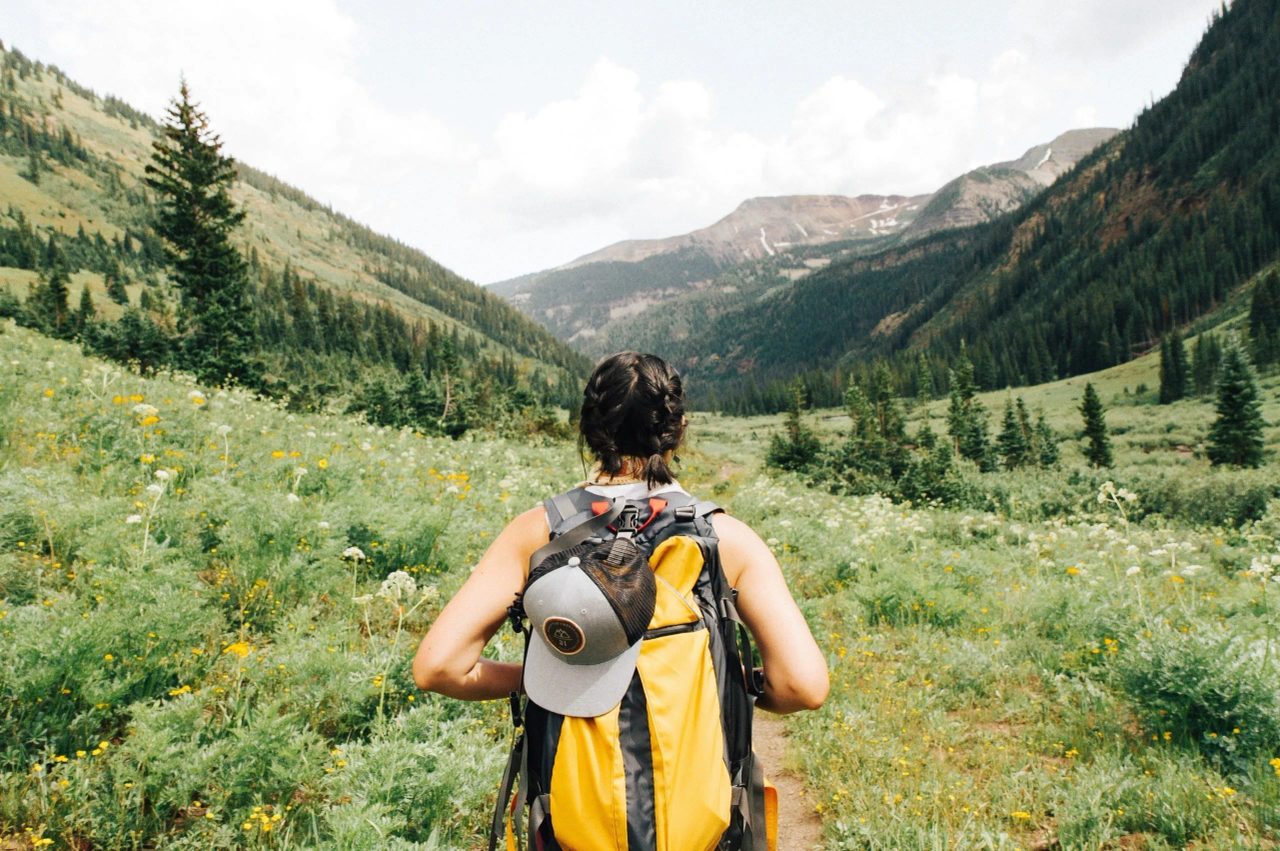
A hiking backpack is ideal because it’s designed to distribute weight evenly across different parts of the body. This is crucial during long walks; you need to be comfortable even if carrying a bit more weight.
Moreover, a well-designed hiking backpack offers numerous pockets and compartments to efficiently organize all your gear. This means easy access to items you might need quickly, like a water bottle, an energy snack, or a map of the route. Many backpacks also come with hydration systems, like a bladder with a drinking tube, and adjustable straps to fit your body shape, further increasing comfort.
Other useful features may include integrated waterproof covers to protect your backpack’s contents in sudden rain, and holders for specific equipment like trekking poles or ice axes. These details, though small, make a big difference in making a hike more enjoyable and less tiring.
Also, besides the clothing we mentioned earlier, you’ll need to bring:
- sunscreen
- folding umbrella
- water and food supplies
- insect repellent spray and bite sticks
- a power bank if you need your phone charged for many hours
- band-aids and tissues
- hat and sunglasses
How to Dress for the Mountains in Summer: Now Just Pack Your Backpack
The mountains aren’t just snowy peaks, skiing, and lodges to warm up and shelter from the cold. The mountains are wonderful to discover even in summer, when there’s no snow and the landscapes are lush and radiant. Experiencing them in the warm months is pleasant and a great alternative to classic winter hikes.
The secret is to always be organized and expect the unexpected, in summer as in winter. Our list will help you make the best choices for a summer hike.
Now that we’ve given you some ideas on what you need, you’re ready to prepare your backpack for your hike! You can join group treks to share your passion for walking in nature with new people.