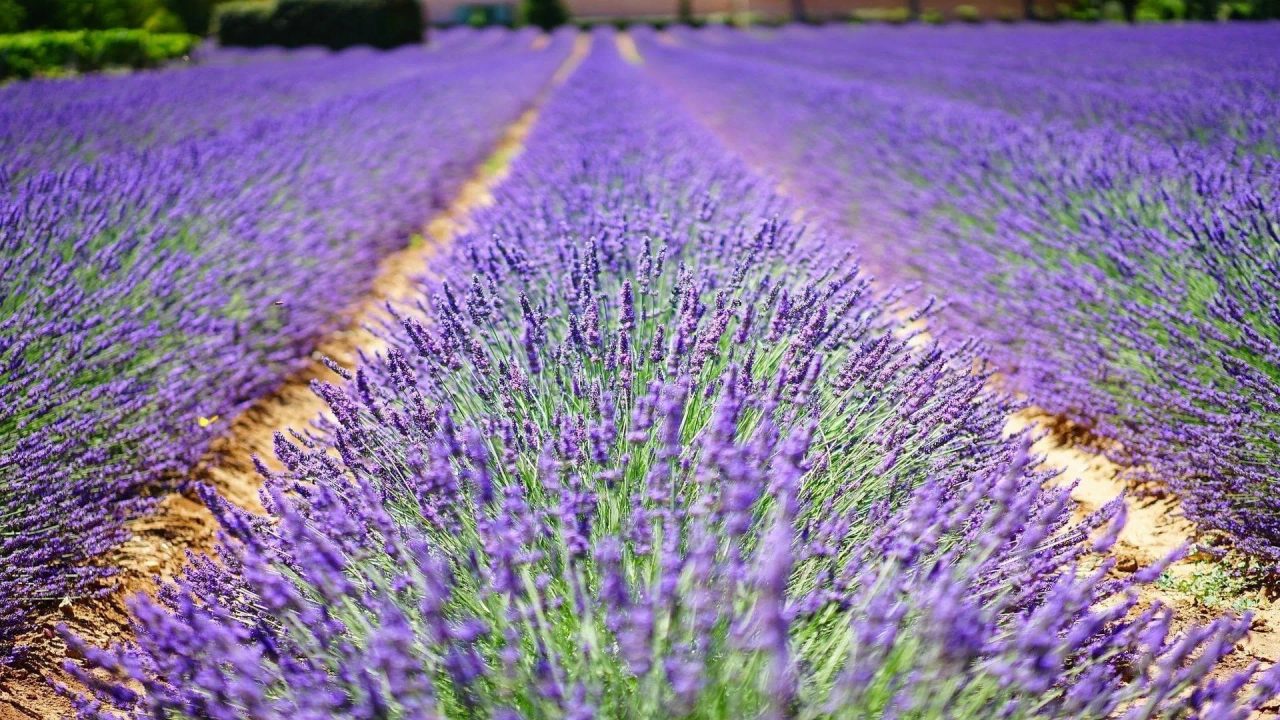
The lavender bloom is an unmissable spectacle that happens every year during the summer. Provence, in France, is perhaps the most popular destination for lovers of this medicinal plant with its purple color.
But to admire this natural miracle live, there’s no need to travel to France.
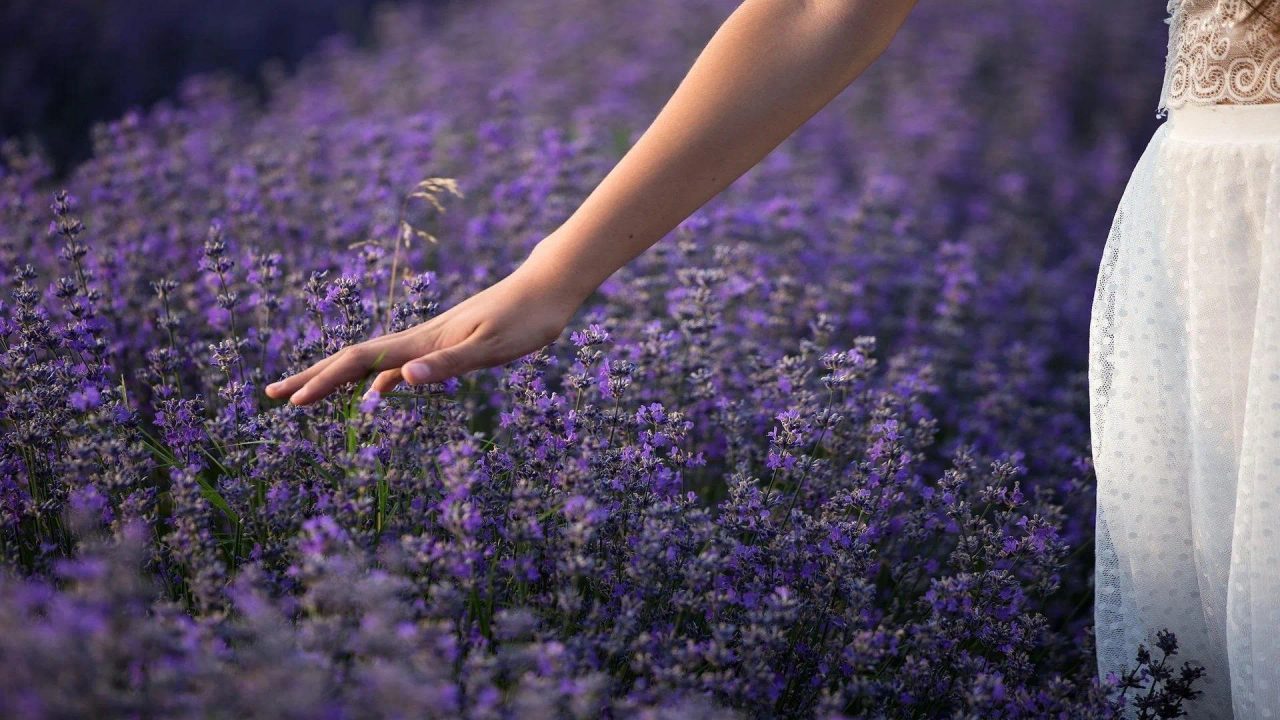
The Lavender Bloom in Italian Regions
Italy is also rich in fields and imaginative stretches of lavender. The magic almost always happens between late June and late July.
From north to south of the Belpaese you can see it with your own eyes. To do so, you can go to Santa Caterina Villarmosa in Sicily or to the Lavender Park of Morano Calabro in Calabria.
In Molise, lavender blooms in Larino; in Tuscany it does so in Pieve di San Luce. Pollutri is one of the best-known centers for cultivating the plant in Abruzzo.
Moreover, lavender grows on the Apennines and the Alps. In Central-Northern Italy, you can find it at the Herb Garden of Emilia Romagna. Further north, Venzone in Friuli Venezia Giulia and Godiasco in Lombardy are two other destinations where lavender grows lushly.
Liguria even has a museum dedicated to this fabulous plant. Piedmont, Italy’s Provence
But it is
Piedmont , among all Italian regions, that enjoys the fame of being the “Italian Provence.” Clusters of flowers and purple bushes sway gently whenever the wind blows over the fertile fields, producingpoetic effects and visually extremely relaxing and romantic scenes. Throughout Piedmont, the lavender bloom lasts until the end of July or into late August. It should be noted that, depending on climatic conditions, the calendar may vary each year.
You can visit Piedmont during this fragrant period thanks to organized experiences, such as those by Meeters. Lavender of Alessandria and Monferrato
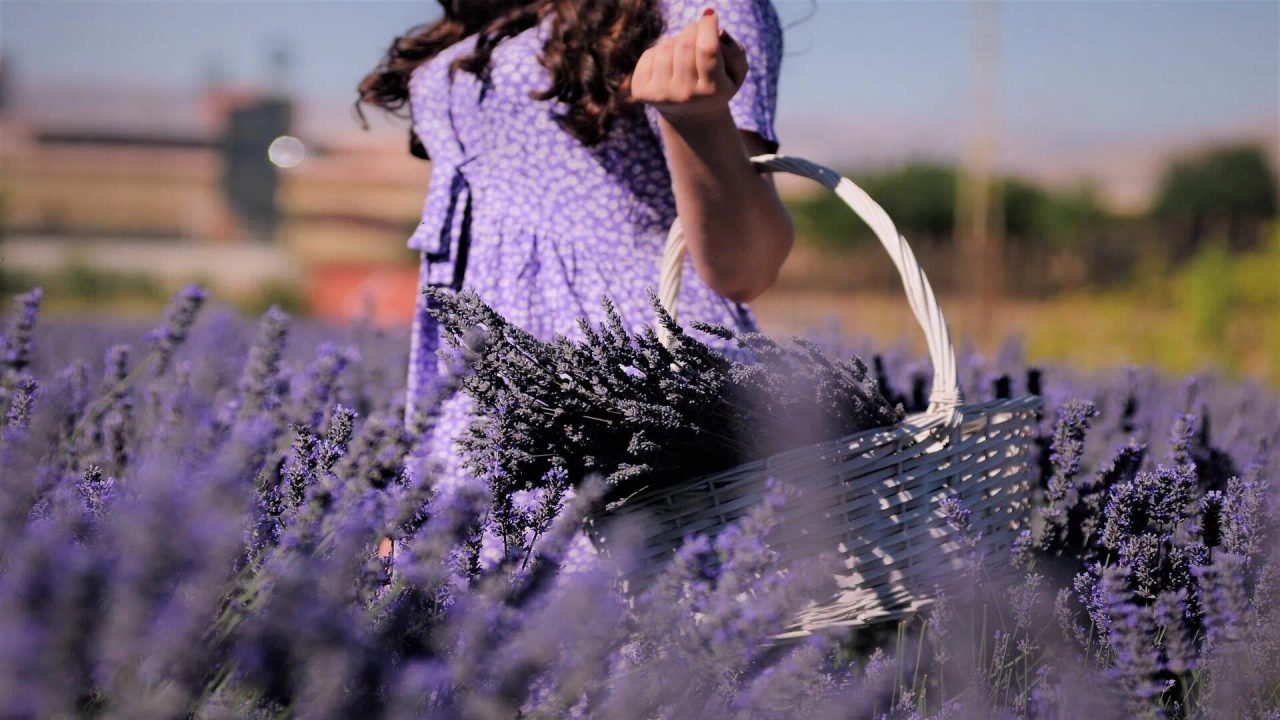
On average, in the provinces of Alessandria and Monferrato, the lavender bloom is clearly visible until July. In this territory, there are several
villages and towns whose educational farms, agritourisms, cooperatives, and agricultural companies dedicate their entire activity and existence to lavender. Castelletto d’Erro
, located on a hill in Upper Monferrato, is an example. So are Spigno Monferrato, Cuccaro, Lu with its “Big Benches,” Quargnento, San Salvatore, Giarole, Viguzzolo, Merana, and the provincial capital,, located on a hill in Alto Monferrato, is an example. So are Spigno Monferrato, Cuccaro, Lu with its “Big Benches,” Quargnento, San Salvatore, Giarole, Viguzzolo, Merana, and the provincial capital itself, These are small centers where lavender cultivation follows the.
rhythms of nature , immersed in settings where time seems to have stopped.These villages have a medieval soul and feature
panoramic viewpoints , farmhouses, historic and sacred monuments, artistic testimonies, ancient mills, and spectacular fields with shades of blue-purple, where you can pause to enjoy relaxing moments andpicnics with a different flavor than usual. Sale San Giovanni and Piedmont’s Little Provence
In the
province of Cuneo there are the small municipalities of Demonte and Sale San Giovanni. Visiting the latter village, which over the years has become an excellence in medicinal plants and high herbalism, means venturing into the so-called little Piedmontese Provence. We are
Visiting the latter village, which over the years has become a center of excellence for medicinal plants and high-quality herbalism, means venturing into what is called the little Piedmontese Provence. We are , a Piedmontese territory we discussed here.The hills of Sale San Giovanni, from June until late August, are dyed
indigo and purple , offering visitors an unusual beauty, with a changing face depending on climatic conditions and the spectacle of sunlight.The visual effect of lavender also adds to the colorful display created by hyssop, mallow, chamomile, yarrow, fennel, sage, and coriander. The
triumph of colors is guaranteed. Sale San Giovanni, The Village’s History
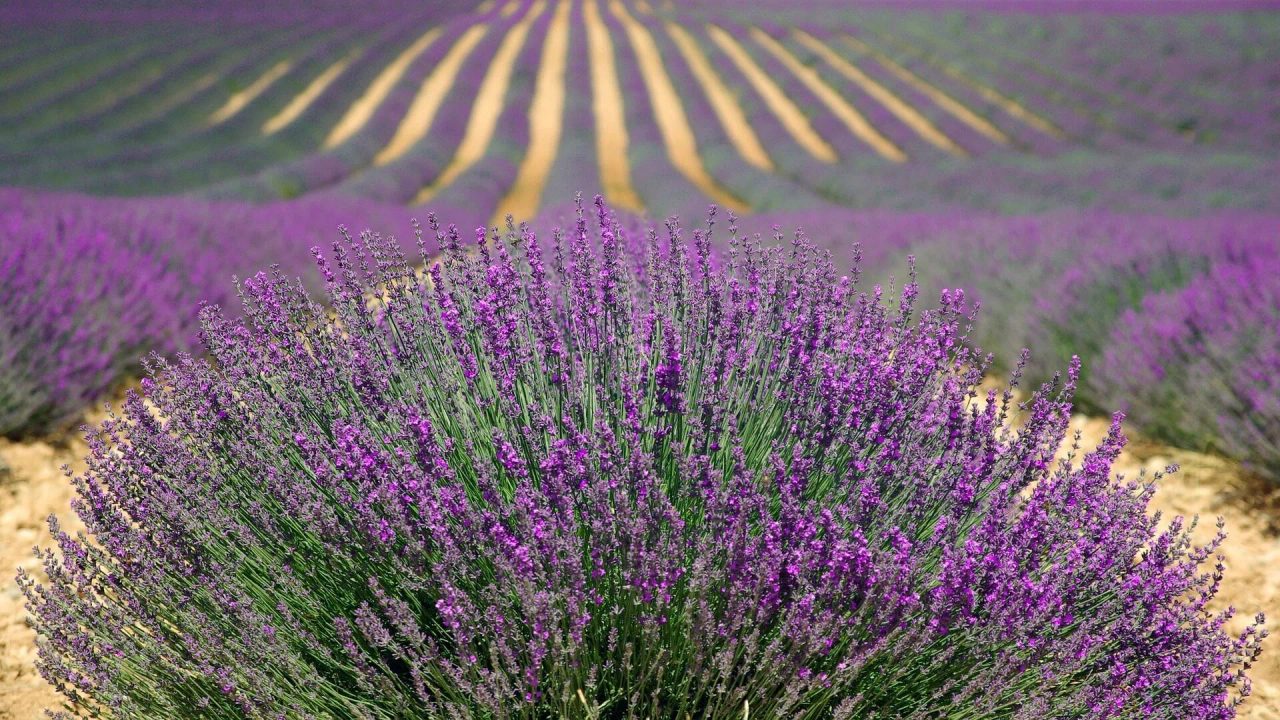
Sale San Giovanni is a small municipality with about a hundred inhabitants and in the past was one of the poorest areas of the Langhe.
In the 1990s, when agricultural innovations managed to transform this initially arid territory into a productive one, Sale San Giovanni
was reborn on the trail of the scent of flowers. In those years,
a more conscious agriculture , looking towards biodynamics and organic farming, began to focus on cultivating medicinal herbs, from hyssop to chamomile, from rosemary to lavender, precisely.Thus, within a decade, Sale San Giovanni became a point of notable attraction and
appeal for thousands of people. Visitors, enthusiasts of botany, medicinal herbs, but also simple curious people and novices in the world of plants, began to arrive from all over Piedmont and all over
Italy . After all, how can one resist the call to take a photo of blooming lavender? Lavender Bloom Days in Sale San Giovanni
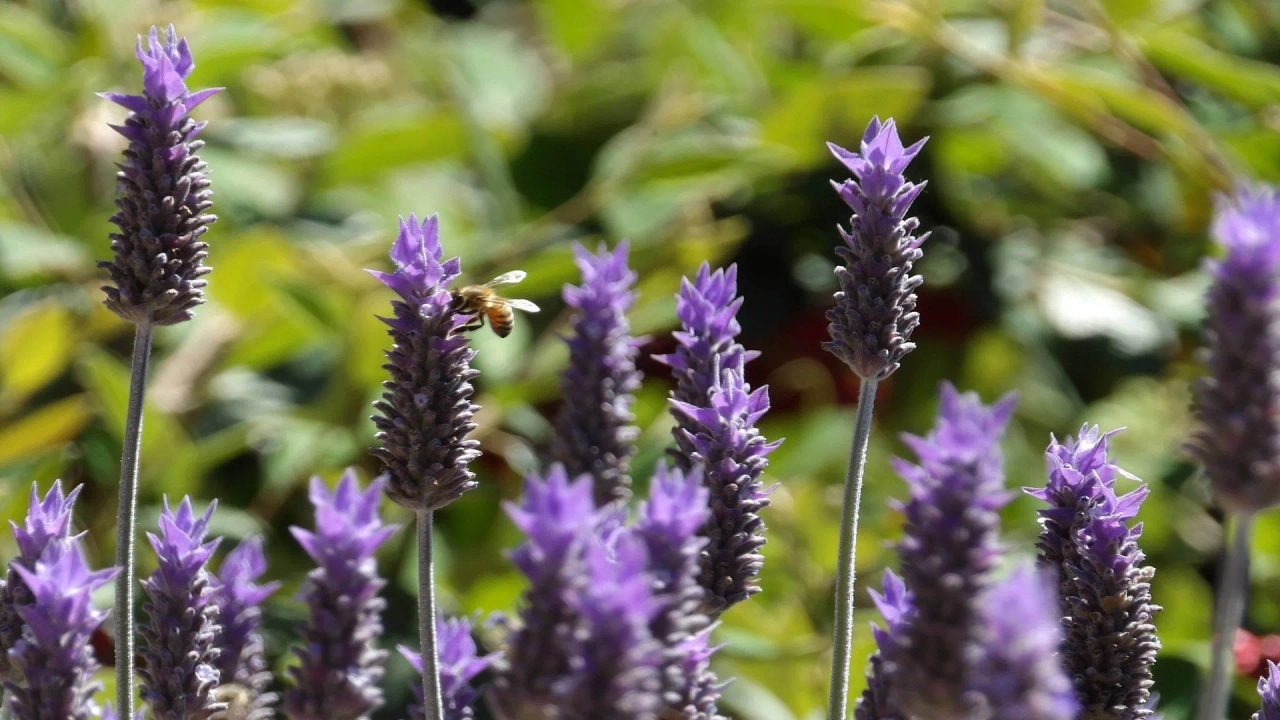
What happens in Sale San Giovanni during the lavender bloom days? It is an
event that keeps the community alive of the village, engaged not only in the care phase of medicinal herbs but also in ensuring safety and basic services for all visitors. Almost like a patronal festival, the streets leading to the crops become entirely pedestrian or passable by
bicycle . For this reason, the lavender bloom in Sale San Giovanni is aninclusive and accessible event for everyone. A Trail Following the Lavender Fields
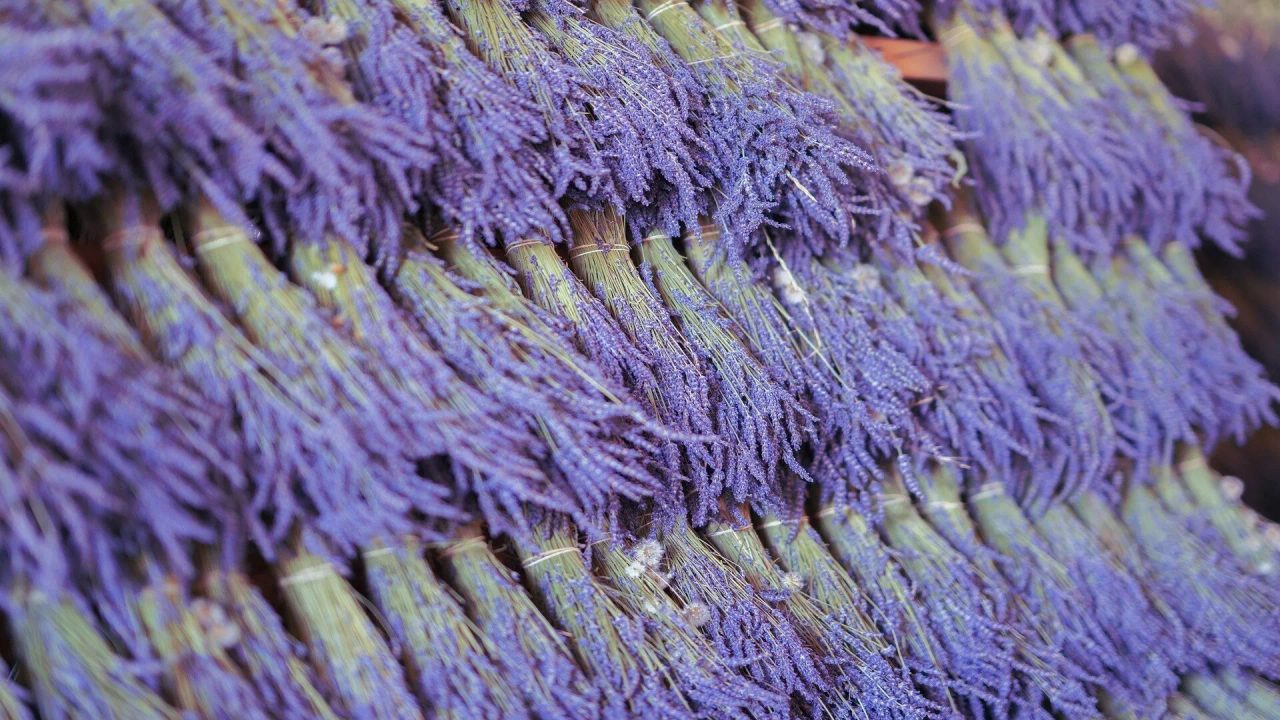
The area of Sale San Giovanni, with its immense lavender fields, lush woods, and lively villages, can be explored following
a circular route The most recommended starting point is the.
ancient parish churchof the village. On the Piedmontese Provence itinerary, you find yourself immersed in a mountain and hilly landscape, among villages and farmhouses. And you can stop and cross the magnificent
Prandi Arboretum . Designed in the twentieth century by a railwayman passionate about botany, Carlo Domenico Prandi, this forest extends over twelve hectares. Exploring it brings you into contact with countless tree species from all over the world.. Created in the twentieth century by a railway worker passionate about botany, Carlo Domenico Prandi, this forest covers twelve hectares. Exploring it brings you into contact with countless tree species from all over the world.