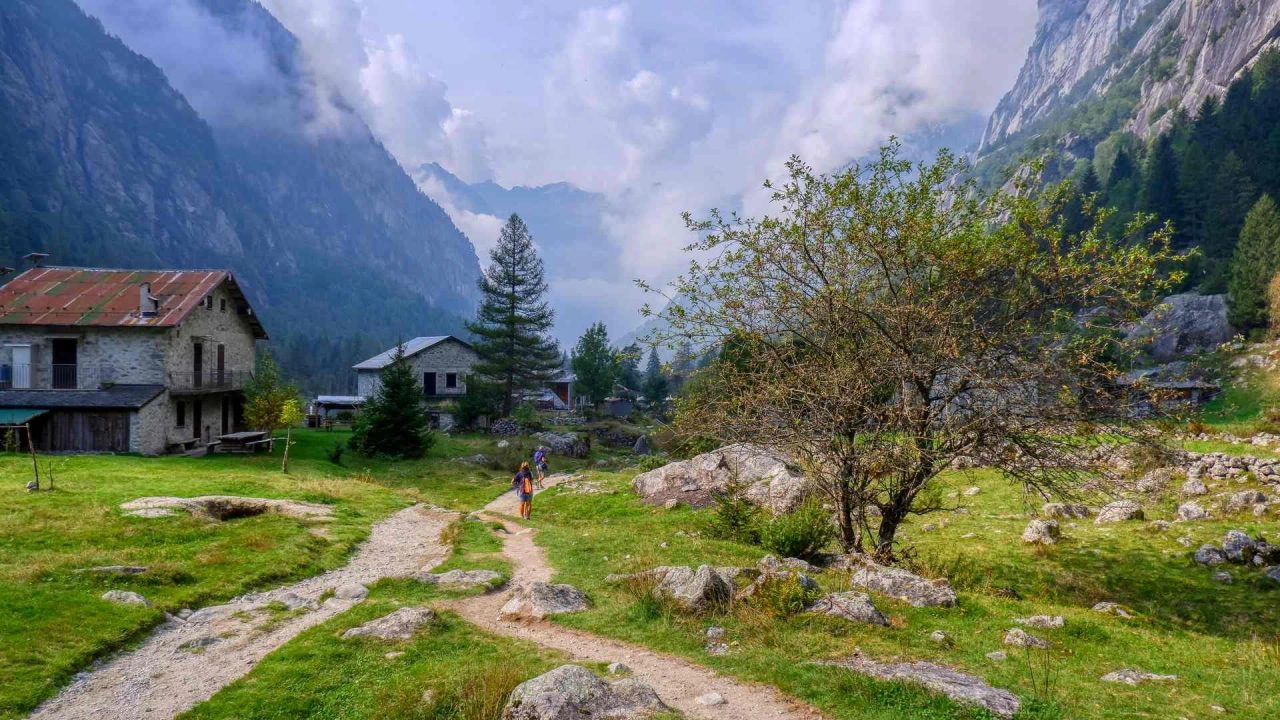
There are few sensations in the world better than those experienced during a beautiful mountain trek..
Grab your shoes and backpack, dress up warmly during a cold week, and decide to spend two days immersed in nature.
Walking through majestic landscapes, perhaps accompanied by trusted friends, or maybe walking to meet new ones.
Everyone should experience this kind of feeling at least once in their life, you can take our word for it.
Why isn’t trekking the most popular hobby on earth?
First, because mountains or beautiful landscapes aren’t always accessible to everyone.
Second, among all the hobbies you can choose, it still requires some equipment and, above all, a bit of preparation.
For this reason, we decided to delight you with 5 tips for beginners,for all those who have never had the chance to enjoy good mountain trekking. mountain..
Follow us on this journey, so you’ll have no more excuses not to join an interesting event.
5 Tips for Beginner Mountain Trekkers
These tips are dedicated to anyone who wants to seriously approach the world of trekking starting with no prior knowledge.
Without Some Physical Preparation, You Won’t Get Far
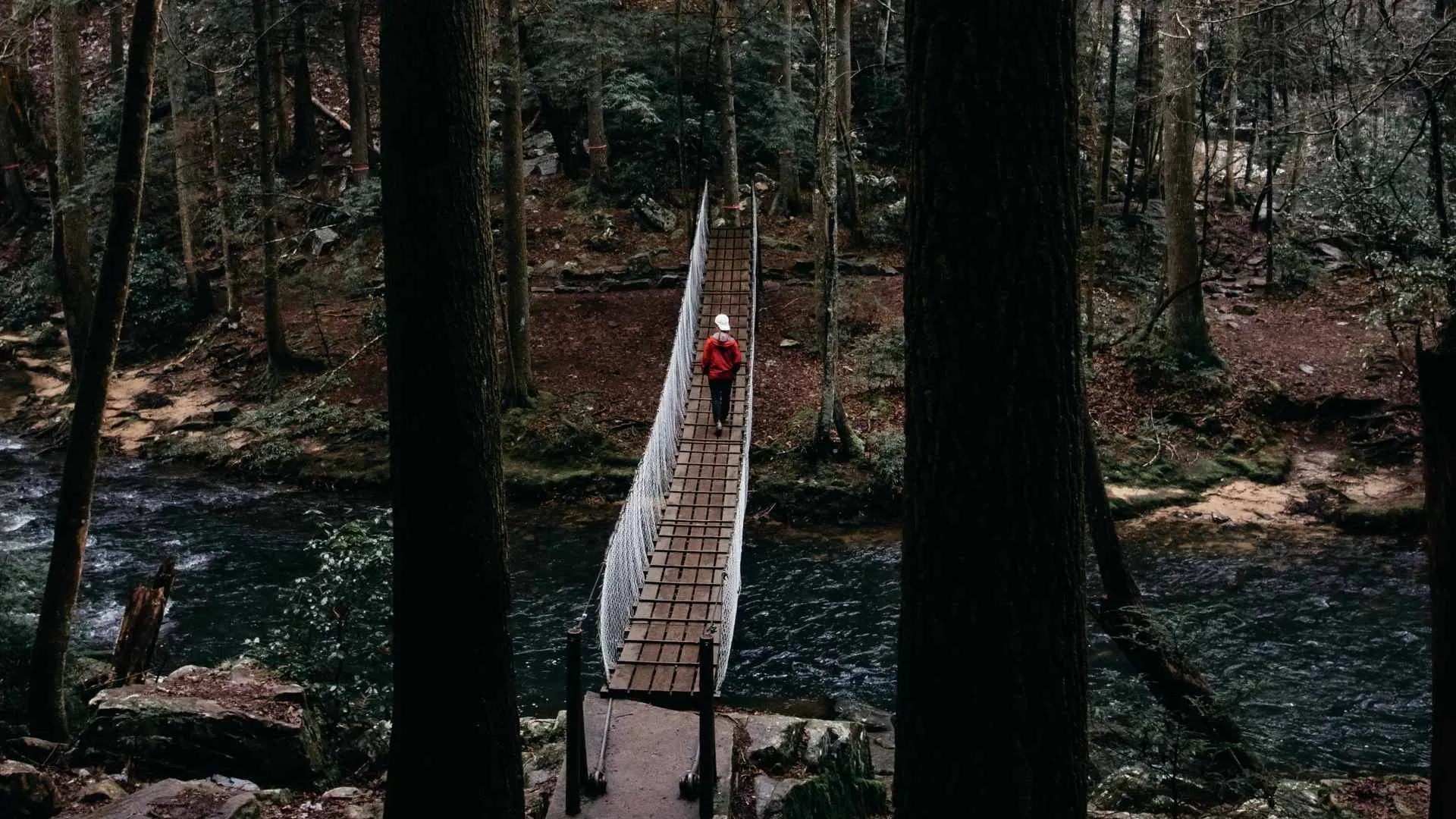
If you’ve always lived a sedentary life, can you start mountain trekking right away, maybe even intensely?
Answer: sort of..
Mountains consist of ascents that can last for hours, and in these cases, without some physical preparation, there’s a real risk of getting into trouble. The alternative is hours of muscle pain, which is hardly desirable.
Our advice, then, is tostart gradually before tackling mountain treks lasting several hours. For a beginner, it’s best to start with routes with elevation gains of no more than 400 meters.This figure corresponds roughly to an hour of uphill walking and is a great starting point for anyone wanting to face the mountain and learn to respect it.
After getting comfortable with this kind of route, after at least ten hikes, you can start approaching more complex trails. This way you can put aside the fatigue of the early days. At this point, the goal will be clear:to tackle routes with elevation gains over 400 meters.
Preparation, Not Competition
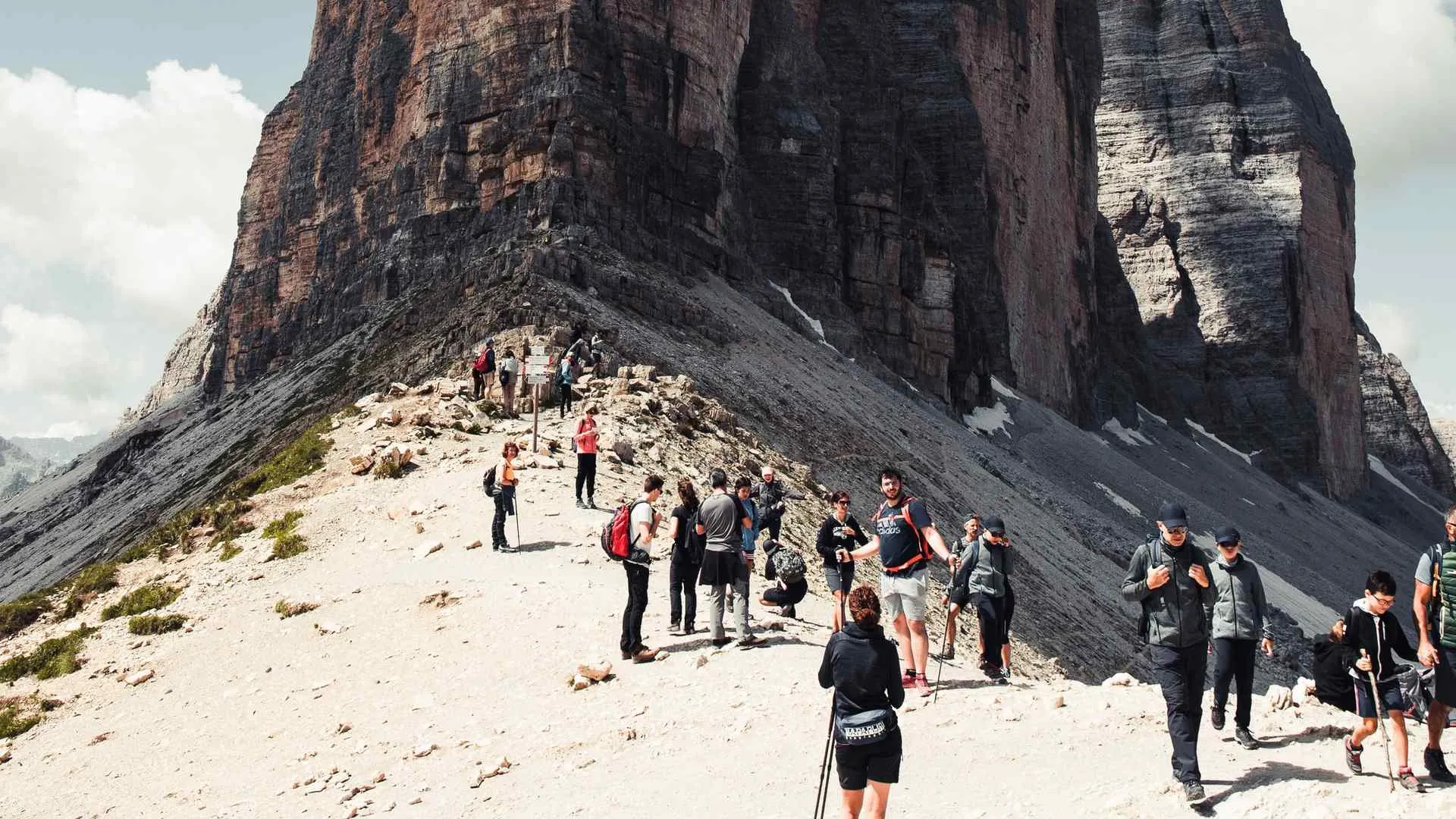
Keep one thing firmly in mind: competition is not welcome in the trekking world. There’s no need to time your routes, no need to run or outpace others. Trekking is perhaps the most gentle way we humans have to contemplate both nature and ourselves.
In mountain trekking, the ultimate goal is not reaching a finish line, but rather gaining an experience and an unforgettable memory. The beauty of the landscapes you encounter is enough to immediately imprint these ideas in the minds of trekkers,whether walking alone or in company. When the soundtrack is your breath and the sounds of nature, you quickly come to terms with this mindset.
The absence of competition doesn’t mean there’s no difficulty; quite the opposite, you’ll find plenty. Trails usually trekked by mountain hikers are well documented by enthusiasts, alpine guides, and other entities. This has led to the creation of a national code defining trail difficulties, which you can find on the CAI (Italian Alpine Club) page: Italian Alpine Club)
- T: tourist trail
- Ehiking trail
- EEexpert hiking trail
- EEAexpert hiking trail requiring equipment
What kind of trail should a beginner take? In these cases, it’s always recommended to start with a T difficulty trail. If your body responds well, you can move up in difficulty (according to your experience).
Gear Up Against Bad Weather
Once you’ve chosen your desired route, you need to do two things.
- Pick a date to hike it.
- Check the weather forecast (reliable) for that date.
This is because trekking is wonderful, but even the most tourist-friendly trail can become a bad memory with terrible weather. Some trails carry risks directly related to weather. If that’s not the case, it’s simply necessary to use the right gear.

The hardest part is choosing a good reliable weather site.
To avoid any problems, we always recommend relying on the Italian Air Force Meteorological Service..
Choose the Right Backpack for Your Needs
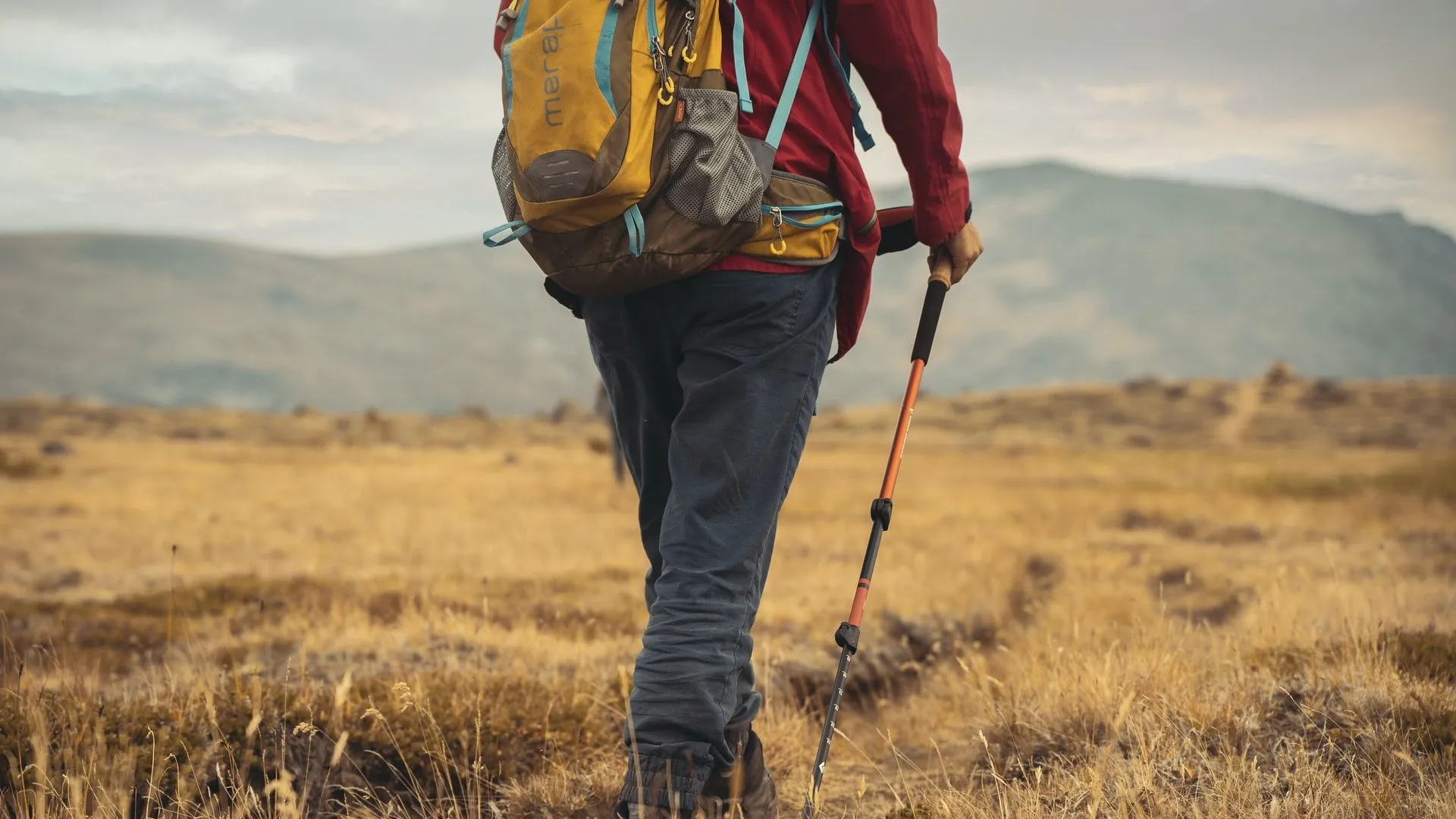
The best way to enjoy mountain trekking is to have all the necessary equipment with you. The two key tools for any good trek are two:: the backpack and the shoes.
Choosing a great backpack is essential to fully enjoy a trek: we’ve already discussed this in detail in this article.
Now, without repeating too much, here’s a summary. There are many backpacks on the market with a wide range of prices: to start, you don’t need to go for the top of the line. A mid-range backpack will be more than enough for your first mountain treks. It’s important that the backpack is lightweight, waterproof, has soft padding, and features compartments to simplify access to important items. So, to give some numbers, aim for a backpack with
60/70 liters capacity and weighing about 1 kg. 1 kg of weight.
Choose Your Shoes Carefully
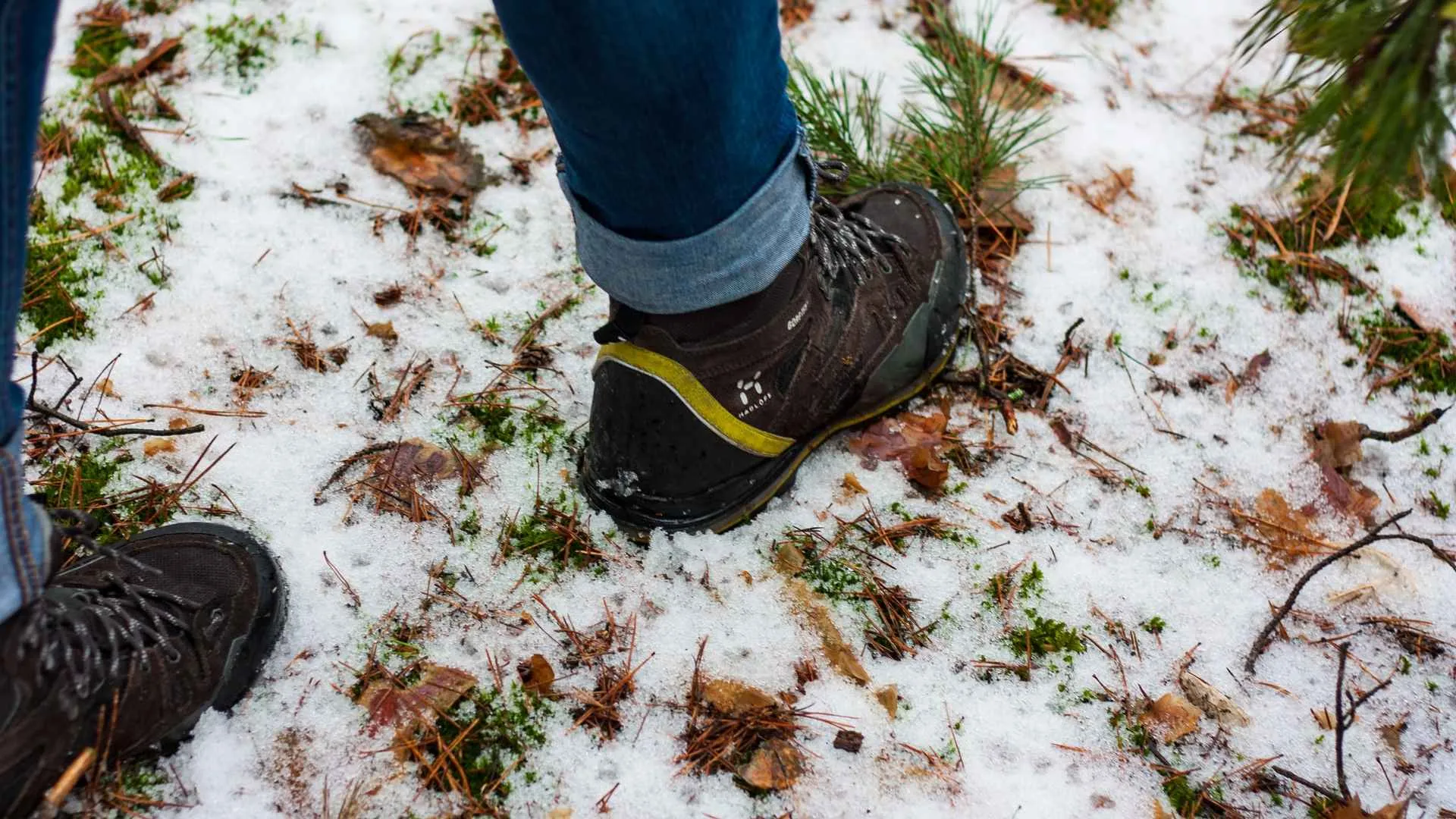
As mentioned above, the other essential item for trekking is a good pair of shoes. Mountain trekking puts a lot of stress on your feet, so without comfortable, well-made shoes, you risk blisters, sores, and more. For non-tourist or long trails, it’s better to avoid regular sneakers..
What are the most important factors to consider when choosing mountain trekking shoes? They should be stable and well-fitted around the ankle. Ankle support is crucial to avoid spraining your ankle on the trail. Rough terrain can be very dangerous for this kind of injury.
Here, the distinction is between high and low hiking boots.
- High boots: provide ankle support and are perfect for rougher trails with significant elevation gains.
- Low boots:a good starting point for all trails with low difficulty and minimal elevation.
You Are the Stranger on the Trails
Mountain trekking means connecting with nature step by step, letting yourself be embraced by the beauty of natural formations. It’s good practice (if not an essential rule) that hikers leave no trace of their passage.
How to sum this up? Anyone trekking has a moral obligation to leave the environment exactly as they found it:no litter, no rolling stones, no trash. This way, you do a favor to hikers who come after you, to those who work with these places, and to nature itself, which reveals its spirit only when undisturbed.
Now you know everything you need to put on your hiking boots and find your perfect tourist trail to start with.
If you don’t know where to start, try signing up with Meeters, so we can inform you about trails and events that might suit you.