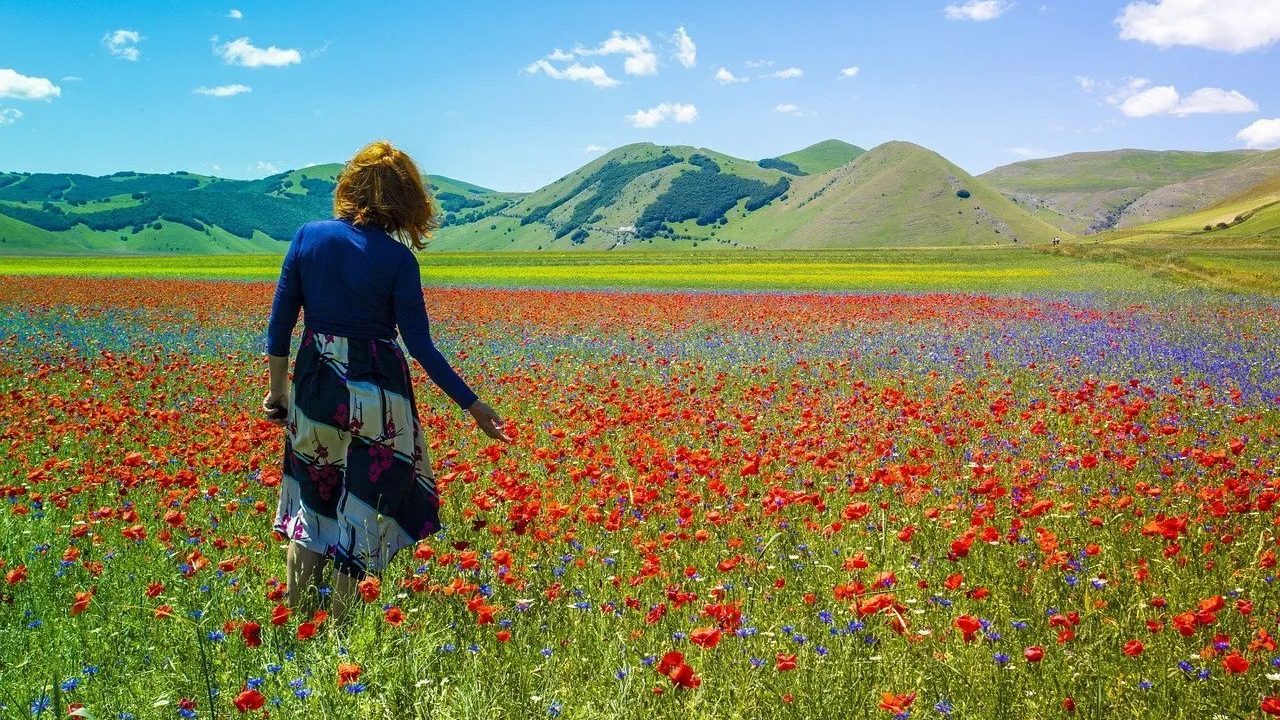
Umbria is the green heart of Italy: beloved for its fertile landscapes woven with vineyards, rolling hills, and the rich history reflected in its hilltop towns and villages. Umbrian cuisine boasts some of the country's most delicious products, from sparkling wine to truffles, which carry the flavor and essence of this beautiful region. Ready to discover the best places to visit in Umbria??
Here is our list of recommendations for a day trip, a weekend, or a lovely vacation:
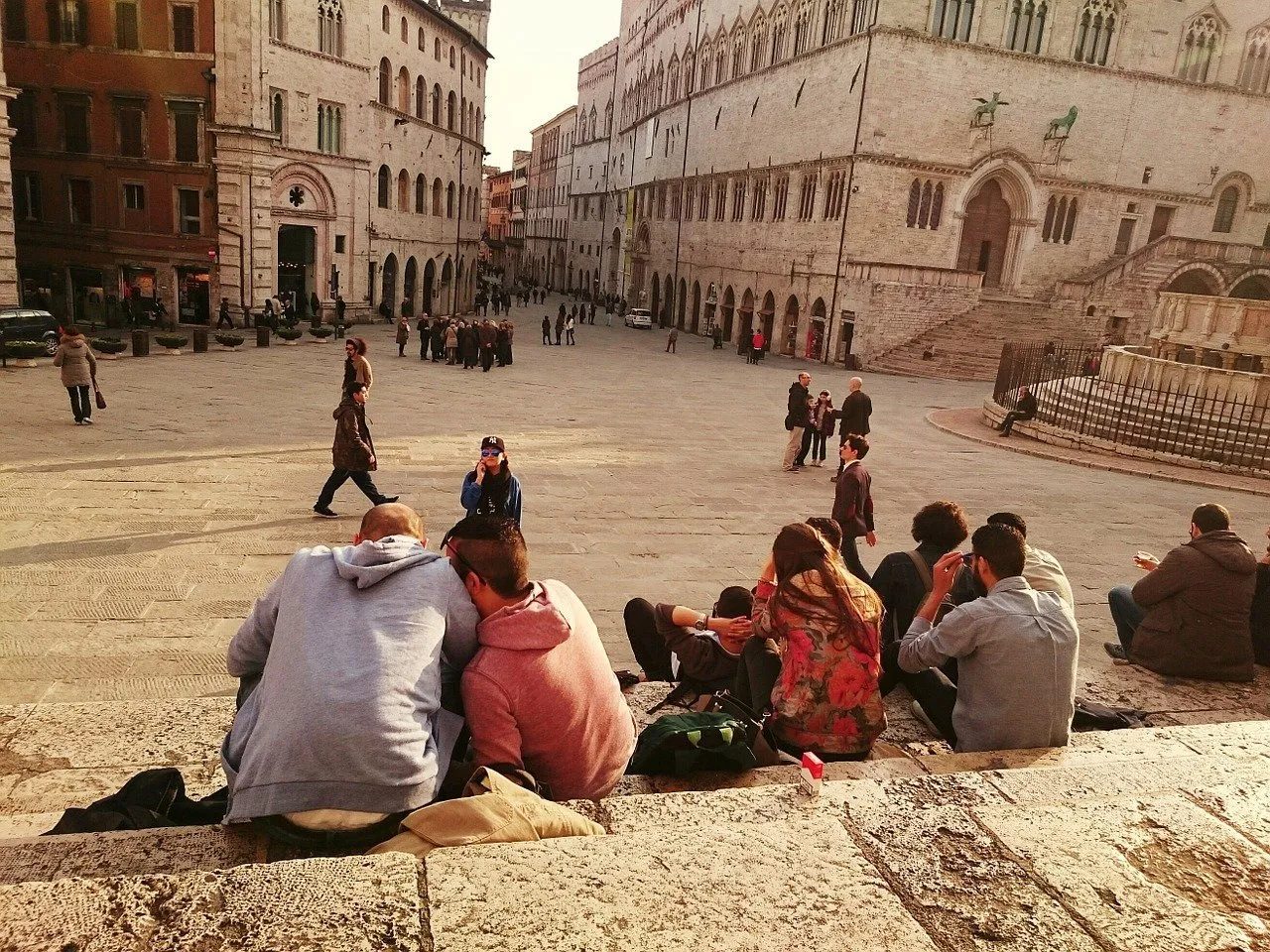 Orvieto
Among the most beautiful hill towns in Umbria is Orvieto, perched on a volcanic plateau above scenic plains. Its glory is the cathedral, a 14th-century Gothic triumph that draws crowds, especially for the impressive frescoes by Renaissance painter Luca Signorelli in the Chapel of San Brizio.
Beneath the city lies a mystery of tunnels and caves dating back 2,500 years to the Etruscan era, used for various purposes over the centuries—from escape routes during sieges to cellars and World War II air-raid shelters.
Castiglione del Lago
On the shores of Lake Trasimeno, where Umbria meets Tuscany, the town of Castiglione del Lago is famous for its 13th-century Castello del Leone, whose tall watchtowers offer stunning views over the sparkling water and surrounding countryside.
It’s an ideal base for trips to quiet villages and islands: the largest, Isola Polvese, hosts the historic Church, which is certainly a work of art.
The historic center is a maze of cobbled streets and hidden churches. The heart is Palazzo Vitelli alla Cannoniera, a 16th-century palace turned art gallery, housing extraordinary works by Renaissance artists such as Raphael, Luca Signorelli, and Andrea della Robbia.
Spello
At the foot of Monte Subasio, the walled town of Spello captivates architecture lovers and photography enthusiasts with its winding medieval streets and old ruined churches. The town has an ancient history: founded by the pre-Etruscan Umbri people, it became a Roman colony in the first century BC, and that heritage is still visible today, steeped in history.
The town square, Piazza Silvestri, features two sensational Romanesque churches. One is the small San Silvestro, and the other is the imposing San Michele Arcangelo, topped by a majestic bell tower.
Wine lovers and design aficionados have a surprise in store just a short distance northwest of town: Tenuta Castelbuono has a fabulous winery shaped like a shell, courtesy of Milanese sculptor Arnaldo Pomodoro.
Amelia
This hilltop village, all terraced olive groves, crumbling stone walls, and bell towers, is located in the southwestern corner of Umbria.
It’s a charming village, not far from the city of Terni. Some scholars believe it may be the oldest city in the region, dating back to around 1000 BC.
Its polygonal stone walls are thought to date from the city’s founding, while original sections of Roman road still cross it. On that note, don’t miss its Archaeological Museum!
Fossato di Vico
On Umbria’s western border, on the slopes of Monte Mutali, this small village is all uphill streets.
You’ll find worn stone steps disappearing through arches and around corners, and unexpected windows with views of the countryside below. Dark alleys are brightened by window boxes full of geraniums, and beautiful terraced courtyards appear like magic.
We recommend staying nearby to enjoy this place in peace, away from the beaten path.
Umbertide
Some of its historic buildings are so well preserved you’d almost swear you’ve been teleported back in time. For example, the city’s official symbol, the immaculate Rocca di Umbertide, is a medieval castle that formed the guard entrance to the citadel.
Other highlights include the Church of Santa Maria della Reggia, an unconventionally octagonal building housing paintings by Niccolò Circignani, and just outside town, the Civitella Ranieri Foundation, a beautiful castle that is also an artist residency.