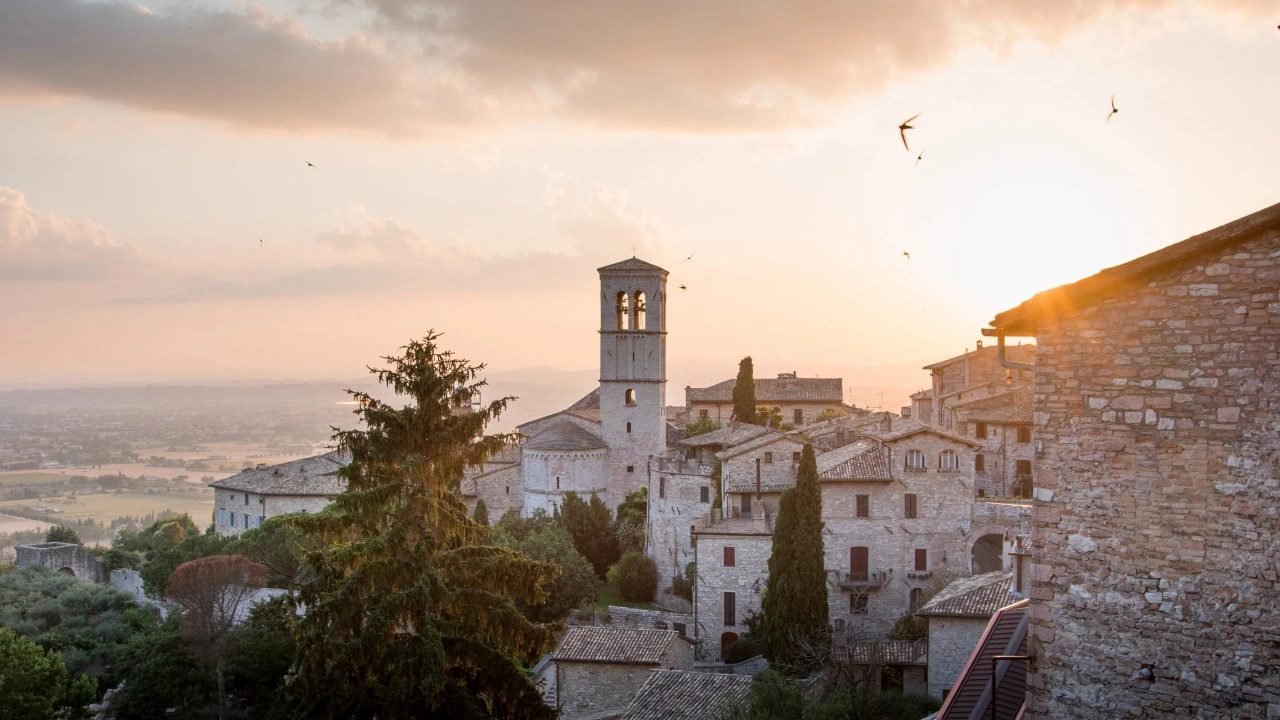
If you've been thinking about organizing a little trip to the heart of Italy for some time, from our point of view, we suggest what to see in Umbria in 3 days. Umbria is known as the greenest region of Italy and is often a somewhat underrated destination. Perhaps, from a tourist perspective, we don’t fully imagine how beautiful it can be. Beyond the wonderful cities, there are countless charming small villages to discover from your own perspective. The Umbrian-Marche Apennines hide, from a landscape point of view, treasures we don’t expect, and you can choose to set off for a summer holiday or carve out a few days at any time of the year.
What to See in Umbria in 3 Days: Our Recommendations
Certainly, it’s not possible to do a complete tour of the region in 3 days, but it’s enough for a rich itinerary that will make you fall in love with Umbria. This trip will definitely make you want to return multiple times to explore all the noteworthy places.
Distances in Umbria aren’t huge; the longest is between Orvieto and Spoleto, after which you move between other stops taking little time. For each day, we have paired two destinations; naturally, you can skip some stops if you prefer to linger longer elsewhere. If you want to do a fairly complete tour, you can visit one destination in the morning and the other in the afternoon.
Day 1: Orvieto and Spoleto
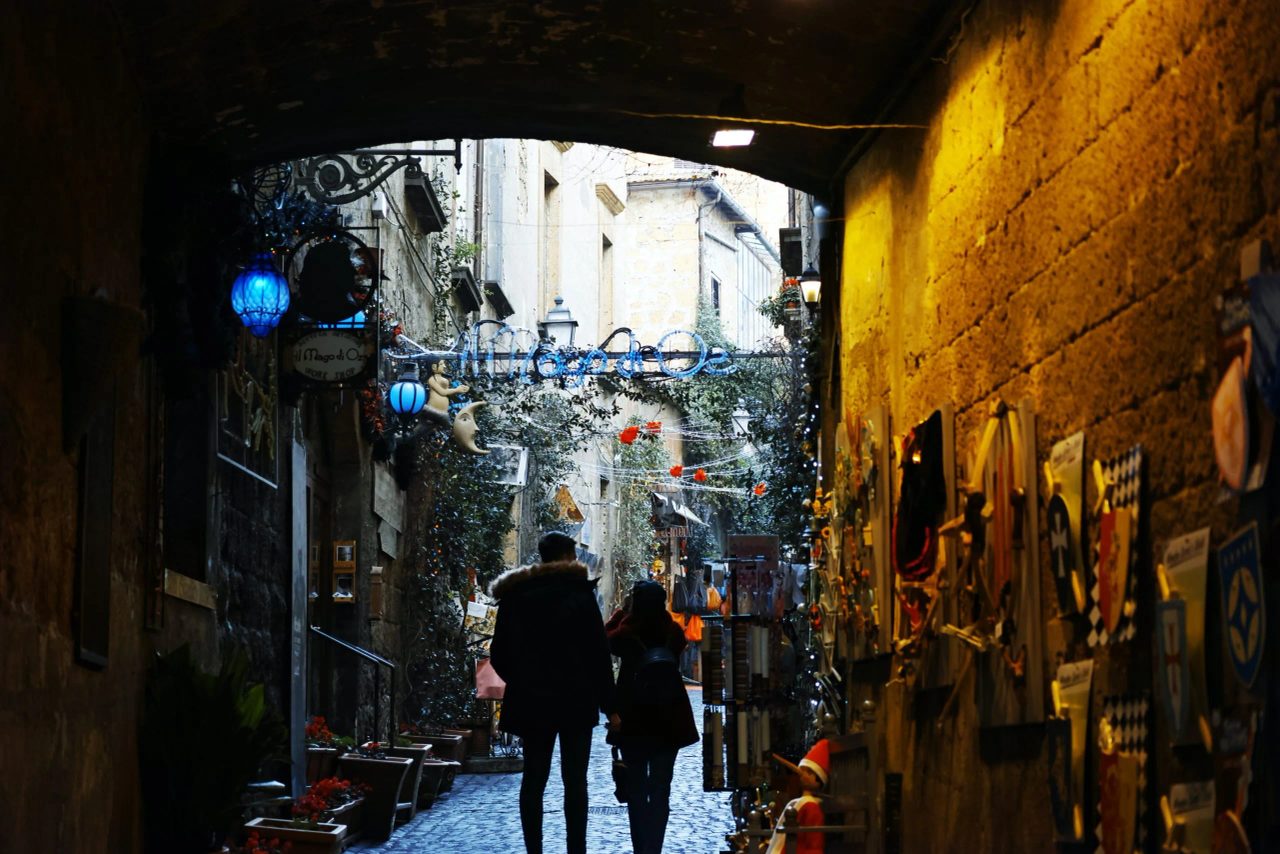
The name Orvieto comes from Latin and means old city. It is located in the province of Terni and sits on a tuff rock. The historic center is very evocative, and strolling through its streets is an experience we recommend. You’ll find artisan workshops,small shops selling typical food and wine products, and before you realize it, you’ll find yourself in the square of the Cathedral. The Cathedral Basilica of Santa Maria Assunta is a beautiful example of Gothic architecture. Depending on the time you want to dedicate, you can choose to visit the underground Orvieto or the St. Patrick’s Well, maybe both. Beneath the town of Orvieto lie true, little shops selling typical food and wine products, and before you know it, you'll find yourself in the Duomo square. The Cathedral Basilica of Santa Maria Assunta is a beautiful example of Gothic architecture.
made up of about 1,200 caves, cisterns, and wells. All this was discovered by chance after a landslide. The St. Patrick’s Well is so named because it resembles the well where the saint in one of the many local places in Piazza del Mercato. Day 2: Spello and Assisi
Spello is one of the most beautiful villages in Italy. A truly
evocative
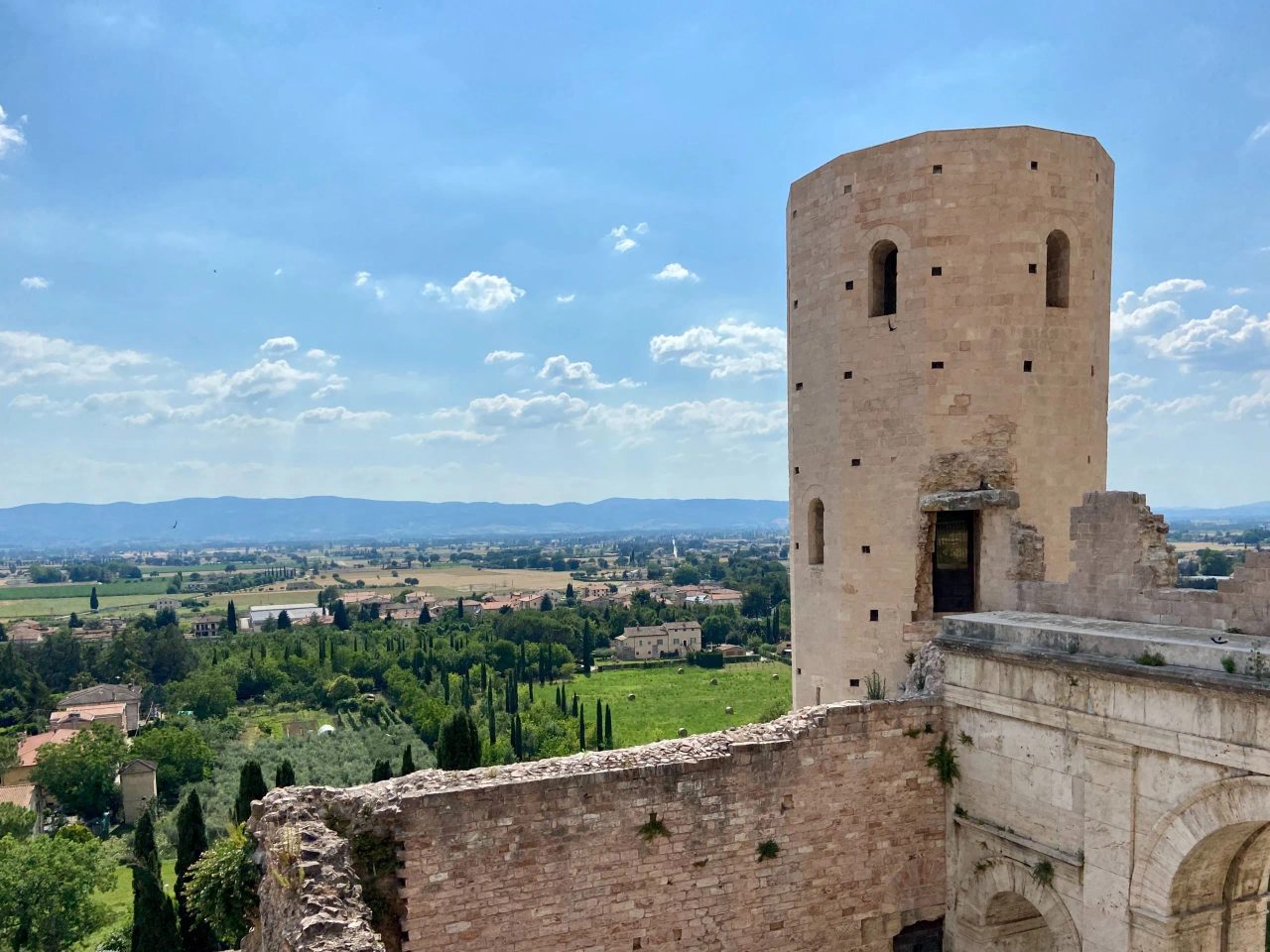
and magical place thanks to its streets with stone buildings whose doorways and windowsills are decorated with plants and flowers of every kind all year round. In fact, it is called “the capital of flowers,” especially for the Infiorate created during the Feast of Corpus Christi. These are works of art created by local artisans that form pictures or carpets

that can be admired for over a mile and a half. In short, the streets of Spello are always an open-air spectacle. You can also visit some beautiful churches, for example Santa Maria Maggiore, famous because inside there are frescoes by Pinturicchio, but also the Church cultural events and manifestations, offering visitors a unique opportunity to immerse themselves in local life. For those wishing to deepen the city’s history, a visit to the Sperelliana Library is essential: here manuscripts and rare works are preserved that testify to Gubbio’s rich cultural past. Another noteworthy place is the Archaeological Park with the Roman Theatre, still among other stops requiring little time, allowing you to fully enjoy each destination. by Pinturicchio, but also the Church's cultural events and exhibitions, offering visitors a unique opportunity to immerse themselves in local life. For those wishing to delve deeper into the city's history, a visit to the Sperelliana Library is essential: it houses manuscripts and rare works that testify to Gubbio's rich cultural past.
Orvieto, whose name means “old city,” is situated on a tuff rock and offers an evocative historic center with artisan workshops and the Cathedral Basilica of Santa Maria Assunta. Recommended attractions include underground Orvieto and St. Patrick’s Well.
What are the main attractions to explore in Spoleto during a day trip?
In Spoleto, the Romanesque Cathedral in Piazza Duomo features medieval mosaics, while the center boasts art galleries and artisan shops. It is recommended to climb the ancient bell tower to admire the city from above and finish with an aperitif in Piazza del Mercato.
What are the unique features of Spello and Assisi on the second day of the trip?
Spello, called “the capital of flowers,” is known for its streets decorated with plants and flowers. Assisi, with the famous Basilica of St. Francis, offers frescoes by Giotto and Cimabue and a stroll in Piazza del Comune.
What are the highlights of Spello and Assisi on the second day of the trip?
Spello, known as “the flower capital,” is famous for its streets decorated with plants and flowers. Assisi, with the renowned Basilica of Saint Francis, features frescoes by Giotto and Cimabue and a stroll through Piazza del Comune.