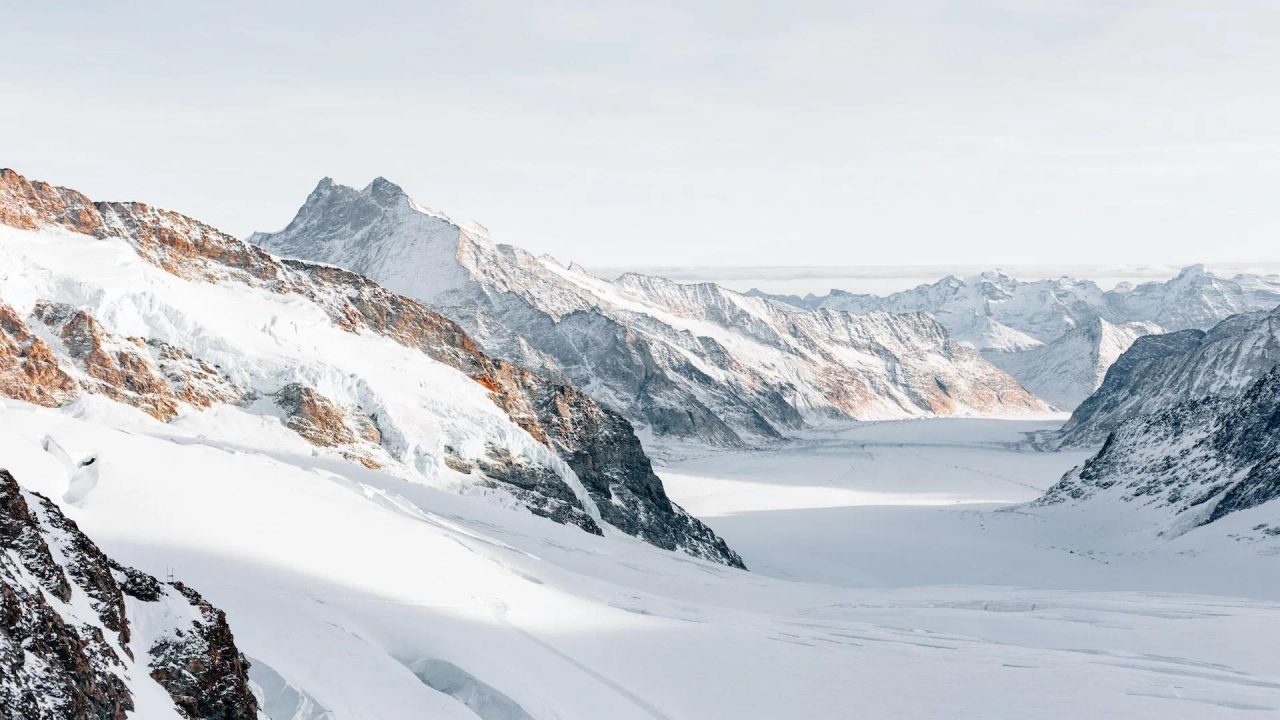
One of the most enjoyable experiences you can have during the winter season is undoubtedly walking on snow, with or without snowshoes. Taking a moment for yourself in the mountains, diving into hiking, walking and walking again surrounded by the pure white snow within a precious natural environment, with endless panoramic views.
Walking on snow, however, can also be a risky activity if you don’t take the right precautions, don’t follow safety (and common sense) rules, and especially if you don’t have the necessary equipment. Aside from the possible hypothermia you might face if you wear canvas shoes or similar, there are many things to know to make your holidays on the white blanket unforgettable.
Throughout this article, we at Meeters, drawing on our experience in creating events and opportunities for socializing, will try to quickly and informatively explain the information you should keep in mind. Since we firmly believe in the value of making new friends, follow us on this journey with our tips on walking on snow so you can join all the most interesting events around.
What Equipment Do You Need?
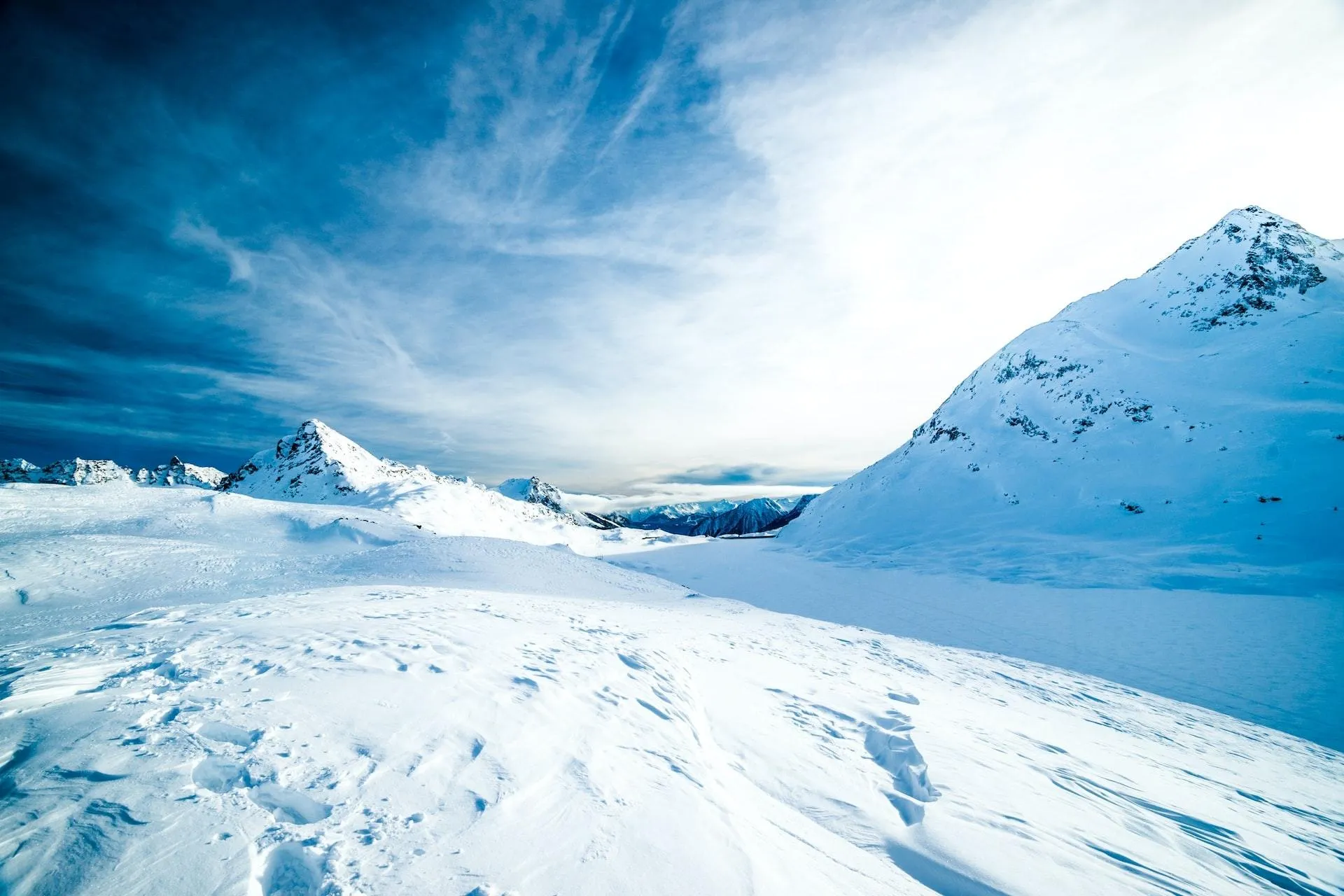
Instead of stopping to talk about footwear and clothing, which are already well known and also covered in this article, we believe it’s very important to talk about the specifically winter equipment that is perfect for walking on snow in winter, perhaps in high mountain.
To ensure maximum safety for yourself and to avoid, as much as possible, the dangers posed by avalanches, it’s best to equip yourself with four different tools:
- Shovel
- Probe
- Airbag Backpack
- ARTVA Device
It’s easy to understand the purpose of each tool: the shovel is the main tool when it comes to removing snow, the probe can be useful if you’re walking with others and need to locate someone buried, the airbag backpack can help a person caught in an avalanche buy time, while the ARTVA device serves a different purpose.
[activecampaign form=22 css=1]
The term ARTVA stands for avalanche victim search device and is an electronic tool used to locate people under the snow cover. This device is essentially a special transmitter-receiver that signals without voice functions and operates on a frequency of 457 kHz. To use this device correctly, some specific technical knowledge is necessary, but nothing that a careful reading of the instruction manual can’t provide.
All the tools we just mentioned perform best when you are in high mountain situations, far from refuges and, more generally, from rescue services.
Never Underestimate Weather Information
 Another thing to keep in mind when planning a nice winter trek on snow is the weather and, more specifically, the snowpack conditions. The weather bulletin is essential when talking about trekking, but when it comes to winter trekking on snow, it’s even more crucial.
This is because, whether you’re moving with snowshoes or not, checking the weather and snow bulletin gives you an idea of the snowpack conditions. Snow bulletins are not found on common general weather sites but rather on regional environmental protection agency websites. Alpine guide sites and ski resort websites often republish these bulletins and can therefore be useful sources for accurate information.

The national meteorological vigilance bulletin from civil protection can be very useful; it is issued daily at 3 PM on the organization’s website. The purpose of this bulletin is to report significant weather phenomena for the day and the following day, covering about 36 hours.
If you need a specific snow bulletin, you can rely on the Meteonivological Bulletin, which is issued by the Alpine Troops Command and the State Forestry Corps.
Knowing Your Enemy Is Vital
The Meteonivological Bulletin is very interesting because it provides access to the European avalanche danger scale. This scale is divided as follows:
- Low: favorable conditions for outdoor activities; avalanches are possible only under heavy overload on extremely steep terrain. Spontaneous avalanches and small releases are possible but limited in size.
- Moderate: good conditions but with locally dangerous spots. Avalanches can be triggered in areas with heavy overload on steep slopes. Spontaneous avalanches are still considered unexpected. Conditions remain favorable for ski tours provided the danger in some areas is considered.
- Considerable: experience and assessment skills are necessary for walkers. Avalanches can be triggered even with light overload on steep slopes. Medium-sized spontaneous avalanches may occur, as well as large avalanches. Ski tours remain possible.
- High: going out requires great assessment skills because avalanches are likely even with light overload on less steep slopes. The chances of medium or larger spontaneous avalanches increase. Ski tours should be strongly limited.
- Very High: hiking is prohibited because the likelihood of spontaneous avalanches is very high, including very large ones and on not particularly steep terrain. Consequently, ski tours are not feasible.